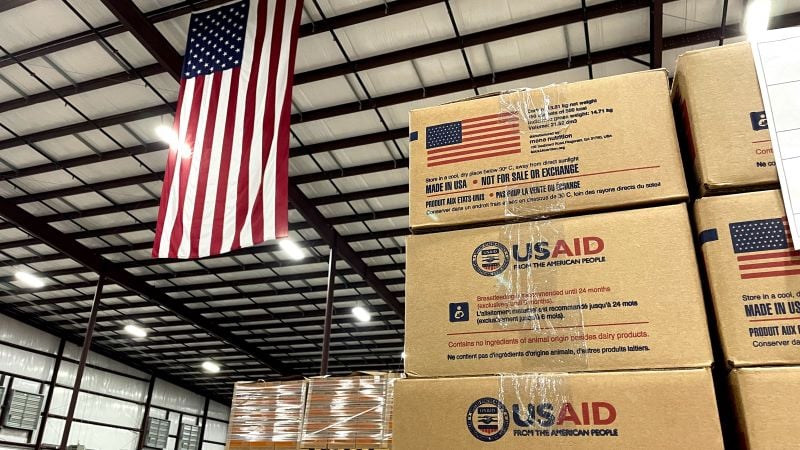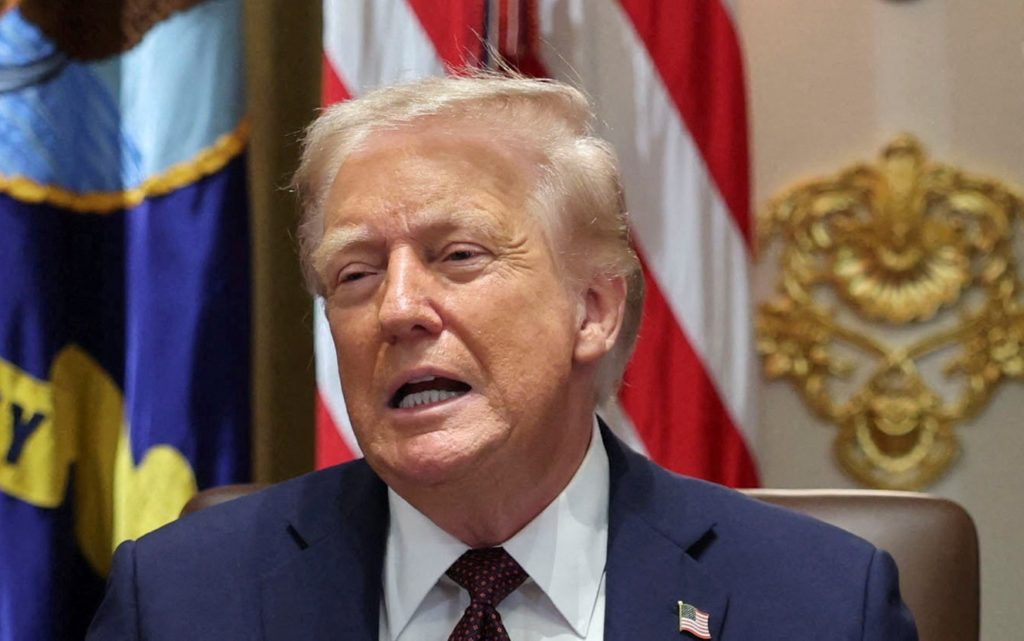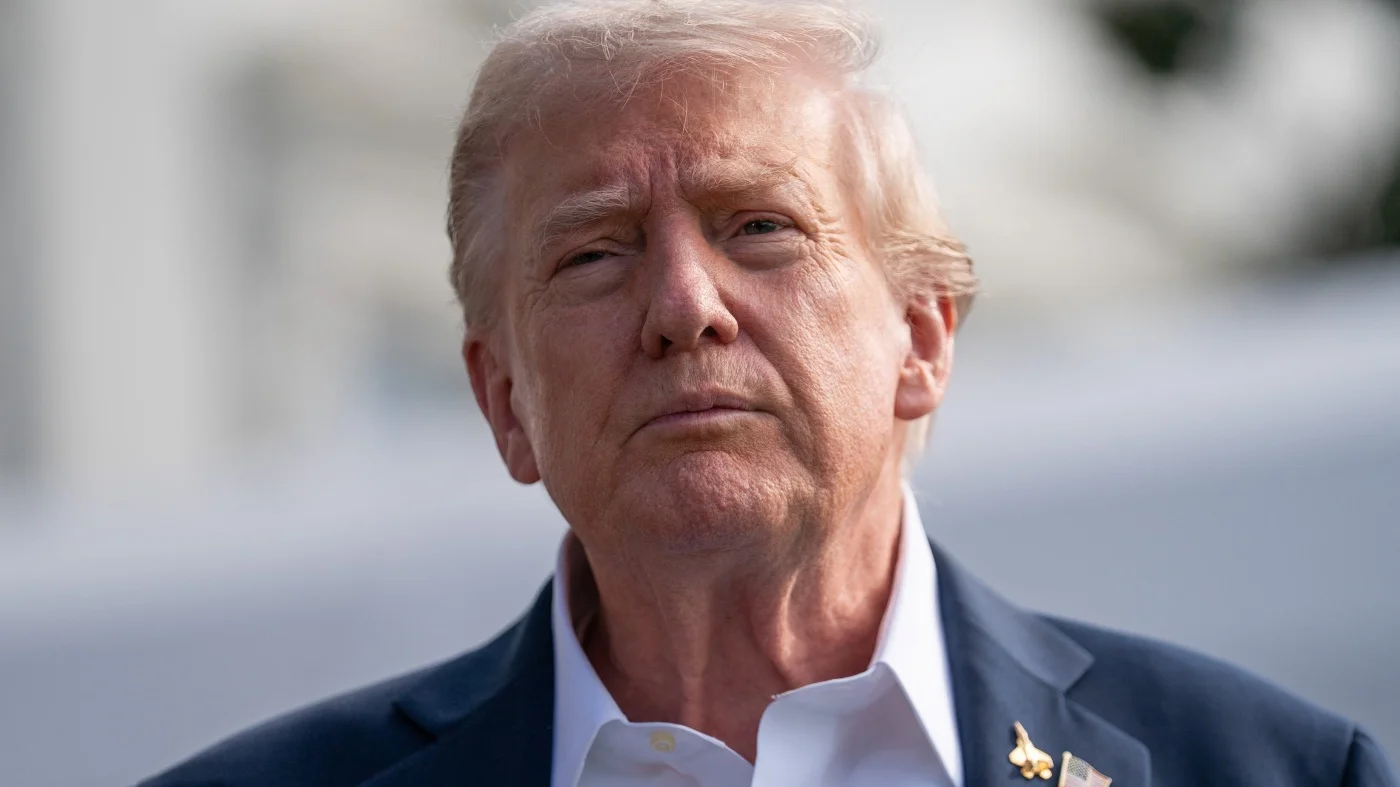
The Supreme Court approved the Trump administration's decision to withhold over $4 billion in foreign aid, allowing the administration to freeze the funds despite a previous court order for their release, citing presidential authority and the use of a rare budget maneuver called pocket rescission.
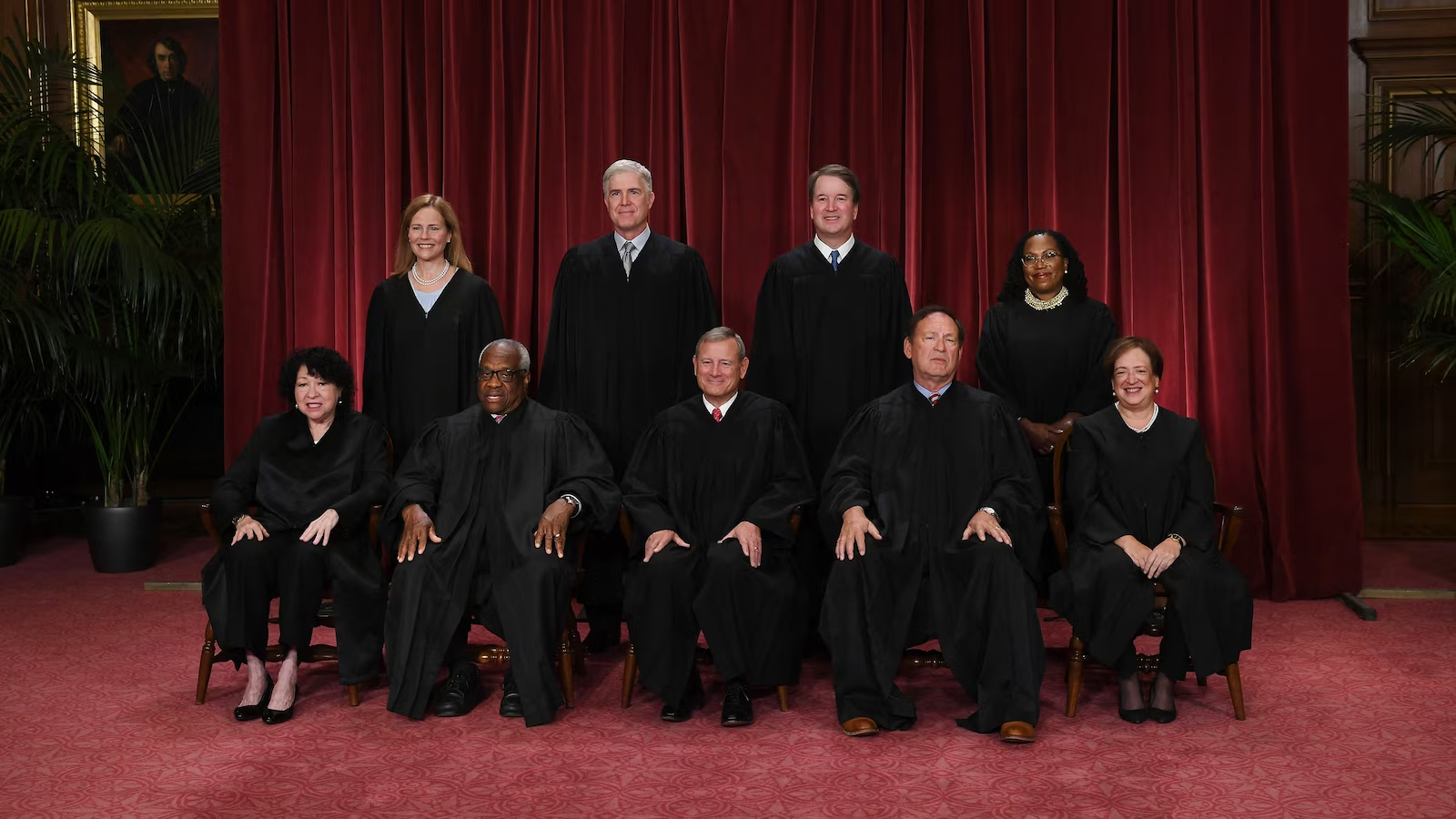
The Supreme Court allowed the Trump administration to proceed with cutting $4 billion in foreign aid without congressional approval, citing procedural reasons, while dissenting justices expressed concern over the implications for separation of powers and aid recipients.
Alaska Senator Lisa Murkowski criticized the White House's attempt to rescind nearly $5 billion in federal funding through an illegal pocket rescission, raising concerns about undermining congressional authority amid looming government shutdown deadlines. Meanwhile, House Republicans are preparing to force a vote on unsealing Jeffrey Epstein files, and Democratic Rep. Jerry Nadler announced his retirement, prompting a competitive primary. The broader political landscape includes ongoing negotiations over government funding, Epstein investigations, and other legislative priorities.
US President Donald Trump attempted to use a 'pocket rescission' process to block $4.9 billion in foreign aid, a move widely condemned as illegal and authoritarian, with critics arguing it undermines Congress's constitutional power over budget decisions and could lead to a government shutdown.
President Trump plans to use a pocket rescission to cancel nearly $5 billion in foreign aid, a move deemed illegal by the GAO because it circumvents Congress's power of the purse. Pocket rescissions involve delaying funds close to the fiscal year's end, causing them to expire before approval, which the law prohibits. Experts and lawmakers criticize this approach, emphasizing that proper budget reductions should go through the legislative process.
President Trump is attempting to bypass Congress to control nearly $5 billion in international aid through a legal strategy called 'pocket rescission,' as a government shutdown deadline approaches.
Donald Trump used a rare legal tool called a 'pocket rescission' to cancel $4.9 billion in foreign aid without congressional approval, marking the first such move in nearly 50 years, and continuing his administration's efforts to cut foreign aid and bypass legislative processes.
President Trump has notified Congress of his intention to cancel $4.9 billion in foreign aid using a rare legal tool called a pocket rescission, which has drawn criticism from Democrats and some Republicans who argue it is illegal. The move aims to redirect funds aligned with Trump's America First priorities but risks legal challenges and complicates ongoing government funding negotiations, with many lawmakers viewing the action as a violation of congressional authority.
President Donald Trump has used a rare legal maneuver called a pocket rescission to block $4.9 billion in foreign aid approved by Congress, effectively cutting the budget without legislative approval, marking the first use of this tactic in nearly 50 years and raising concerns about bypassing congressional authority.
The White House has unilaterally canceled $4.9 billion in foreign aid using a legal maneuver called pocket rescission, bypassing Congress's approval, which has sparked tensions and concerns over the legality of the move amid looming government shutdown deadlines.