Biff Poggi, Michigan's interim football coach, expressed concerns about an increasing number of players opting out of the Citrus Bowl to prepare for the NFL Draft and criticized their decision-making process, suggesting he is not suitable for the head coaching position due to his public comments and handling of the situation.
Nick Carparelli, the executive director of Bowl Season, proposes solutions to the increasing number of player opt-outs in college football bowl games. His suggestions include eliminating early signing day, closing the fall transfer portal window, and allowing bowl games to compensate players for participation, potentially through name, image, and likeness (NIL) deals. These changes aim to unclog the busy December schedule and incentivize players to participate in non-playoff bowl games. The future of the bowl system is under discussion, with the College Football Playoff expanding to 12 teams next season, which could further impact player participation in the 35 other bowl games. Despite opt-outs, bowl games continue to draw significant television viewership, outperforming other sports broadcasts.
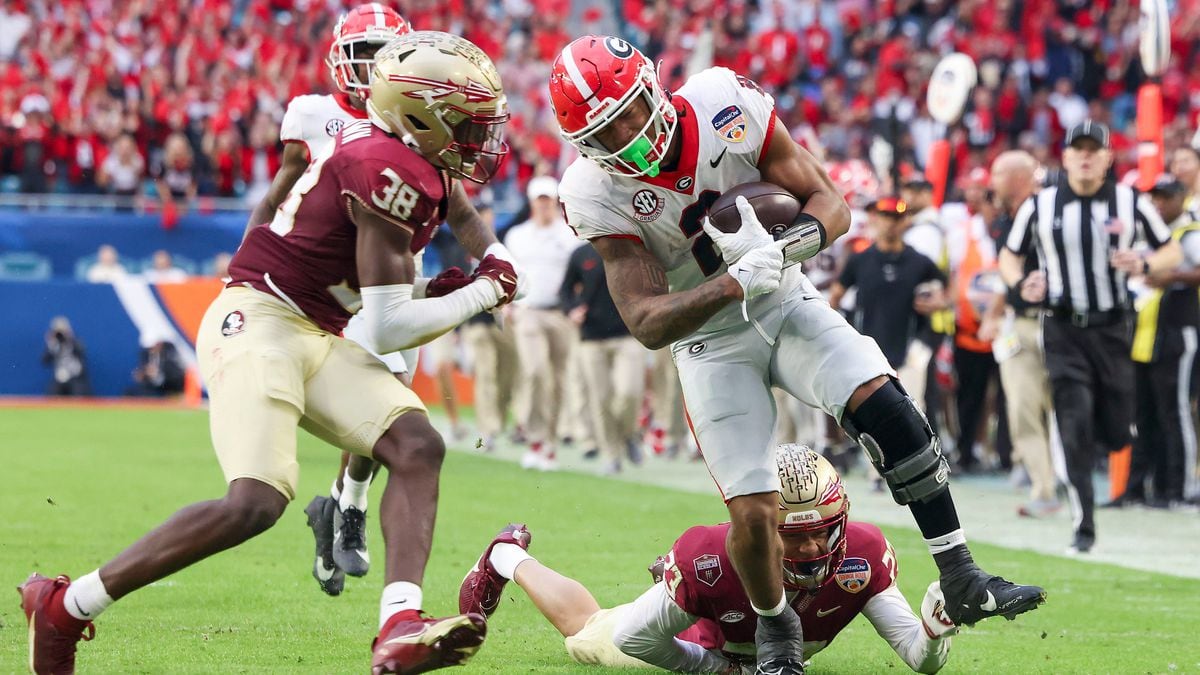
The Orange Bowl debacle, where Georgia trounced a depleted Florida State team 63-3, has sparked discussions on how to fix the college football bowl season. Proposed solutions include providing full insurance policies for draft-eligible players, offering NIL packages, moving non-playoff bowls to spring or Week Zero, adjusting the transfer portal calendar, implementing revenue sharing, giving players contracts, and the radical idea of eliminating the "college" aspect of college athletics. These ideas aim to address the issues of player opt-outs, the transfer portal's impact on team rosters, and the overall relevance of bowl games.
Georgia Bulldogs' coach Kirby Smart called for changes in college football after a lopsided Orange Bowl victory over Florida State, highlighting the impact of player opt-outs and transfers on the game. Smart emphasized the disparity caused by the absence of key FSU players, many of whom opted out or entered the transfer portal, affecting the competitiveness of the bowl game. The issue is expected to persist despite the upcoming expansion of the College Football Playoff, as teams not in the playoff will still face challenges with player availability. Smart's comments suggest a need for a broader discussion on the future structure and incentives of college football's postseason.