

Tag

Piwi Pirna Pathway

All articles tagged with #piwi pirna pathway

Unlocking Immortality: The Potential of Jellyfish DNA in Extending Human Lifespan
science-and-technology2 years ago

Unlocking Immortality: The Potential of Jellyfish DNA in Extending Human Lifespan

Researchers from Eötvös Loránd University have made a breakthrough in understanding the aging process by studying transposable elements (TEs) in DNA. They identified the Piwi-piRNA pathway, which controls the activity of TEs, and found that managing TEs can extend lifespan. By downregulating TEs in worms, the researchers observed slower aging and a significant increase in lifespan. This discovery has implications for medical and biological research, potentially leading to the development of methods to extend human life and improve health in later years. Additionally, the researchers discovered epigenetic changes in the DNA of aging worms, which could potentially be used as a biological clock to determine age.

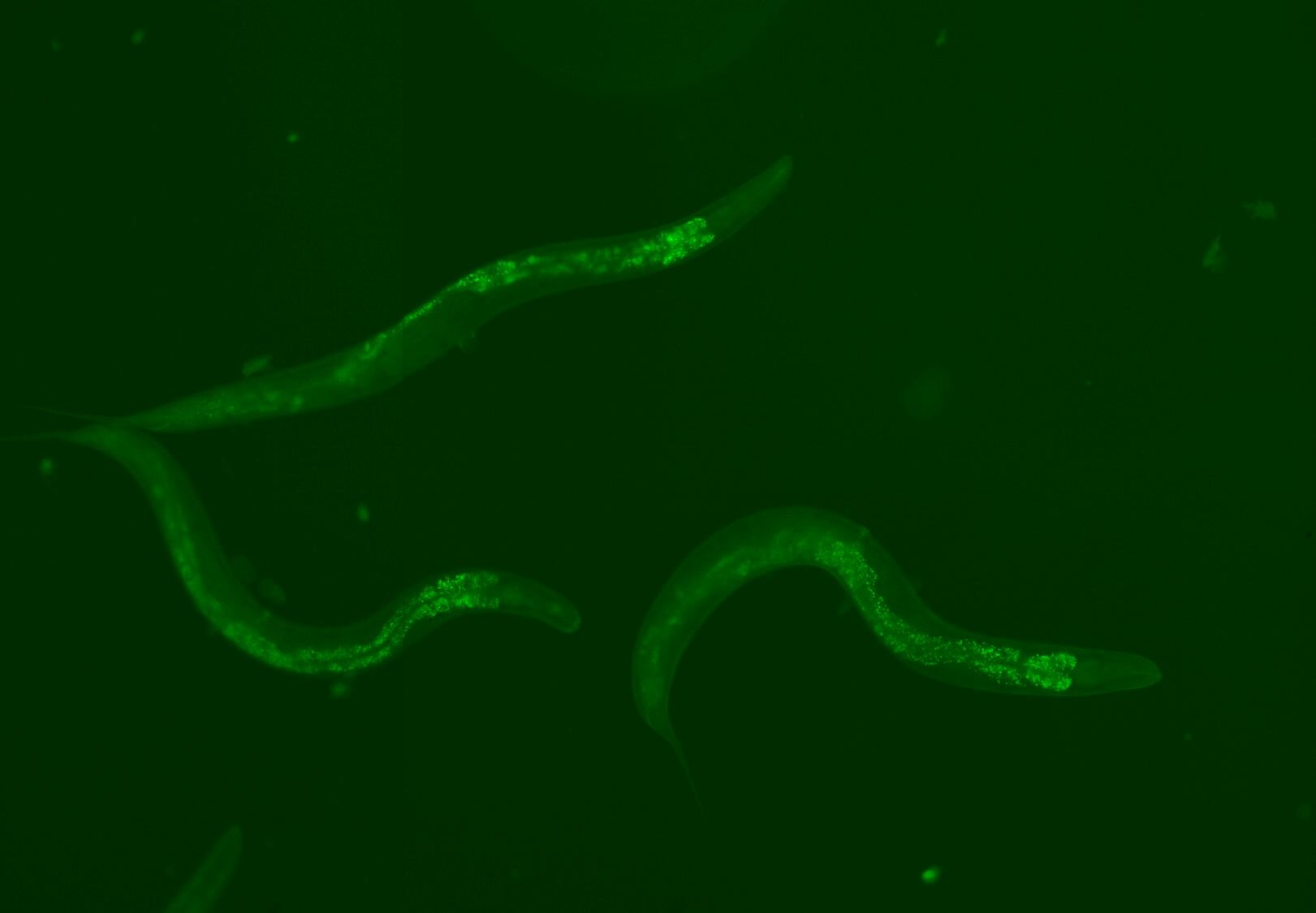
"Unlocking the Fountain of Youth: 'Jumping Genes' Unveiled as Aging Breakthrough"
science2 years ago

"Unlocking the Fountain of Youth: 'Jumping Genes' Unveiled as Aging Breakthrough"

New research conducted on Caenorhabditis elegans worms has revealed that manipulating the Piwi-piRNA pathway, which controls the activity of jumping genes called transposable elements (TEs), can extend the lifespan of the worms. The study suggests that the movement of TEs within the DNA genome plays a role in the aging process. The researchers also observed an increase in TE activity as the worms aged, indicating a potential link between TE activity and cellular aging. These findings could lead to future interventions to slow down the aging process and improve health in humans.

Unveiling the Secrets of Aging: Insights from Transposable Elements Study
science2 years ago

Unveiling the Secrets of Aging: Insights from Transposable Elements Study

Researchers have discovered that controlling the activity of transposable elements (TEs), which are mobile DNA elements, can extend lifespan in worms. By downregulating specific TEs and strengthening the Piwi-piRNA pathway, the worms showed signs of aging slower and lived significantly longer. The study also revealed epigenetic changes in the DNA of the worms as they aged, which could potentially be used as a biological clock to determine age from DNA. This breakthrough in understanding the role of TEs and their control pathways opens up possibilities for developing methods to extend life and improve health in later years.