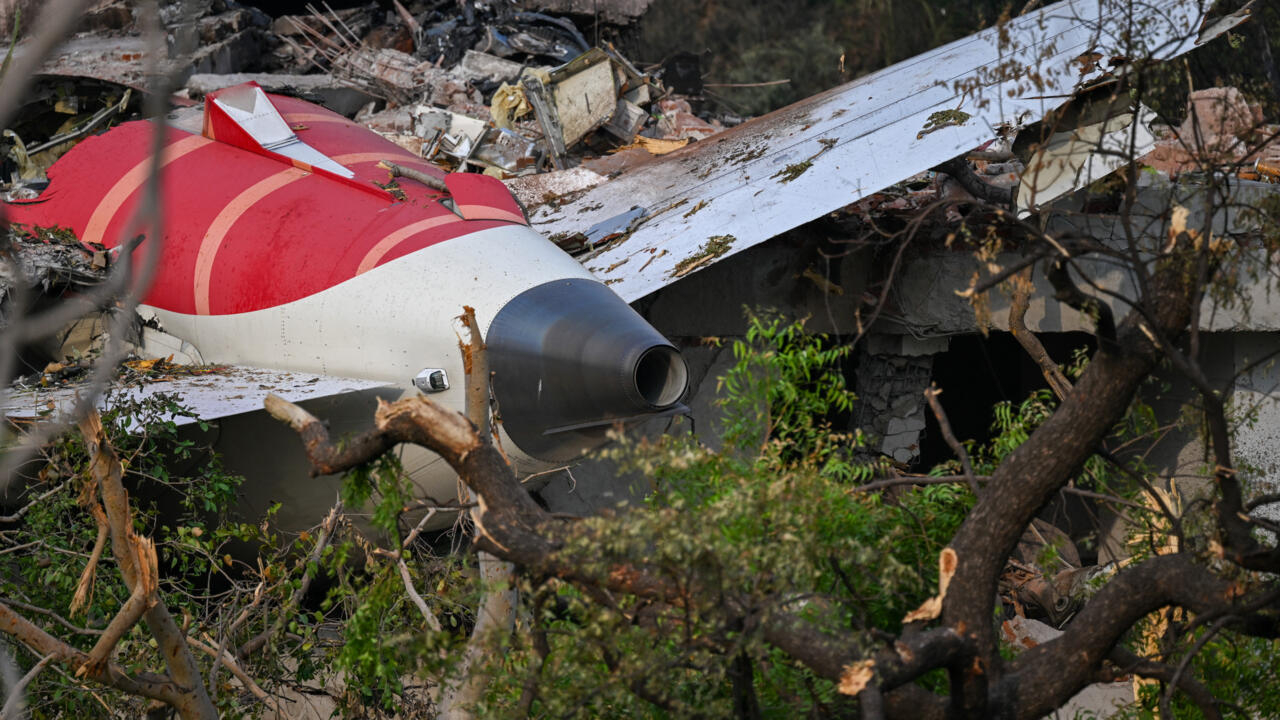
The June 12 Air India Boeing 787 crash in Ahmedabad, which killed 260 people, remains under investigation with initial findings revealing fuel supply issues and cockpit conversations that have sparked speculation about human error or mechanical faults. The investigation is ongoing, with experts emphasizing the importance of evidence-based conclusions and cautioning against premature blame on pilots or systemic failures. The final report is expected in about a year, aiming to uncover the true cause of the disaster.
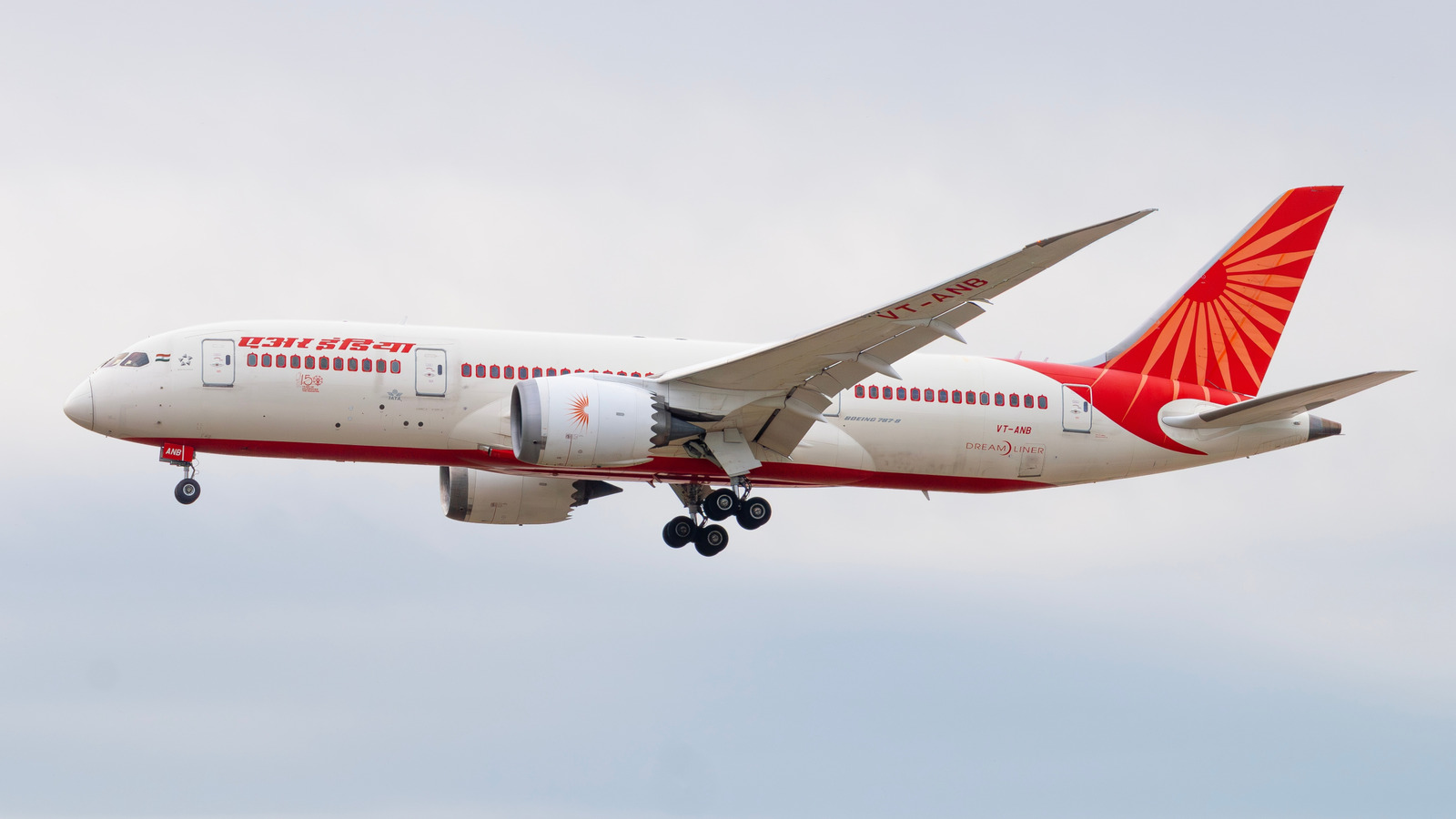
Investigators are focusing on the engine fuel control switches as the likely cause of the Air India Flight 171 crash, with pilot error suspected; the incident has also raised concerns about safety practices at Air India and its subsidiaries.
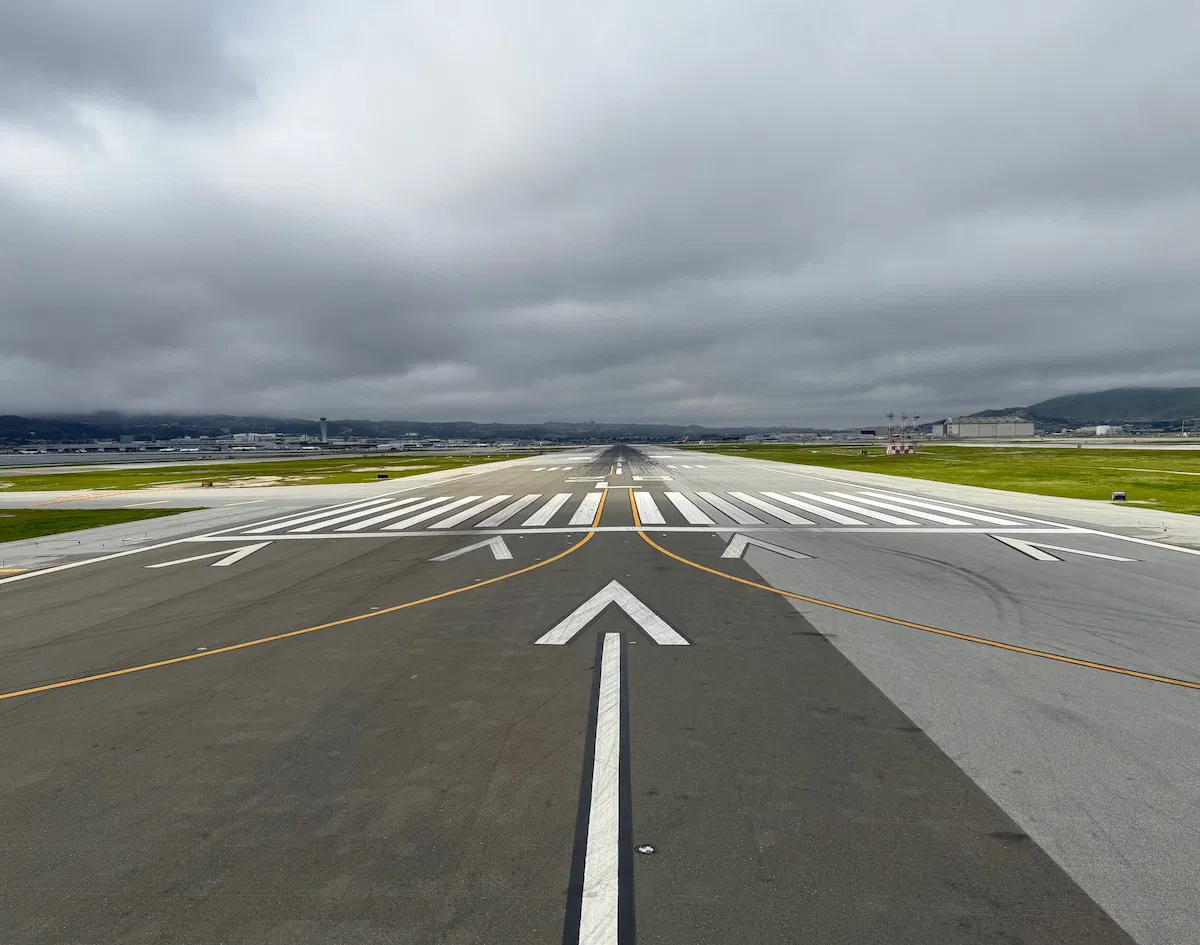
A near-disaster occurred at SFO when a United A320 made a wrong turn after takeoff, coming dangerously close to a SkyWest CRJ, due to possible FMS programming error and communication issues, highlighting significant safety lapses.
The National Transportation Safety Board (NTSB) has released its preliminary report on the plane crash that killed Eugene "Buzzy" Peltola Jr. in Southwest Alaska. The report reveals that Peltola's plane was loaded with over 500 pounds of moose meat and antlers when it crashed. Peltola, the husband of Alaska U.S. Rep. Mary Peltola, was flying a second load of meat out of a remote camp when the crash occurred. The report suggests that the second load was 50 to 70 pounds heavier than the first. Peltola initially survived the crash but died before rescuers could arrive. The official cause of the crash is yet to be determined.
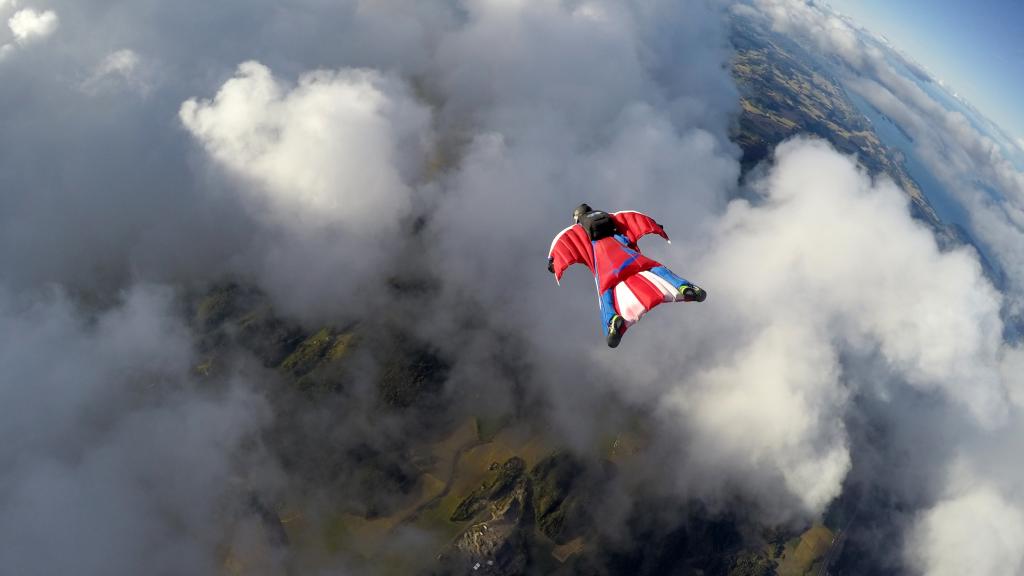
A wingsuit skydiver was decapitated just 20 seconds into his jump when he collided with a plane's wing in the South of France. The pilot is currently on trial for manslaughter, with prosecutors arguing that his errors caused the accident. The pilot defended himself, claiming that the skydiver did not follow the expected course. It was revealed during the trial that the pilot was flying with an invalid license and had not properly briefed the skydivers. The verdict is expected in November.
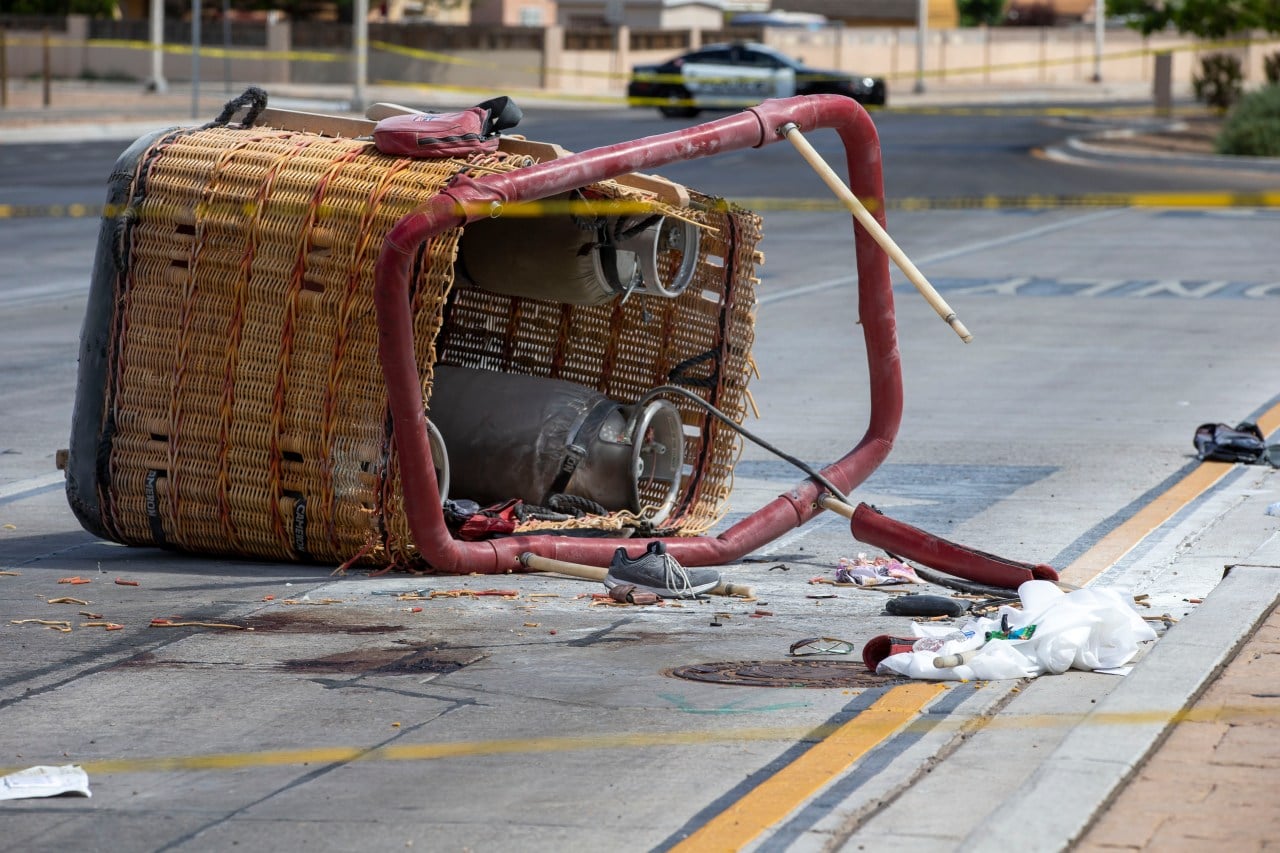
The National Transportation Safety Board (NTSB) has determined that a fatal hot air balloon crash in New Mexico was caused by a pilot's mistake, who had cocaine and marijuana in his system at the time of the accident. The pilot failed to maintain enough clearance from power lines while attempting to land, resulting in a collision that killed all five people on board. The NTSB found no evidence of mechanical malfunctions. This incident marks the deadliest hot air balloon crash in New Mexico's history and the second deadliest in the US since 2016.
The National Transportation Safety Board (NTSB) has determined that a fatal hot air balloon crash in New Mexico in 2021, which killed all five people on board, was caused by pilot Nicholas Meleski's mistake of not maintaining enough clearance from power lines while attempting to land. The NTSB's final report revealed that Meleski had drugs, including cocaine, in his system at the time of the crash, suggesting impairing effects. No evidence of mechanical malfunctions or failures was found. The crash, which resulted in the deadliest hot air balloon accident in New Mexico's history, claimed the lives of Martin and Mary Martinez, Susan and John Montoya, and pilot Nicholas Meleski.
A Learjet pilot at Boston's Logan International Airport took off without permission, causing a potential collision with a JetBlue plane preparing to land on an intersecting runway. The incident was captured on video from the JetBlue cockpit, and federal investigators are now looking into the pilot's actions, highlighting the importance of aviation safety and the risks of runway incursions.
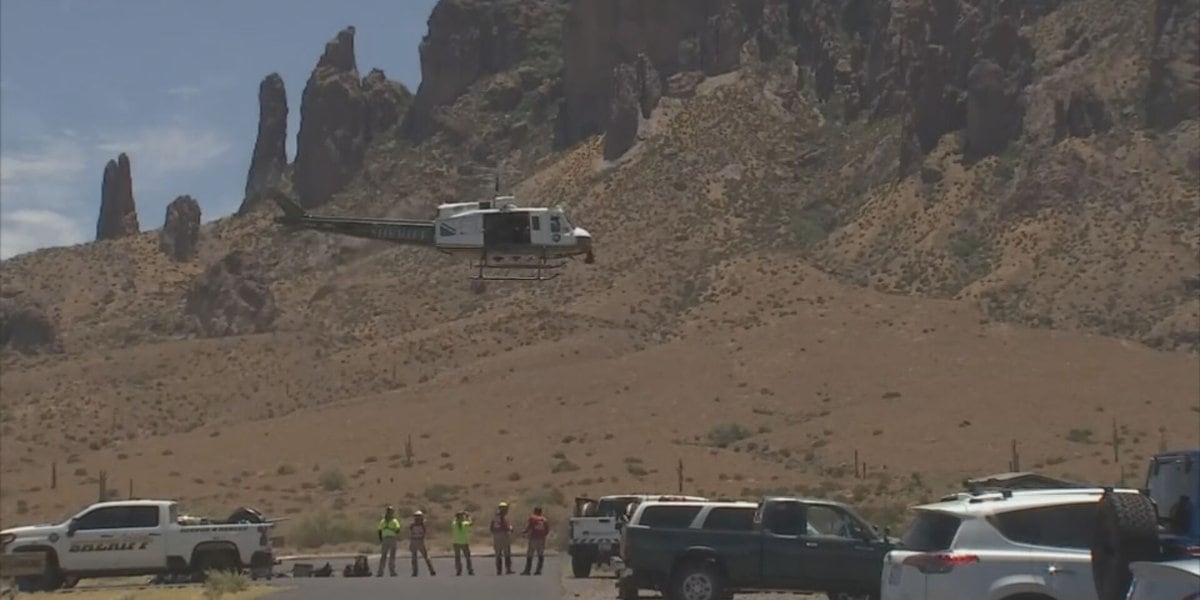
The NTSB reports that a single-engine plane crashed into the Superstition Mountains, killing the two people on board. The plane was flying in formation with two other planes and was headed to Payson. The cause of the crash is still under investigation, but flight instructor Robert Peay Jr. suggests that a series of little mistakes could have led to the tragedy.
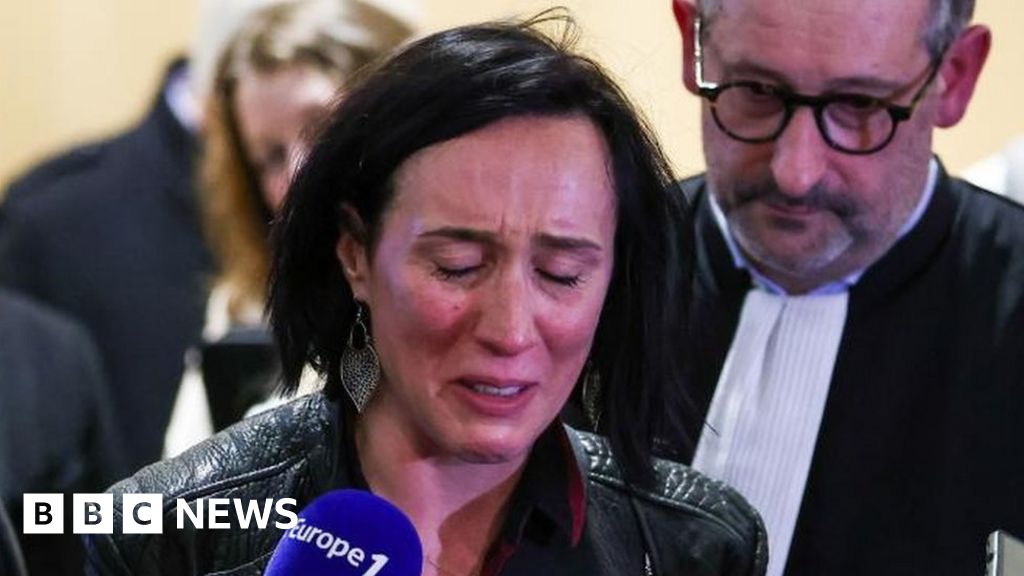
Air France and Airbus have been cleared of charges of involuntary manslaughter over the 2009 Rio-Paris crash that killed all 228 people on board. The court said that even if errors had been committed, a causal link between them and the crash could not be proved. Families of the victims reacted angrily to the acquittal, with one saying "our lost ones have died a second time". The companies had always denied the charges, for which they were facing a maximum fine of €225,000.
The National Transportation Safety Board (NTSB) has concluded that pilot error was the cause of the May 2021 plane crash that killed Christian diet guru Gwen Shamblin, her actor husband Joe Lara, and five others in Tennessee. The investigation ruled out mechanical problems, drugs, and alcohol. The pilot, Lara, may have experienced spatial disorientation and did not effectively use his instrumentation during takeoff and climb, according to the NTSB report. Lara was a certified pilot but struggled with instrument-only flights.
The National Transportation Safety Board (NTSB) has released its final report on the small plane crash that killed weight-loss guru Gwen Shamblin Lara, her husband, actor Joe Lara, and six others in Tennessee in March 2021. The report suggests that the crash was likely caused by pilot error, as Joe Lara became disoriented in heavy clouds and experienced spatial disorientation. The crash was not caused by any mechanical malfunctions or medical conditions. Witnesses reported seeing the plane enter a steep, descending left turn before crashing into Percy Priest Lake.
The National Transportation Safety Board (NTSB) has released its final report on the small plane crash that killed weight-loss guru Gwen Shamblin Lara and six others in Tennessee. The report suggests that the crash was caused by pilot error, as her husband, who was piloting the plane, became disoriented in heavy clouds. The maneuvering is consistent with a type of spatial disorientation called somatogravic illusion, and it likely caused the pilot to perceive that the airplane was pitching up even though it was actually in a continuous descent. The pilot was rated to fly with instruments only, but he struggled when forced to rely on instruments in low visibility and while using the plane’s autopilot.