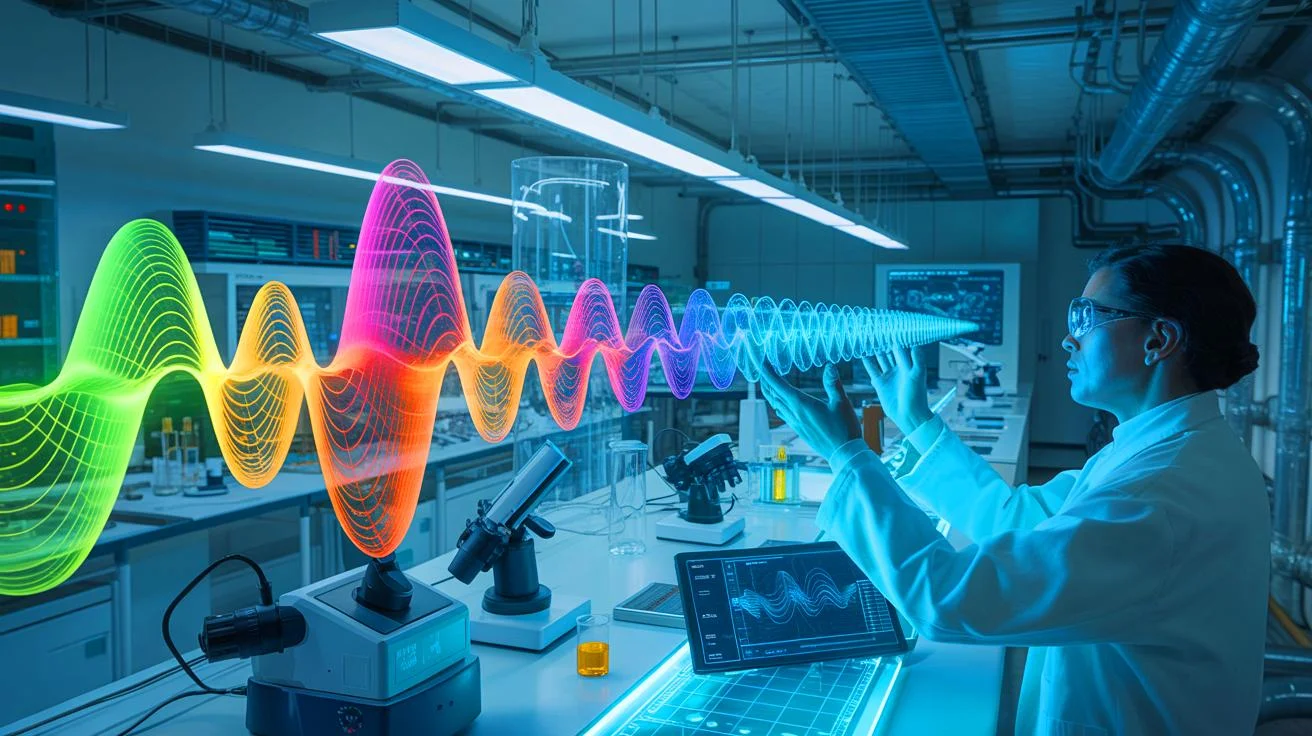
Researchers at CUNY have experimentally confirmed the existence of time reflections, a phenomenon where waves reverse their progression through time, potentially revolutionizing communications, radar, and quantum physics by challenging traditional understandings of wave behavior and symmetry in physics.
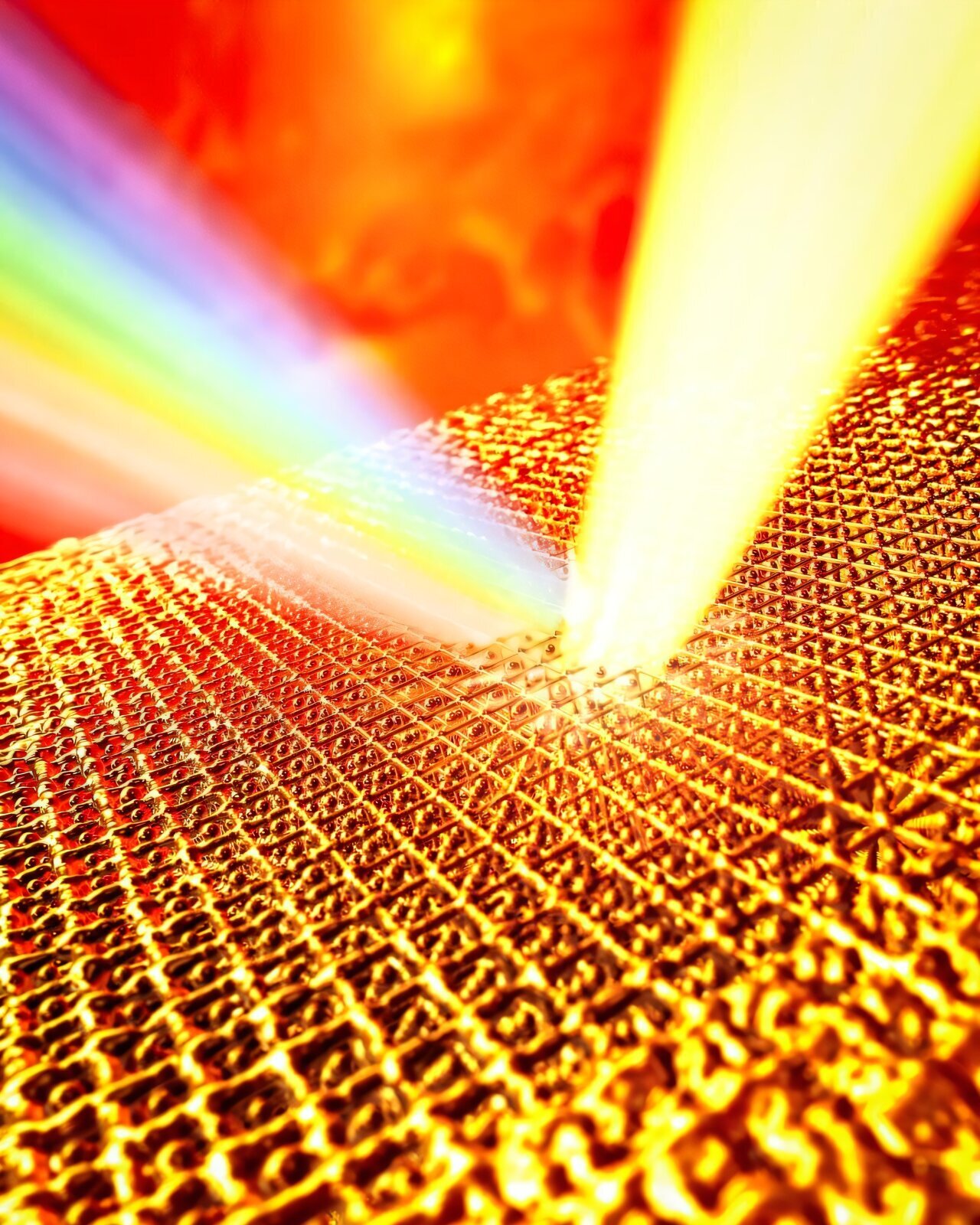
Researchers at SLAC have measured gold atoms at 19,000 Kelvin, surpassing previous theoretical limits without causing a catastrophe, challenging existing physics theories. Additionally, studies reveal distinct neural pathways for face recognition and gaze response, and a new gut-brain signaling pathway involving microbial proteins has been discovered, supporting the 'second brain' concept. Archaeological and biological research from the past week highlights significant advances across physics, neuroscience, and ancient history.
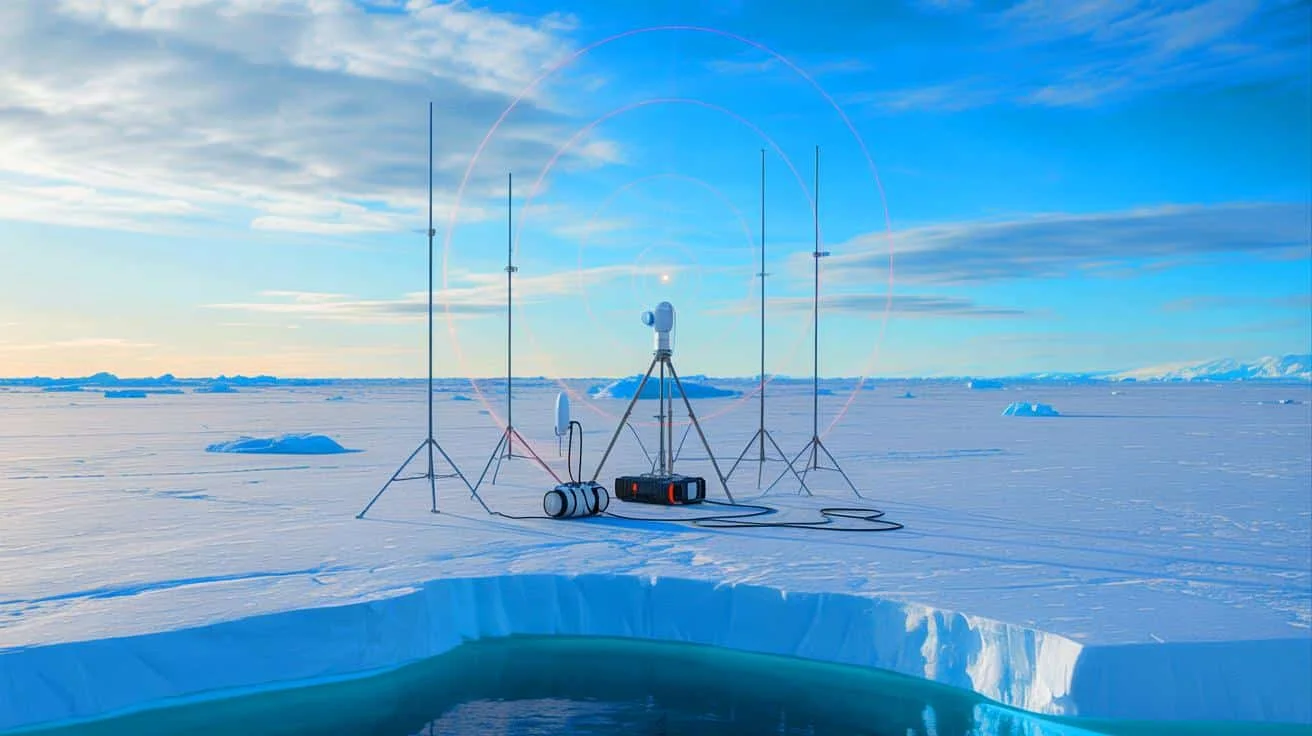
NASA scientists detected mysterious radio signals beneath Antarctic ice that challenge current physics, possibly indicating unknown particles or forces, prompting plans for further investigation with advanced experiments like PUEO.
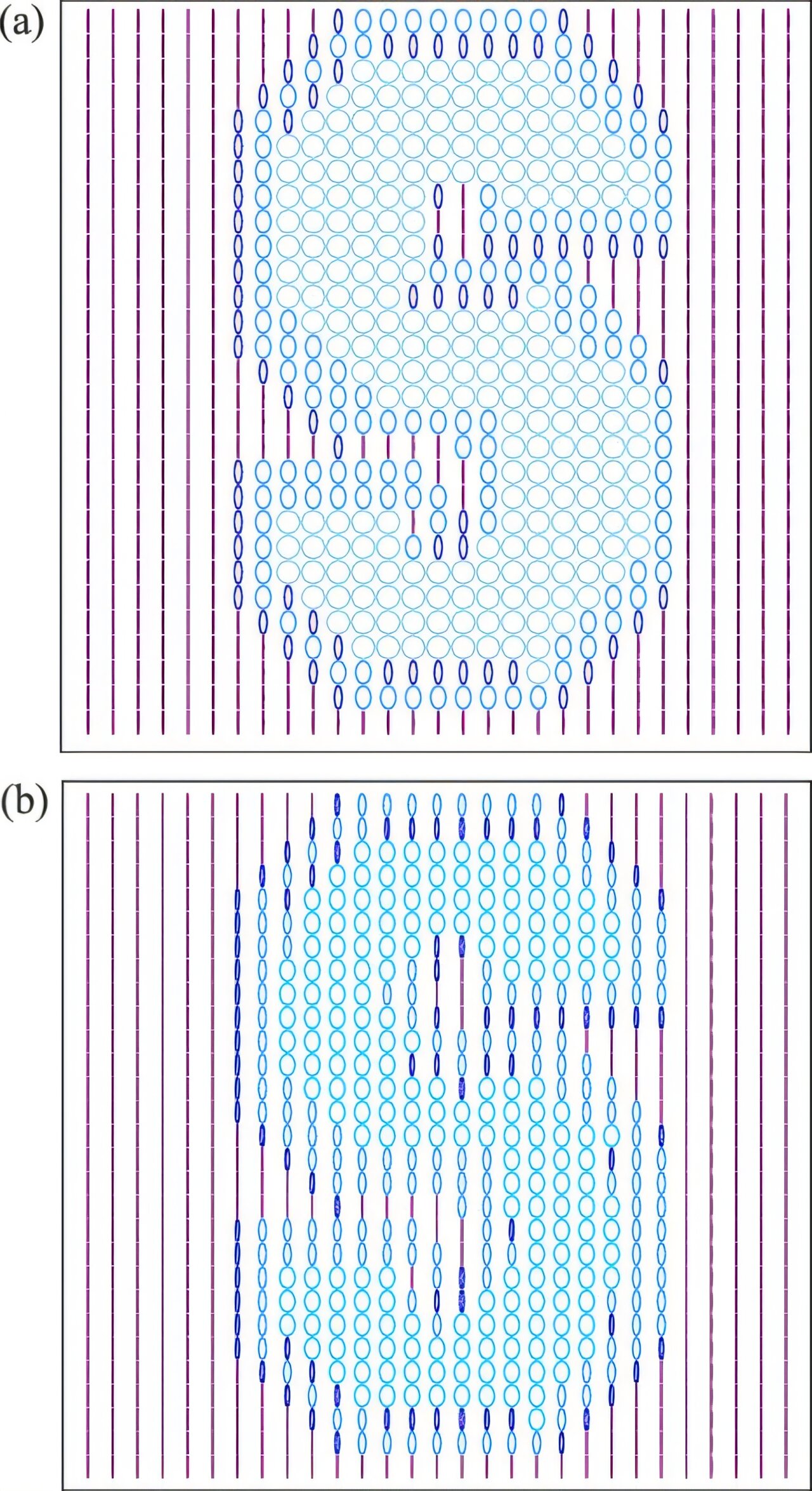
Researchers at Stevens Institute of Technology have developed a new formula that precisely quantifies the wave-ness and particle-ness of quantum objects, revealing their dual nature and enabling advanced applications in quantum imaging and computing. The formula incorporates coherence as a key variable, allowing for exact measurements and a better understanding of quantum behavior, with potential implications for quantum information technology.