Meta's upcoming update for its Ray-Ban smart glasses will introduce new artificial intelligence software that allows wearers to use the glasses to scan landmarks, translate languages, and identify objects such as animal breeds and fruits. The glasses, priced at $300 for frames and $17 for lenses, will respond to voice prompts such as "Hey, Meta, look and tell me what kind of dog this is." Reporters from The New York Times had early access to the update and tested the technology, finding it novel and quirky.
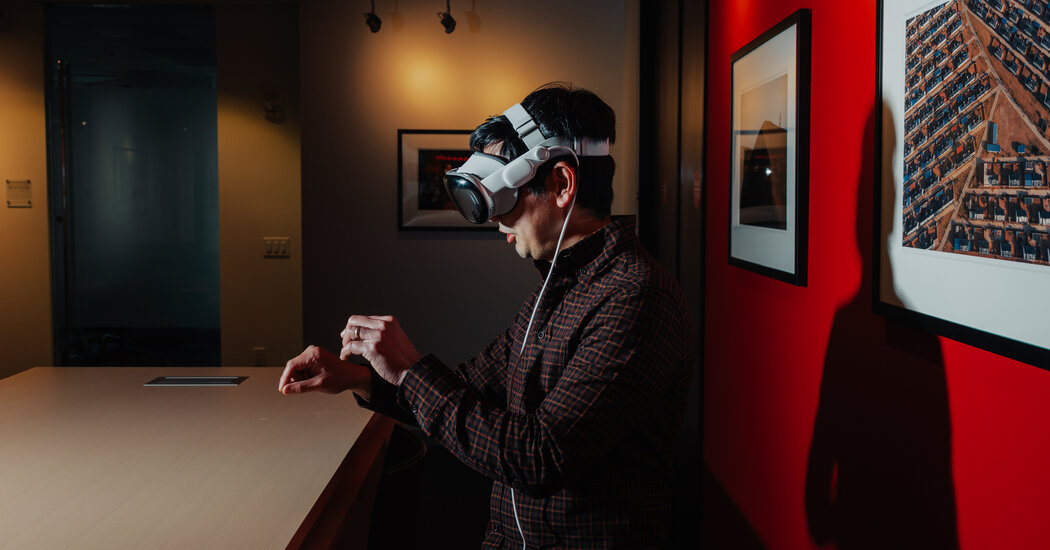
The Apple Vision Pro, a $3,500 virtual reality headset, has been reviewed as lacking polish and purpose, failing to replace a laptop for work and causing discomfort for the user. Despite being marketed as a versatile device for work, entertainment, and gaming, the columnist's experience with the product suggests that it may not provide significant value for users.
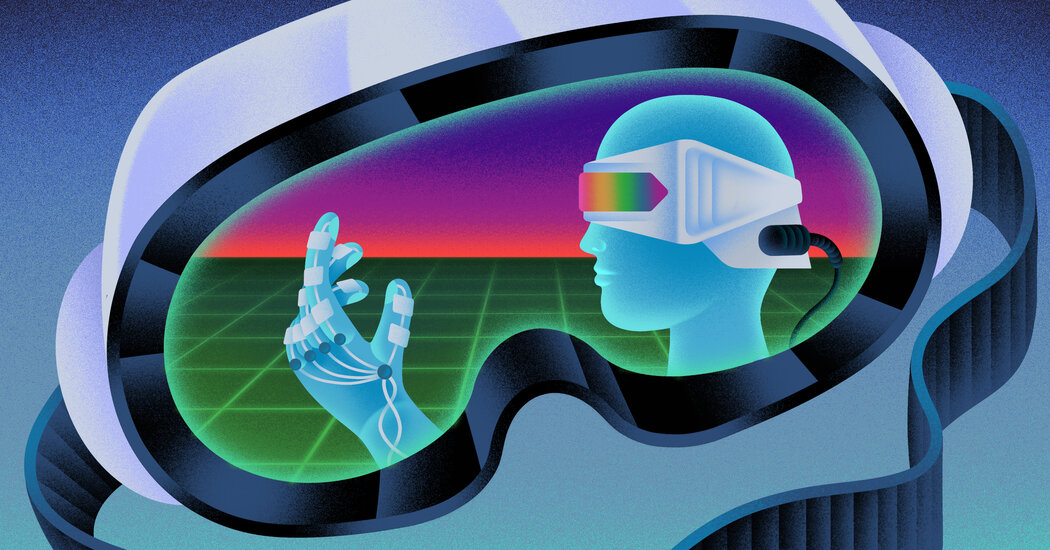
Apple is set to release its $3,500 Vision Pro, a face computer resembling ski goggles that promises to usher in an era of "spatial computing." However, the challenge lies in making such devices appealing to consumers, as past attempts by companies like Google, Meta, and Snap have struggled to gain traction due to people's reluctance to wear computers on their faces. Despite advancements in technology, the issue seems to be more about changing consumer behavior and sustaining developer interest in creating apps for these devices.
Despite the advancements in tech, there are still flaws that need fixing, such as the disparity between Apple and Android phones in text messaging technology, self-driving cars, and cryptocurrency. However, there were some notable improvements in 2023, including the introduction of a common power cable for charging gadgets, consumer-friendly software for foldable smartphones, and advancements in wireless phone service technology. As we enter 2024, it's important to address the tech that needs improvement and reflect on the solutions found in the previous year.
The increasing popularity of noise-canceling headphones and earbuds raises concerns about potential health risks, including hearing loss. Experts suggest that while these devices can provide relief from noisy environments, prolonged and excessive use may lead to long-term damage. It is important to strike a balance between enjoying the benefits of noise cancellation and protecting one's hearing by limiting usage and taking breaks.
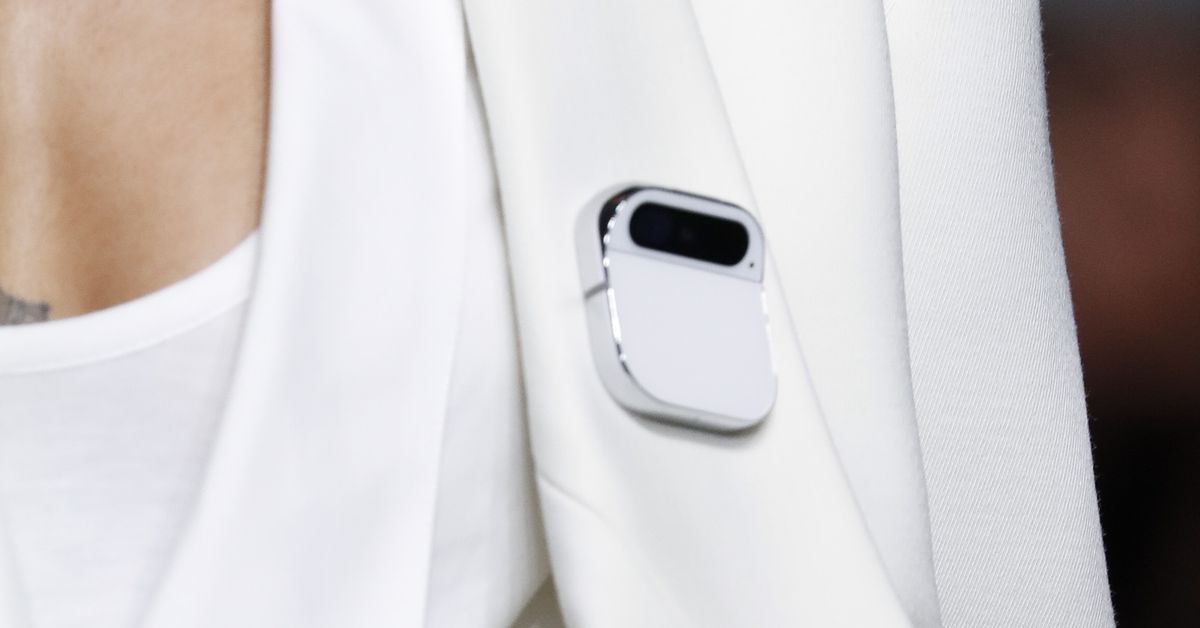
The Humane Ai Pin, a post-smartphone personal tech device, made its debut on the runway at Paris Fashion Week, pinned on the clothes of models during Coperni's showcase. The device, resembling a rounded-corner square, is still shrouded in mystery regarding its functionality and features. Questions about its self-containment, support for third-party apps, and general interaction remain unanswered. The Humane Ai Pin faces potential competition from Jony Ive and OpenAI.
With the introduction of new call-screening tools and voice memo features, it's time to embrace leaving voicemails again. These tools allow users to screen calls and leave voice messages, bringing back the nostalgia of the 90s.