
Revolutionizing Cell and Gene Therapies with Enhanced Gene Editing Techniques
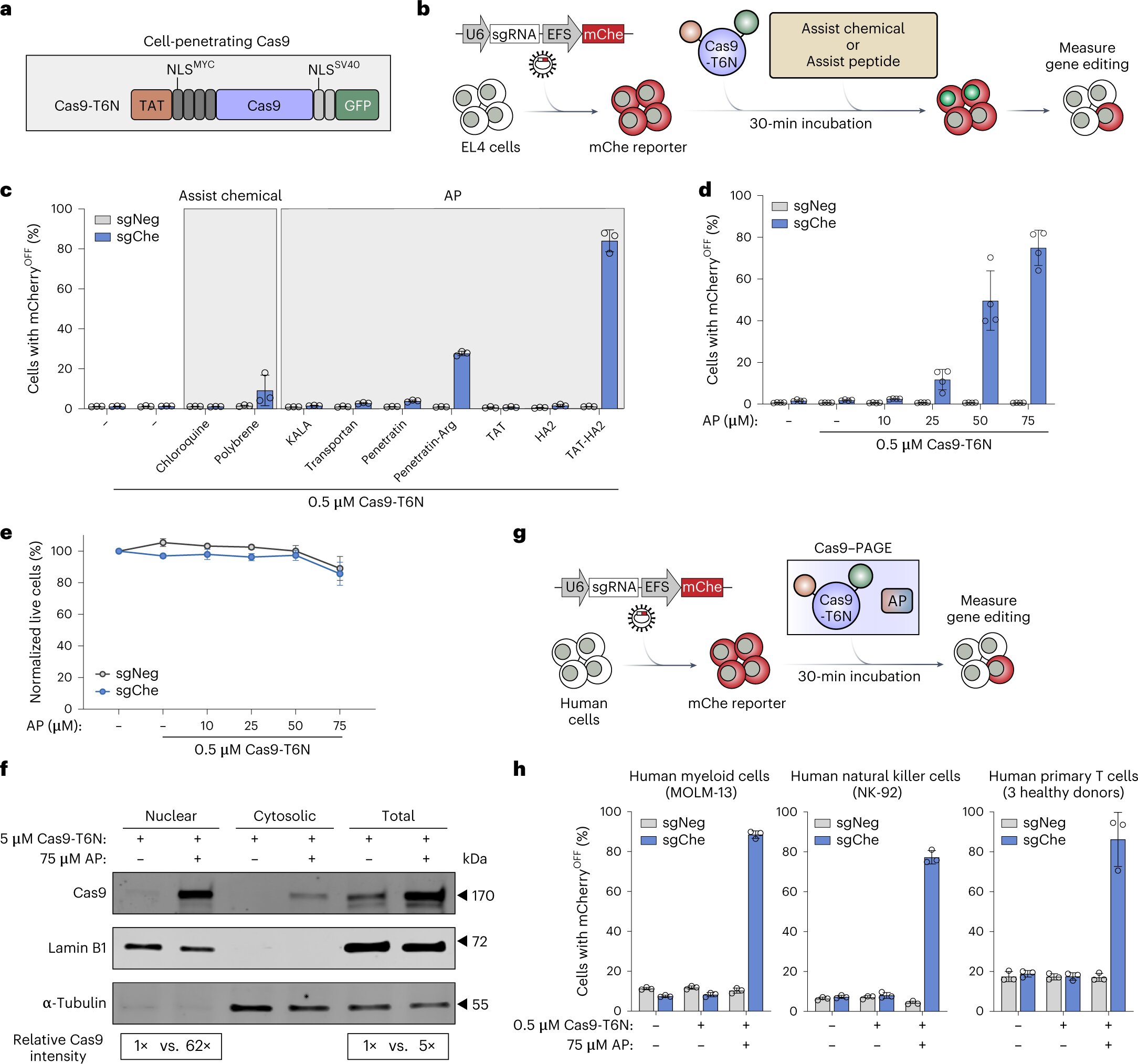
Researchers at the University of Pennsylvania have developed a new approach to genetic engineering that promises significant improvements in speed, efficiency, and reduction in cellular toxicity compared to current methods. The approach could power the development of advanced cell therapies for cancers and other diseases, particularly CAR T cell therapy. The new technique uses small, virus-derived protein fragments called peptides to get CRISPR-Cas gene editing molecules into cells and their DNA-containing nuclei with high efficiency and low cellular toxicity. The approach could also see wide application in basic scientific research.