The U.S. Department of Education announced immediate steps to implement key provisions of the One Big Beautiful Bill Act, aimed at simplifying federal student aid, increasing Pell Grant funding, and improving student loan repayment options, with further guidance to follow.
The 'One Big Beautiful Bill' signed into law by President Trump introduces significant changes to federal education policy, including a federal school voucher program, Medicaid and SNAP adjustments affecting school funding and student health services, modifications to federal student loans and Pell Grants, and increased taxes on college endowments, impacting students, schools, and colleges across the U.S.
The proposed 'Big Beautiful Bill' aims to tighten eligibility for Pell Grants by requiring full-time enrollment, potentially affecting hundreds of thousands of community college students who rely on these funds for their education, amid broader efforts to cut government spending and reduce student aid.
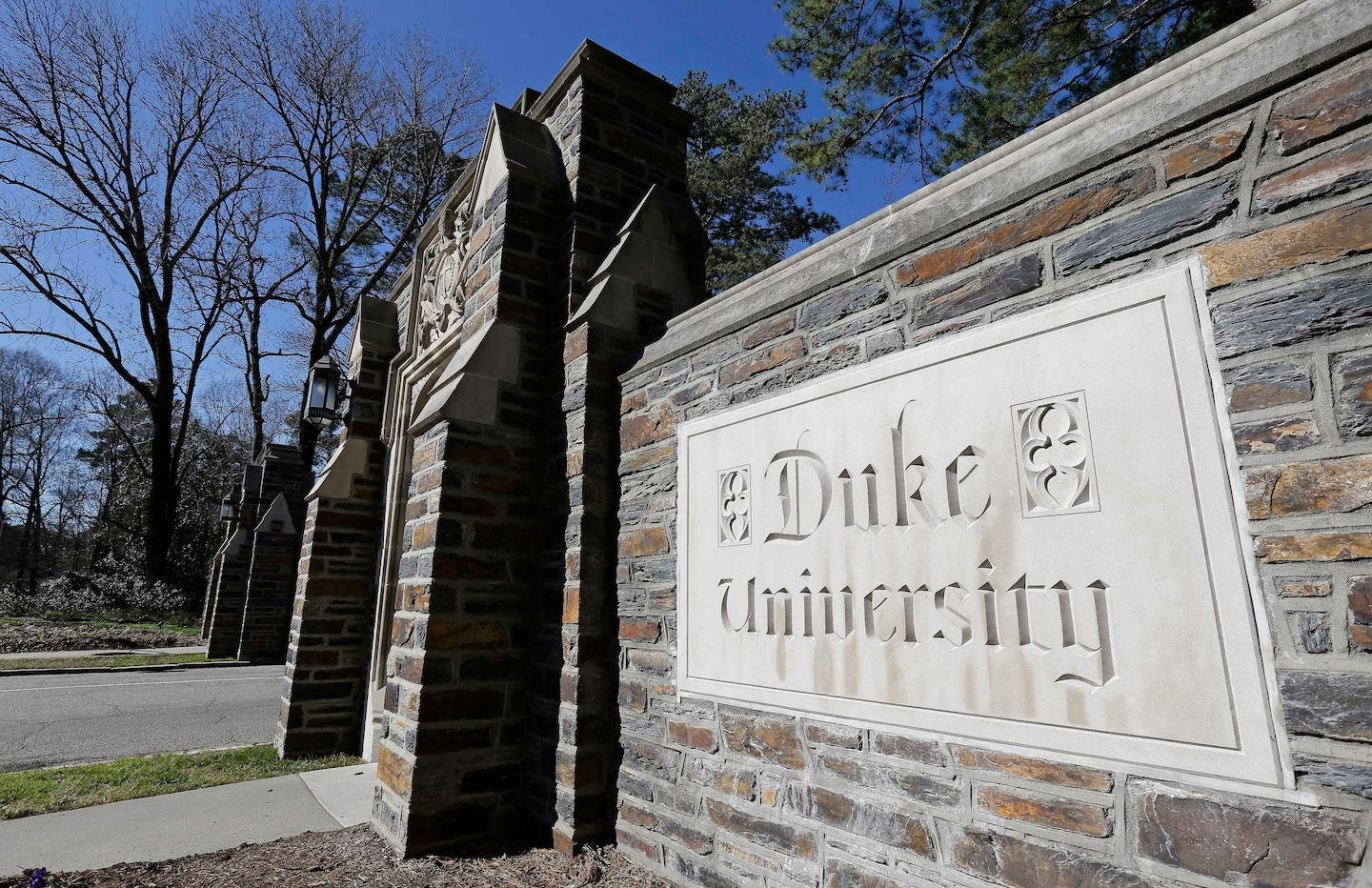
Duke University has received a record $100 million gift from the Duke Endowment to expand financial aid and increase socioeconomic diversity among its student body. The donation will help Duke attract students from a broader range of family backgrounds and build on the progress already made in increasing the share of freshmen receiving Pell grants. A portion of the gift will also be used to renovate an academic building named after one of the first African American undergraduates to enroll at Duke.
Thousands of prisoners across the United States will have the opportunity to receive free college education paid for by the government, thanks to the expansion of the federal Pell Grant program. The new rules, which overturn a 1994 ban on Pell Grants for prisoners, aim to address the mass incarceration and racial disparities in the prison population. College degrees obtained by prisoners can significantly increase their chances of finding employment and successfully reintegrating into society upon release. While there are concerns about racial imbalances and limited resources within prisons, advocates believe that providing education to incarcerated individuals can lead to redemption, rehabilitation, and reduced recidivism rates.