The article discusses the complex issue of patients refusing cancer treatment, highlighting the importance of respecting patient choices, understanding their perspectives, and addressing systemic issues in healthcare that influence decision-making.
The article narrates the story of Betsy Lewis, a woman with advanced lung cancer who chooses to stop treatment to maintain her quality of life, illustrating the importance of patient autonomy and the complex decisions surrounding end-of-life care in cancer treatment.
Despite advancements in breast cancer treatments, an increasing number of patients are choosing to reject conventional therapies in favor of holistic or alternative approaches, driven by distrust in medical systems, personal stories, and a desire for control, which can impact their prognosis and treatment outcomes.
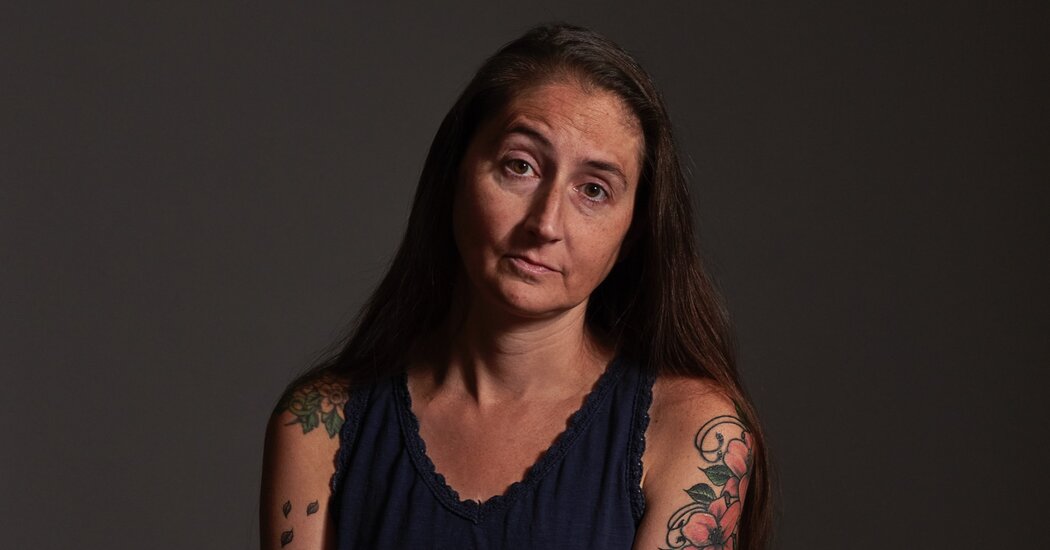
An in-depth look at the debate surrounding the use of palliative care for anorexia patients who no longer wish to continue treatment, with some psychologists advocating for a shift towards relieving suffering rather than pursuing treatment against the patient's will. The article explores the case of a patient named Naomi and the arguments for and against this approach, including concerns about medical futility, patient autonomy, and the potential impact on diagnoses and recovery.
The article explores the controversial concept of palliative psychiatry for patients with chronic anorexia nervosa who have not responded to traditional treatments. It follows the story of Naomi, a 42-year-old woman who, after decades of unsuccessful treatments for her anorexia, is considering a palliative approach that would allow her to stop active treatment. This raises ethical questions about patient autonomy and the role of doctors in treating chronic mental illness. Some experts argue for respecting a mentally competent patient's decision to cease treatment, while others worry about the implications of allowing a patient to potentially succumb to their mental illness. The debate highlights the tension between hope and realism in psychiatric care and the need for compassionate approaches to complex cases.
A doctor reflects on her experience with a young cancer patient who refused curative treatment, only to discover after the patient's death that her decision was driven by a deep desire to protect her family. The doctor grapples with feelings of guilt and self-doubt, questioning whether she could have better understood and supported the patient's beliefs. The article highlights the importance of open communication and understanding between doctors and patients, particularly when it comes to treatment decisions based on personal values.