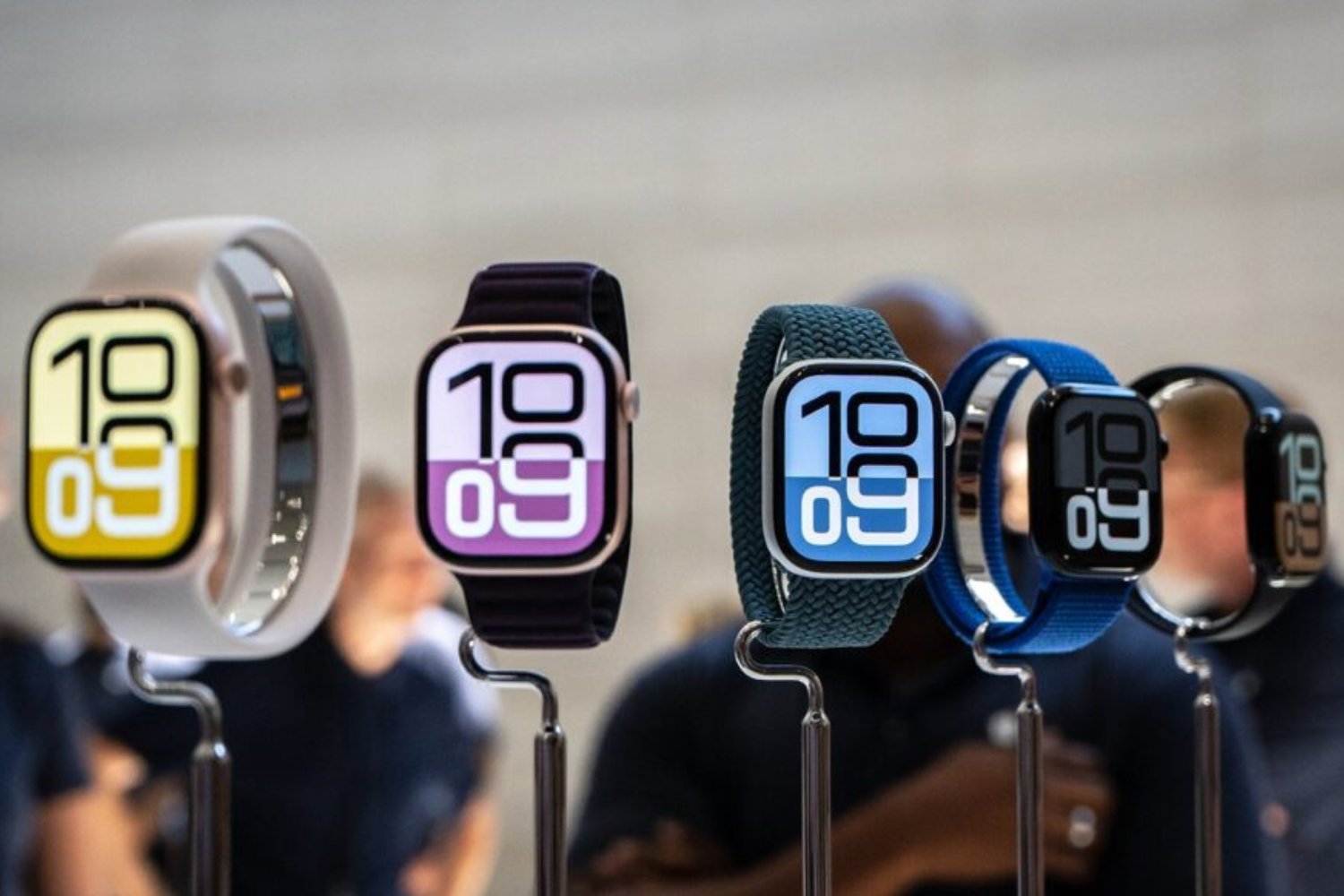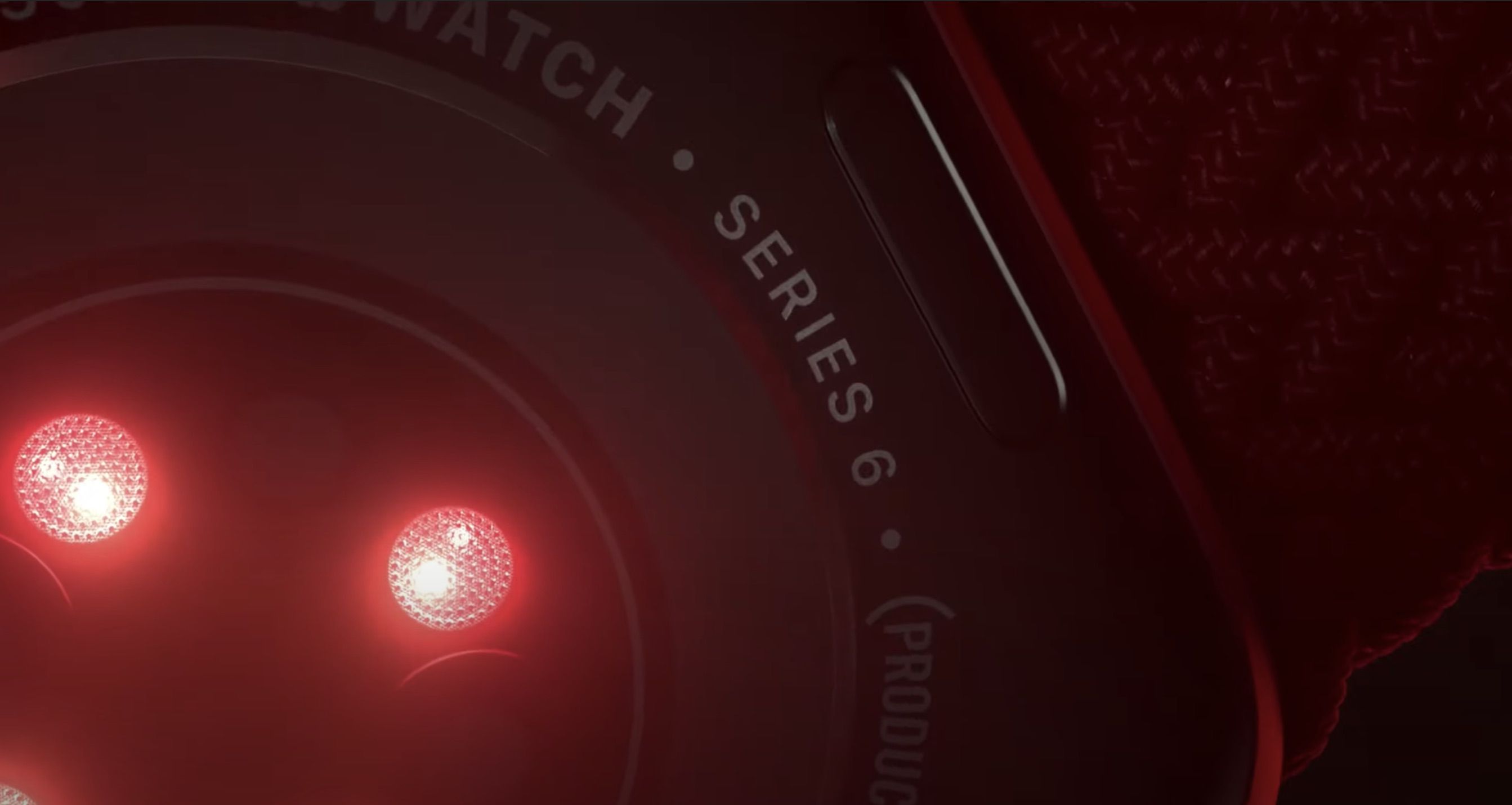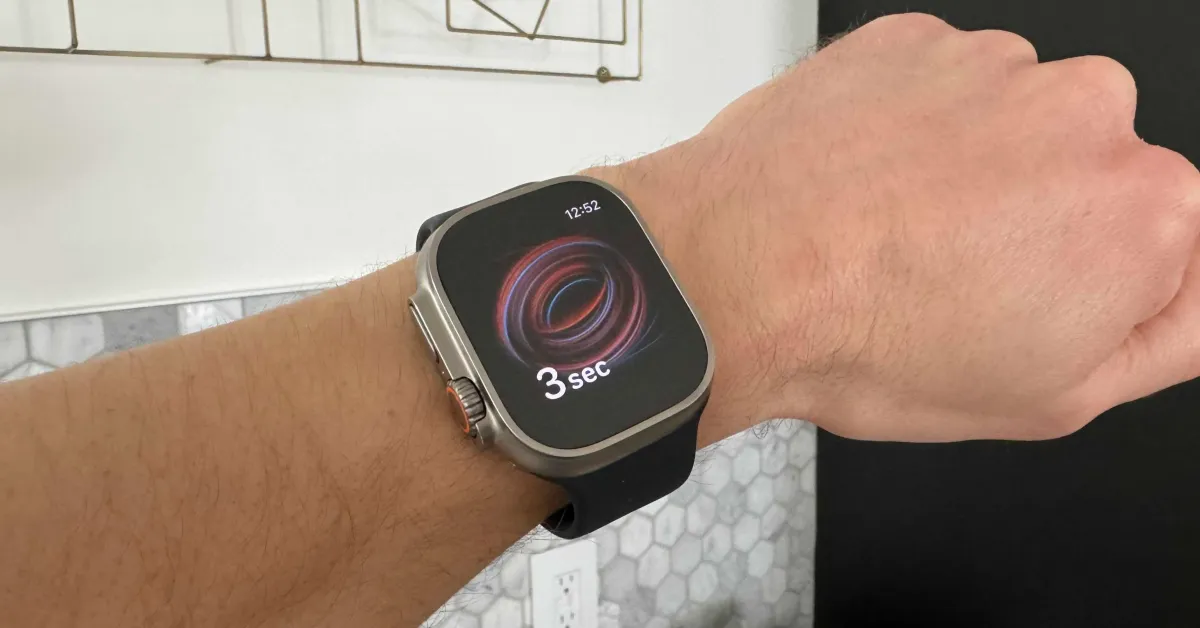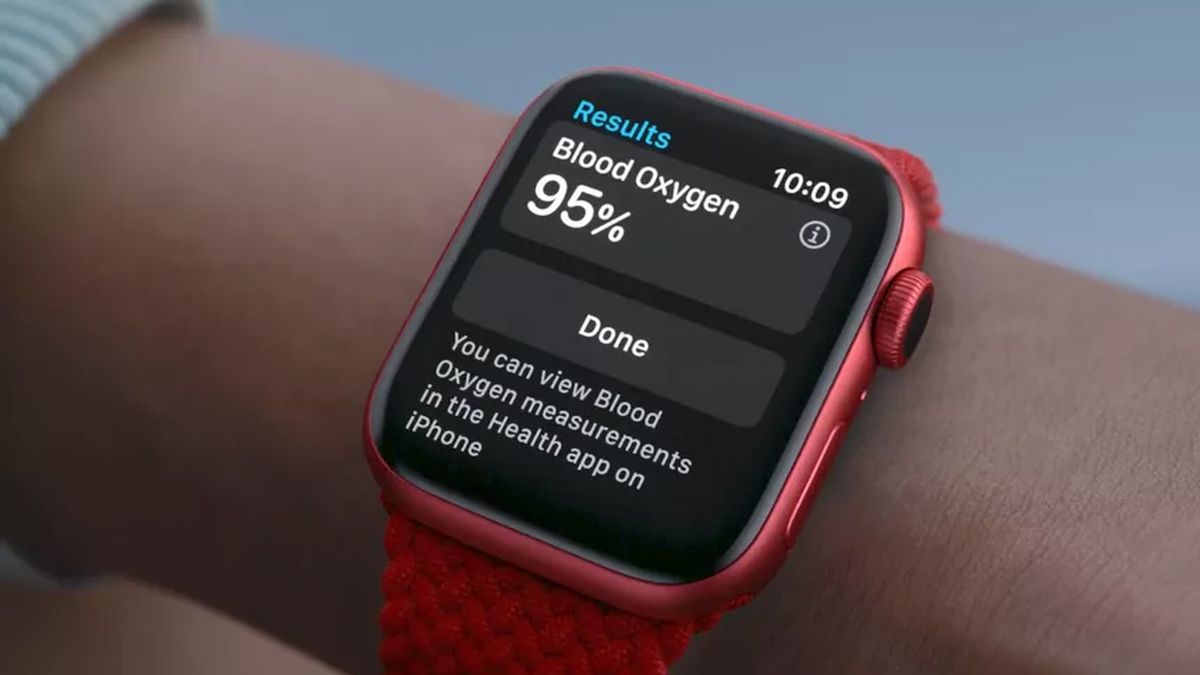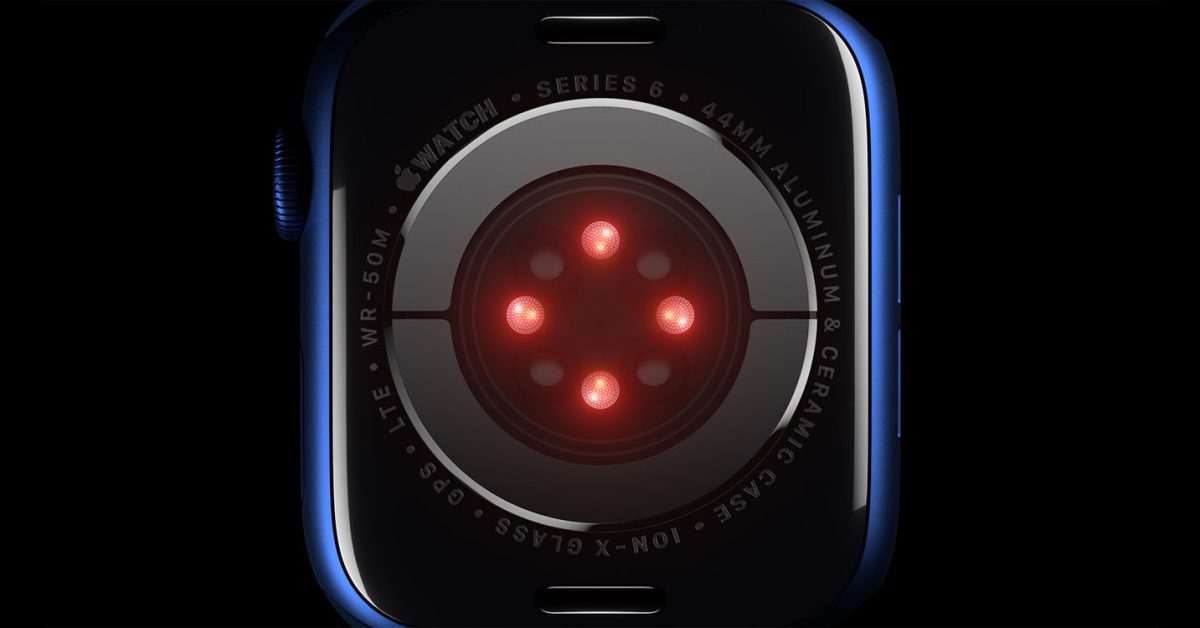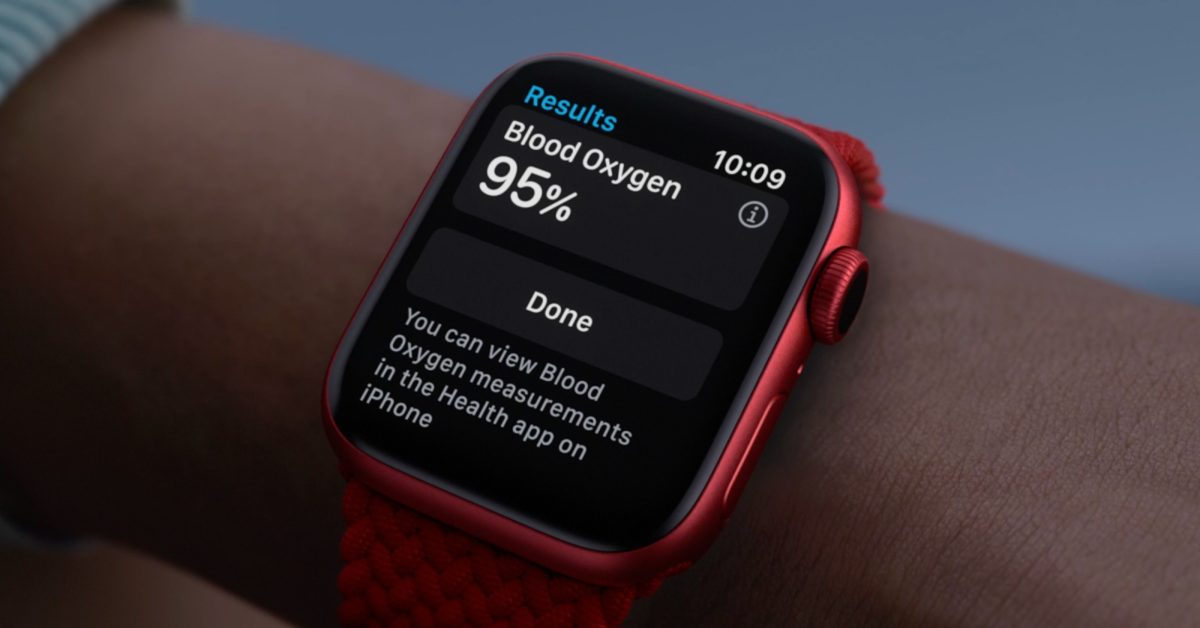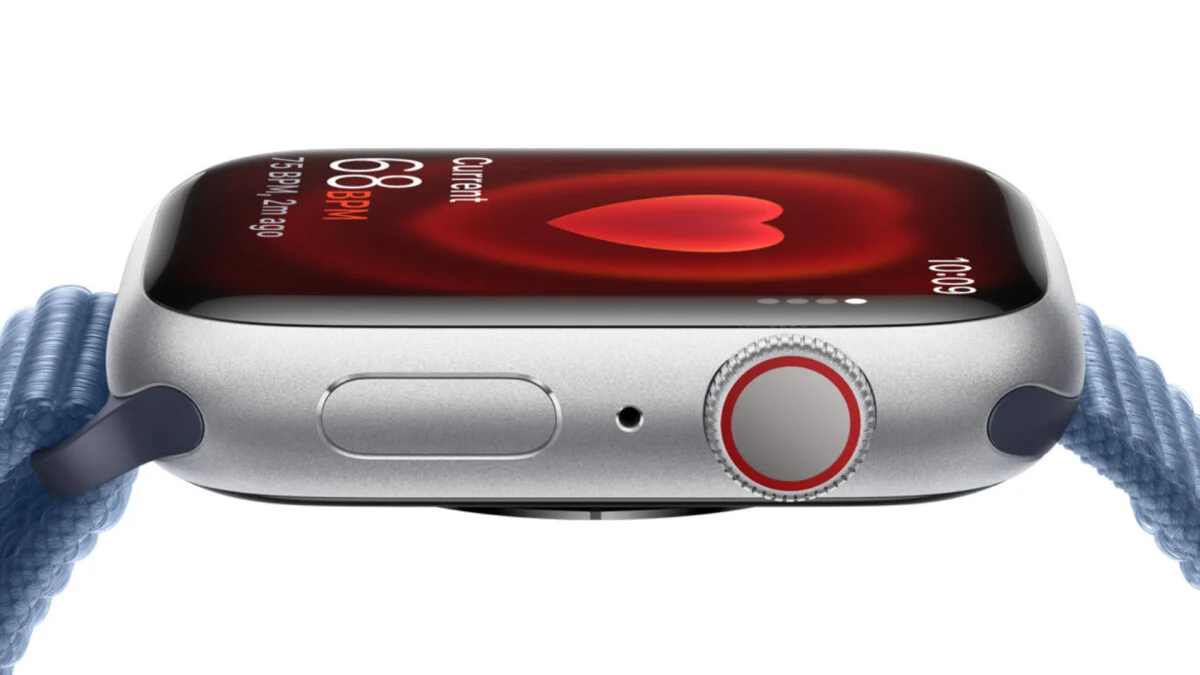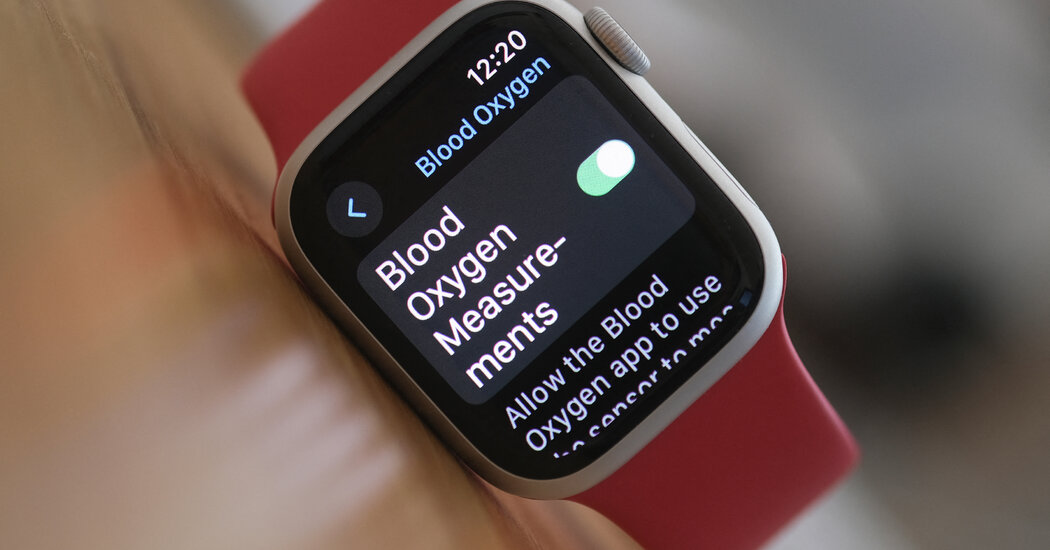
Apple will restore blood oxygen measurement features to some of its Apple Watch models in the U.S. via a software update after U.S. Customs approved a revised technology following a patent dispute with Masimo, which had previously led to the removal of the feature in 2024.
Apple is restoring the blood oxygen sensing feature to certain US-based Apple Watch Series 9, 10, and Ultra Watch 2 models via a software update, following a legal dispute with Masimo and a redesign of the feature. Users need to update their devices and paired iPhones to access this health feature, which is significant for fitness and health monitoring, especially amid increased health awareness during the pandemic.
Apple Watch models in the U.S. will regain blood oxygen tracking via a software update following a patent dispute with Masimo, with the feature now measured on the iPhone and available on Series 9, Series 10, and Ultra 2 models, just ahead of new product launches.
Apple is appealing a US import ban on its Apple Watch models with blood oxygen monitoring, arguing the ban was based on a patent dispute involving an undeveloped product, and has temporarily disabled this feature on recent models in the US while international versions retain full functionality. The case is ongoing, with a decision expected later this year.
Apple is appealing a U.S. court ruling that banned the sale of certain Apple Watch models with blood-oxygen sensors due to patent infringement claims by Masimo, arguing that the ban unjustly deprives users of a feature and questioning the basis of the patent dispute related to prototypes versus finished products.
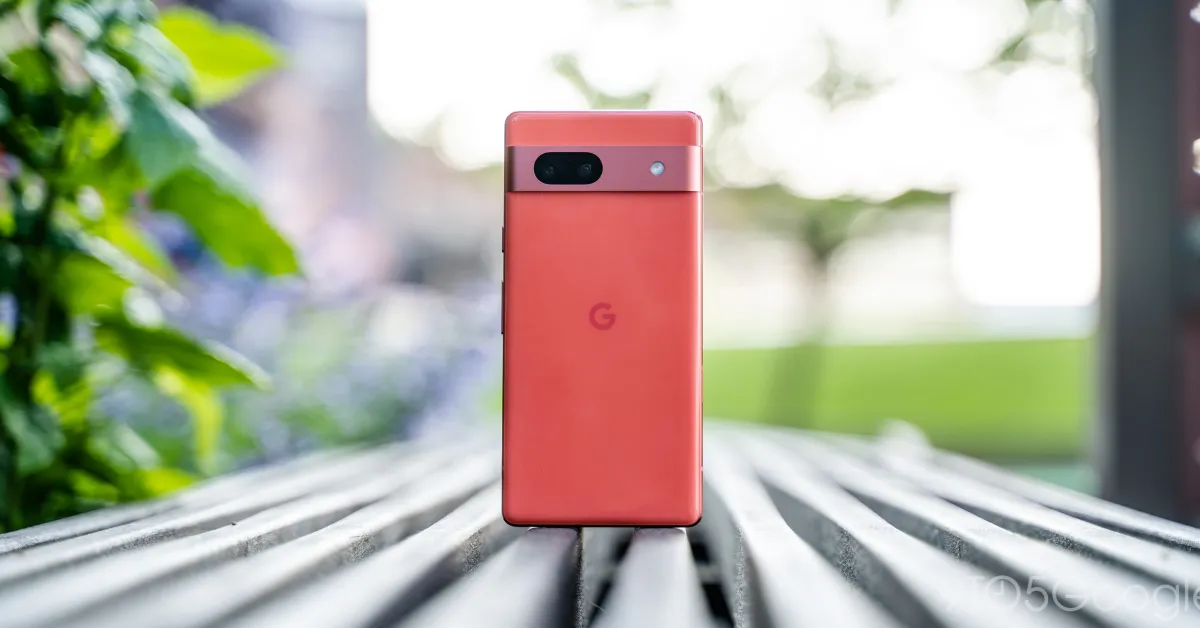
A Japanese court has banned Google from selling certain Pixel phones, including the Pixel 7 series, due to patent infringement related to signal mapping technology. The dispute involves Pantech, which is seeking bans on newer Pixel models as well. While the current ban may have limited impact, further restrictions could affect Google's sales in Japan, a key market for Pixel devices.
Samsung has filed a lawsuit against Oura to preemptively block potential patent infringement claims over its upcoming Galaxy Ring. The lawsuit accuses Oura of aggressive IP protection tactics and aims to prevent the Finnish startup from suing Samsung, similar to its actions against smaller competitors. The Galaxy Ring is expected to launch in the US around August 2024.
The U.S. Supreme Court has declined to review a lower court's decision to overturn a $502.8 million jury verdict in favor of VirnetX against Apple in a patent dispute over internet-security patents. The dispute, which has spanned 14 years, involved challenges to the validity of VirnetX's patents by the U.S. Patent and Trademark Office's Patent Trial and Appeal Board. The board's decisions to invalidate the patents were upheld by the U.S. Court of Appeals for the Federal Circuit, prompting VirnetX to appeal to the Supreme Court. Apple and the Biden administration opposed VirnetX's appeal, arguing that it lacked support under federal law.
Apple CEO Tim Cook reassures customers that there are still plenty of reasons to buy the Apple Watch Series 9 despite the disabled blood oxygen sensor, citing its other features. However, the ongoing patent dispute with Masimo means there's no end in sight for the ban, potentially affecting the watch's appeal. While Apple is focused on appeal, third-party retailers like Amazon and Best Buy can still sell existing stock with the feature.
After a patent dispute with Masimo, Apple had to remove the blood oxygen feature from the Apple Watch Series 9 and Ultra 2 models sold in the US. This was achieved through a remote update that disabled the feature for new models with a specific identifier. Despite ongoing legal battles, existing Apple Watch users in the US will not be affected. Masimo's CEO has criticized the reliability of the blood oxygen feature and suggested that users may be better off without it.
Masimo CEO Joe Kiani criticized Apple for offering an unreliable blood oxygen feature on the Apple Watch, leading to a patent dispute and a US court ruling that forced Apple to stop selling certain models. Apple has disabled the blood oxygen feature on the affected models to comply with the ban, while asserting that the feature is reliable and can save lives. Studies have shown that the Apple Watch's blood oxygen monitoring results are fairly accurate and similar to those of other devices, but the dispute between Masimo and Apple is expected to continue.
Apple has removed the blood oxygen monitoring feature from the Apple Watch Series 9 and Ultra 2 in the U.S. due to a patent dispute with medical tech company Masimo. The feature has been removed from the devices and is non-functional, but it still works for existing users. However, the feature should continue to work on Apple Watch models sold outside the U.S. Apple has appealed the court's decision, leaving open the possibility of the feature being re-introduced in the future.
Apple has been dealt a legal blow in its patent dispute with Masimo Corp, as the US Court of Appeals for the Federal Circuit has declined to grant the company a longer pause on an import ban of its Series 9 and Ultra 2 smartwatches with a blood oxygen feature. This means Apple must stop selling the watches with the oxygen measurement feature while an appeal of the ban plays out, which the company believes could last a year or more.
Apple has reportedly started shipping new Watch Series 9 and Ultra 2 models without the blood oxygen sensor functionality that led to a patent dispute, indicating a software change rather than a hardware one. The company is likely preparing for a potential import ban by US Customs and Border Protection, with a court decision on the appeal expected soon. Current users of the affected watches may not be impacted immediately, but it's advisable to stay informed about any upcoming Apple updates that could potentially affect the functionality of the blood oxygen sensor.
Apple plans to remove blood-oxygen sensors from some of its smartwatches to avoid a U.S. ban resulting from a patent dispute with Masimo Corp. The move comes after U.S. Customs and Border Protection approved Apple's redesign, allowing the company to keep its watches on the market. In December, Apple temporarily halted the sale of certain smartwatch models after the U.S. International Trade Commission found that they violated Masimo's patent. Both companies have accused each other of patent infringement, with the dispute centered around blood-oxygen tracking technology.