Danaher will acquire Masimo for $9.9 billion, paying $180 per share and a 38.3% premium to Masimo's last close, to broaden its diagnostics portfolio with Masimo's non-invasive monitoring devices; the deal is expected to close by the second half of 2026, Masimo shares jumped while Danaher's fell on the news.
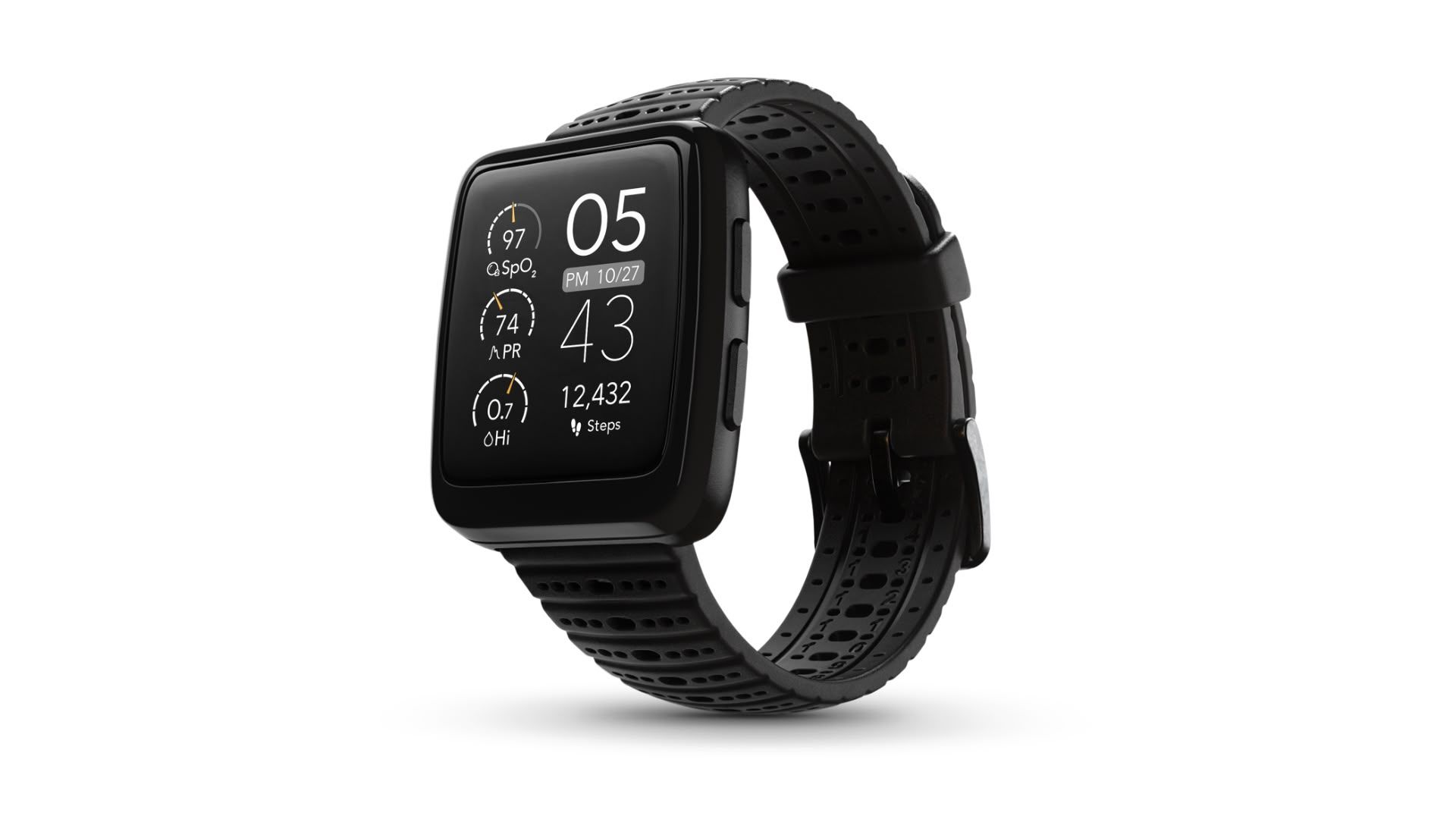
Danaher will acquire Masimo for $180 per share in cash, valuing the deal at about $9.9 billion. The boards have approved the transaction, Masimo will become a standalone business unit and brand within Danaher’s Diagnostics segment, and the deal is expected to close in the second half of 2026 subject to regulatory approvals and other customary closing conditions.
Danaher announced a definitive agreement to acquire Masimo for $180 per share in cash, valuing Masimo at about $9.9 billion including debt and net cash. The deal, which translates to roughly 18x 2027 EBITDA (or 15x with expected synergies), would make Masimo a standalone operating company within Danaher’s Diagnostics segment. Masimo is expected to be accretive to adjusted diluted EPS by $0.15–$0.20 in the first full year and about $0.70 in year five, with long-term high-single-digit core revenue growth and over $530 million in EBITDA in 2027. Danaher also expects more than $125 million of annual cost synergies and over $50 million of annual revenue synergies by the fifth full year post-close. The transaction is targeted to close in the second half of 2026, subject to regulatory approvals, Masimo shareholder approval, and other customary conditions; financing will come from cash on hand and debt. Advisors named include Citi and Goldman Sachs for Danaher, with Kirkland & Ellis as legal counsel.
Danaher is closing in on a roughly $10 billion deal to acquire Masimo, a leading medical-device maker, signaling a major expansion of its health-technology portfolio.
Medical tech company Masimo is suing US Customs and Border Protection to challenge the decision allowing Apple to restore blood oxygen tracking on Apple Watches, claiming the agency failed to notify Masimo of the reversal of import restrictions and alleging patent infringement by Apple.
Masimo has filed a lawsuit against US Customs and Border Protection, alleging they overstepped their authority by reversing a decision that allowed Apple to reintroduce the Blood Oxygen feature on the Apple Watch, which Masimo claims infringes on its patents. The company seeks a court order to reinstate the original ruling and prevent the feature's reintroduction via software updates.
Masimo has sued US Customs and Border Protection, claiming it unlawfully reversed a decision that allowed Apple to restore a blood-oxygen monitoring feature on Apple Watches, which Masimo alleges infringes its patents. The company seeks to block the enforcement of CBP's recent ruling and restore the original decision that restricted imports of Apple Watches with the feature enabled, arguing the reversal was unlawful and violated procedural policies.
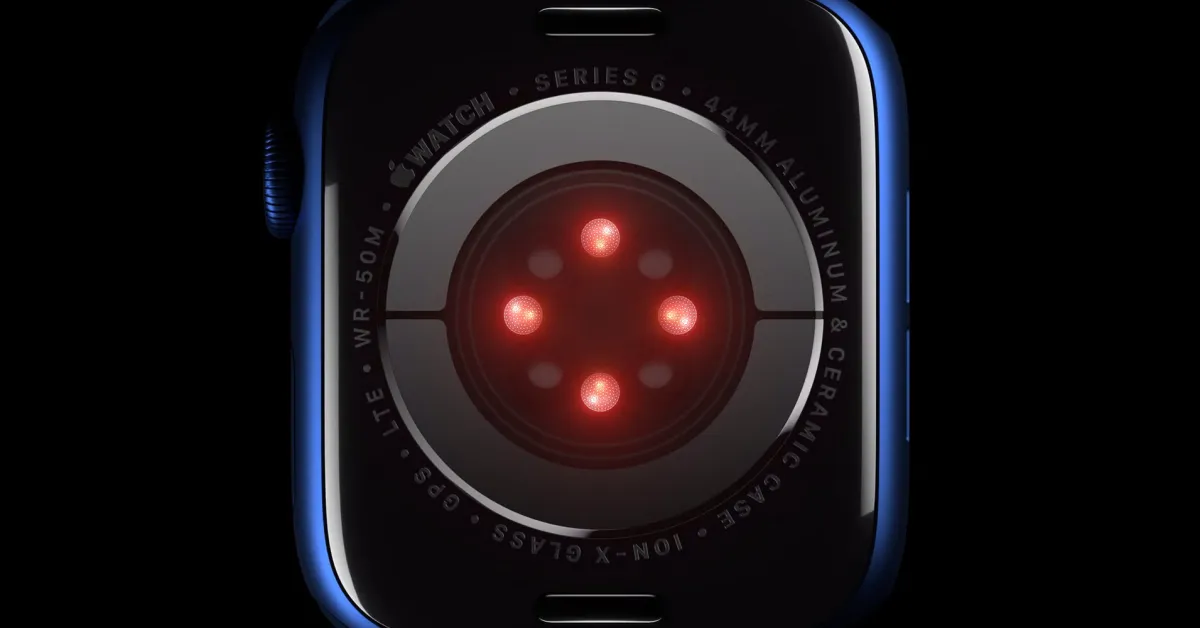
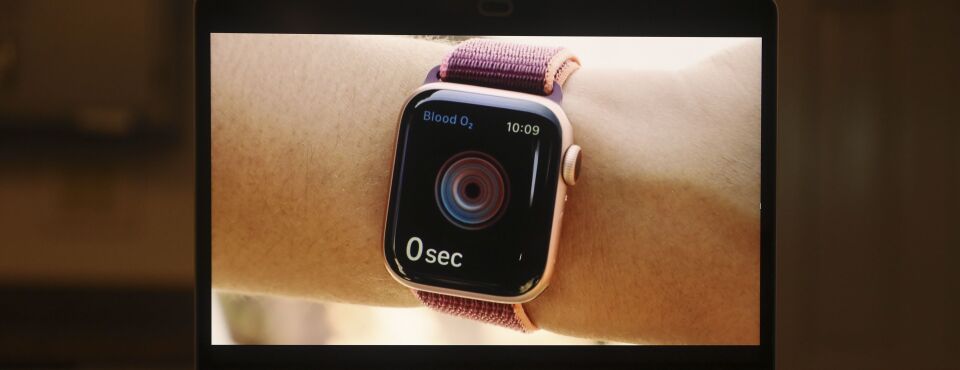
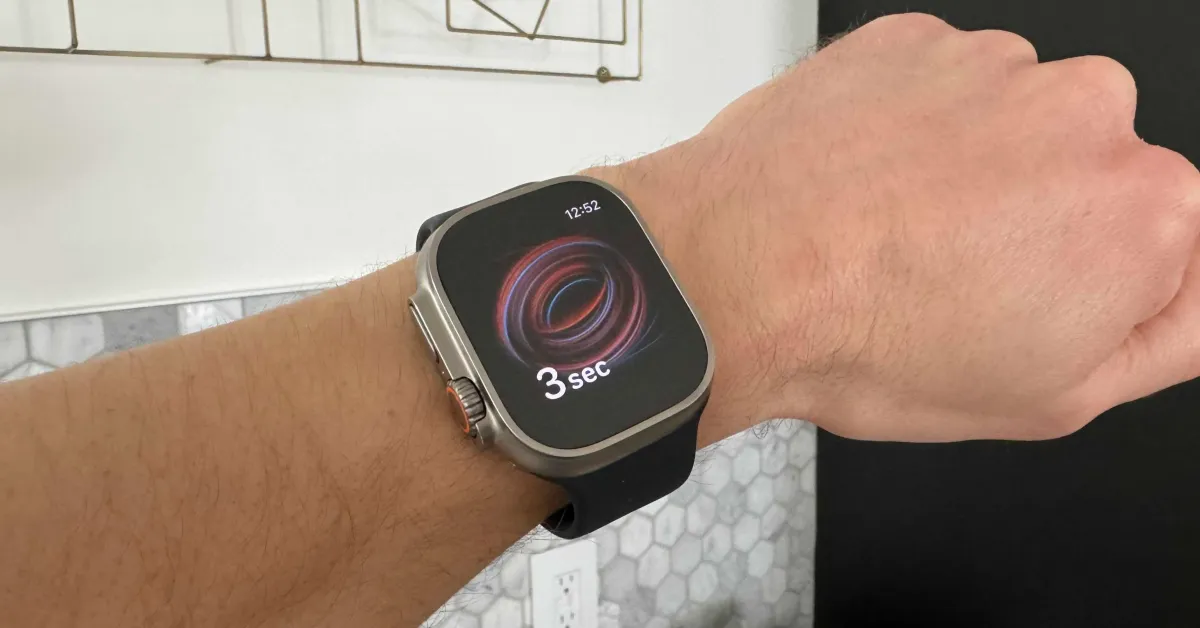
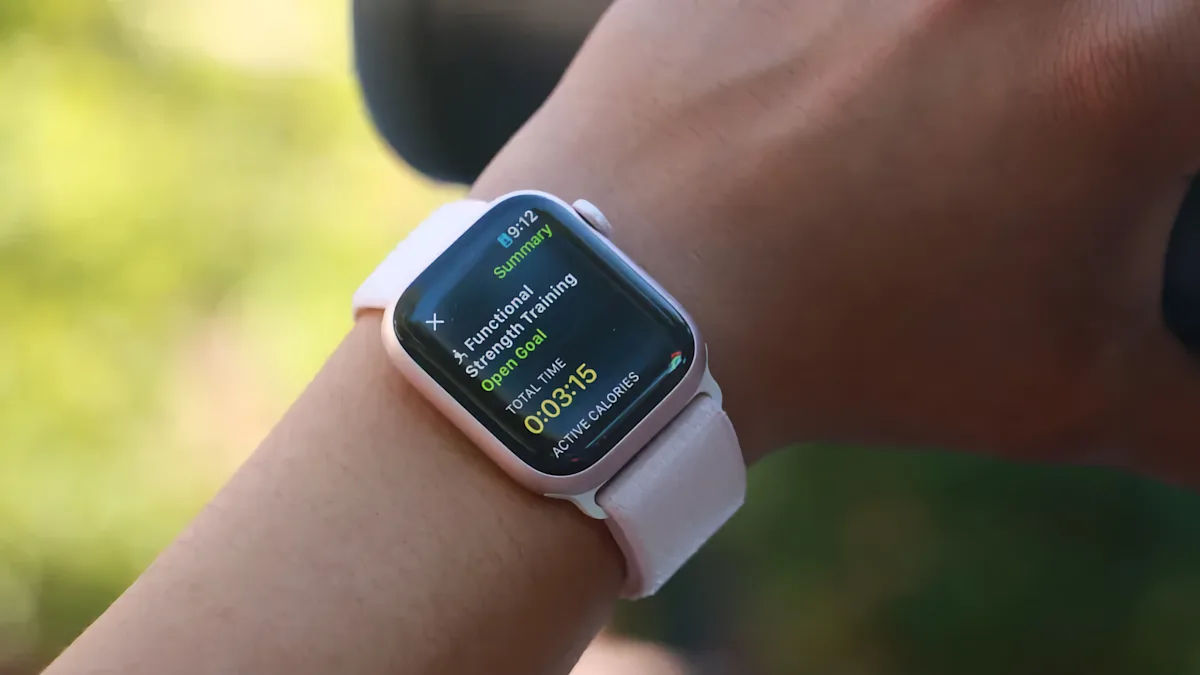
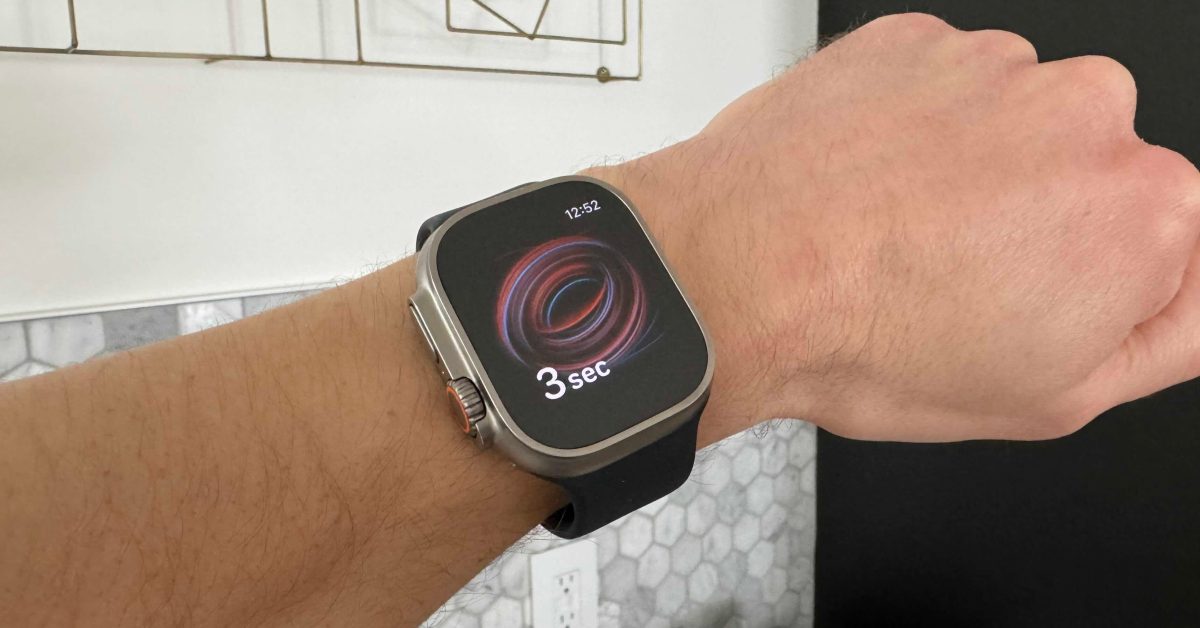
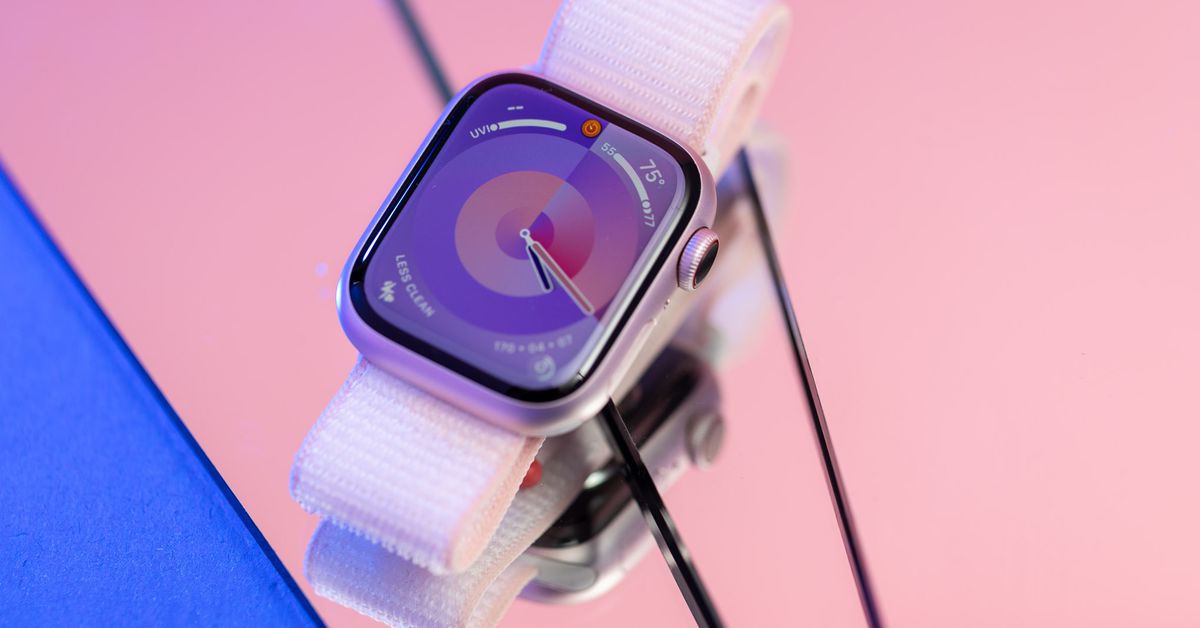
Apple Watch models in the U.S. will regain blood oxygen tracking via a software update following a patent dispute with Masimo, with the feature now measured on the iPhone and available on Series 9, Series 10, and Ultra 2 models, just ahead of new product launches.
Apple is appealing a U.S. court ruling that banned the sale of certain Apple Watch models with blood-oxygen sensors due to patent infringement claims by Masimo, arguing that the ban unjustly deprives users of a feature and questioning the basis of the patent dispute related to prototypes versus finished products.
Apple is appealing a trade ban that forced it to remove the blood oxygen sensor from its Apple Watch due to patent disputes with Masimo, with ongoing legal battles over the sensor's legality and potential reintroduction in future models.
Apple and Masimo are engaged in a legal battle over alleged trade secret theft and patent infringement related to the Apple Watch's blood oxygen sensing feature. Masimo accuses Apple of poaching employees and stealing technology, seeking an injunction rather than monetary damages. Despite an ITC ruling against Apple, which led to disabling the feature in U.S. sales, Apple continues to appeal. Masimo's legal efforts have yet to significantly impact Apple's business.
The Apple Watch Series 9 and Ultra 2 are facing an ITC situation due to patent infringement, resulting in a ban on their sale in the United States. Apple is still selling the devices with the blood oxygen features disabled, and third-party retailers continue to offer them with the features intact. The ITC's decision has led to a series of legal maneuvers and appeals from Apple, including a redesign and a software update to address the issue. The situation remains ongoing, with the US appeals court temporarily halting the ban, while the Biden administration upholds the ITC's ruling.
Apple has filed a 916-page appeal to the Federal Circuit over the ban on sales of Apple Watch Series 9 and Ultra 2, which was imposed by the International Trade Commission due to patent infringement claims by medical device-maker Masimo. Apple's appeal argues that Masimo lacked an actual smartwatch and domestic industry at the time of the complaint, and questions the jurisdiction of the ITC. The appeal raises concerns about the potential implications of the decision and highlights the ongoing legal battles between tech companies and the ITC.
Activist investor Politan Capital, a 9% shareholder in health-tech company Masimo, is planning a second proxy fight to nominate two directors to the board following Masimo's announcement of a potential spinoff of its audio unit. The move comes after the activist's first proxy fight, which resulted in two board seats. Politan's nominees are former Agilent executive Darlene Solomon and former Stryker CFO Bill Jellison, and if successful, the investor would control four of the company's six board seats. Masimo's CEO, Joe Kiani, has been accused of rebuffing the activist's efforts and refusing to provide basic information, leading to the intensification of the proxy fight.
Jailbreaking an iPhone can re-enable blood oxygen measurement on an Apple Watch, revealing the ongoing court battle between Apple and health tech company Masimo. The feature was initially disabled despite the Apple Watch's capability to measure blood oxygen. Masimo accused Apple of stealing its technology, leading to a lawsuit and import ban on certain Apple Watch models. Despite the ban, Masimo demonstrated that the feature could be re-enabled using a jailbroken iPhone, but ultimately lost the argument. Apple has appealed the ruling, and even if it loses, it can re-enable the feature through a software update by August 2028 when Masimo's patent expires.