WhatsApp is testing a new Apple Watch companion app that offers core messaging features like chat browsing and quick replies, relying on the iPhone for connectivity, alongside the rollout of passkey-encrypted backups for enhanced security.
Google warns Gmail users to upgrade their accounts to passkeys to enhance security against sophisticated AI-driven phishing attacks, emphasizing that passwords and 2FA are no longer sufficient to protect accounts from evolving threats.
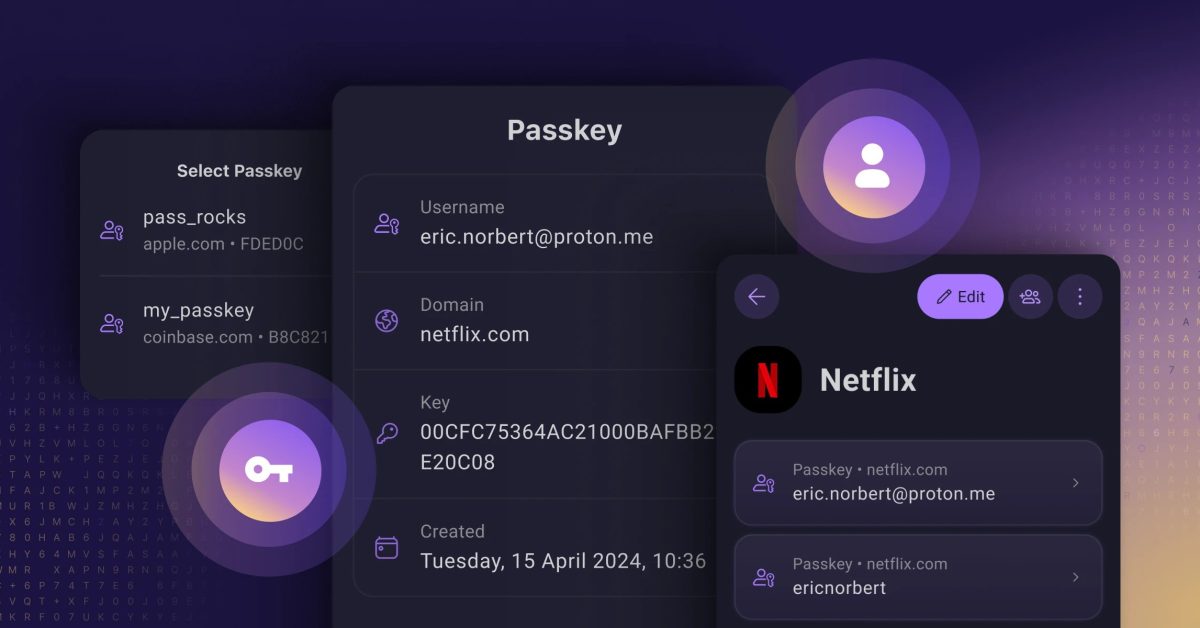
Proton has introduced passkey support for its Proton Pass password manager, emphasizing that access is free, universal, and open-source. The company criticizes big tech's approach to passkey support, stating that it locks customers into specific platforms or requires paid plans. In contrast, Proton aims to make passkeys accessible to everyone, offering a one-click interface, open-source and end-to-end encryption, and compatibility with all standard and business plans.
PlayStation now supports sign-ins via a passkey, allowing users to use their computer or smart device to log in and forego the password step, using more secure methods like Face ID or fingerprint recognition. Setting up the passkey is fairly painless and can be done via mobile or computer, and it can be deactivated at any time.
Sony Interactive Entertainment has introduced passkey support for PlayStation accounts, allowing users to sign in using their mobile device or computer's screen unlocking method, such as a PIN, fingerprint, or face recognition. Passkeys aim to enhance security by reducing account vulnerability and resisting phishing and data breaches. Users can activate the option in the Security section of Account Management and are advised to use synced passkeys on mobile devices, while caution is given against using mobile PIN codes as passkeys on Android.
Sony PlayStation now supports passkey authentication, allowing users to sign into their accounts without a password. This feature can be activated in the security section of Account Management settings on various devices. Nintendo also adopted passkey support last fall, and PlayStation's update follows this trend towards passwordless authentication methods.
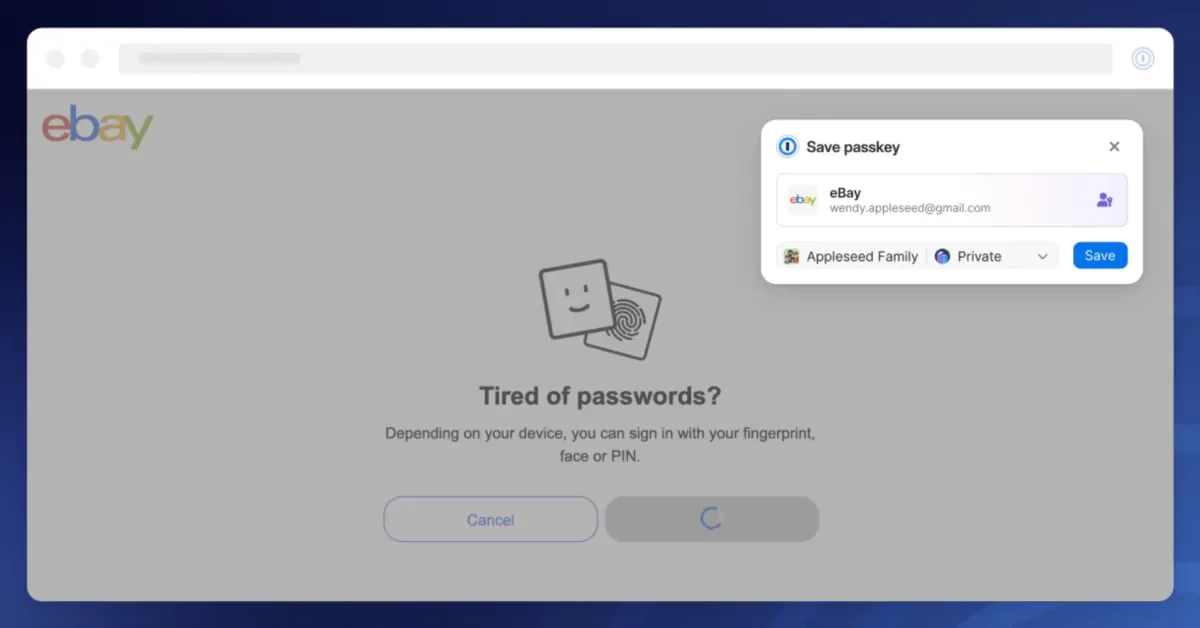
Password manager 1Password is expanding its passkey beta program to the public, allowing users to secure their accounts with a passkey instead of a master password or secret key. Passkeys utilize public-key cryptography, with a private key kept secure and encrypted, and a public key stored on the company's servers for authentication. This method offers a safer and easier way to protect login credentials. The feature is currently available for new accounts only, but will be extended to existing accounts next year.
Google has introduced passkeys as a new way to protect user accounts, eliminating the need for passwords. Passkeys are personalized FIDO credentials, such as fingerprints or face scans, stored securely on the user's device. Unlike passwords, passkeys are near-impenetrable and cannot be hacked or guessed. Each device has its unique passkey, ensuring enhanced security. Users can set up passkeys with their Google account and also use them with iPhones through iCloud Keychain. Passkeys offer a faster and more secure way to log in to accounts, eliminating the hassle of remembering multiple passwords.
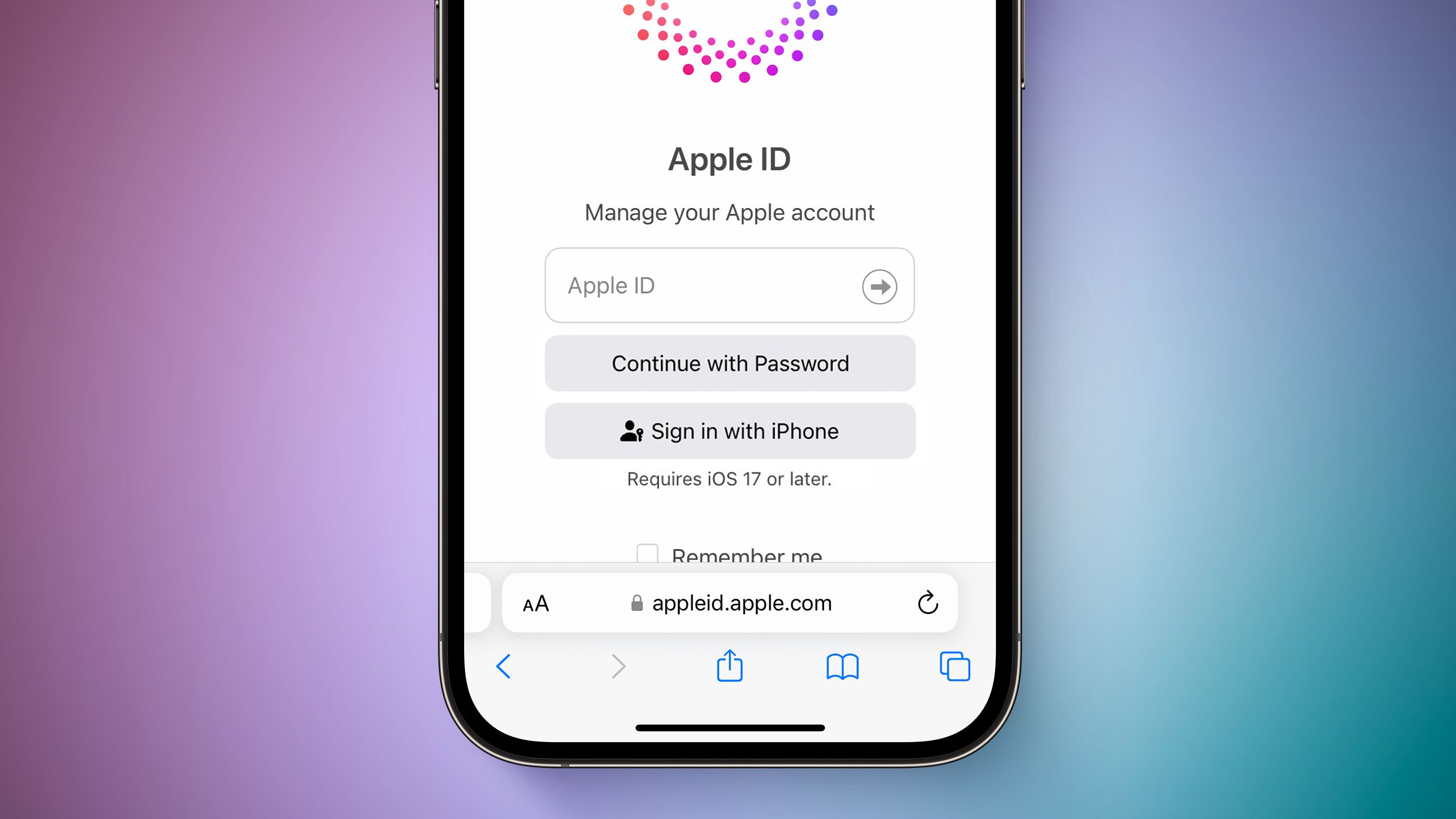
Apple will automatically assign a passkey to each user for logging into Apple accounts on the web without needing any password, starting with iOS 17, iPadOS 17 and macOS Sonoma. The feature also works for passwordless login on sites that support "Sign in with Apple" and passkey-based login for sites like PayPal, Shopify, and Kayak. Passkeys rely on device-based authentication using Face ID, Touch ID, or PIN instead of a password and are synced across devices.
Apple is introducing passkey support for Apple IDs on iOS 17, iPadOS 17, and macOS Sonoma, allowing users to sign in with Face ID or Touch ID instead of a password on various Apple sign-in pages. Passkeys are a more secure alternative to passwords, consisting of a key pair that improves security. Passkey support will also be available for third-party apps and websites that support "Sign in with Apple." The feature is currently available for beta users and will be released to the public later this year.
1Password has launched public beta versions of its browser extensions for Safari, Chrome, Firefox, Edge, and Brave, adding passkey support for the web. The company has been working on full passkey support since it was first announced by the FIDO Alliance, and has been instrumental in helping websites adopt the more secure authentication standard with its Passage developer tool. Through its Watchtower feature, 1Password will also notify users when websites they use have been updated to support passkey.
Google now offers passkeys as an alternative to passwords and two-factor authorization for signing into your account. Passkeys are a secure credential tied to the PIN or biometric authentication of your device and only exist on your device, making them even safer. To set up a passkey, you need a compatible device with a screen lock enabled and Bluetooth turned on. If you lose a device with a passkey, you can remove it from your list of passkeys or sign the device out of your account. You can also stop using passkeys altogether and go back to using passwords and two-factor authorization.
Google has introduced passkeys as a simpler and more secure alternative to passwords for its users. Passkeys can be set up using a fingerprint, face scan, or screen lock PIN and can only exist on devices, making them resistant to online attacks like phishing and one-time SMS codes. While passwords are not going away yet, Google has been working on a password-free future for at least a decade and passkeys have already been supported by Chrome and Android, as well as services like Docusign, Kayak, PayPal, Shopify, and Yahoo! Japan.