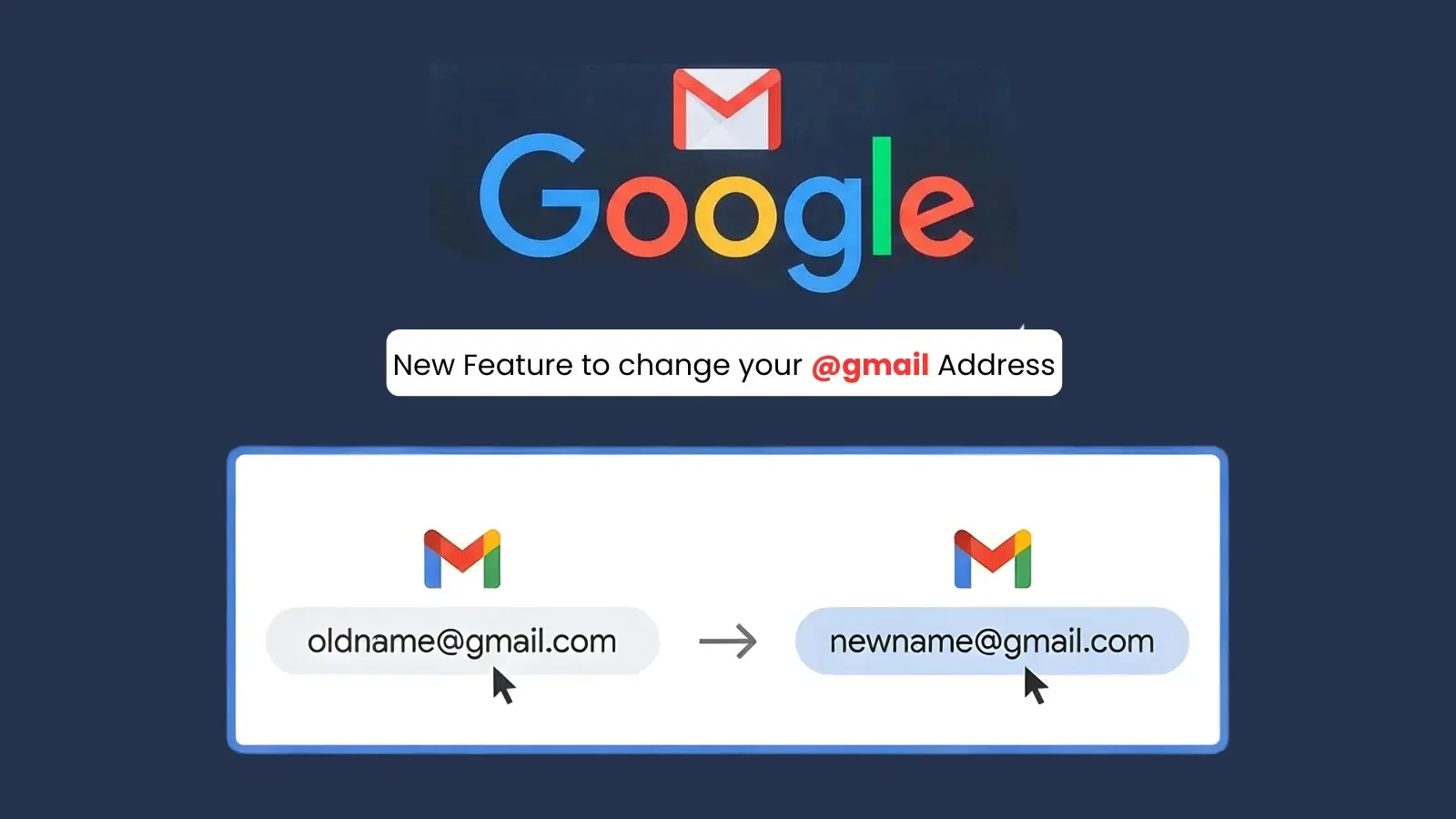
Google is gradually rolling out a new feature allowing users to change their Gmail address, a process that was previously limited. The option appears on various language versions of Google's support page, and some users have already successfully changed their addresses. While the process is straightforward and retains emails and account data, users are debating whether to make the switch, considering factors like professionalism and spam.
Google is rolling out a new feature allowing Gmail users to change their email addresses ending with @gmail.com while retaining all their emails and connected services like YouTube and Google Drive, addressing long-standing user requests for more flexibility.
Google is reportedly planning to allow Gmail users to change their email addresses while keeping their old address as an alias, enabling continued receipt of emails sent to the original address and maintaining access to Google services, with restrictions on how often changes can be made. The feature appears to be initially available in Hindi-speaking regions, with potential global rollout.
Google is testing a feature that allows some users to add a new @gmail.com address to their account, effectively creating an alias while retaining their original email and data, with limitations on frequency and number of addresses. This helps users who regret their initial email choice, though it doesn't fully replace the old address.
Google is rolling out a new feature that allows users to change their primary @gmail.com email address without creating a new account, retaining all data and converting the old address into an alias, though with some restrictions and potential third-party re-authentication requirements.
Google is planning to allow users to change their Gmail address without losing data, a feature currently unavailable, with restrictions of once a year and three times total, gradually rolling out and potentially expanding globally.
Google is gradually rolling out a new feature that allows users to change their @gmail.com email addresses, a functionality previously unavailable, with the process still in testing and details emerging mainly in Hindi. The change will let users update their Gmail username while retaining access and email history, with limitations on frequency and timing, and the old address remaining linked as an alias.
Sony Interactive Entertainment has introduced passkey support for PlayStation accounts, allowing users to sign in using their mobile device or computer's screen unlocking method, such as a PIN, fingerprint, or face recognition. Passkeys aim to enhance security by reducing account vulnerability and resisting phishing and data breaches. Users can activate the option in the Security section of Account Management and are advised to use synced passkeys on mobile devices, while caution is given against using mobile PIN codes as passkeys on Android.
Google has introduced passkeys as a more secure alternative to traditional passwords. Passkeys are an extension of biometric logins, such as fingerprint or face unlock, and are more phishing-resistant. Google has automatically created passkeys for some mobile devices, but users can create them for compatible devices by visiting myaccount.google.com/signinoptions/passkeys. Passkeys can be managed and revoked for listed devices, and as more companies adopt this feature, passkeys may become the norm for most apps.