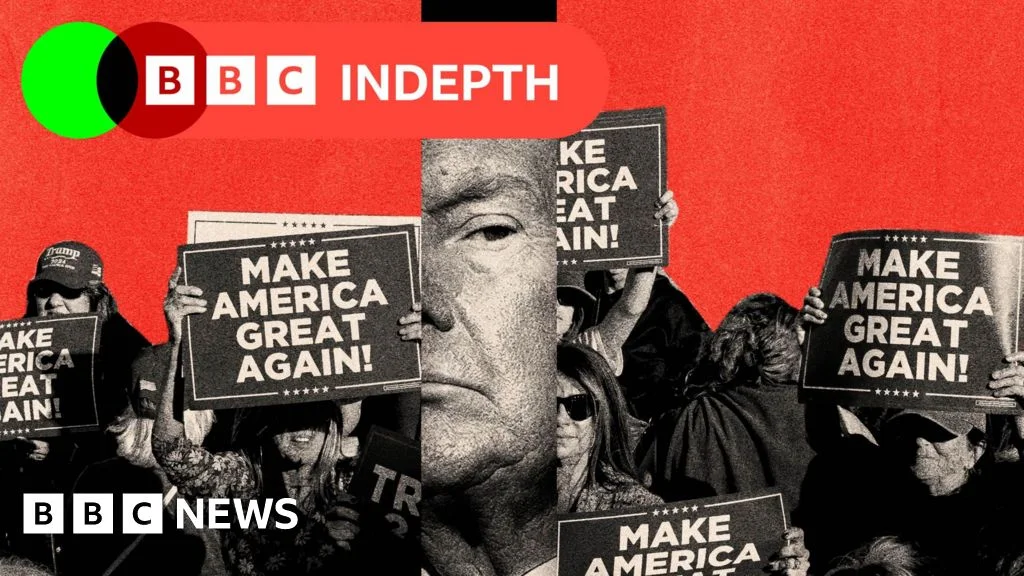
The article discusses the growing divisions within the Maga base and the Republican Party, highlighting potential successors to Trump, ideological shifts, and internal conflicts that could shape the future of American conservatism and the 2028 presidential race.
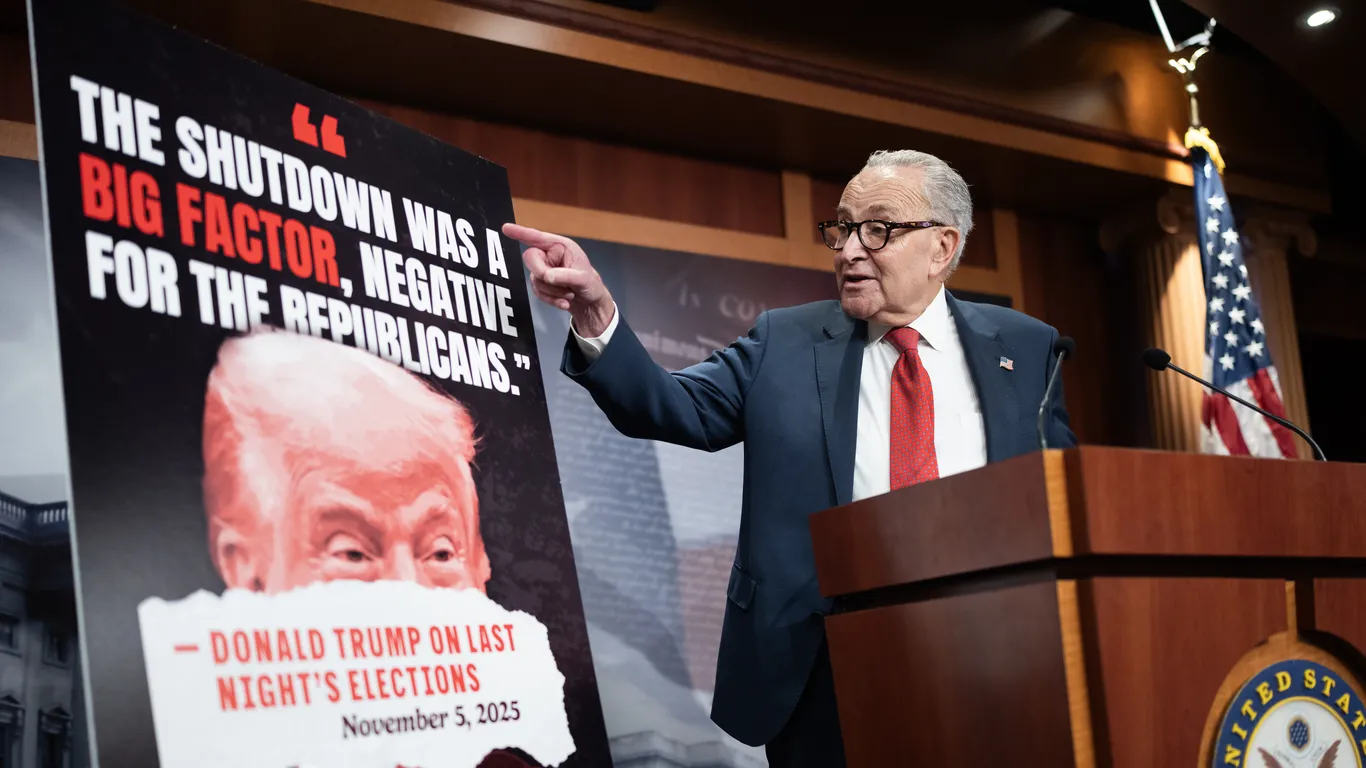
Senate Democrats are delaying concrete steps to end the government shutdown, emboldened by recent election victories and divided internally, with some urging to hold out longer while others warn against quick compromises; negotiations are ongoing, but a resolution has been pushed into next week.
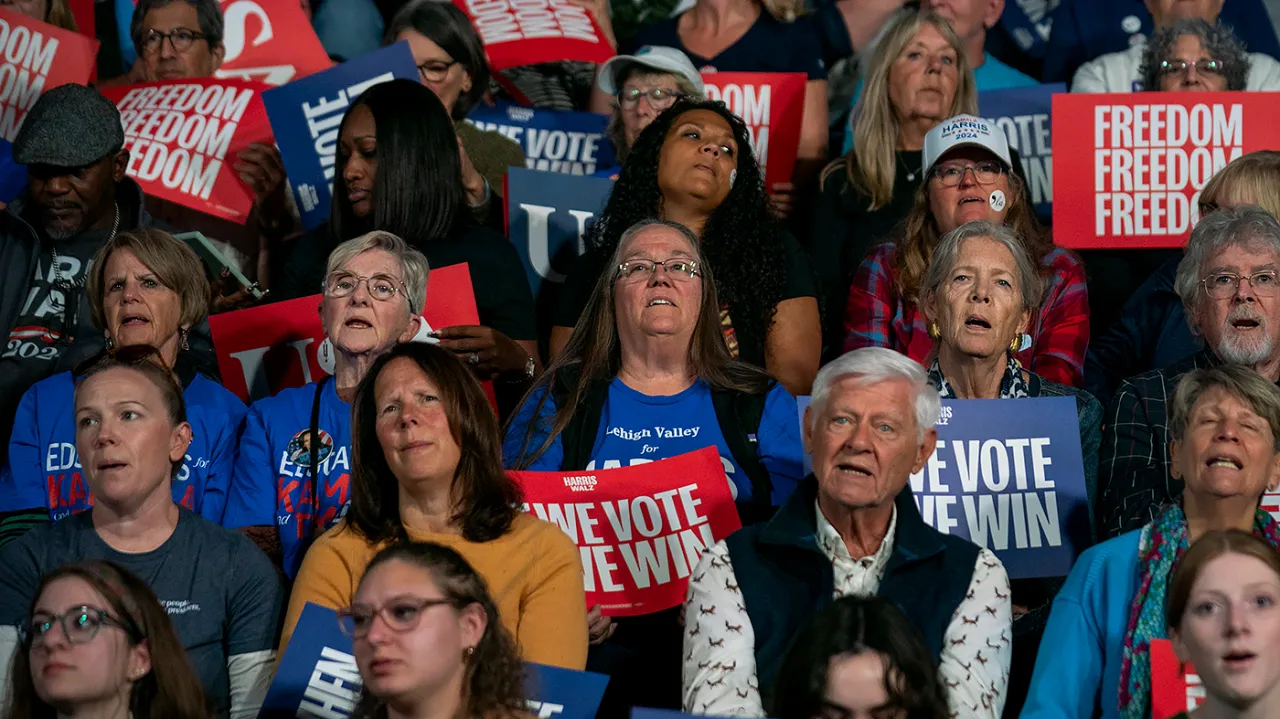
Following a significant electoral defeat, Democrats are embroiled in internal disputes over the party's direction, with liberals arguing for a more progressive stance and centrists blaming leftist policies for alienating moderate voters. The debate is intensified by issues like economic messaging and cultural topics such as transgender rights, which Republicans have spotlighted. As Democrats seek to unify against President-elect Trump, they face the challenge of appealing to a broad voter base without compromising core values.
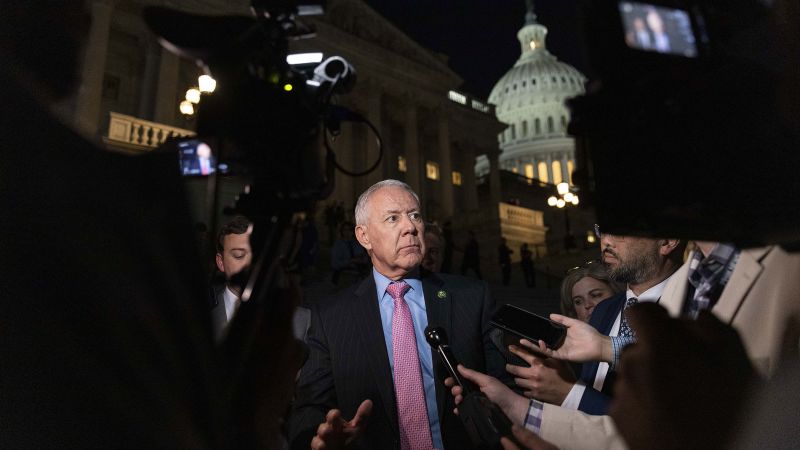
The House GOP is facing a wave of high-profile retirements, including committee chairs and rising stars, as members express frustration with the party's dysfunction and struggle to govern. The departures have raised concerns about a potential brain drain and loss of institutional knowledge, with some blaming infighting and leadership struggles for the chaos. The GOP's slim majority, internal divisions, and anxiety about holding onto power in the upcoming elections further contribute to the tumultuous atmosphere, while some worry about the impact of constant reshuffling on committee effectiveness and governance.
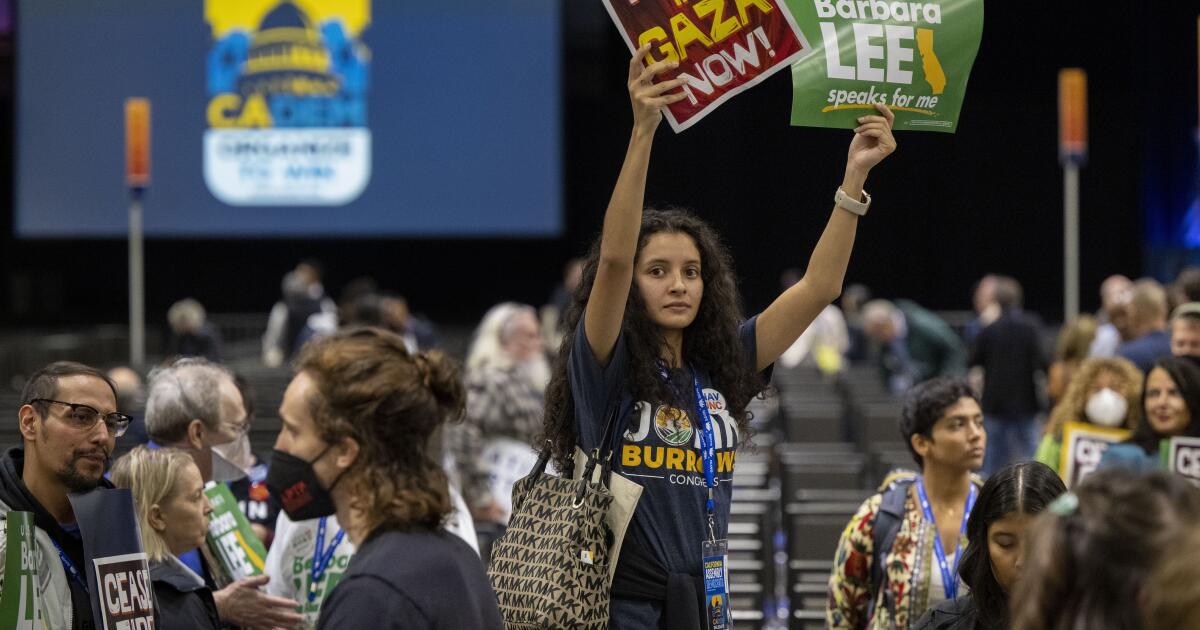
The California Democratic Party Convention highlighted divisions within the party over the ongoing conflict between Israel and Hamas, as well as the upcoming 2024 Senate race to fill the seat of the late Sen. Dianne Feinstein. Protesters disrupted the convention, leading to the cancellation of official party events, and tensions ran high between Jewish and Palestinian delegates. Rep. Barbara Lee won the most support among delegates for the Senate race, followed closely by Rep. Adam Schiff, while Rep. Katie Porter trailed behind. The party's divisions could impact its success in the 2024 election and its ability to unite voters.
Pressure is mounting on Labour leader Sir Keir Starmer to change his stance on the Israel-Gaza conflict, as mayors Sadiq Khan and Andy Burnham, along with Scottish Labour leader Anas Sarwar, call for a ceasefire. Sir Keir has instead backed humanitarian pauses to allow aid into Gaza, aligning with the UK government, the US, and the EU. The move puts the three senior Labour figures at odds with their party leader, and comes amid growing discomfort within the party over Sir Keir's position. The Labour leader's stance has led to resignations from councillors and calls for a ceasefire from dozens of Labour MPs. However, the party leadership is trying to avoid an internal fight and maintain its position.
The House Republican civil war continues as Tom Emmer becomes the fourth nominee for speaker this year, only to withdraw after four hours due to opposition from former President Donald Trump. Trump's interventions in the speaker race highlight the divisions within the GOP, with some Republicans eager to move on from his influence. Despite Trump's preferred candidate, Jim Jordan, leaving the race, Trump still holds significant support among potential GOP primary voters for the 2024 presidential nomination. The infighting within the party may damage its standing, and the GOP may even turn back to Kevin McCarthy as a potential leader.
Representative Steve Scalise narrowly secured enough Republican support to become the party's choice for House Speaker, but deep divisions within the GOP threaten to complicate his election. Several Republican lawmakers have voiced skepticism about Scalise's ability to unite the party, leading to a delayed election and no resolution. The infighting reflects the challenges any Republican speaker would face in navigating the party's divisions and maintaining a governing majority.