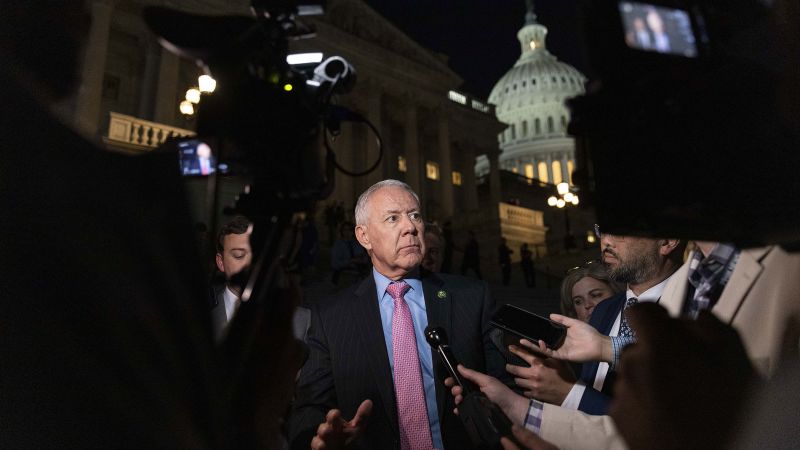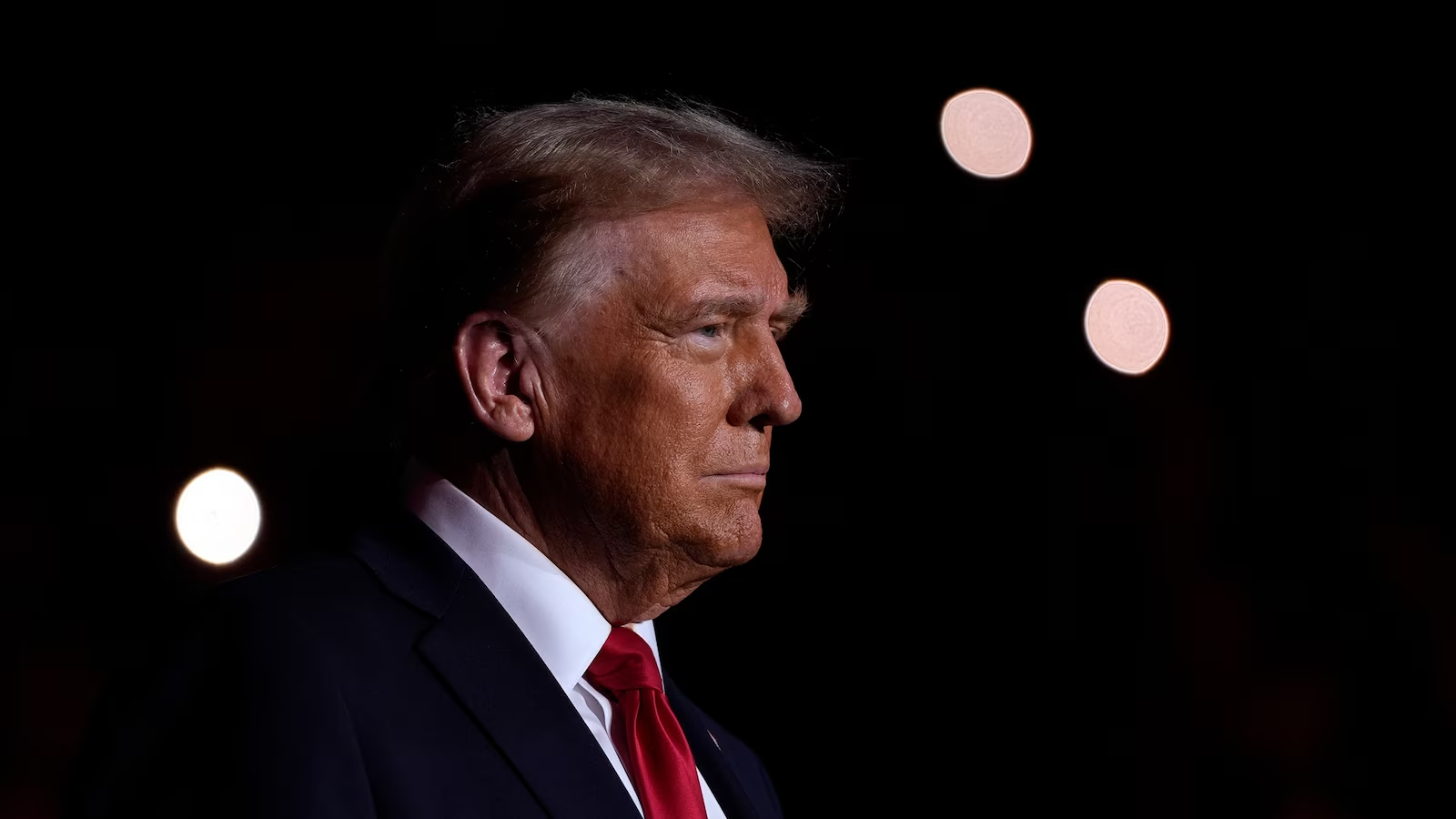
President-elect Donald Trump will assume office with a very narrow GOP majority in the House of Representatives, potentially starting with a 217-215 margin. This slim majority leaves little room for error, especially with potential resignations of GOP members joining Trump's administration. Speaker Mike Johnson has urged Trump to refrain from appointing more House members to his administration to maintain the majority. The narrow margin could complicate legislative efforts, such as extending the 2017 tax cuts, as any single Republican dissent could disrupt party-line votes.

Republicans have secured a narrow majority in the U.S. House of Representatives following the 2024 elections, with an expected seat count between 220 and 222. This slim margin may complicate efforts to pass President-elect Donald Trump's agenda, as internal party dissent and potential resignations could further reduce their majority. The GOP's control of the House, Senate, and presidency may be short-lived, as historical trends suggest a likely Democratic resurgence in the 2026 midterms.
The House GOP is facing a wave of high-profile retirements, including committee chairs and rising stars, as members express frustration with the party's dysfunction and struggle to govern. The departures have raised concerns about a potential brain drain and loss of institutional knowledge, with some blaming infighting and leadership struggles for the chaos. The GOP's slim majority, internal divisions, and anxiety about holding onto power in the upcoming elections further contribute to the tumultuous atmosphere, while some worry about the impact of constant reshuffling on committee effectiveness and governance.