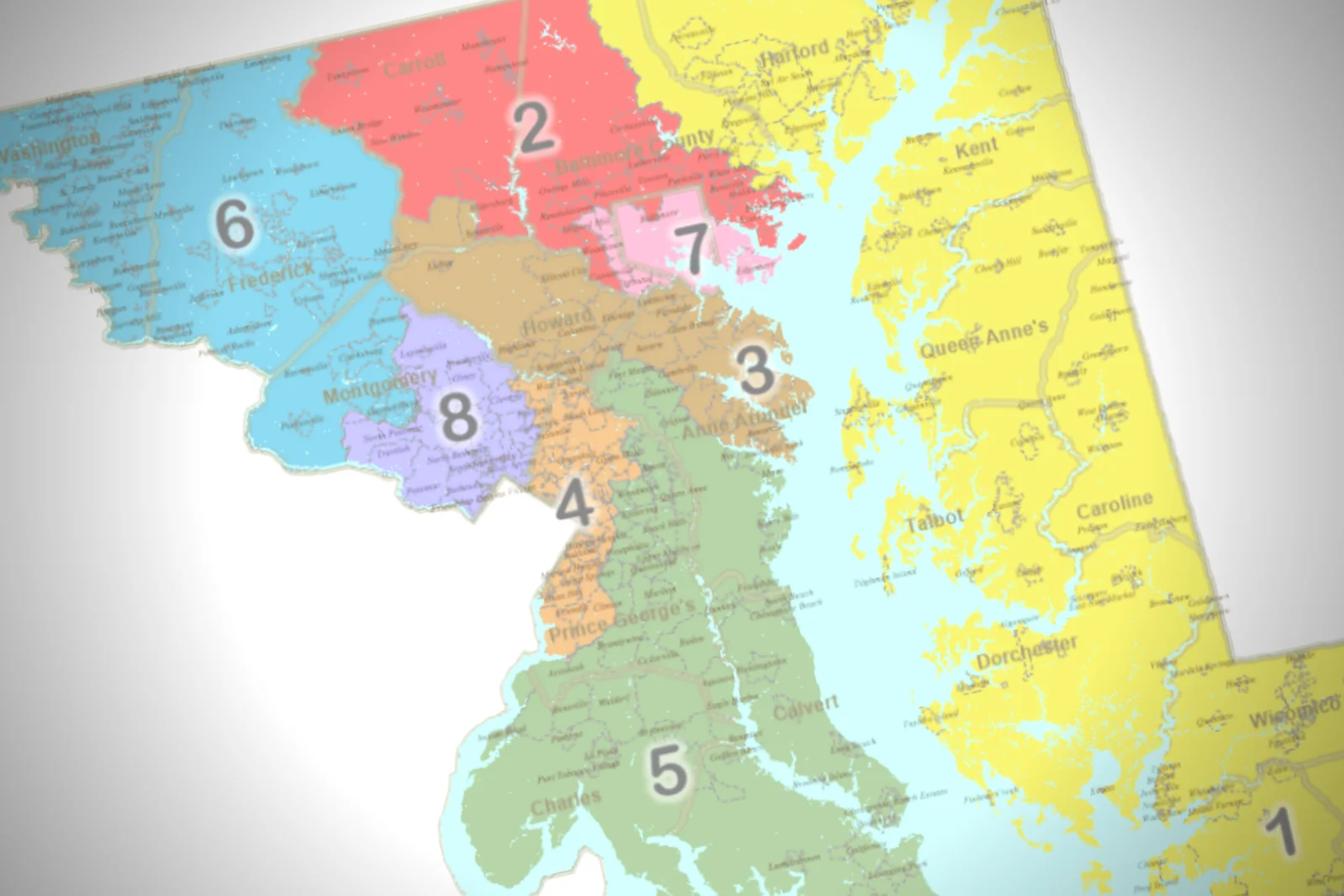
A poll in Maryland shows that 81% of residents see partisan redistricting as a major problem for democracy, with a strong preference for independent commissions over elected officials drawing district lines. Despite this, redistricting remains a low priority compared to economic and safety issues, and opinions on fairness and benefits of current maps are nuanced.
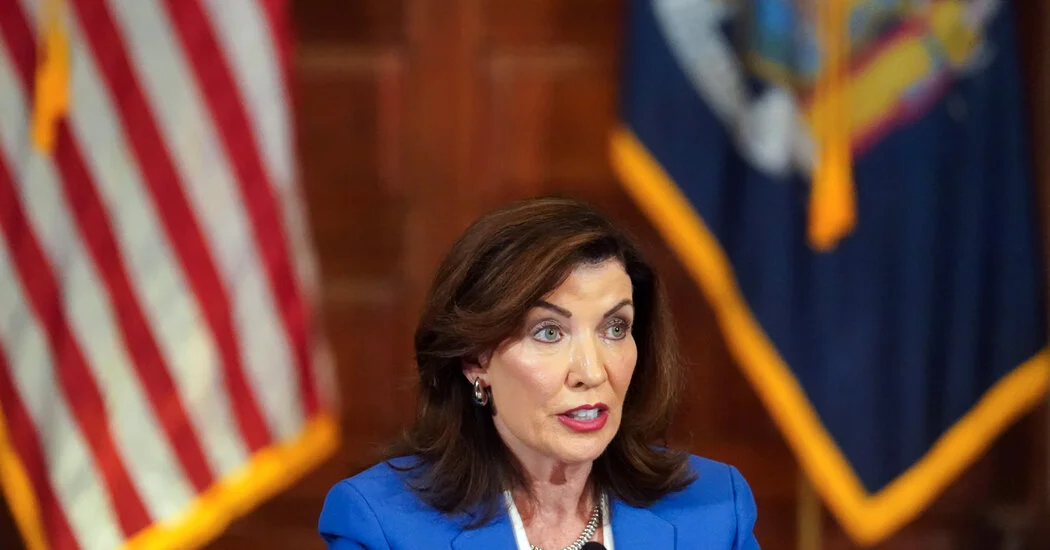
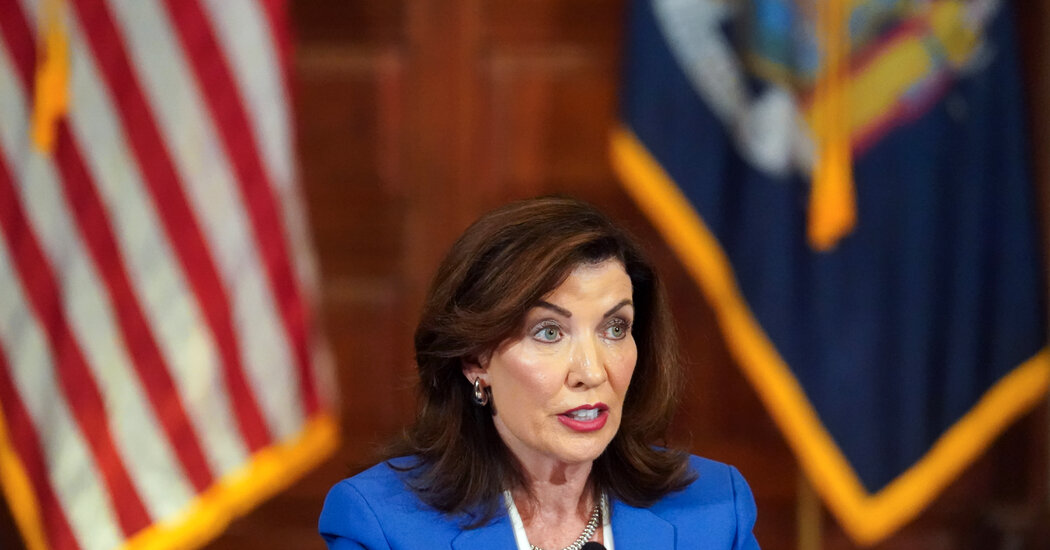
Democrats are defending their countermeasures against Texas Republicans' redistricting plans, which aim to flip five House seats, with some party leaders considering aggressive responses like redrawing maps in other states. Key figures like Bernie Sanders and Eric Holder support responding in kind to Republican gerrymandering, while Texas Governor Greg Abbott dismisses Democratic efforts as weak. Democratic governors in New York and Illinois defend their redistricting processes, emphasizing adherence to protocol and contrasting their actions with Texas.
Democrats are defending their response to Texas Republicans' redistricting plans, which aim to flip five House seats, with some party leaders considering retaliatory measures like redrawing maps in other states. Key figures like Bernie Sanders and Eric Holder support strategic responses, while Texas Governor Greg Abbott dismisses Democratic efforts as weak, highlighting the intense partisan battle over redistricting ahead of the midterm elections.
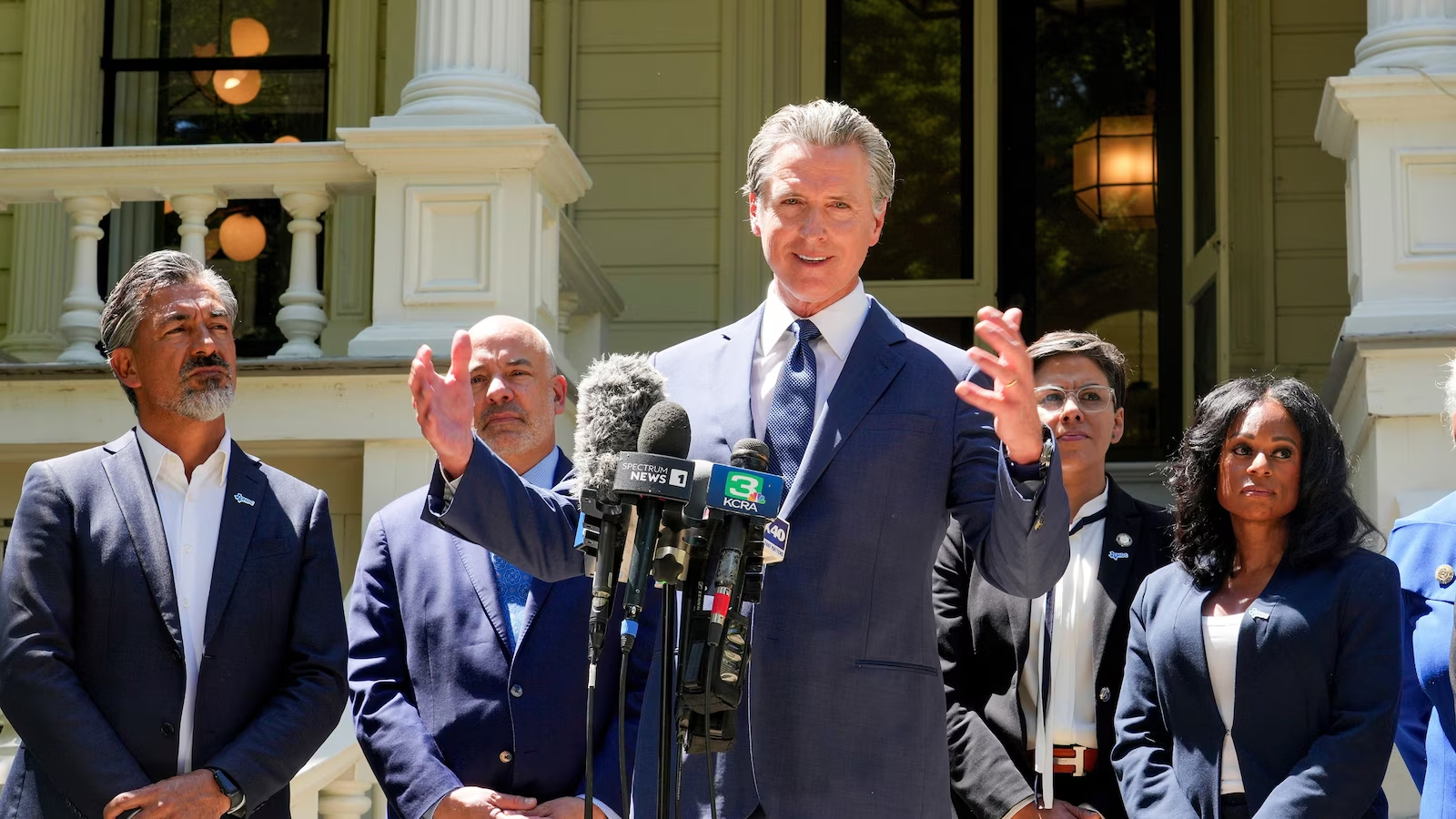
High-profile Democratic governors are supporting efforts to redraw congressional maps in their states to favor Democrats, in response to Republican-led redistricting efforts in Texas and other states, with some advocating for special elections and court actions to counteract partisan gerrymandering.
The Utah Supreme Court will hear arguments over whether a congressional map drawn by the state's Republican-controlled legislature to dilute Democratic votes in Salt Lake County is subject to judicial review or a political issue beyond its reach. Voting rights advocates argue that Utah's Constitution offers a stronger case than the federal one for reining in political maps, citing provisions guaranteeing free elections and the right to vote. The outcome of the case could have national implications for partisan gerrymandering and influence how courts rule in other states. State courts are becoming a crucial battleground for opponents of skewed maps since the U.S. Supreme Court removed federal courts from deciding partisan gerrymander cases.