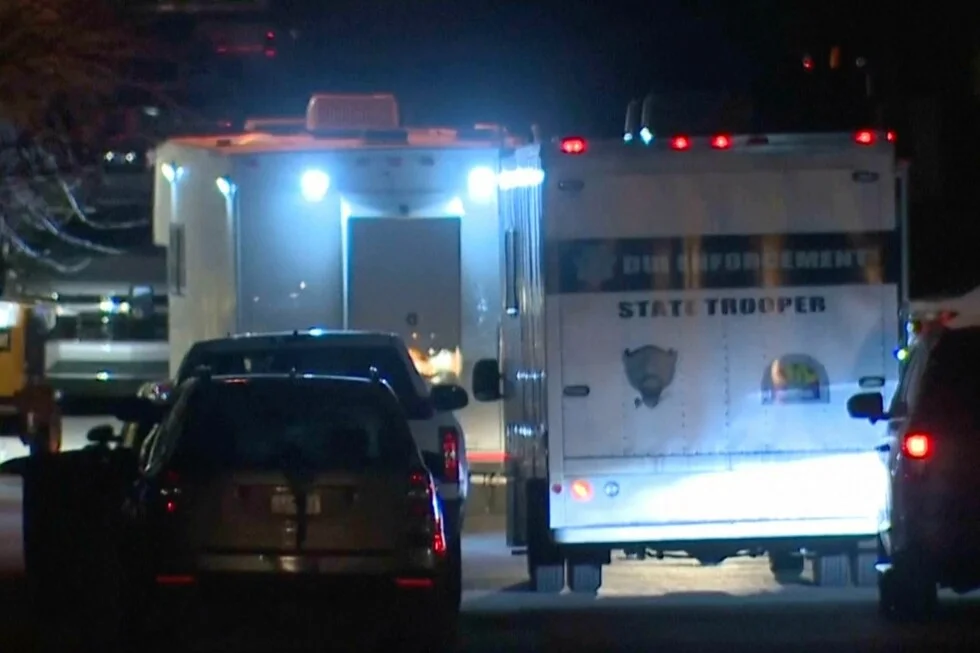
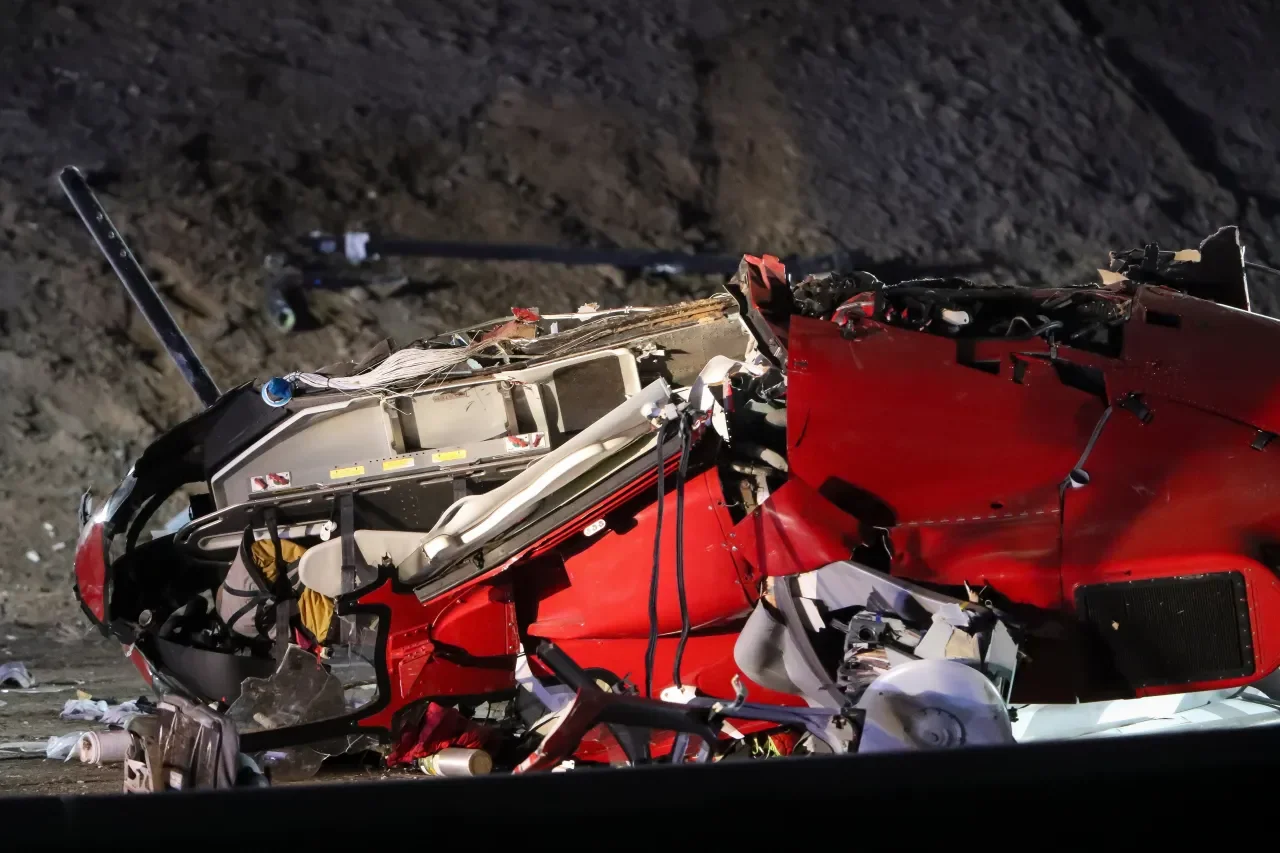
The Arizona Department of Public Safety helicopter responding to an active shooter in Flagstaff crashed, killing the pilot and a trooper who was a paramedic on board; officials have not released the victims’ names.
After a helicopter crash on a California highway, a firefighter led a spontaneous rescue effort with bystanders to lift the wreckage and free a trapped paramedic, all while emergency services responded swiftly; no injuries were reported on the highway, and investigations are ongoing.
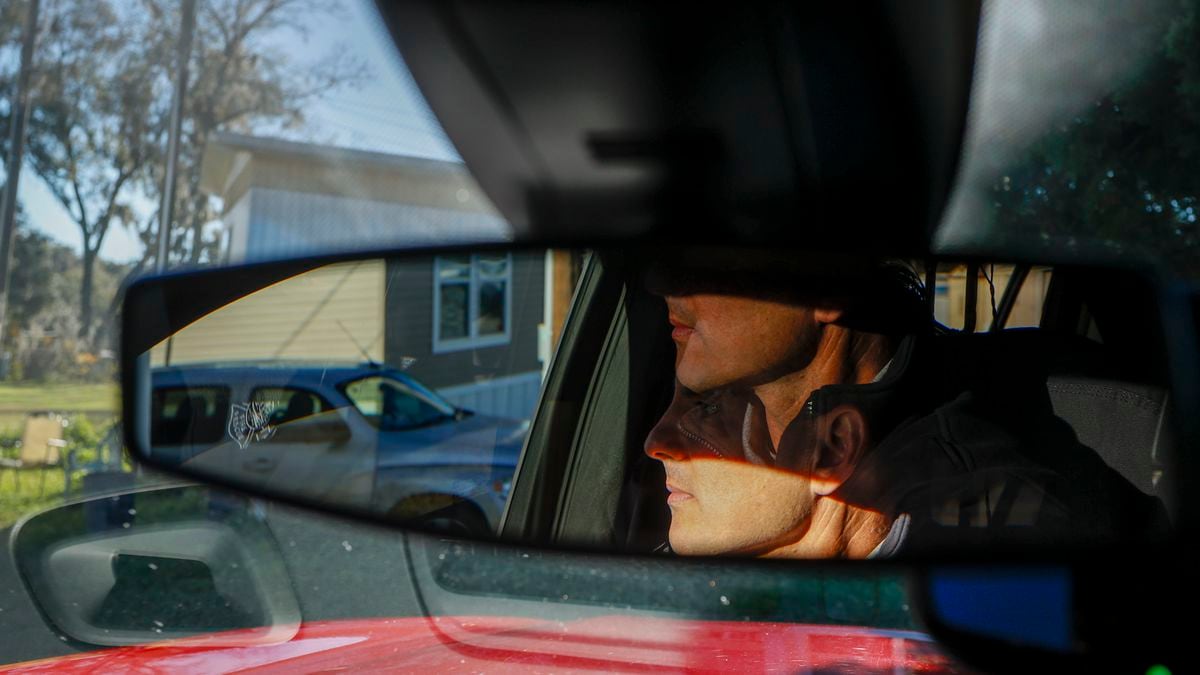
In response to the opioid crisis, Florida paramedics like Fire Capt. Jesse Blaire are delivering addiction medication, such as buprenorphine, directly to patients' homes through the state-run Coordinated Opioid Recovery Network. This approach aims to provide comprehensive support, including medical treatment, appointments, and transportation, to individuals struggling with substance use disorder. By meeting patients where they are and offering personalized care, paramedics are making a meaningful difference in the lives of those affected by addiction.
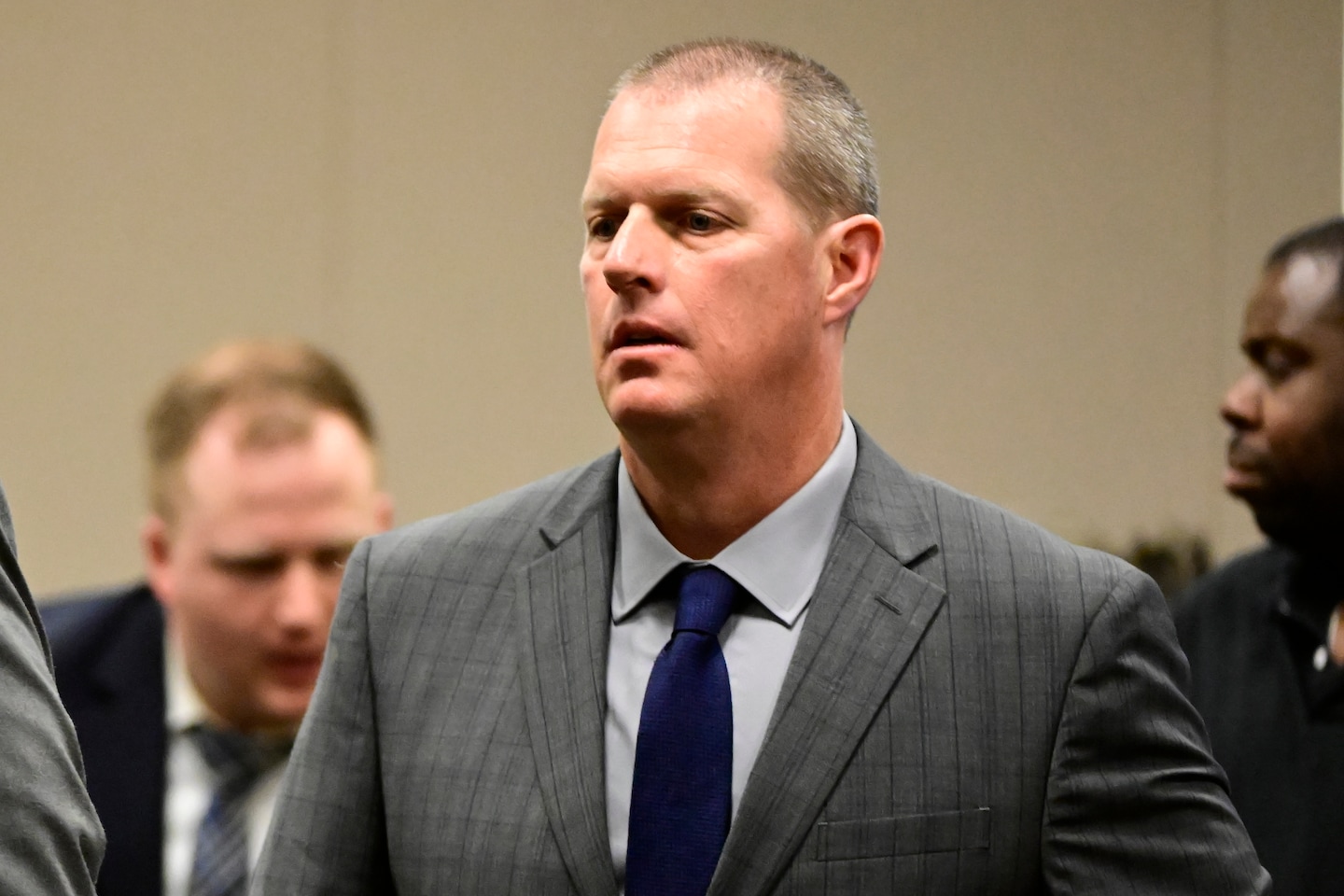
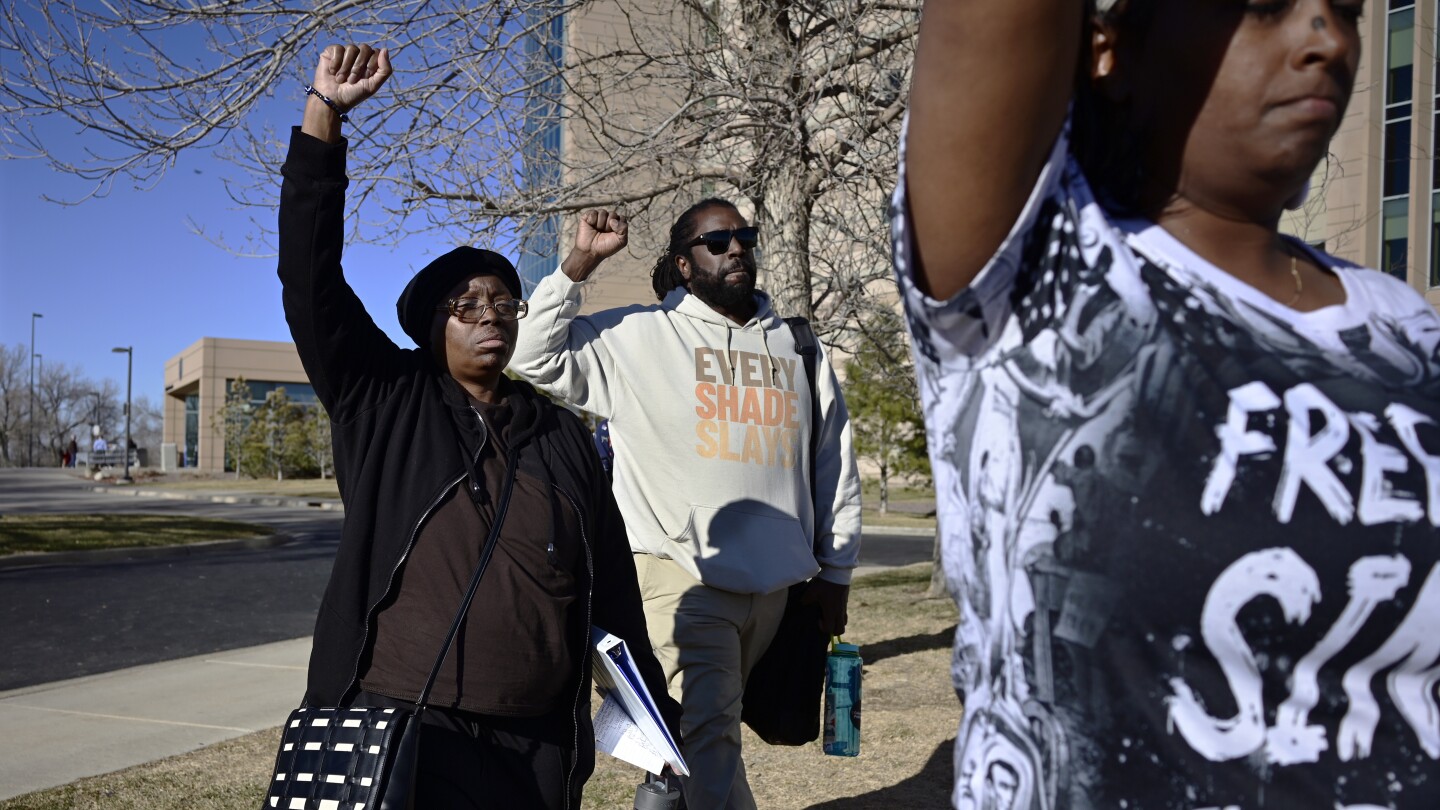
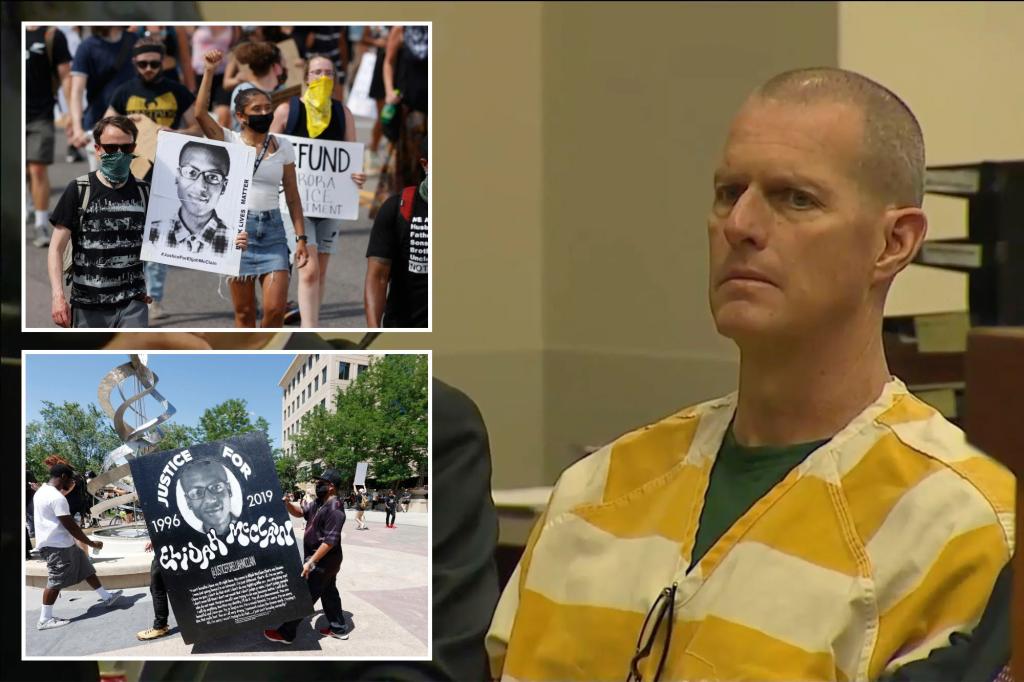
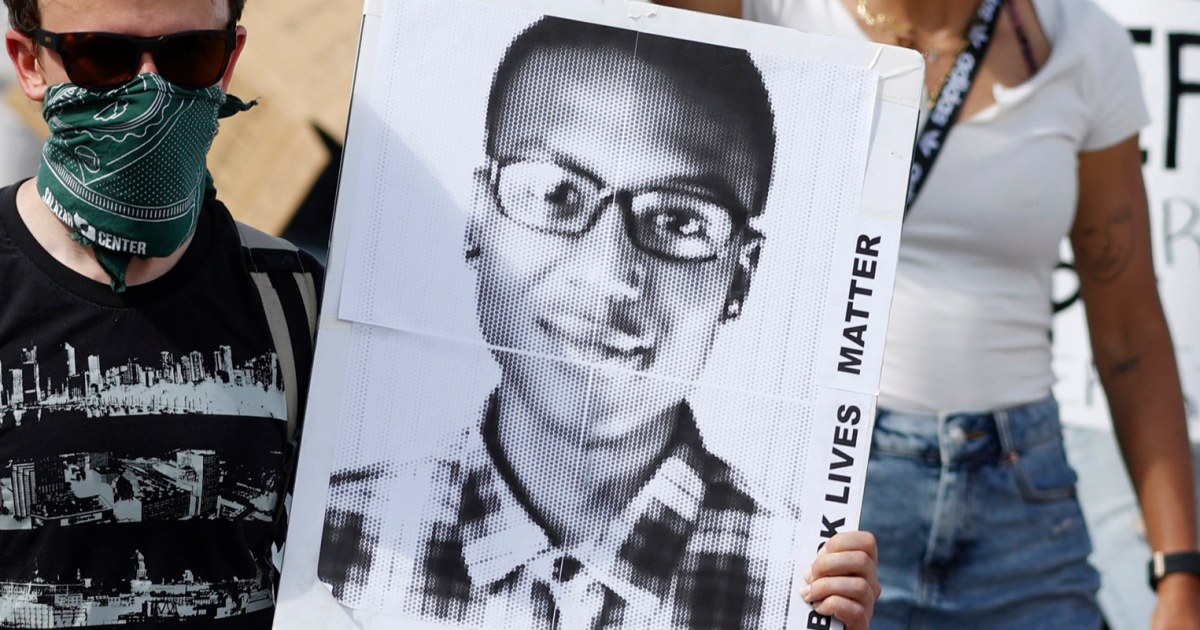
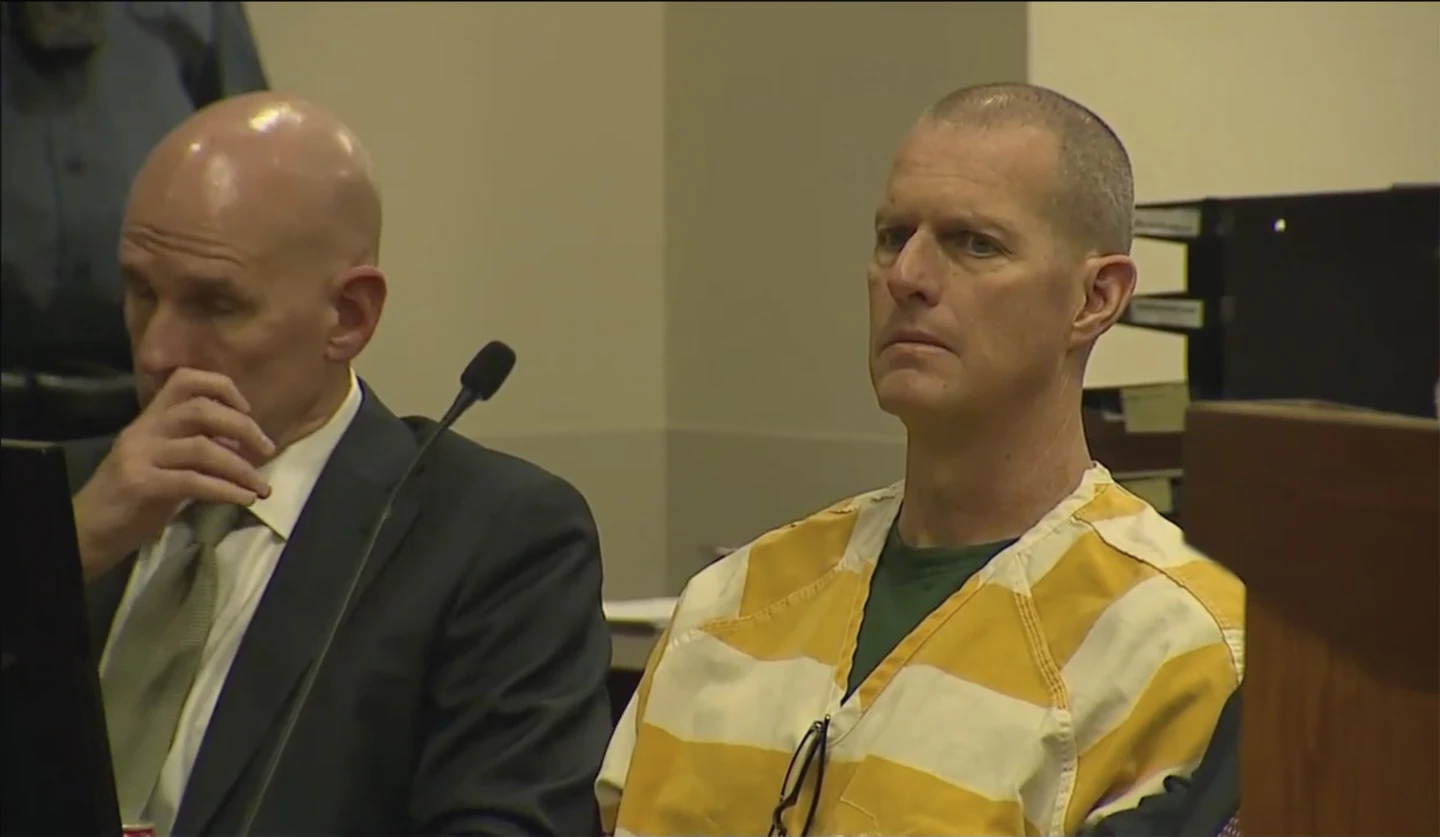
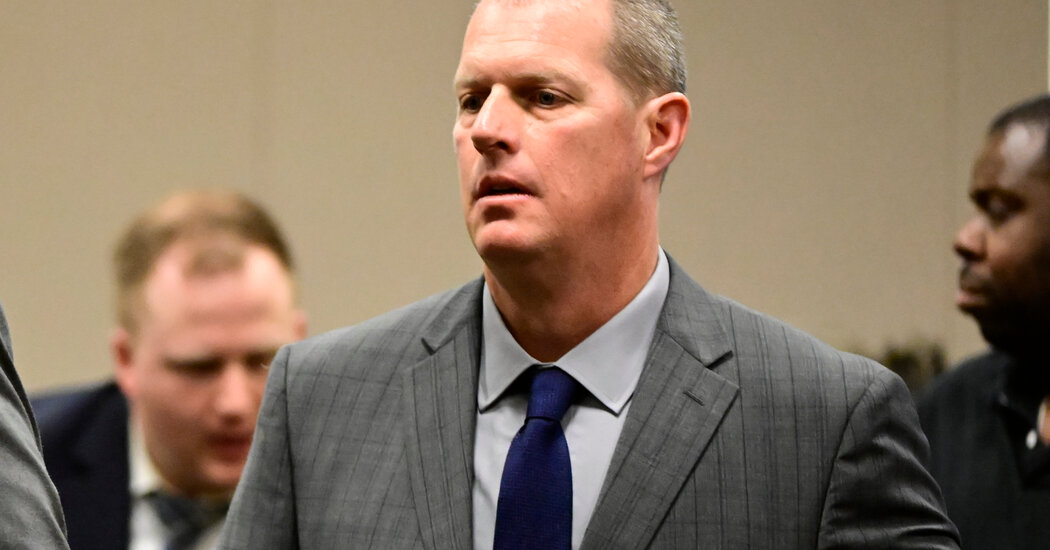
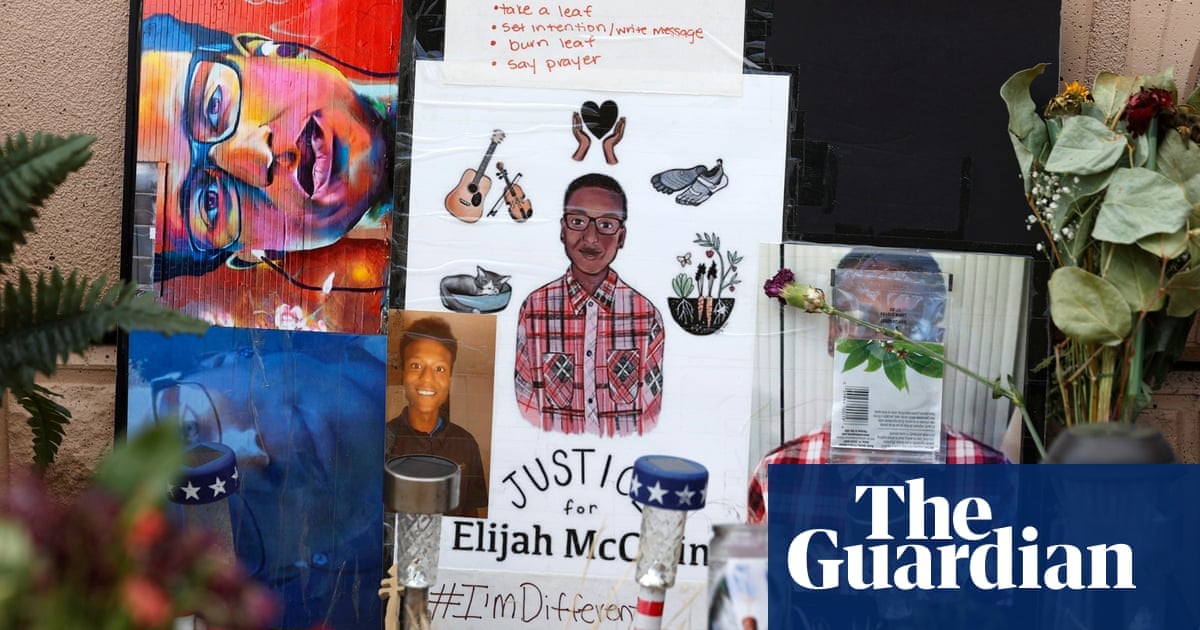
Former Colorado paramedic Peter Cichuniec was sentenced to five years in prison for his role in the 2019 death of Elijah McClain, a case that sparked protests over racial injustice. Cichuniec was convicted of criminally negligent homicide and second-degree assault for injecting McClain with a fatal dose of ketamine. The incident led to policy changes, including a ban on police chokeholds and limitations on ketamine use by paramedics during arrests in Colorado. The case also prompted a probe into racially biased policing and excessive force by Aurora police, resulting in a consent decree to reform the practices of its police and fire departments.
A Colorado paramedic, Peter Cichuniec, has been sentenced to five years in prison for injecting Elijah McClain with ketamine, leading to his death in 2019. Cichuniec was convicted of criminally negligent homicide and second-degree assault for giving the drug without consent. McClain's mother criticized the paramedics for not intervening, while supporters of Cichuniec argued that the prosecution was discouraging firefighters from becoming paramedics. The case has raised questions about the use of ketamine and highlighted gaps in medical protocols for sedating individuals in police custody.
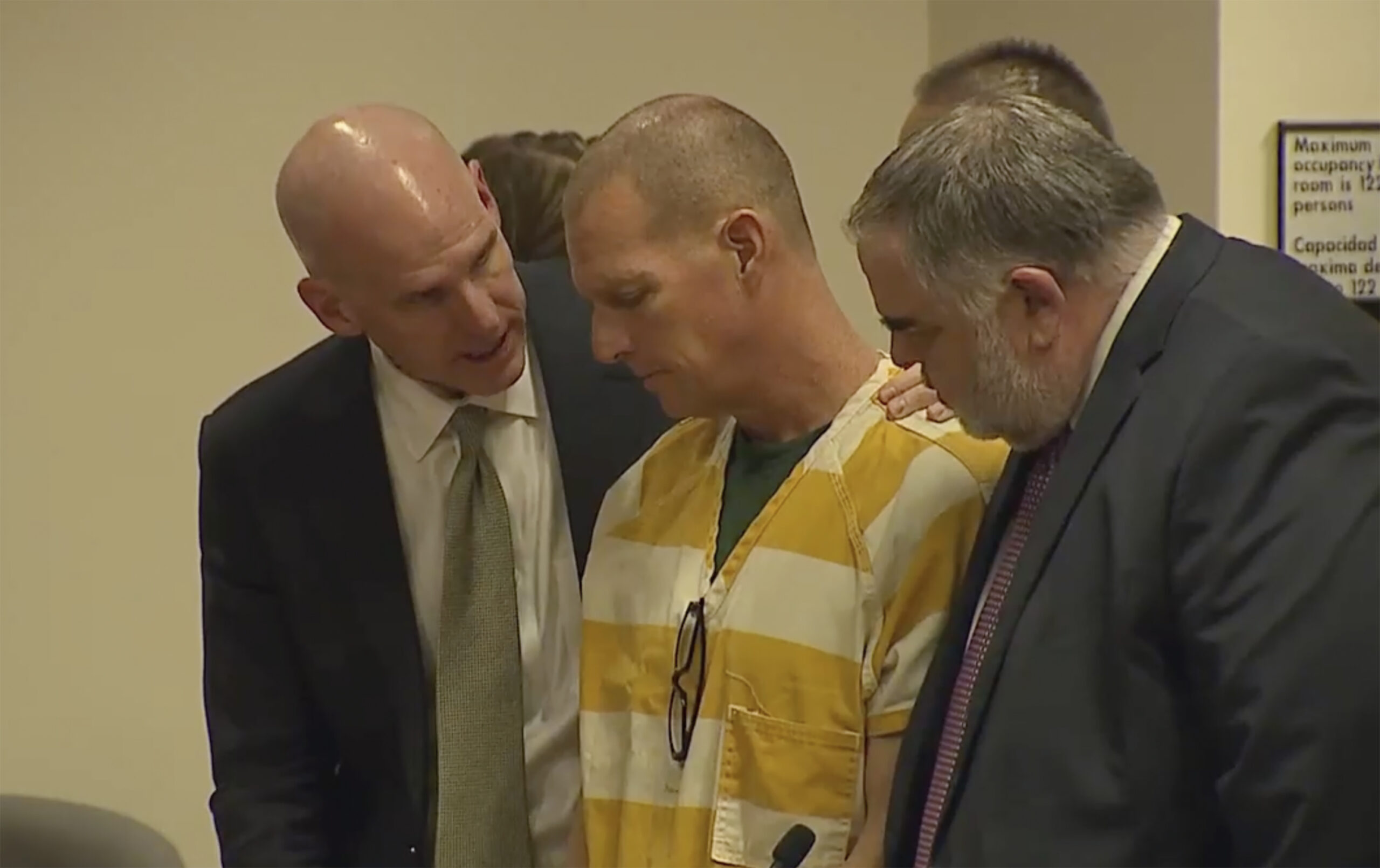
Aurora paramedic Peter Cichuniec was sentenced to five years in prison for authorizing a lethal dose of ketamine for Elijah McClain, who died in 2019. Cichuniec, convicted of criminally negligent homicide and second-degree assault, tearfully expressed remorse in court, while McClain's mother criticized the lack of accountability. The case has led to changes in ketamine administration protocols and a chilling effect within Aurora Fire Rescue, with 25 firefighters and medics submitting paperwork to not be medics anymore on the job since the convictions of their colleagues.
A Colorado paramedic has been sentenced to five years in prison for the death of Elijah McClain, a rare prosecution of medical responders in a case that has prompted officials to reconsider how people in police custody are treated. The paramedic, along with a fellow paramedic, was convicted of criminally negligent homicide for administering a sedative that led to McClain's death in 2019. The case has raised concerns about gaps in medical procedures for sedating individuals in police custody and has sparked discussions about racial injustice in policing.
A Colorado paramedic, Peter Cichuniec, has been sentenced to five years in prison for the death of Elijah McClain, a 23-year-old Black massage therapist, in 2019. Cichuniec and a fellow paramedic were convicted of criminally negligent homicide for administering a fatal sedative to McClain. The case has sparked debate over the accountability of medical responders in police custody situations, with McClain's mother expressing her disappointment in the paramedics' actions. The sentencing has raised concerns among paramedics and their union, who argue that it could discourage people from becoming paramedics and impact patient care.
A Colorado paramedic, Peter Cichuniec, has been sentenced to five years in prison for the death of Elijah McClain, a 23-year-old Black massage therapist, in 2019. Cichuniec and a fellow paramedic were convicted of criminally negligent homicide for administering a sedative ultimately blamed for McClain's death. The case has sparked debate over the treatment of individuals in police custody and has led to calls for reform in medical procedures for sedating people in such situations.
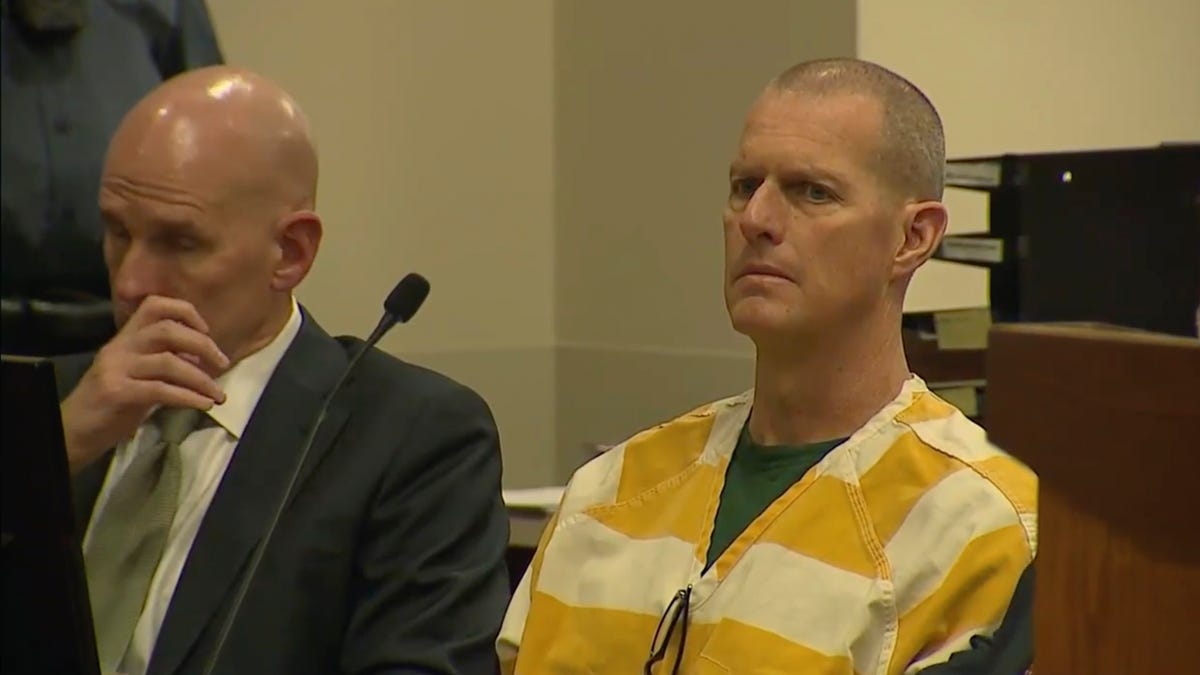
A Colorado paramedic, Peter Cichuniec, was sentenced to five years in prison for criminally negligent homicide and assault in the death of Elijah McClain, who was given a lethal dose of ketamine after a confrontation with police in 2019. Cichuniec's sentencing comes after a jury found him guilty, and his colleague Jeremy Cooper is scheduled for sentencing in April. McClain's mother held Cichuniec responsible for her son's death, and the attorney general emphasized the message of accountability for actions that harm people. This case is part of the legal aftermath of McClain's death, with other first responders facing charges and changes being made in emergency procedures and oversight.
Former Aurora paramedic Peter Cichuniec was sentenced to five years in prison for his role in the 2019 killing of Elijah McClain, who was injected with an overdose of ketamine after being forcibly detained by police. Cichuniec was convicted of criminally negligent homicide and second-degree assault by unlawful administration of drugs. The sentencing highlighted gaps in medical procedures, and the case was reopened after receiving more attention in the wake of George Floyd’s murder. Cichuniec's sentencing sends a strong message of accountability for actions that violate the law and harm people.
A former Aurora Fire Rescue lieutenant, Peter Cichuniec, was sentenced to five years in prison for criminally negligent homicide and second-degree assault in the 2019 death of Elijah McClain, a case that has been influential in the national police reform movement. This rare criminal prosecution of emergency medical personnel has sparked concern among paramedics and firefighters nationwide, with two other individuals also convicted in the case.
Former Colorado paramedic Peter Cichuniec has been sentenced to five years in prison for his role in the 2019 killing of Elijah McClain, who died after being stopped by Aurora police. Cichuniec and another paramedic injected McClain with a dangerous dose of ketamine, leading to his death. The sentencing marks a rare instance of a paramedic facing criminal liability and prison time for a death in police custody, sparking protests and changes in the law.
Tara Finseth, the wife of Burnsville firefighter/paramedic Adam Finseth, who was killed in a shooting along with two other first responders, released a heartfelt statement expressing devastation at the loss of her husband and the impact on their family, friends, and community, while also thanking everyone for their support during this difficult time.
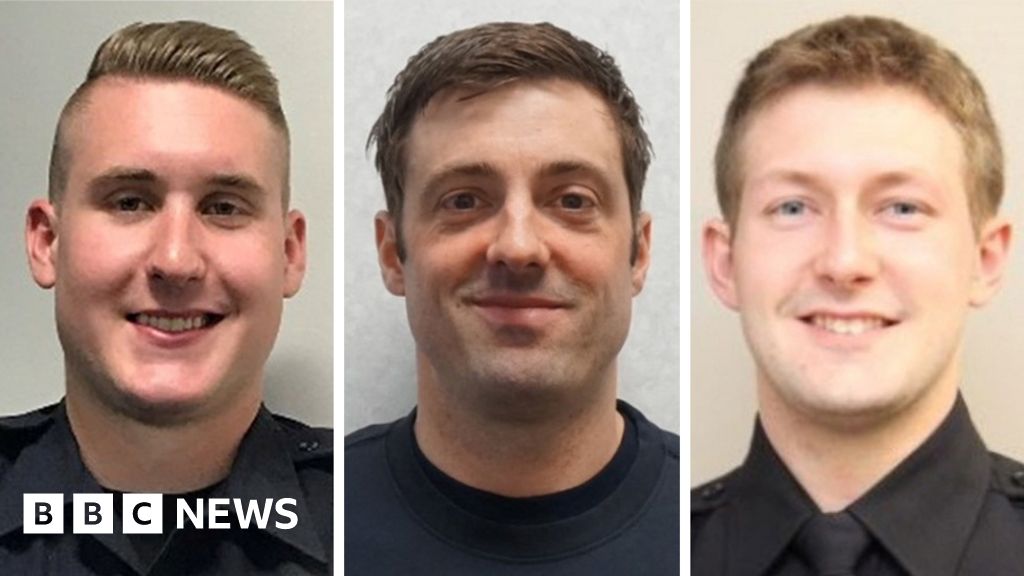
Two police officers and a paramedic were killed in a shooting at a family home in Burnsville, Minnesota, after responding to a domestic abuse call. The gunman, who was barricaded inside with seven children, opened fire during negotiations, also dying in the incident. The officers were named as Paul Elmstrand and Matthew Ruge, both 27, and the paramedic was Adam Finseth, 40. An investigation is ongoing, and tributes have been paid to the victims.