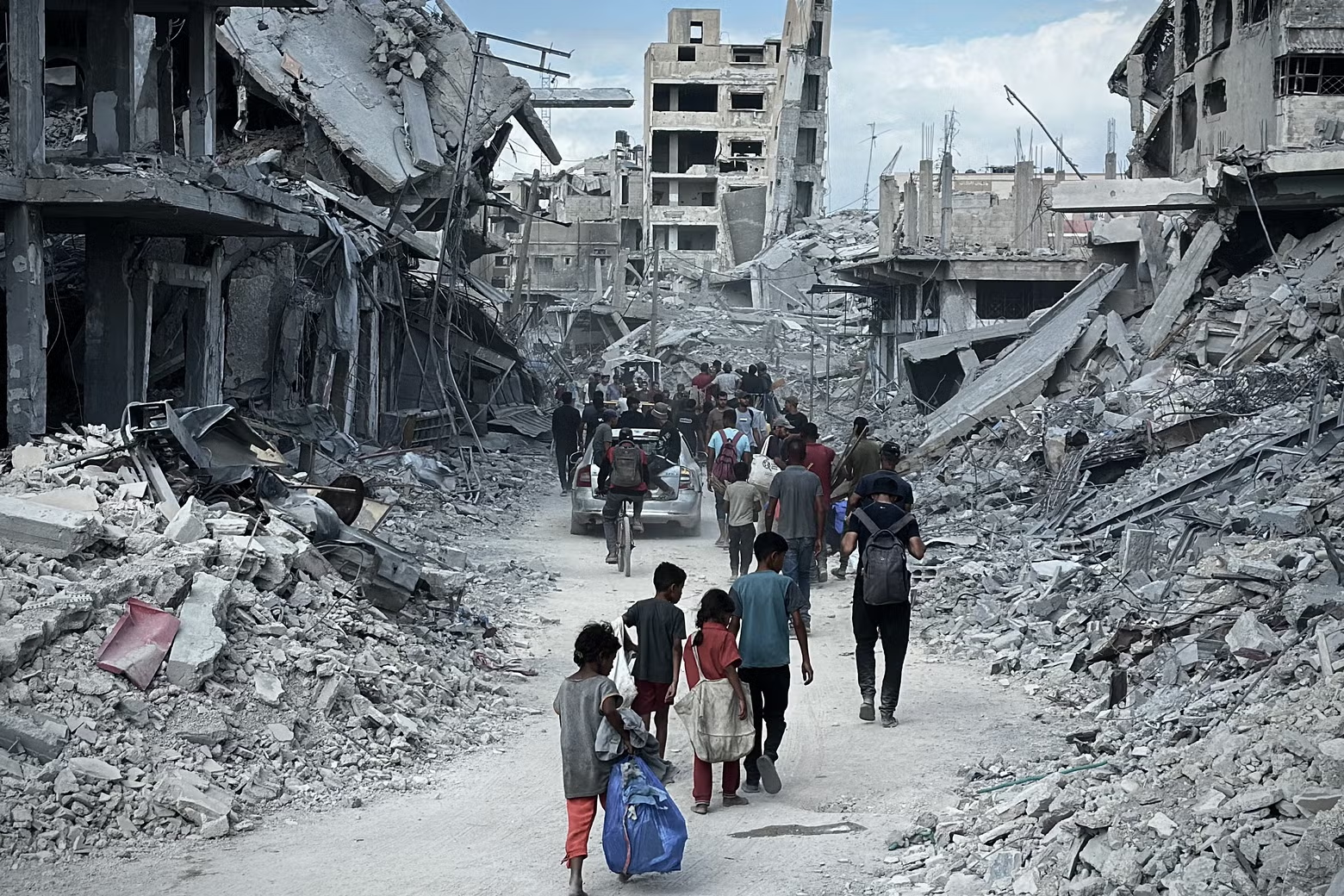
Hamas's long-standing rule over Gaza is unlikely to end completely, as its networks and ideological influence persist beyond its organization. Experts argue that focusing solely on disarmament overlooks the broader issues of Israeli violence and Palestinian resistance rights. The current ceasefire and peace plans are fragile and do not address the root causes of conflict, emphasizing the need for justice and accountability before imagining Gaza's future.

The article argues that the UN should utilize the Uniting for Peace mechanism to bypass the US veto in the Security Council and authorize a protection force to stop the ongoing genocide in Palestine, emphasizing the urgency of international action and the limitations of current proposals that do not prioritize Palestinian liberation.
Hamas declared that Palestinian resistance will continue until 'the occupation' ends and an independent Palestinian state with Jerusalem as its capital is established, responding to international calls for disarmament and a two-state solution amid ongoing conflict and regional diplomacy.
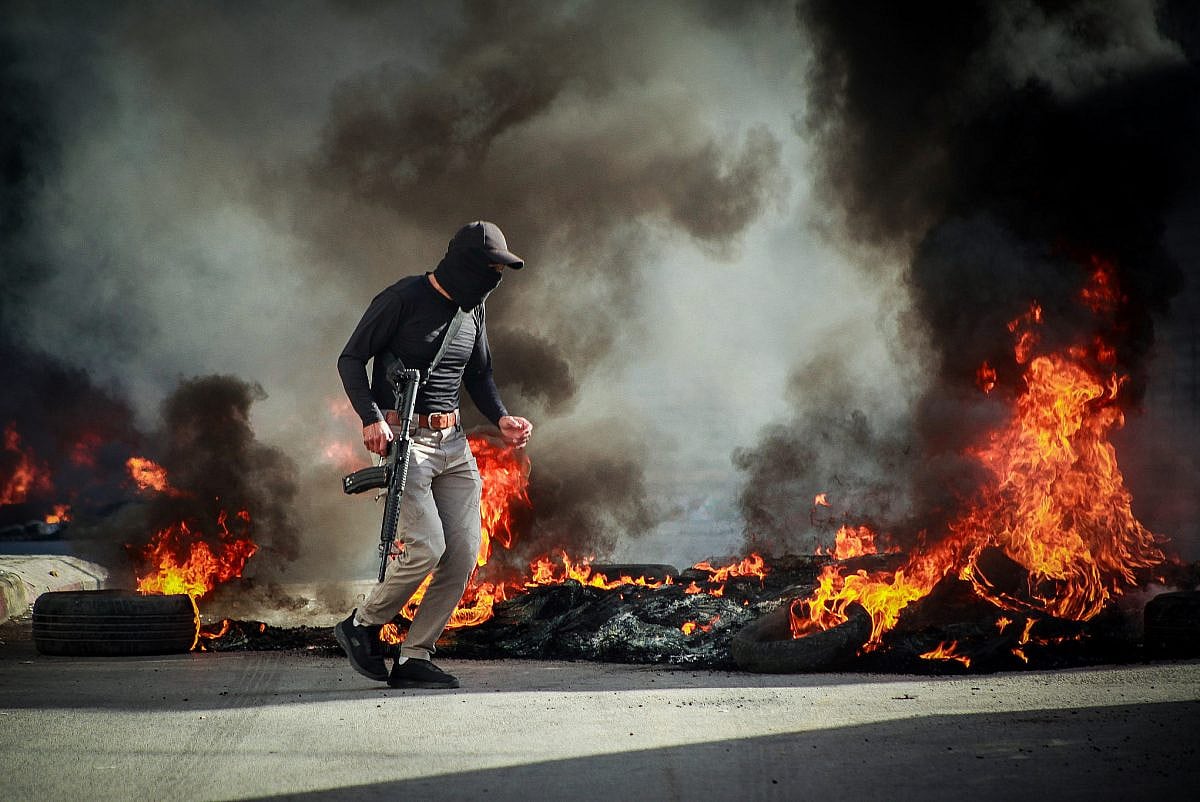
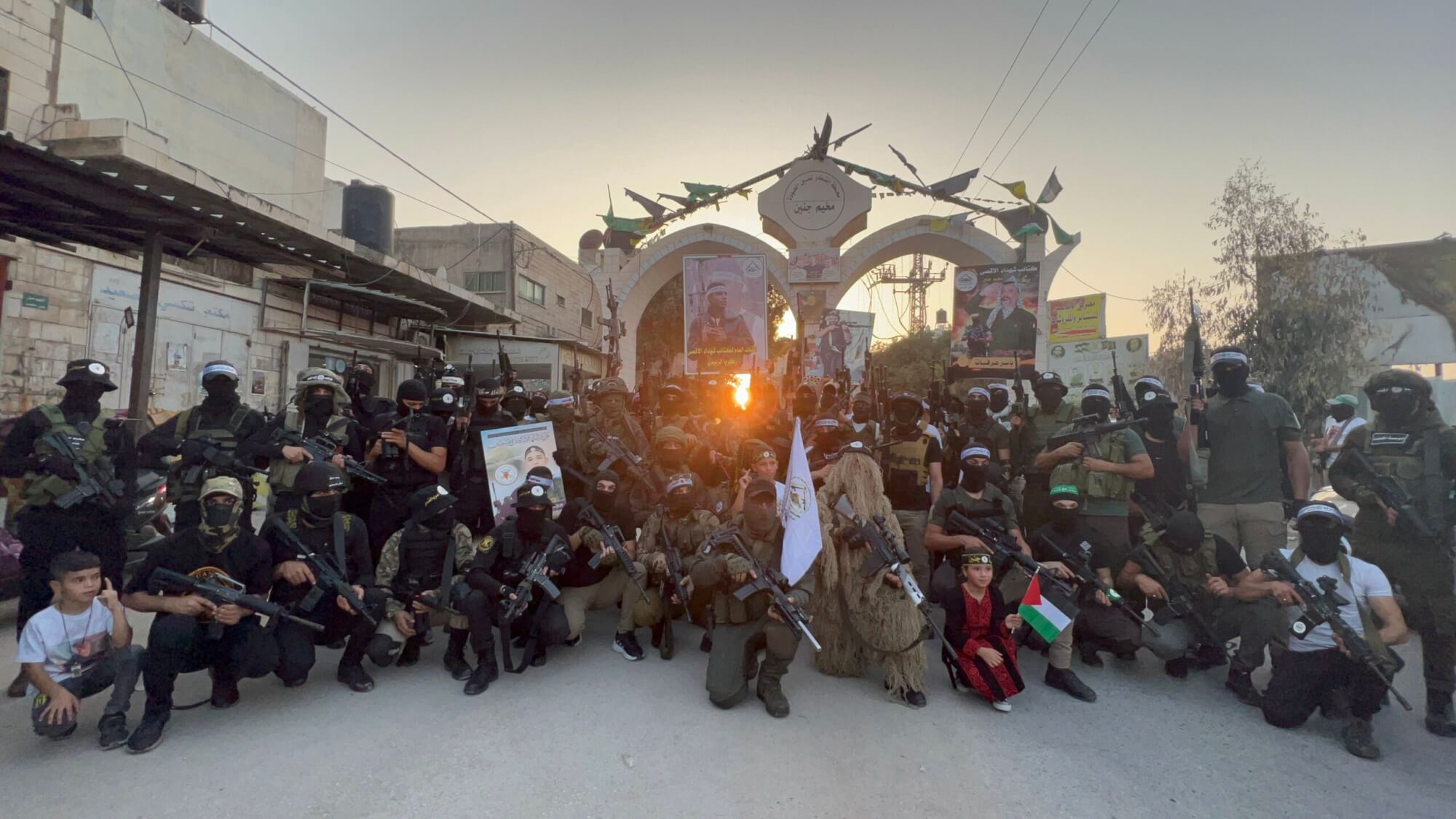
Israeli forces conducted a deadly drone strike in Jenin refugee camp, killing three Palestinians, including a field commander. The West Bank has seen a surge in violent Israeli incursions, with Jenin being a major target. Israeli forces have conducted non-stop raids, leading to civilian casualties and displacement. Palestinian resistance has grown in response, with armed confrontations and a sense of unity among various factions. The Israeli military's aggressive tactics have led to increased Palestinian determination to resist, despite the heavy toll on civilian lives.
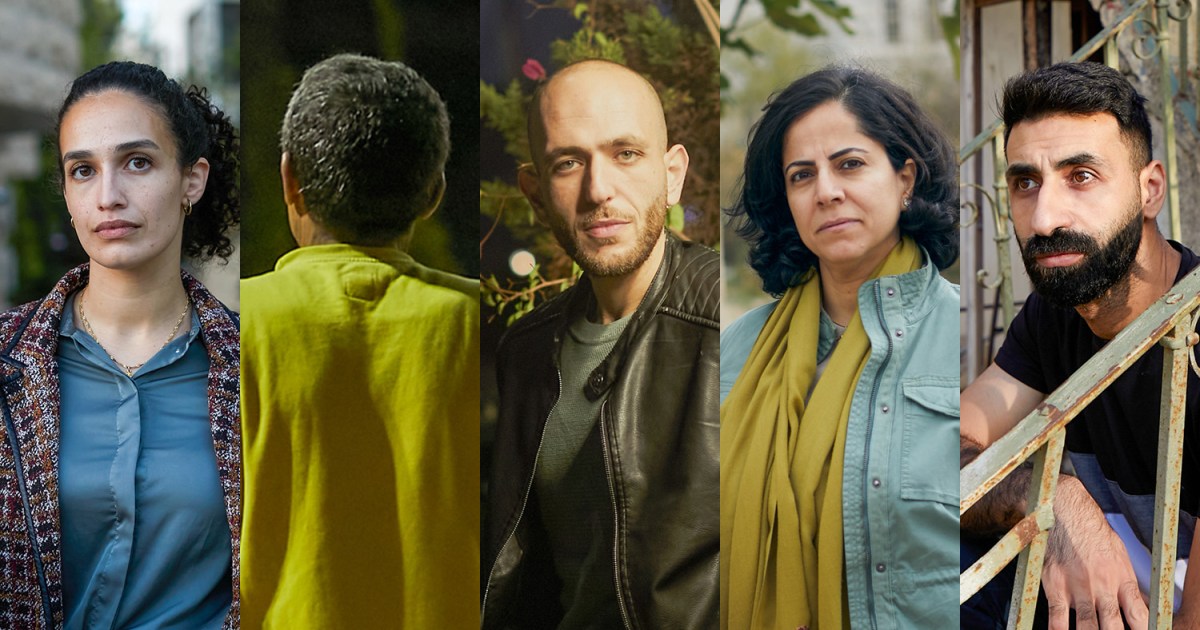
Palestinians living in the occupied West Bank express their fears and frustrations about life under what many rights organizations have classified as apartheid, with individuals from various professions sharing their experiences and concerns, including the challenges of providing for their families and the unfolding Israeli annexation plan in the region's most fertile area.
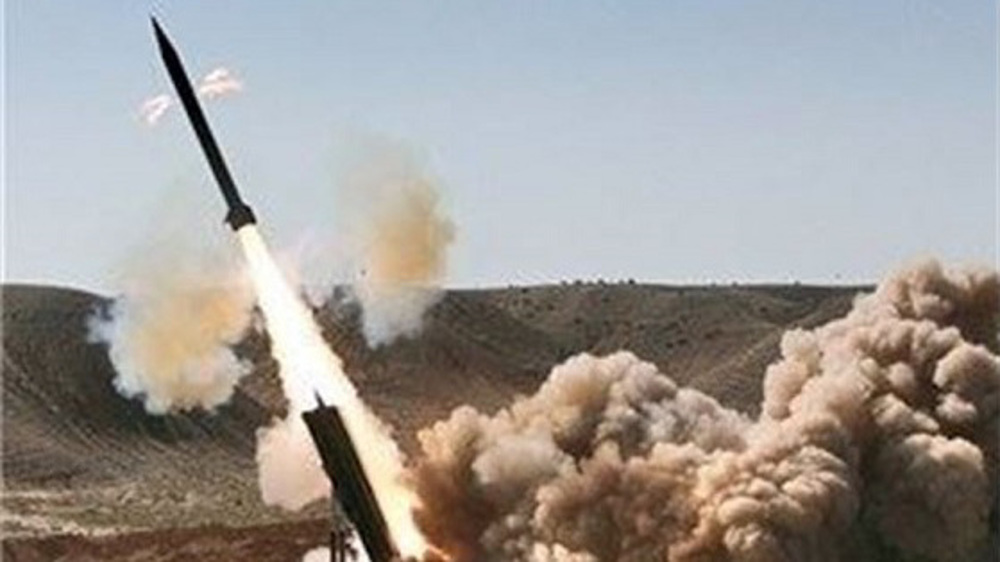
Yemen's Armed Forces fired ballistic missiles at American warships in the Gulf of Aden and Bab al-Mandab Strait in support of Palestinians in Gaza, who are facing a US-backed Israeli offensive. The forces reported hitting the warships and forcing commercial vessels to retreat, vowing to continue their operations until the blockade on Gaza is lifted and to defend against US-British aggression.
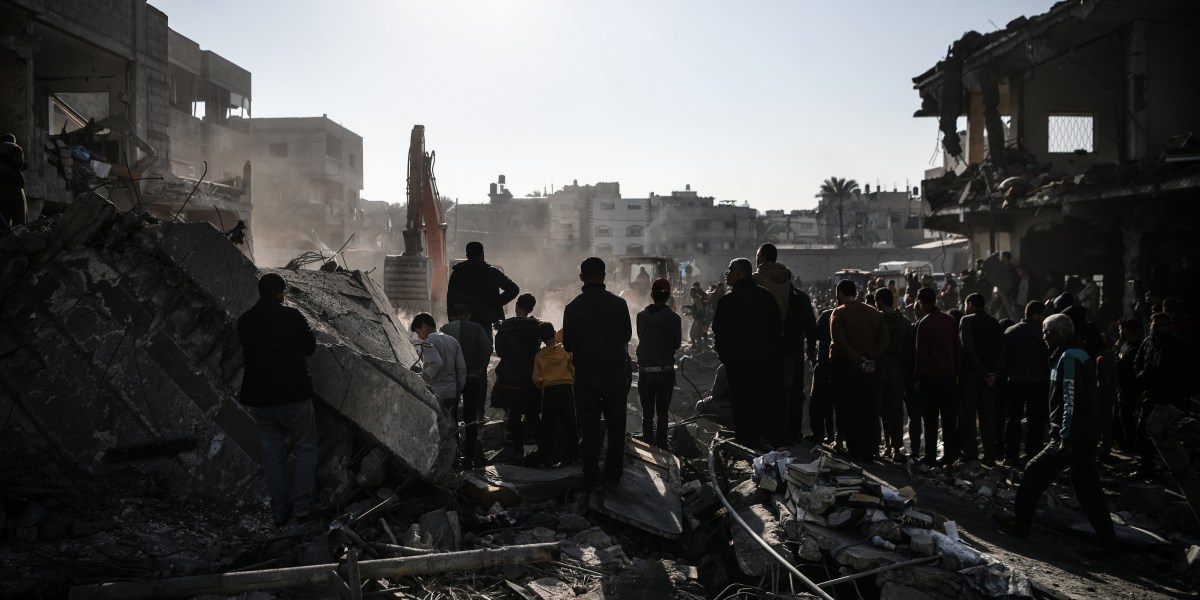
The Palestinian Resistance in Khan Yunis, Gaza, has inflicted heavy casualties on the Israeli army, with reports suggesting that about 20 soldiers were killed and wounded in a single attack. The Al-Qassam Brigades and Al-Quds of Palestinian Islamic Jihad have targeted Israeli military vehicles and soldiers using various weapons, while Hezbollah in Lebanon has also supported the Palestinian resistance by targeting Israeli forces near the Lebanese border.
Ramzy Baroud discusses the 100 days of war and resistance in Gaza, highlighting the impact of the Palestinian Resistance's attack on southern Israel and the subsequent political, military, and strategic crises faced by Israeli Prime Minister Benjamin Netanyahu. Despite international condemnation and reports of widespread destruction and suffering in Gaza, US support for Israel has remained steadfast. Baroud emphasizes the resilience and determination of the Palestinian people, asserting that history has already shown the victory of the Palestinian spirit over Israel's military might.
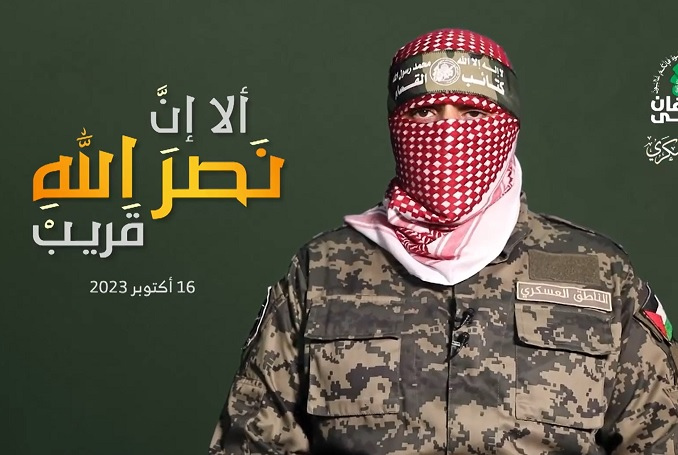
The spokesperson for Hamas' military wing, Al-Qassam Brigades, announced that they have destroyed or disabled about 1,000 Israeli military vehicles in the past 100 days of conflict in the Gaza Strip. He also rejected the prospect of negotiations with Israel before a complete and permanent ceasefire, and expressed concern for the safety of Israeli captives in Gaza.
Abu Obeida, the military spokesman for the Al-Qassam Brigades, made a televised appearance on the 100th day of the Israeli war on Gaza, emphasizing the increase in resistance strikes and the manufacturing of their own weapons. He highlighted the resilience and determination of the Palestinian Resistance, as well as the moral and strategic dynamics of solidarity taking place globally. Abu Obeida's speech underscored the unprecedented level of resistance in Gaza, with the conflict entering a new phase of armed resistance and reanimation of the Palestinian people.
The Israeli military's plan for a "third phase" of the war on Gaza has been thwarted by the Palestinian Resistance, as they continue to launch rockets and resist Israeli military operations. Despite Israeli claims of achieving objectives in previous phases, evidence on the ground suggests otherwise. The "third phase" may be an attempt by Israel to slowly end the war without an official declaration, but the Palestinian Resistance's actions will ultimately determine the outcome, potentially impacting Netanyahu's political future.
Jeremy Scahill hosted a live conversation with journalist Sharif Abdel Kouddous discussing the U.S. role in Israel's campaign in Gaza, the importance of truthful journalism, and the future of Palestinian resistance. Israel is preventing international reporters from entering Gaza and targeting Palestinian journalists who provide crucial coverage from within the region. Kouddous, who has reported from Gaza and won a George Polk Award for his documentary on the killing of a Palestinian American journalist, sheds light on the dire situation.
The Jenin refugee camp in the West Bank has been subjected to recurring nightly invasions by the Israeli military, resulting in destruction of homes, streets, and infrastructure. The raids, which have increased since October 7, are a form of collective punishment imposed on the camp and its inhabitants. Despite the destruction, the resistance in the camp, particularly the Jenin Brigade, continues to fight back. The Israeli army's attempts to portray victory through vandalism and arrests have not deterred the resistance, which remains steadfast and determined. The Israeli strategy of targeting both the resistance and the people of the camp in the hopes of driving a wedge between them has not succeeded, as the residents express their unwavering support for the resistance.
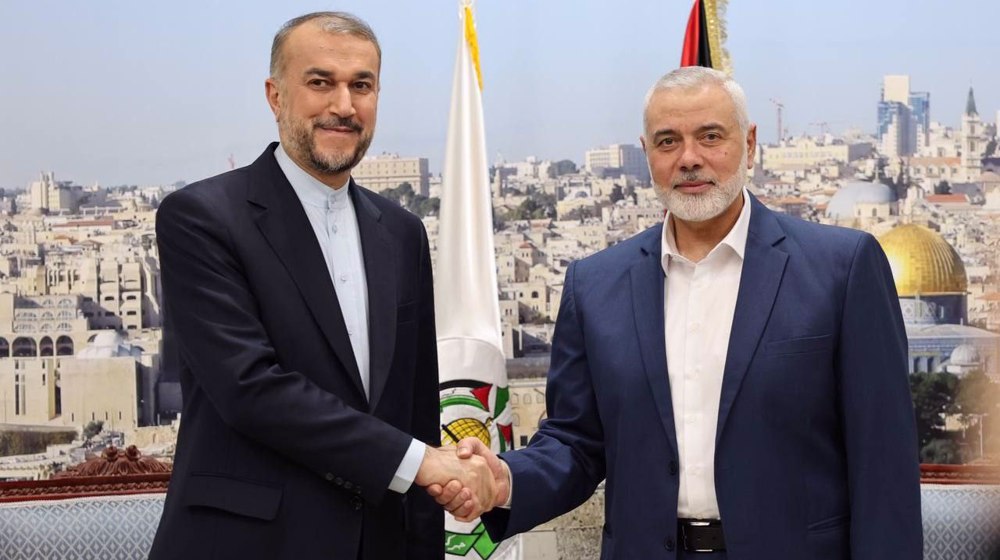
The head of Hamas' political bureau, Ismail Haniyeh, stated that the Palestinian resistance remains strong and resolute despite Israel's ongoing military attacks on the Gaza Strip. Haniyeh praised the Palestinian people for their resilience and condemned Israel's war crimes. Meanwhile, Iran's Foreign Minister, Hossein Amir-Abdollahian, expressed support for the Palestinian nation and criticized the United States' unwavering support for Israel. Efforts for a new Gaza ceasefire are underway, with Haniyeh scheduled to visit Egypt for talks. Israel is reportedly seeking a deal with Hamas to release captives in exchange for a ceasefire and the entry of humanitarian aid into Gaza.
Abu Obeida, the spokesperson for the Al-Qassam Brigades, the military wing of Hamas, issued a statement vowing to defeat the Israeli army and commending Palestinians on their resistance. He claimed that Palestinian fighters destroyed over 100 Israeli military vehicles in the past five days and accused the Israeli army of hiding the true extent of its losses. Abu Obeida called on the international community to support the Palestinian cause and urged Palestinians to escalate their resistance against the Israeli occupation.