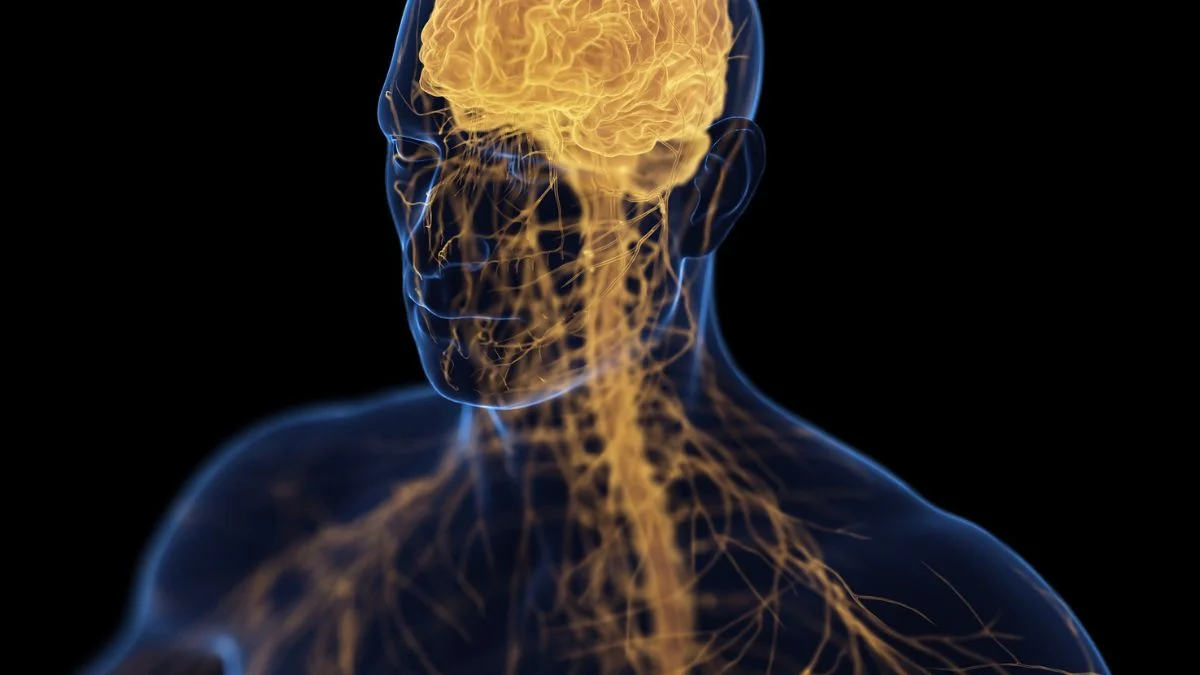
Bone-Brain Axis Sparks a Two-Way Link Between Mood and Bone Health
A new review argues that the bone-brain axis is a real physiological network in which bone-derived signals such as osteocalcin and osteopontin can affect brain function and mood, while depression and stress hormones can contribute to bone loss; recognizing this two-way communication could lead to integrated treatments (including exercise, neuromodulation, or bone-targeted therapies) and more targeted clinical research.