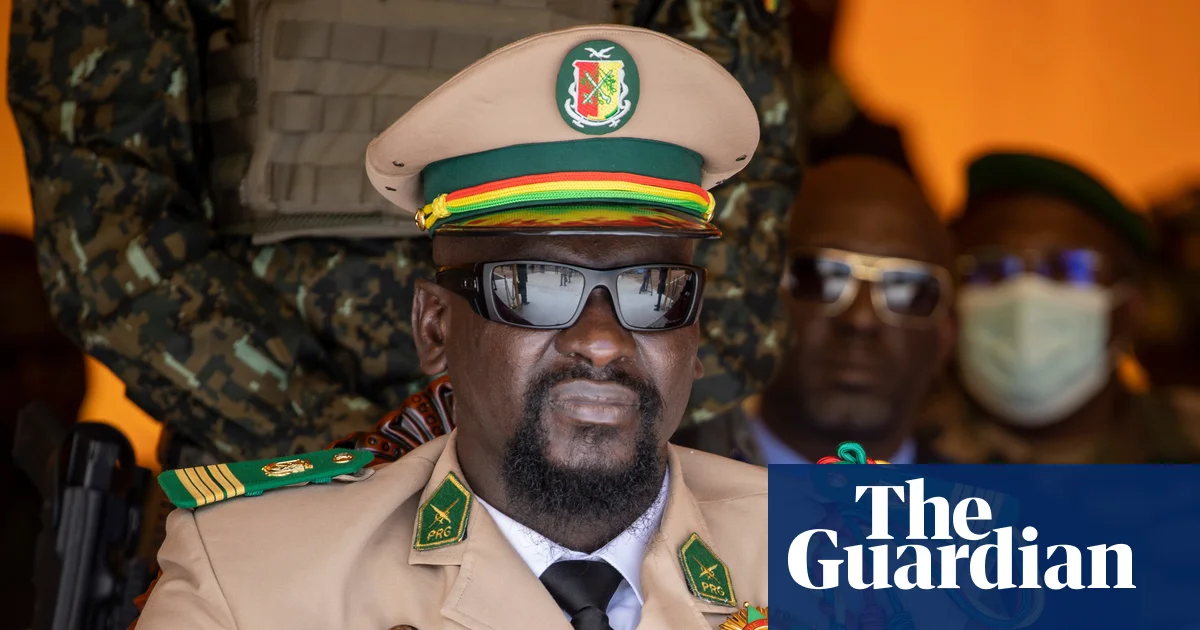
Mamady Doumbouya, Guinea's junta leader who had pledged not to run for office, was elected president with 86.72% of the vote amid an opposition boycott and allegations of irregularities, after leading a coup in 2021 and changing the constitution to allow his candidacy.
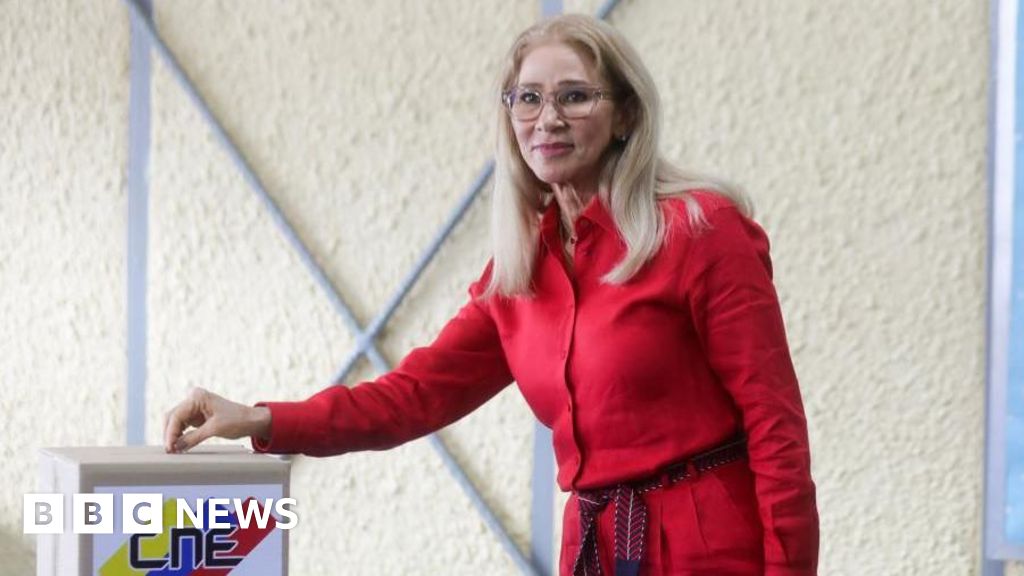
Venezuela's ruling party claims a decisive victory in regional and parliamentary elections, which were boycotted by most opposition parties amid low turnout and international criticism, consolidating Maduro's power while opposition figures criticize the process as illegitimate.
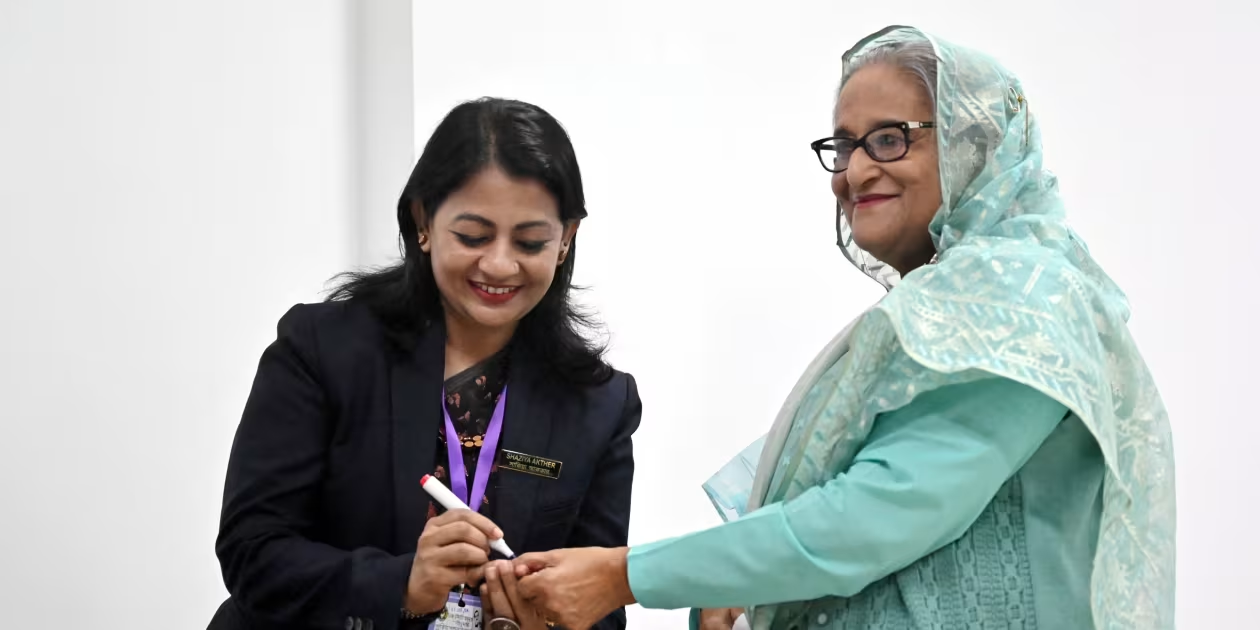
Bangladesh's ruling Awami League and Prime Minister Sheikh Hasina secured a fourth consecutive term in a Sunday election marked by an opposition boycott, allegations of rigging, violent incidents, and low voter turnout, with the ruling party securing 223 out of 299 seats.
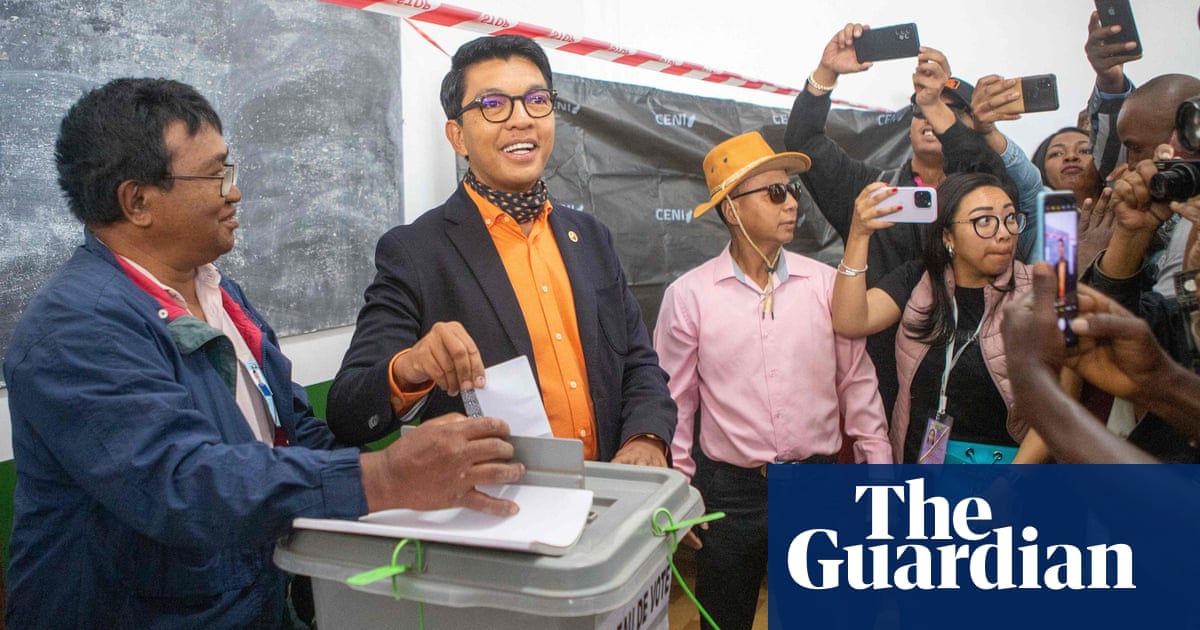
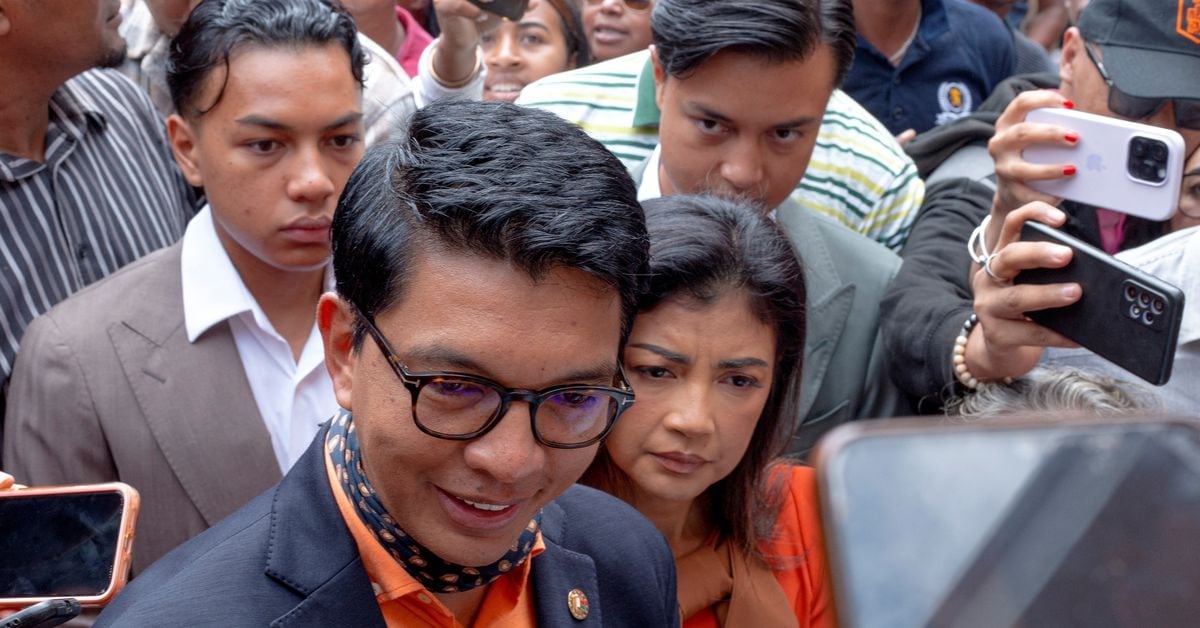
Madagascar's President Andry Rajoelina has been re-elected in the first round of a presidential election that was boycotted by nearly all opposition candidates. Rajoelina won 58.95% of the votes, but the result still needs to be validated by the constitutional court. The election saw a turnout of just over 46%, lower than the previous election in 2018. The opposition has denounced irregularities and called for the electoral process to be suspended, while Rajoelina's rivals accuse him of corruption and turning a blind eye to the pillage of the country's natural resources.
Madagascar's incumbent leader, Andry Rajoelina, is set to secure a third term as president after obtaining the most votes in a presidential election marked by a low turnout and an opposition boycott. Provisional results showed Rajoelina with 58.9% of the vote, followed by Siteny Randrianasoloniaiko with 14.4%. Rajoelina's opponents have declared that they will not accept the results, citing irregularities and unfair election conditions. The opposition had called for a boycott, resulting in a historically low turnout of 46.4%. The final results will be announced by the country's High Constitutional Court within nine days.
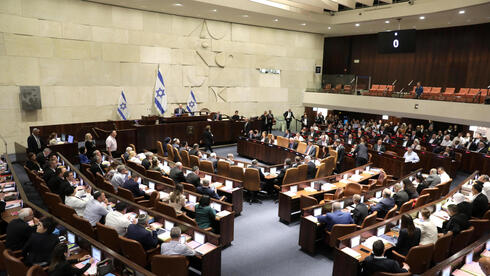
The Knesset, Israel's parliament, has passed a bill limiting the oversight power of the Supreme Court over the executive and legislative branches, despite opposition members walking out of the plenum ahead of the vote. Defense Minister Yoav Gallant voted with the government, despite earlier expressing the need for compromise amid protests from reserve members refusing to serve what they see as a non-democratic regime. Opposition leader Yair Lapid announced that the opposition would file a petition against the legislation with the Supreme Court. Protests erupted outside the Knesset and the Supreme Court, with demonstrators blocking the main highway.
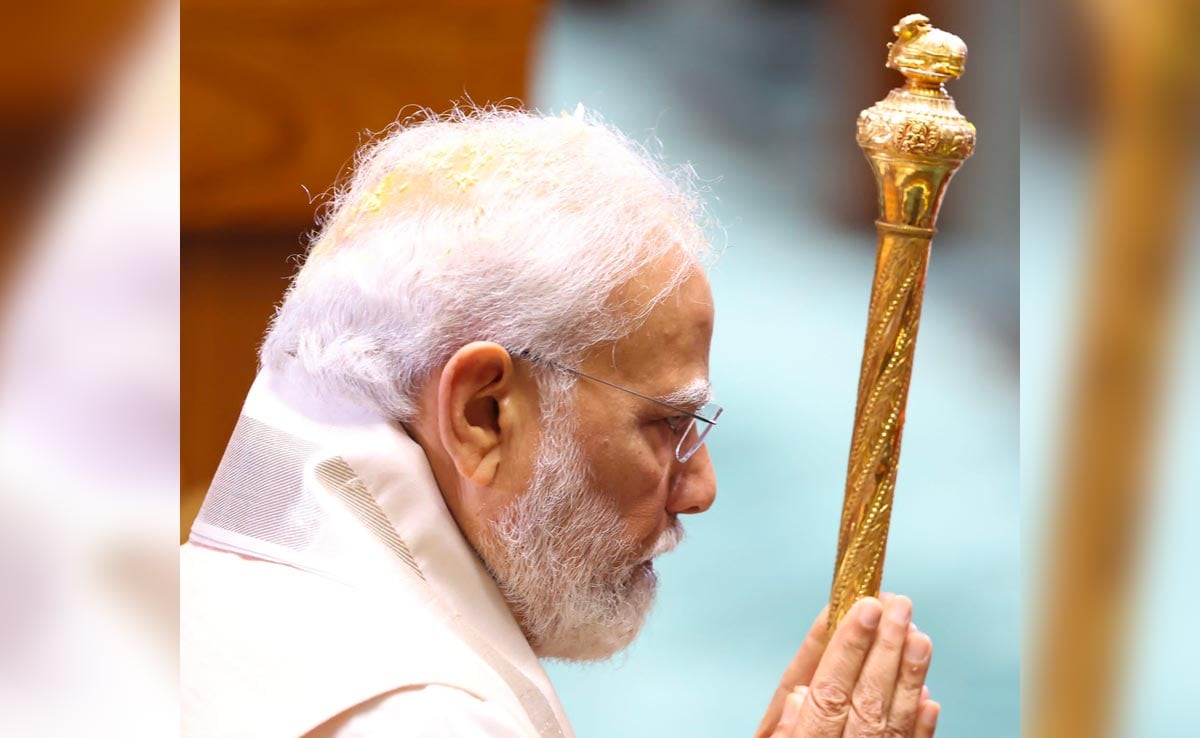
Prime Minister Narendra Modi inaugurated the new parliament building in India, which can seat 888 members in the Lok Sabha chamber and 300 in the Rajya Sabha chamber. The inauguration was boycotted by opposition parties, who insisted President Droupadi Murmu should do the honours. The new building has a grand constitution hall, a lounge for MPs, a library, multiple committee rooms, dining areas and ample parking space. The triangular-shaped four-storey building has a built-up area of 64,500 square metres and has three main gates - Gyan Dwar, Shakti Dwar and Karma Dwar.