Congress has pulled back funding for the U.S. Open RAN initiative, citing concerns over technical vulnerabilities and the risk of entrenching existing telecom giants, which may hinder innovation and pose security threats amid rising cyber risks.
The Biden administration is aggressively promoting Open RAN, an emerging technology for cellular towers, as a way to challenge Chinese tech giant Huawei's dominance in the global market for internet data and phone call infrastructure. With significant funding and diplomatic efforts, the U.S. is pushing for the adoption of Open RAN in various countries, aiming to counter Huawei's influence. However, the initiative faces skepticism and challenges, with some viewing it as a geopolitical maneuver and others expressing concerns about cybersecurity risks and market complexities. Despite these obstacles, the U.S. is making strides in gaining support for Open RAN, with major telecom operators and global alliances showing interest in the technology.
AT&T shares rose 3.9% after announcing a new network deal with Ericsson, in which the company plans to spend up to $14 billion on network equipment over a five-year period. AT&T aims to lead the US in commercial scale open radio access network (Open RAN) deployment.
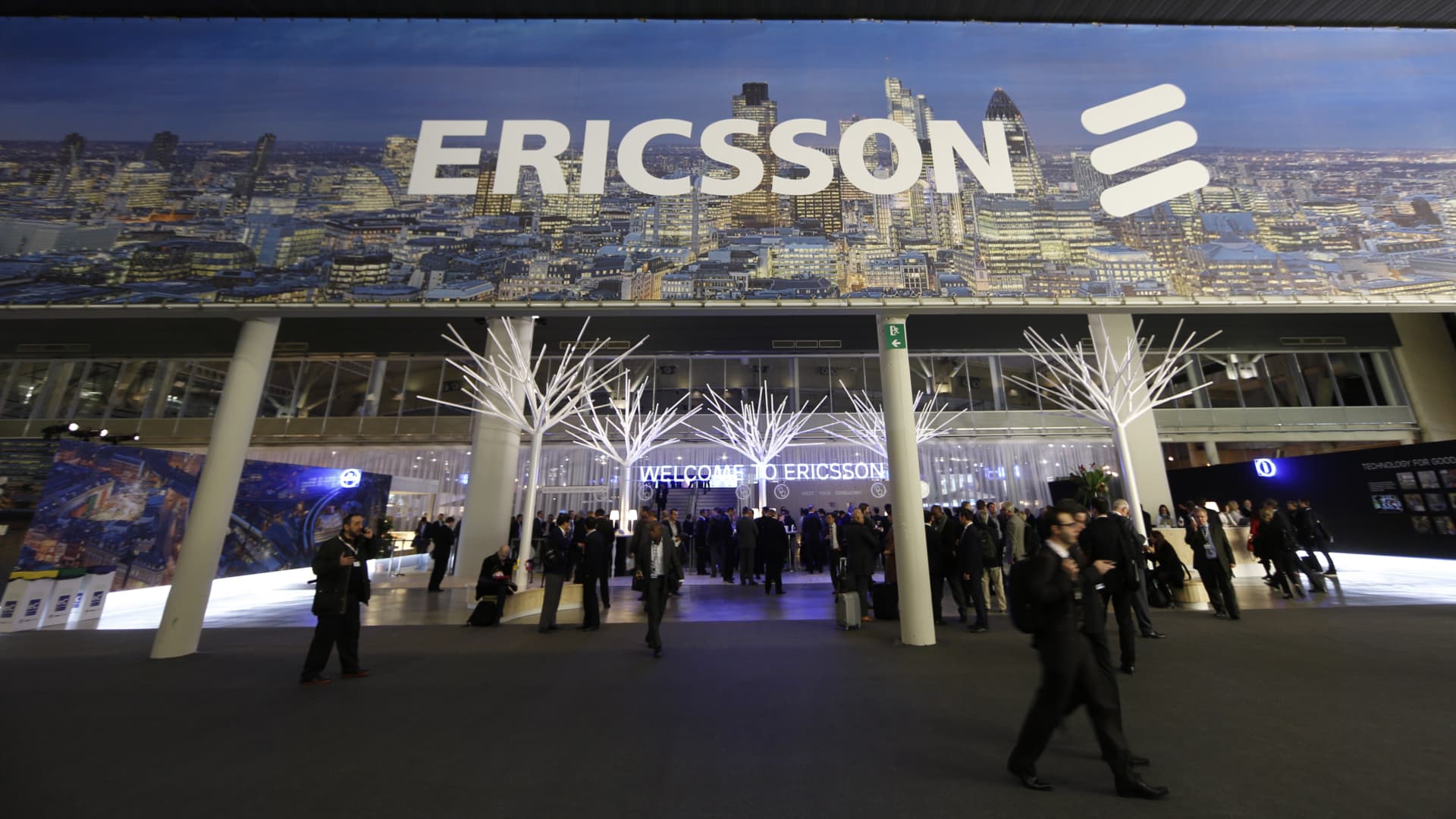
Ericsson has secured a $14 billion deal with AT&T to provide equipment for the US telecom giant's 5G network. The agreement includes the deployment of Ericsson's "open RAN" technology, which allows for greater flexibility and interoperability in network infrastructure. This deal is a significant boost for Ericsson in the competitive telecommunications market.
Nokia's shares plunged to a three-year low after losing a major deal with AT&T to Swedish rival Ericsson. AT&T will be partnering with Ericsson to roll out a new network in the U.S., using Ericsson's 5G equipment. The partnership covers the deployment of an open radio access network (Open RAN), which AT&T expects to use for 70% of its wireless network traffic by late 2026. Nokia CEO Pekka Lundmark called the news "disappointing" but said the company remained committed to Open RAN and had plans to diversify its business. Nokia is already facing financial troubles, and the loss of market share as a supplier to AT&T will further impact its revenue.