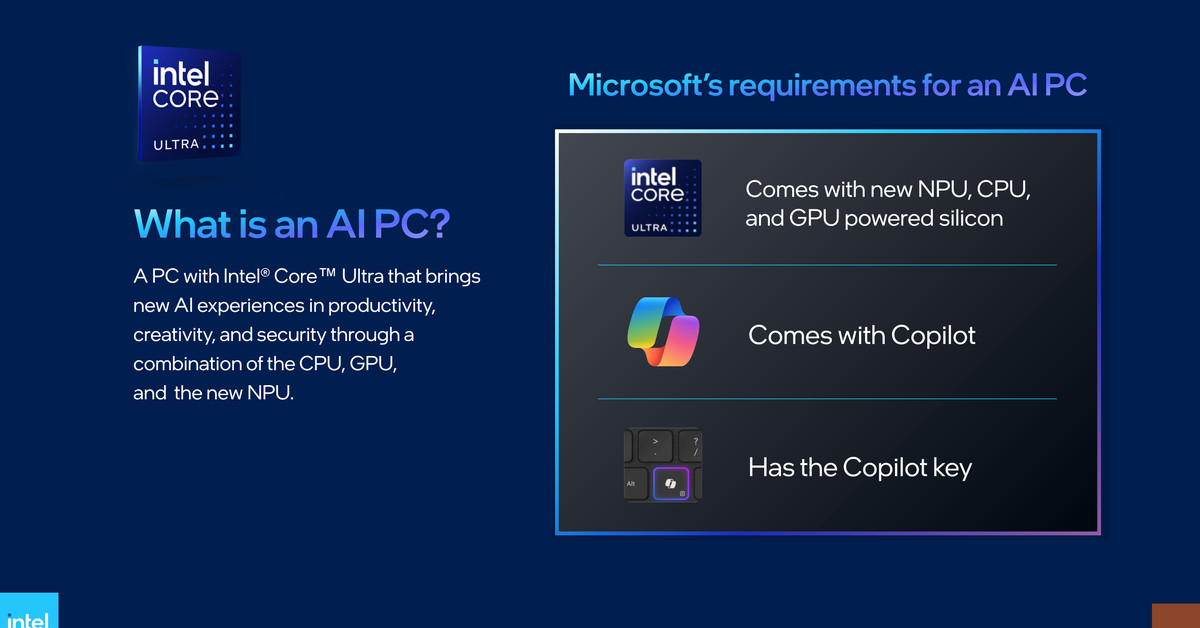
Microsoft is requiring OEMs to include a Copilot key in their AI PCs, which must also feature a Neural Processing Unit (NPU), the latest CPUs and GPUs. Intel and Microsoft have aligned on Core Ultra, Copilot, and Copilot key, but some laptops, like Asus’ new ROG Zephyrus, have shipped without the key. Intel is expanding its AI PC acceleration program to reach smaller developers and hardware vendors, aiming to optimize apps and hardware for AI PCs. The race for Intel is against Qualcomm, which is about to launch Snapdragon X Elite laptops, and Google is releasing an optimized version of Chrome for Windows on Arm. Microsoft will outline its vision for AI hardware and software at an upcoming event on May 20th.
AMD is preparing to introduce the Smart PC Solutions Builder feature through its Platform Management Framework (PMF) Linux driver. This feature allows OEMs to define custom system states for dynamic switching, enhancing power, performance, and thermal behavior based on various environmental factors. However, controversy arises due to the authentication and restrictions imposed by AMD, as the policy binary required for customization is signed and encrypted by AMD, limiting user access. The AMD PMF patches also integrate with the AMDGPU kernel graphics driver, human presence detection, and ambient light sensor functionalities.
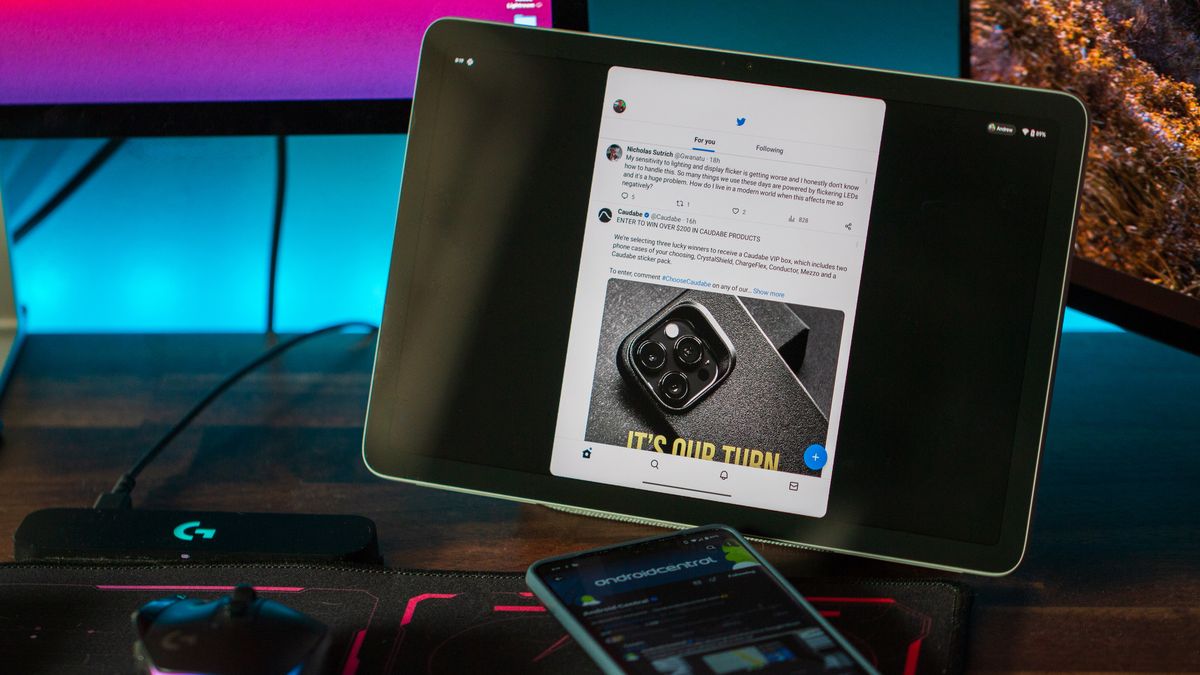
The ties between Google and its Pixel smartphones provide the devices with a level of security and support that other Android hardware vendors envy, but these ties also limit what the Pixel can do. Google's close collaboration between the Pixel and Android teams ensures that new features introduced by the Pixel don't break compatibility with other parts of the operating system or with apps. However, this approach can lead to criticism from users who want certain apps to be optimized for large screens. While other device makers have more flexibility in creating new features, they don't have the same privileged position as Pixel when it comes to getting new features into Android. Despite some limitations, Pixel's ties to Google allow for early access to new Android releases and day one updates, which are highly valued by Pixel users.
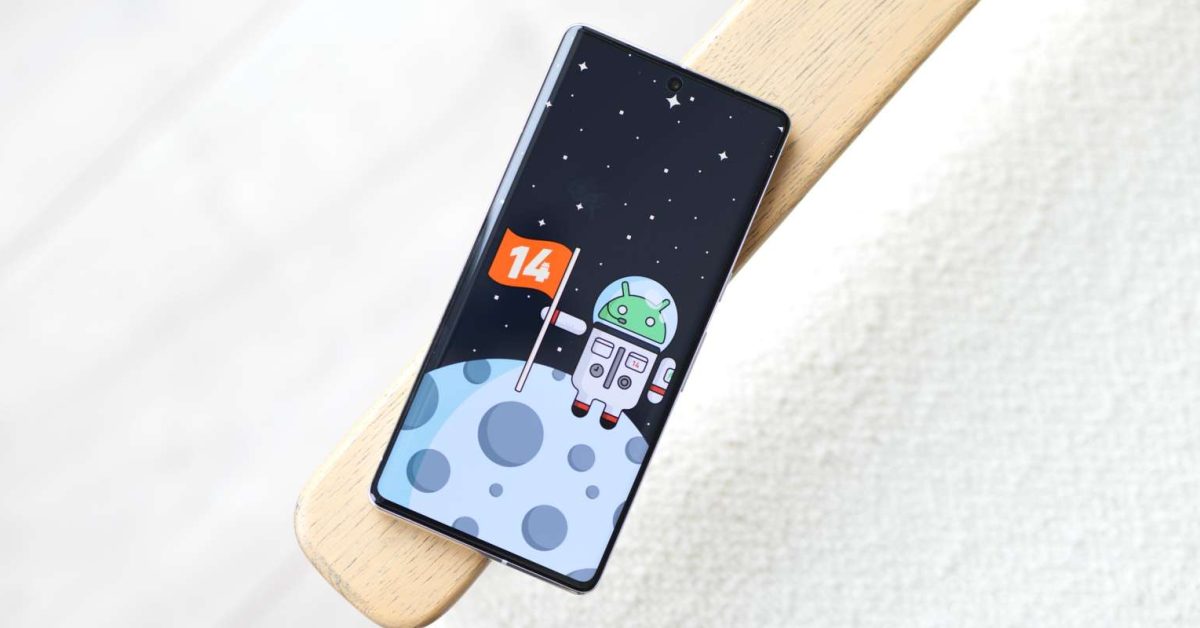
Android 14 Beta is now available for smartphones from various OEMs, including Lenovo, OnePlus, Oppo, Vivo, Xiaomi, and more. The update brings new features such as a floating clipboard tool and changes to the At a Glance widget. Each OEM has provided a guide on how to install the Beta, which varies depending on the device. Users should carefully read the instructions before attempting to install the update to avoid bricking their device.
The new EPA rule could lead to EVs making up as much as 60% of new cars sold in the US in just seven years, impacting car dealerships, OEMs, and EVs sold by direct sales. While Tesla's price cuts initially boosted sales numbers, this method of price slashing to beat dealers is not sustainable in the long term. OEMs that prioritize EV adoption have seen greater success and brand loyalty than those that haven't. The EPA's proposed rules will open up the market in the US, providing dealerships with an opportunity to educate the public and increase EV sales.