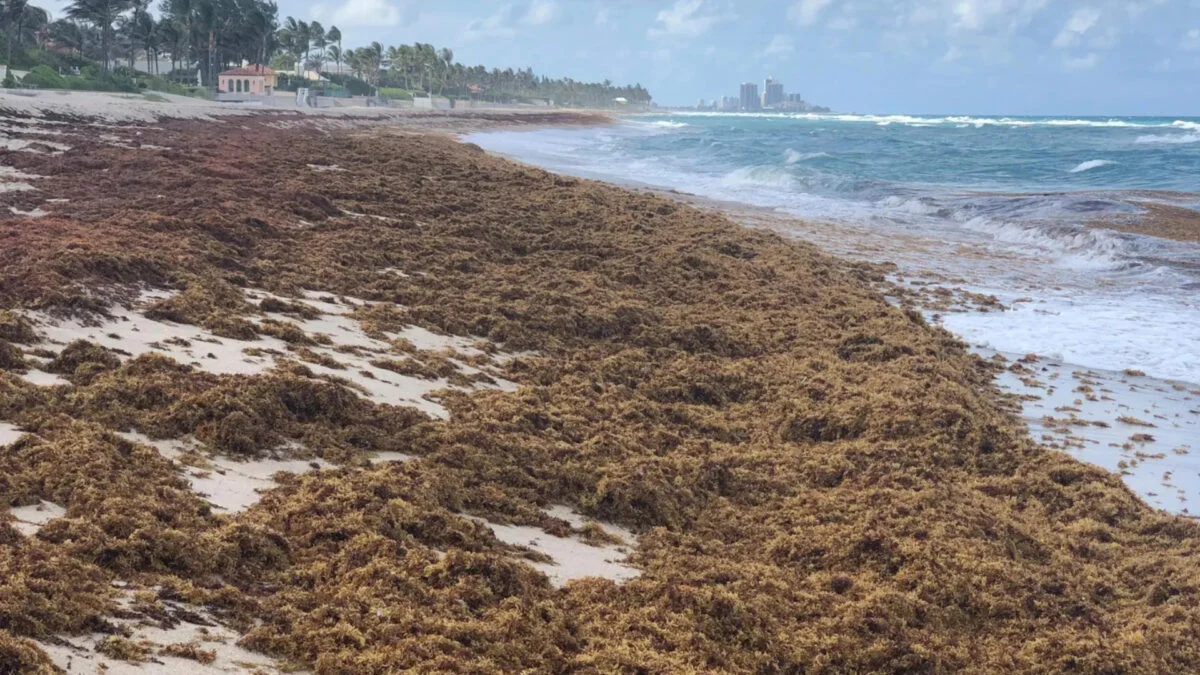
Since 2011, a massive and growing bloom of brown seaweed called Sargassum has been spreading across the Atlantic, driven by nutrient pollution from human activities and ocean currents, impacting coastal communities and ecosystems.
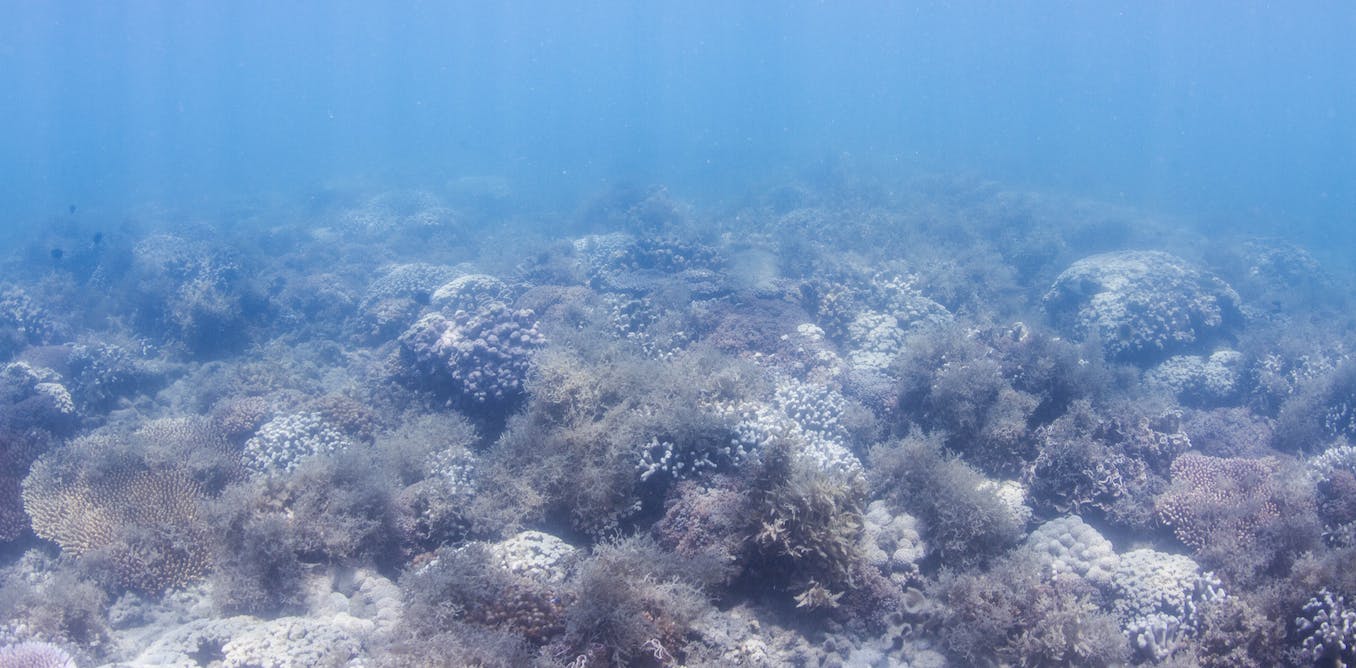
A new study has found that previously unquantified groundwater inputs are the largest source of new nutrients to the Great Barrier Reef, potentially changing how the reef is managed. Excess nutrients, such as nitrogen and phosphorous, can lead to losses of coral biodiversity, increased algae abundance, and the breeding success of crown-of-thorns starfish. While previous focus has been on reducing surface water nutrient inputs, this study highlights the need to address other sources, such as groundwater discharge. Strategic shifts in land management practices and exploring the reuse of nutrient-rich groundwater for agriculture are suggested to safeguard the reef's health for future generations.