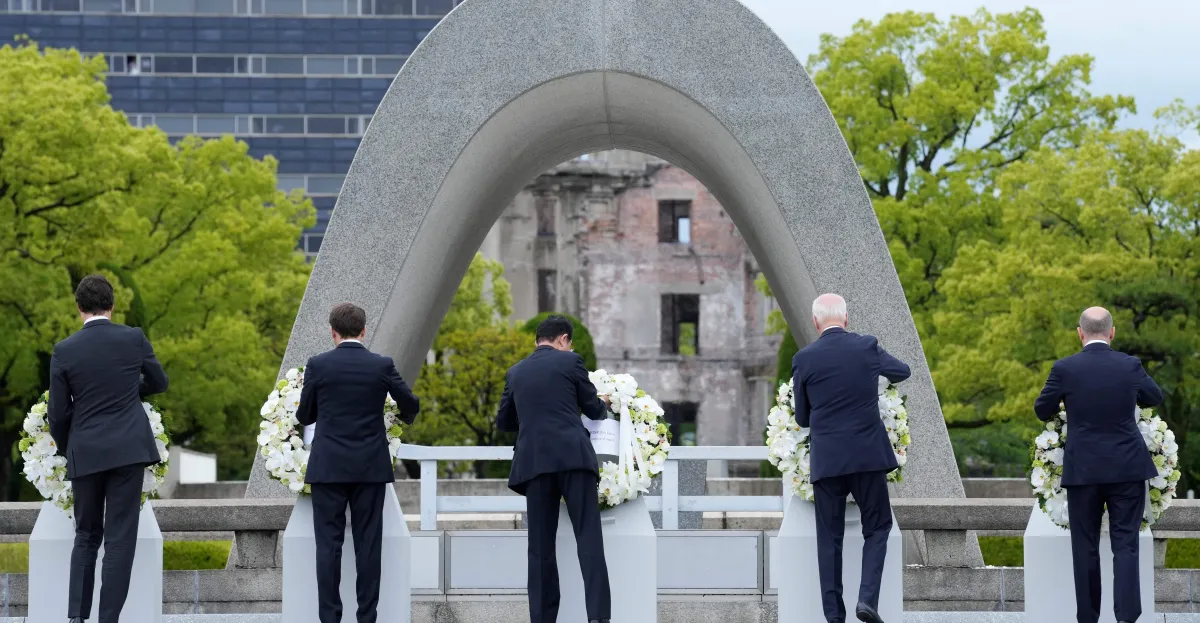
While historic statements from world leaders emphasize that nuclear war cannot be won and must never be fought, recent actions and strategies suggest that nuclear powers may still believe they can win a nuclear conflict and are preparing accordingly, raising concerns about the true commitment to nuclear disarmament amid rising global tensions.
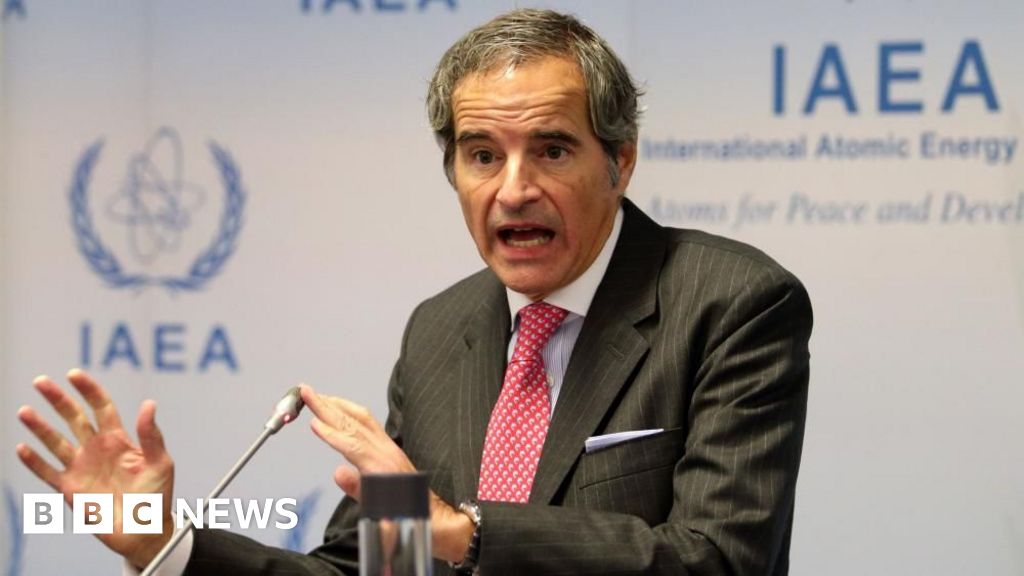
The head of the International Atomic Energy Agency (IAEA), Rafael Grossi, expressed concern over Iran's increased production of 60% enriched uranium, which is close to weapons-grade. This move is seen as a response to regional setbacks and has raised fears of potential nuclear weapon development, despite assurances from Iranian leaders. Grossi warned against any military action by Israel on Iran's nuclear facilities, citing severe consequences. The situation highlights growing tensions and challenges to global nuclear non-proliferation efforts.
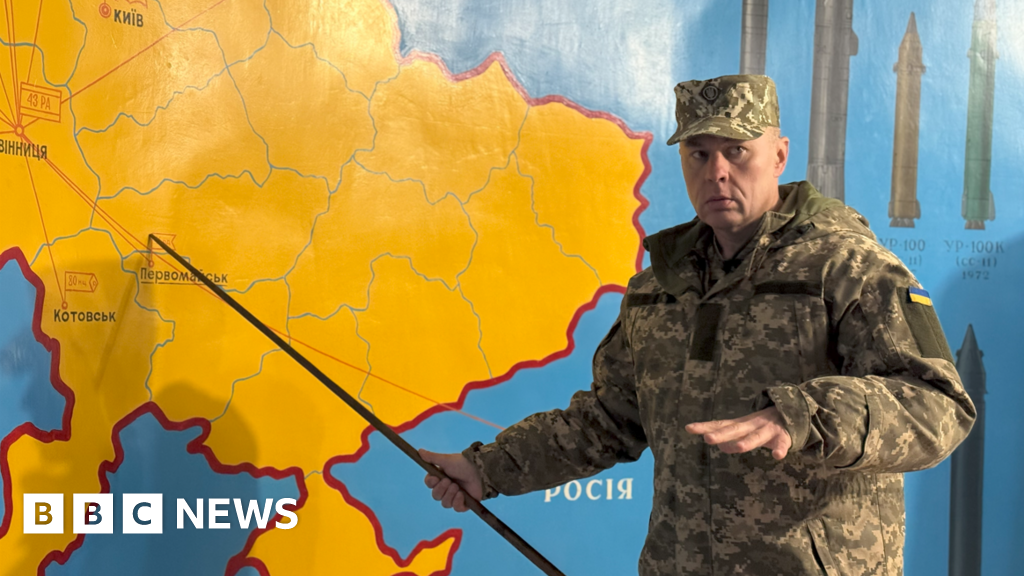
Ukraine is reflecting on its 1994 decision to relinquish its nuclear weapons in exchange for security assurances from major powers, amid ongoing conflict with Russia. The Budapest Memorandum, which promised Ukraine's security, is now seen as inadequate, prompting discussions on alternative security measures, including potential NATO membership. Some in Ukraine are even reconsidering the nuclear option, though it's not currently on the agenda. The situation underscores the challenges Ukraine faces in securing reliable international support against Russian aggression.
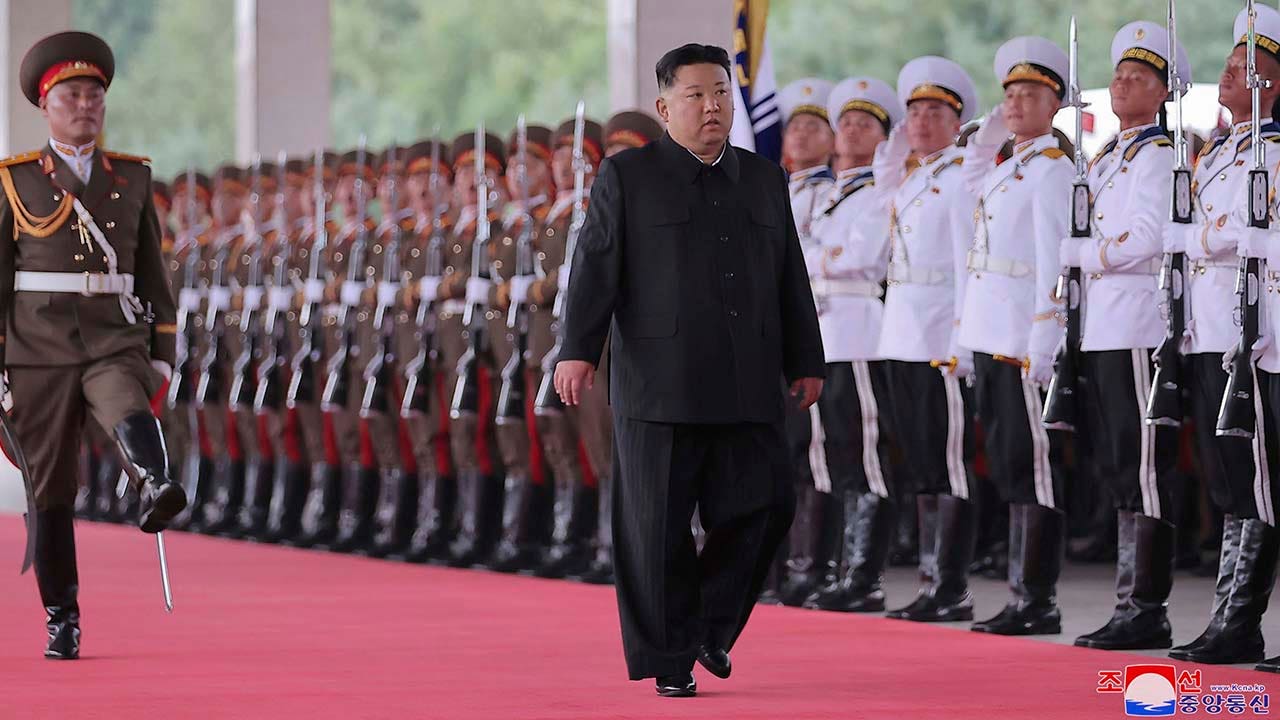
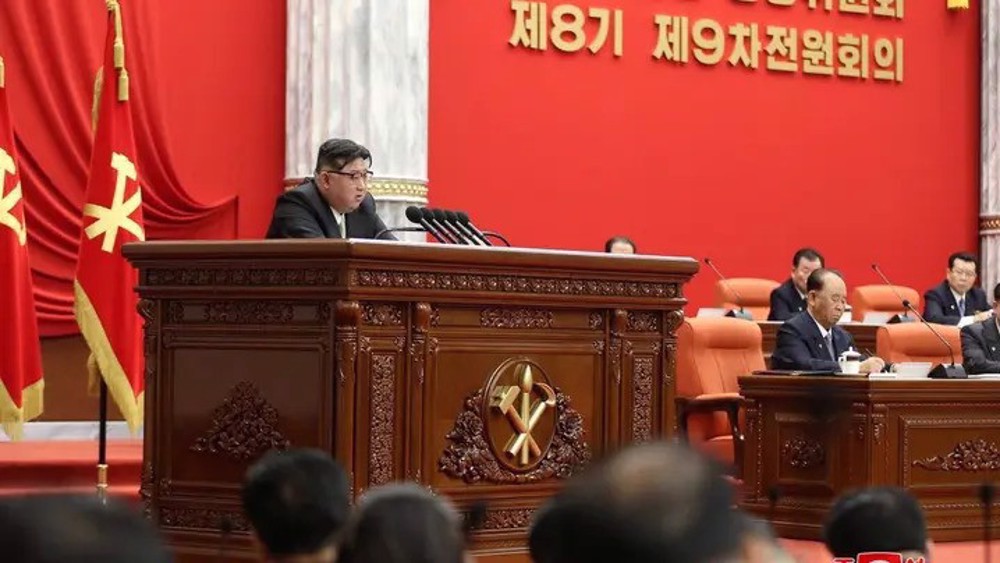
North Korean leader Kim Jong Un has instructed his military to prepare to use their most powerful means to annihilate South Korea and the U.S. if provoked into war. This statement follows a series of aggressive actions and threats, including missile launches and the development of nuclear materials and military satellites. Kim's rhetoric emphasizes North Korea's aim for an "overwhelming war response capability" and comes amid increased cooperation with Russia and China. The announcement aligns with North Korea's intensified military activities throughout 2023 and its leader's focus on strengthening the country's defense capabilities.
North Korean leader Kim Jong-un has declared that North Korea is no longer seeking reunification with South Korea, framing the relationship as one between hostile nations. He warned of serious action if provoked militarily by the US and South Korea, emphasizing North Korea's readiness to use its nuclear deterrent. Kim's statements come amidst heightened tensions following North Korea's acceleration of its war preparations and nuclear program in response to US and South Korean military activities. Additionally, North Korea plans to launch three more reconnaissance satellites in 2024 to enhance its military capabilities, building on the success of its first satellite launched in 2023.