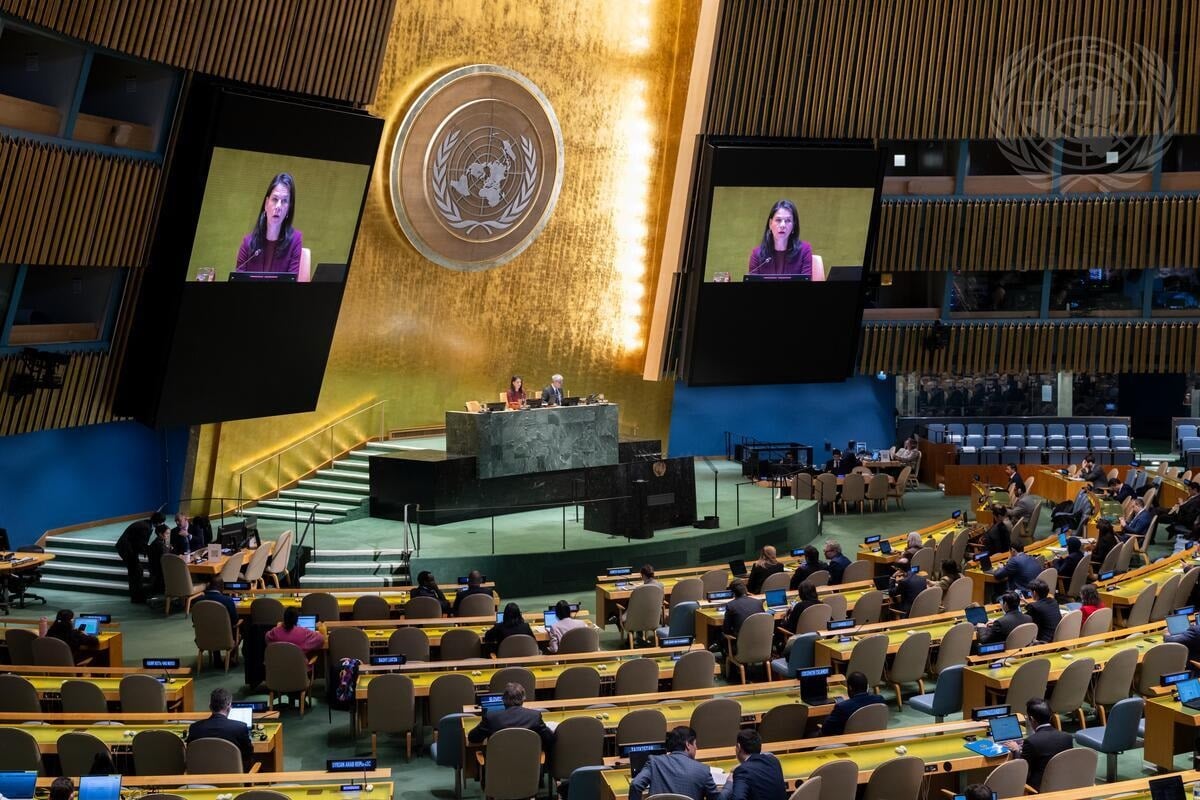
World leaders at the UNGA adopted a historic declaration to combat noncommunicable diseases and mental health issues through integrated global targets for 2030, emphasizing prevention, access to care, and a whole-of-society approach to improve health outcomes worldwide.
A study finds that once a country's happiness score exceeds 2.7 on a 10-point scale, higher happiness levels are linked to lower mortality from chronic diseases, suggesting that improving national well-being could enhance public health and longevity.
A study finds that once a country's happiness score exceeds 2.7 on a 10-point scale, higher happiness levels are linked to lower mortality from chronic diseases, suggesting that improving national well-being can promote health and longevity, especially in stable societies.
Global life expectancy has returned to pre-pandemic levels at around 76.3 years for women and 71.5 for men, but rising death rates among adolescents and young adults, along with persistent health inequities and preventable risk factors, highlight urgent global health challenges that require strategic policy responses.
Global life expectancy has returned to pre-pandemic levels, but rising death rates among teens and young adults, driven by factors like suicide, drug overdose, and infectious diseases, highlight ongoing health disparities and emerging crises, especially in low-income regions. The study emphasizes the need for expanded health policies and international aid to address preventable risks and health inequities worldwide.
The World Health Organization (WHO) has unveiled its first plan to combat hypertension, the leading cause of death worldwide. With high blood pressure affecting one in three adults globally, the number of people impacted has doubled since 1990, reaching 1.3 billion. Surprisingly, three-fourths of those affected reside in low- and middle-income countries, with nearly half unaware of their condition. The WHO estimates that 76 million lives could be saved by 2050 if adequate treatment and control measures are implemented. The plan calls for governments to prioritize hypertension control, establish uniform protocols for diagnosis and treatment, and improve access to affordable medications. Experts emphasize the need to address hypertension as a neglected global health issue, highlighting the importance of prevention and treatment efforts.
Israel could prevent between 42,000 and 79,000 deaths in the next 25 years by adopting a primary prevention program that targets noncommunicable diseases linked to preventable activities such as smoking, gaining excess weight, and a lack of physical exercise. The adoption of 10 interventions, including smoking prevention, reducing sugar consumption, and increasing physical exercise, would cost the country around NIS 25 billion over 25 years, resulting in an expected savings of between NIS 70b. and NIS 126b. in treatment costs over 25 years. The program centers around a “hybrid national prevention project” that could provide seven of the 10 individual interventions to all citizens over 45 through a “single-stop” case manager who will provide advice against multiple risk factors and illnesses.