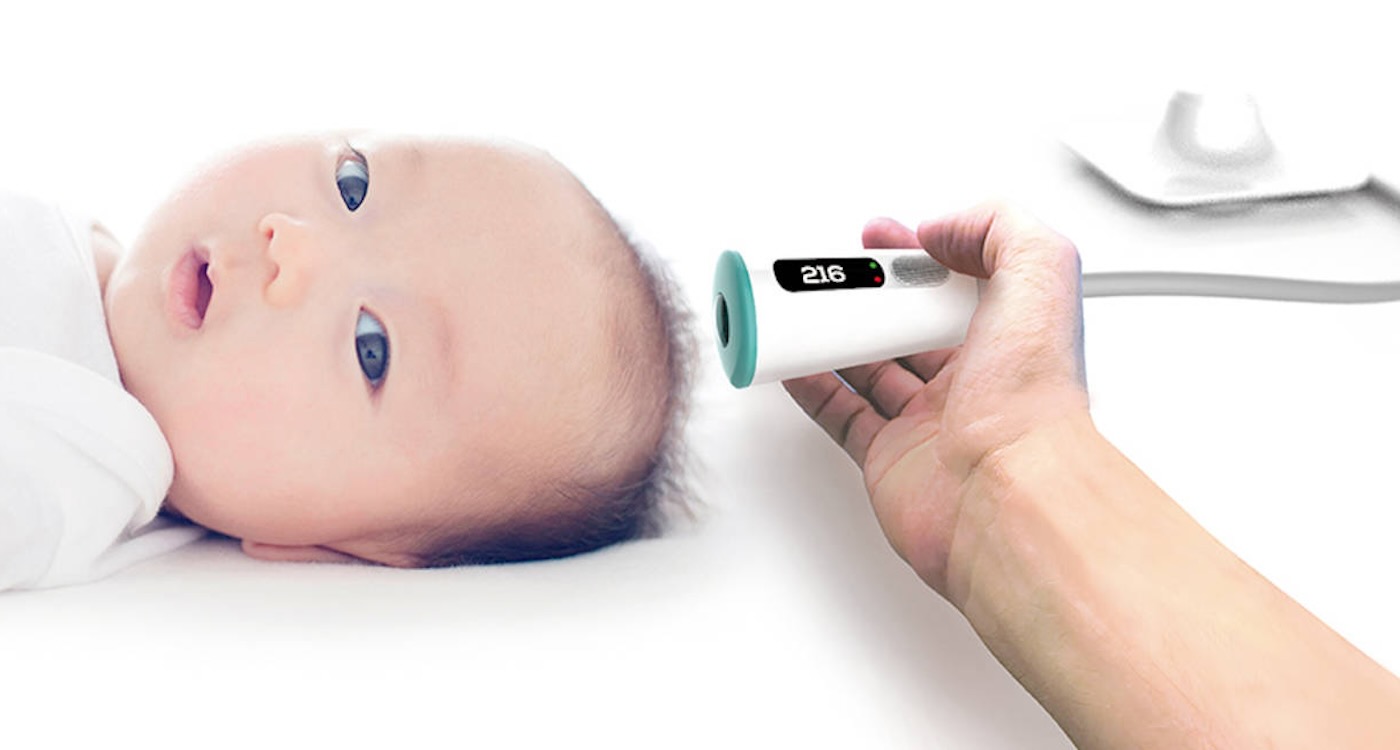
A new high-resolution ultrasound device called Neosonics offers a non-invasive, accurate method to detect meningitis in babies, potentially replacing the invasive spinal tap, with 94% accuracy demonstrated in a recent international study.
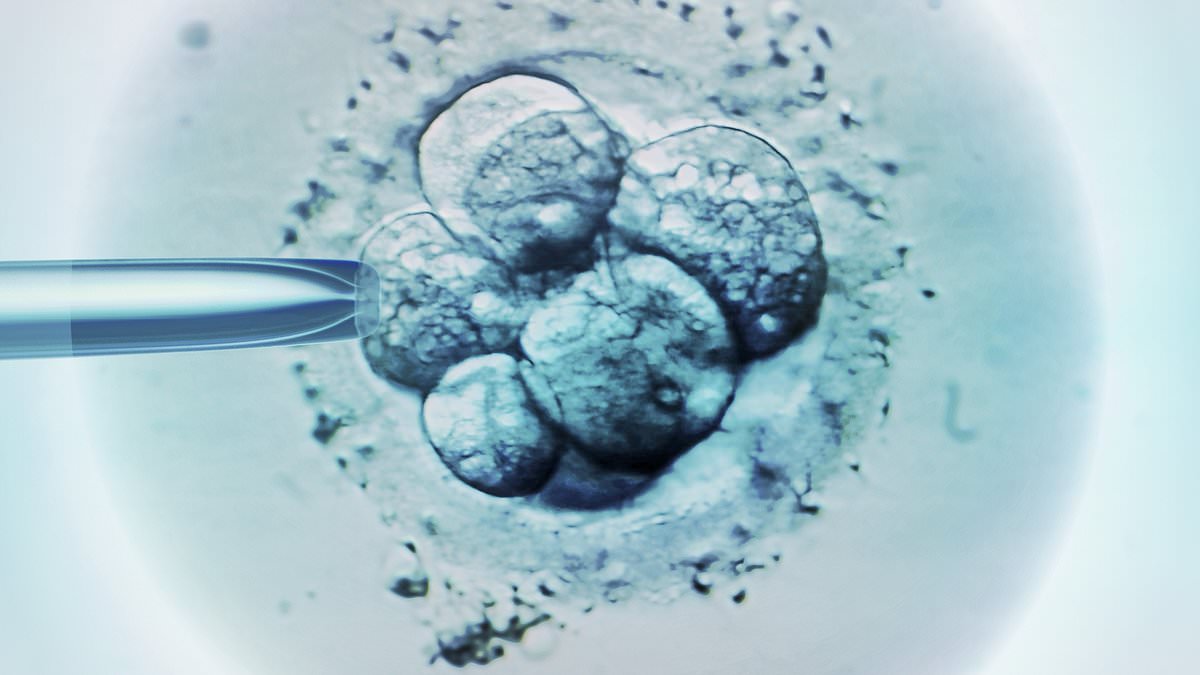
Scientists at the University of California San Diego have developed a non-invasive test that can assess the quality of lab-grown embryos, potentially reducing the element of chance in IVF. The test analyzes particles of genetic material left behind in petri dishes used to grow fertilized eggs, providing insights into embryo development without the need for biopsies or visual assessments. This breakthrough could lead to more accurate predictions of IVF outcomes and potentially improve success rates, offering hope to couples struggling with fertility issues.
Colorectal cancer, the second most fatal cancer in the US and Europe, is on the rise among younger individuals. Mainz Biomed has developed ColoAlert, a non-invasive and user-friendly DNA-based screening test for colorectal cancer. Recommended by the US Preventive Services Task Force, ColoAlert aims to make screenings more accessible and convenient, potentially saving countless lives. With impressive revenue growth and innovative mRNA biomarkers, Mainz Biomed is emerging as a strong contender in the diagnostic industry, challenging established companies like Exact Sciences and Geneoscopy.