
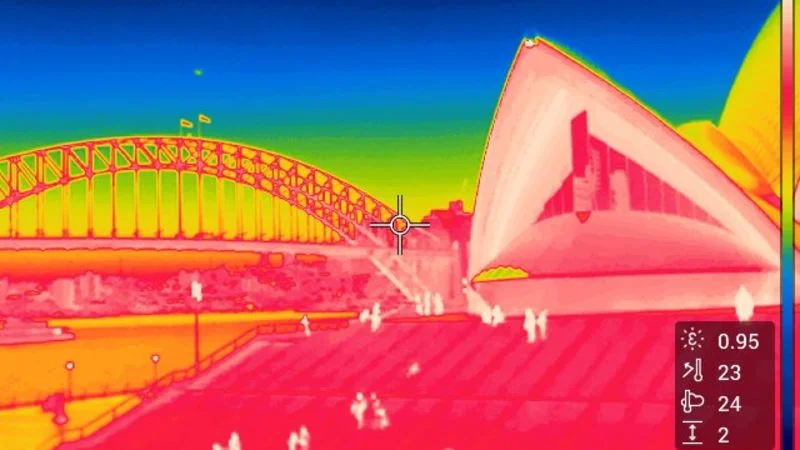
Turning Night Heat into Satellite Power
Researchers at the University of New South Wales have demonstrated a thermoradiative diode that converts infrared heat radiated by the Earth into electricity—the first time such a device has produced power. Although current Earth outputs are very small (roughly a watt per square meter), space’s lack of atmospheric interference could let many diodes power satellites during darkness as auxiliary energy, reducing battery dependence. A balloon-based test in near-space is planned; NASA researchers say the concept could work for deep-space missions, but practicality will depend on cost, durability, and scaling for typical satellite needs.