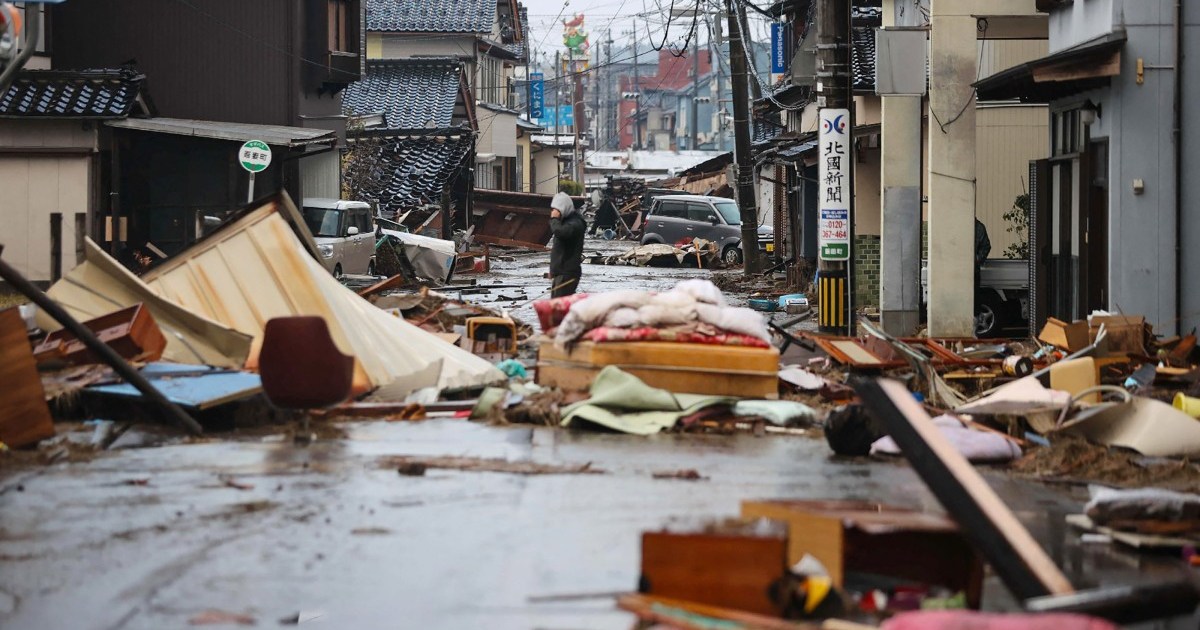
Japan is grappling with the aftermath of a devastating 7.6 magnitude earthquake that struck its west coast on New Year's Day, with the death toll surpassing 100 and over 200 people still missing. The quake, the deadliest since 2016, has left thousands homeless, caused significant infrastructure damage, and hindered relief efforts due to road disruptions and landslides. Despite the challenges, rescue operations continue as the nation works to provide aid to the affected areas.
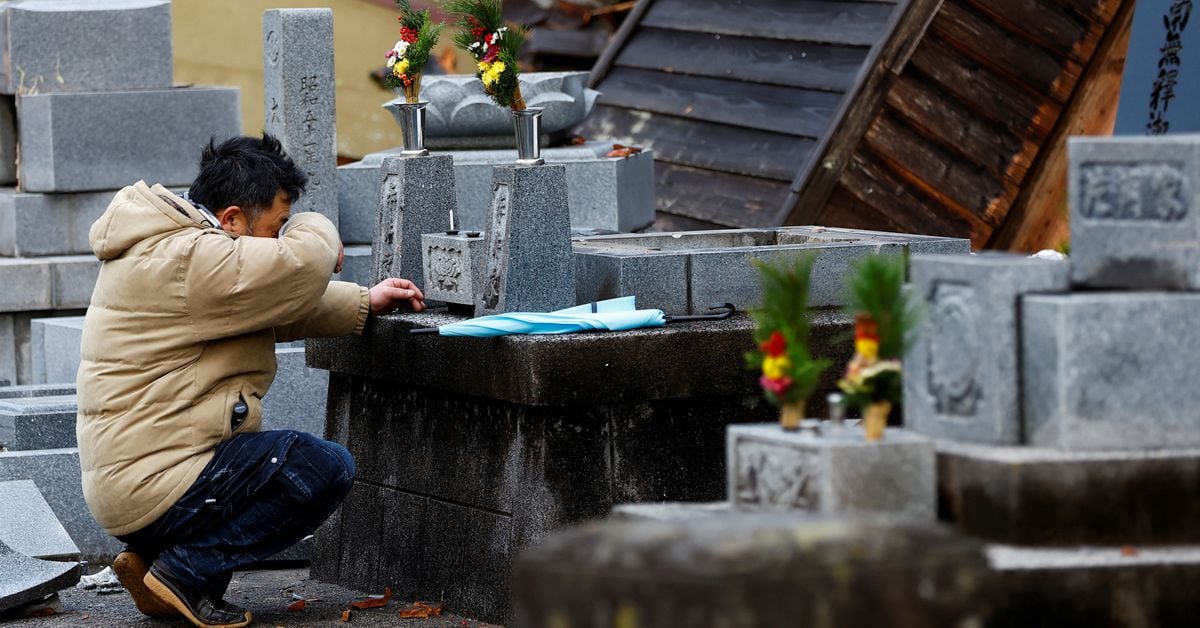
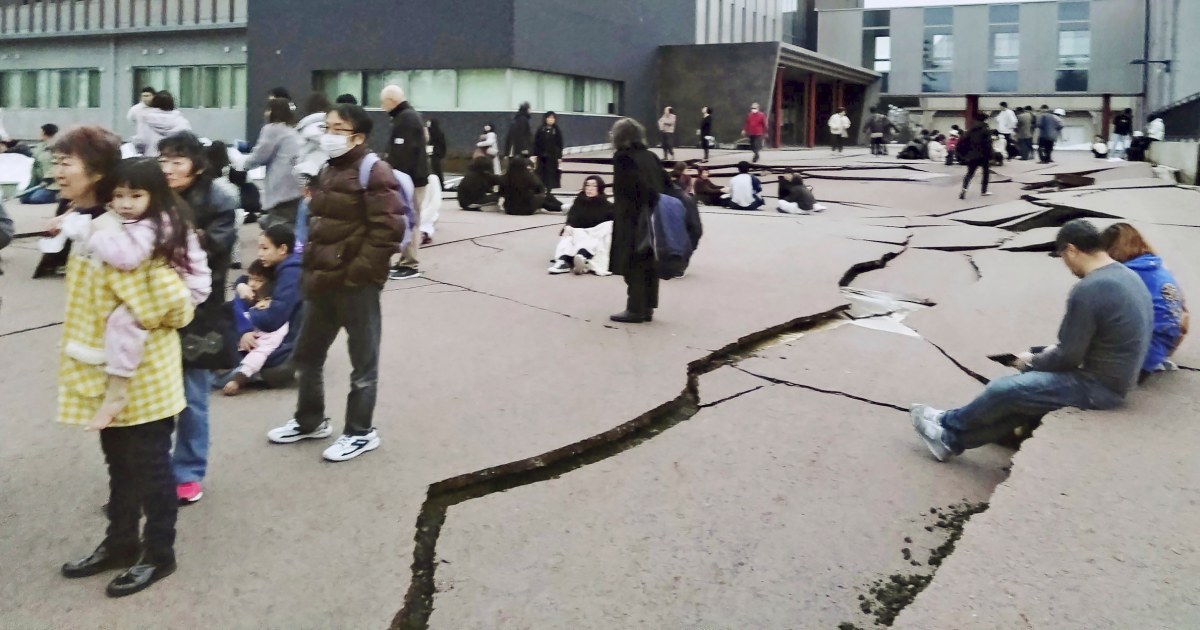
Japan is in a critical race against time as rescue teams work tirelessly to find survivors of the New Year's Day earthquake that has claimed at least 81 lives. The 72-hour survival window is closing, with efforts hindered by damaged roads and infrastructure, making it difficult to deliver essential aid to the 11,000 evacuees in Wajima city. The government has increased the number of Self-Defence Force members for rescue operations and is delivering aid by sea due to the damaged roads. Businesses are assessing the quake's impact on production, while the Tokyo Stock Exchange held a minute of silence in respect for the victims. The government has pledged approximately $28 million for disaster relief.
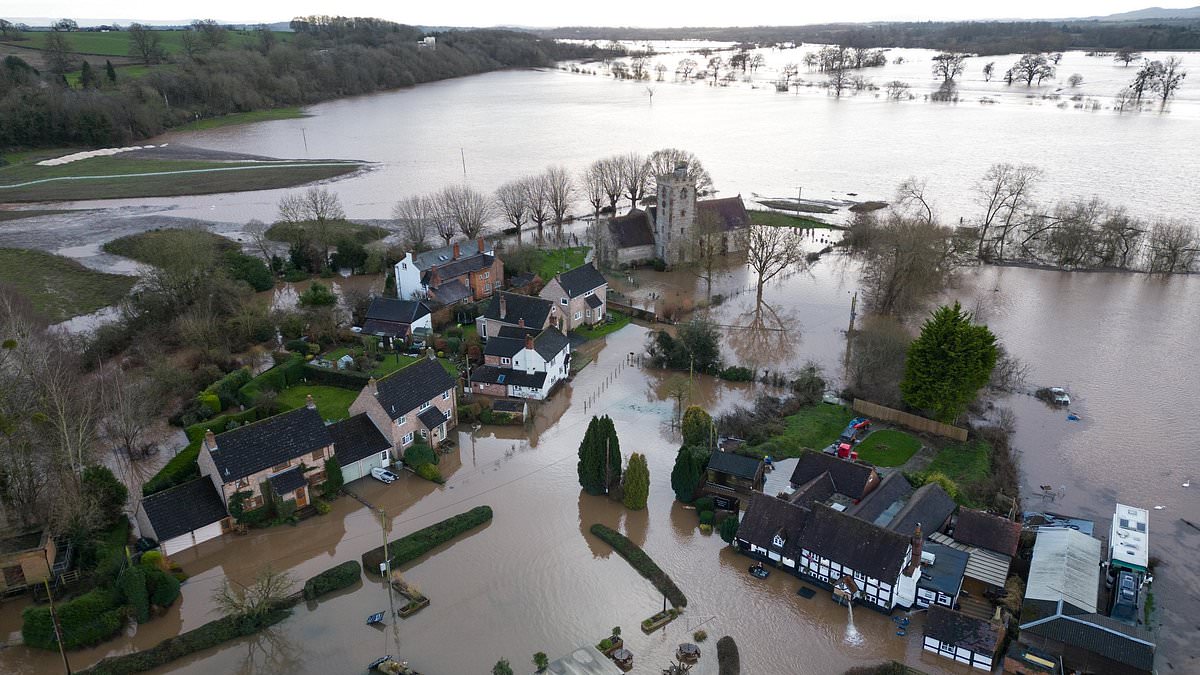
Storm Henk has caused severe flooding across Britain, leading to hundreds of homes being inundated, schools closed, and villages cut off. Nearly 750 flood alerts and warnings were issued, with raw sewage discharged into rivers due to overwhelmed water treatment facilities. A motorist died in Gloucestershire after a tree fell on his car, and ongoing severe weather has disrupted transport networks, with further rain warnings issued. Thames Water has apologized for pollution incidents and is working on long-term upgrades to their systems. Emergency services have been busy rescuing stranded individuals and dealing with the aftermath of the storm.
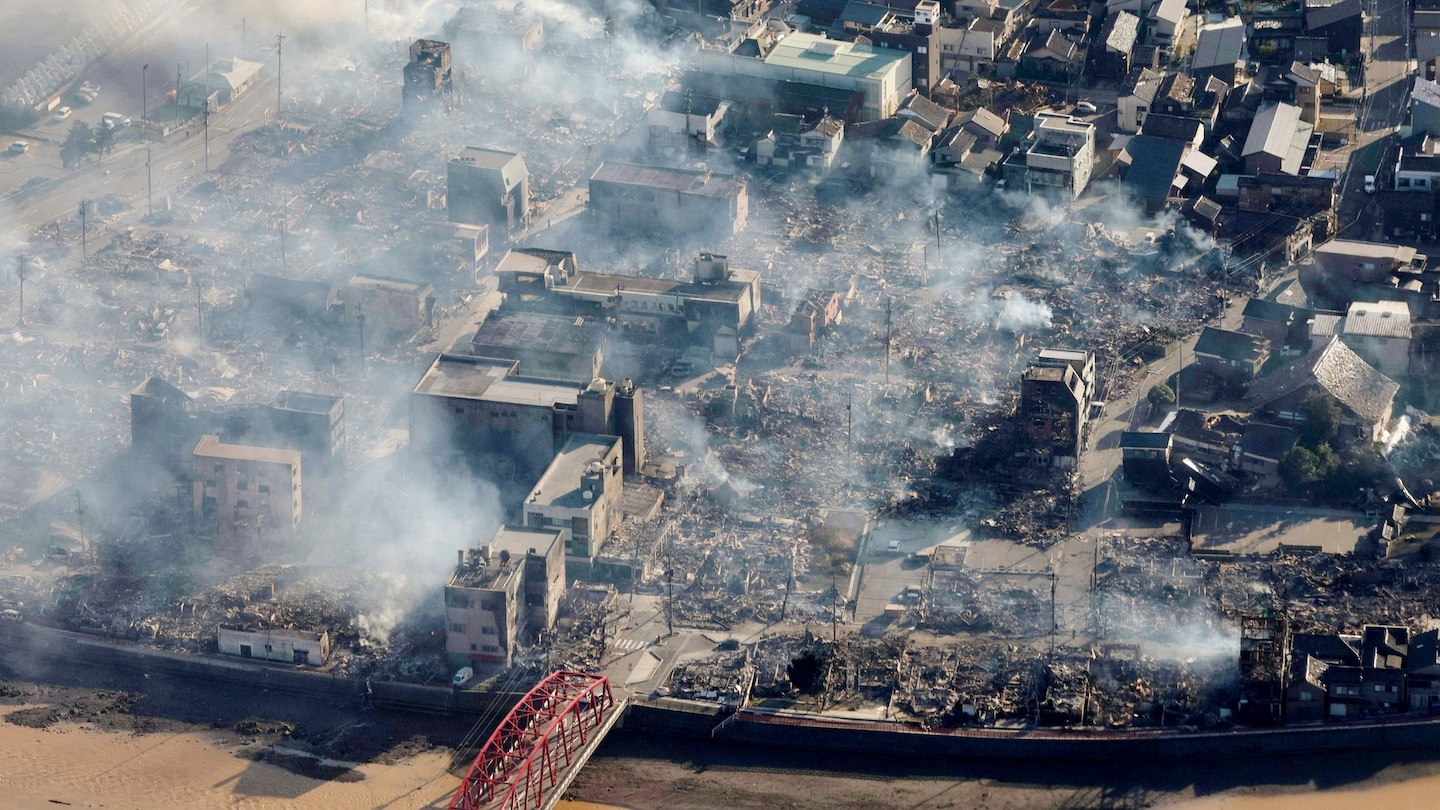
A 7.6-magnitude earthquake struck western Japan, resulting in at least 48 deaths and significant destruction, including collapsed buildings and fires. Tsunami warnings were issued and later lifted, but concerns remain for potential landslides and further seismic activity. Over 57,000 people are in evacuation centers, and there is a critical shortage of essentials due to the damage. Prime Minister Fumio Kishida has mobilized the Self-Defense Forces for rescue and relief operations as the nation grapples with the aftermath of the quake during a typically quiet New Year period.
Japan was hit by a series of strong earthquakes on New Year's Day, resulting in at least 48 deaths and significant infrastructure damage, including collapsed buildings and fires. Tens of thousands were forced to evacuate, and rescue operations are underway, with concerns about weather conditions potentially hindering efforts. Prime Minister Fumio Kishida is leading the disaster response, and international support has been offered by the United States. Tsunami warnings were issued but later lifted, and no nuclear reactors were damaged.
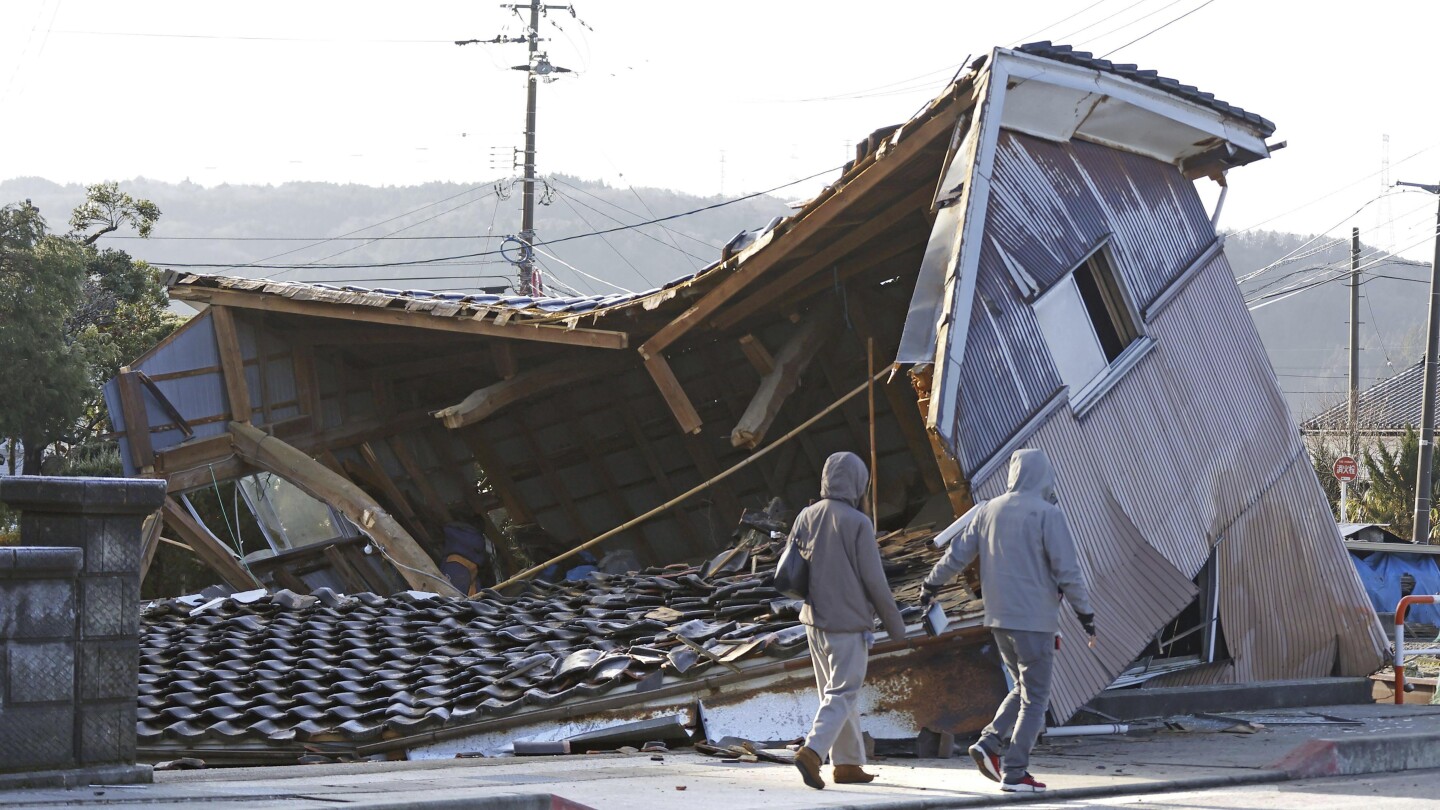
Western Japan was struck by a series of powerful earthquakes, resulting in at least 30 deaths and significant damage to buildings, vehicles, and boats. A magnitude 7.6 quake was followed by aftershocks, prompting the dispatch of 1,000 soldiers to assist with rescue operations. Despite the damage, nuclear plants in the region remain operational. Tsunami warnings were issued and later lifted, but the risk of further quakes remains. The U.S. has offered assistance as Japan, located on the "Ring of Fire," continues to experience aftershocks.