
Tag

Muscle Rejuvenation

All articles tagged with #muscle rejuvenation

health2 years ago

"Unlocking the Fountain of Youth: Calorie Restriction Boosts Muscle Strength and Activates Anti-Aging Genes in Humans"

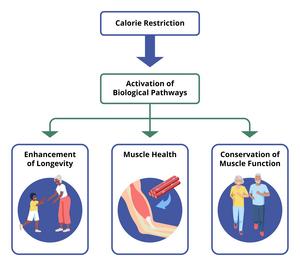
A study conducted by researchers at the National Institutes of Health (NIH) suggests that reducing calorie intake, without depriving the body of essential nutrients, can rejuvenate muscles and activate biological pathways important for healthy aging in humans. The study analyzed data from participants in the CALERIE study and found that even a modest reduction of 12% in daily caloric intake was enough to activate most of the biological pathways associated with healthy aging. The researchers also discovered that calorie restriction improved muscle specific force, despite a loss in muscle mass. The study confirms that calorie restriction affects similar gene pathways in humans as observed in animal models, leading to improved energy generation, metabolism, and reduced inflammation.

health2 years ago

Muscles Can Reverse Aging, Says Groundbreaking Research.

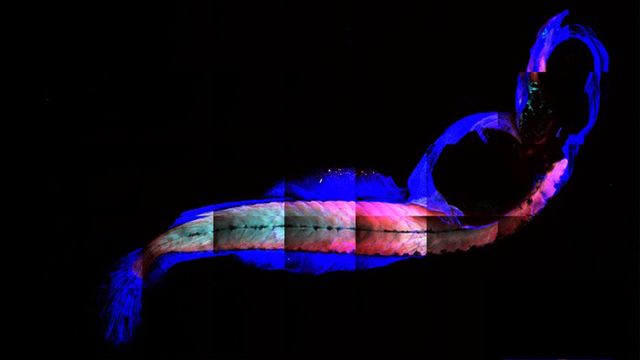
Researchers from Monash University have discovered that as organisms age, their muscles revert to an “early-life” state, potentially prolonging life. Utilizing the African killifish as a model, the team identified a critical role of lipid metabolism in this process, suggesting that manipulation of cell metabolism could potentially slow or reverse muscle aging. The study found that our muscles seem to revert to an “early-life” condition towards the end of life, slowing down mortality. This discovery could pave the way to mitigating or even reversing the age-related decline in muscle mass and strength.

health2 years ago

Model of Aging Shows Old Muscles Revert to Youthful State

Researchers from Monash University have found that muscles in an animal model of aging "rejuvenate" towards the end of life to resemble their early-life metabolic state. The African turquoise killifish, which has the shortest known lifespan of any vertebrate species that can be successfully bred in a laboratory environment, was used to study sarcopenia, a gradual loss of muscle mass and strength that occurs in aging. The researchers discovered that some hallmarks of aging actually reverse during the late-life stage, suggesting extremely old animals may carry a mechanism whereby further deterioration of skeletal muscle is prevented, ultimately contributing to an extension of their lifespan. The team hypothesized that applying a drug capable of regulating the formation of certain lipids could pharmacologically induce this rejuvenation process.