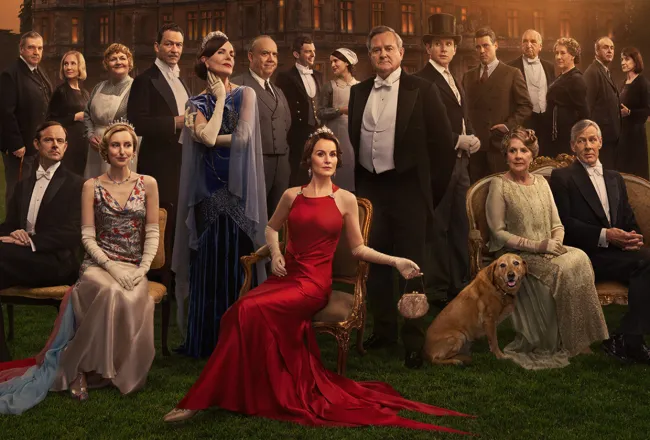
The final scene of 'Downton Abbey: The Grand Finale' features a nostalgic montage of characters, both living and deceased, celebrating life at Downton, emphasizing the show's enduring emotional impact. The creator clarifies that while this may be the end of this chapter, future revisits are possible but unlikely with the same cast and period.
Blake Lively's feedback led to a change in the ending of the film 'Deadpool & Wolverine,' adding suspense by leaving the fate of the heroes uncertain for a moment. Director Shawn Levy credited Lively for suggesting that the audience should experience fear for the characters' survival, which made the eventual triumph more impactful. The film, starring Ryan Reynolds and Hugh Jackman, underwent a brief reshoot to incorporate this change, enhancing the emotional payoff.
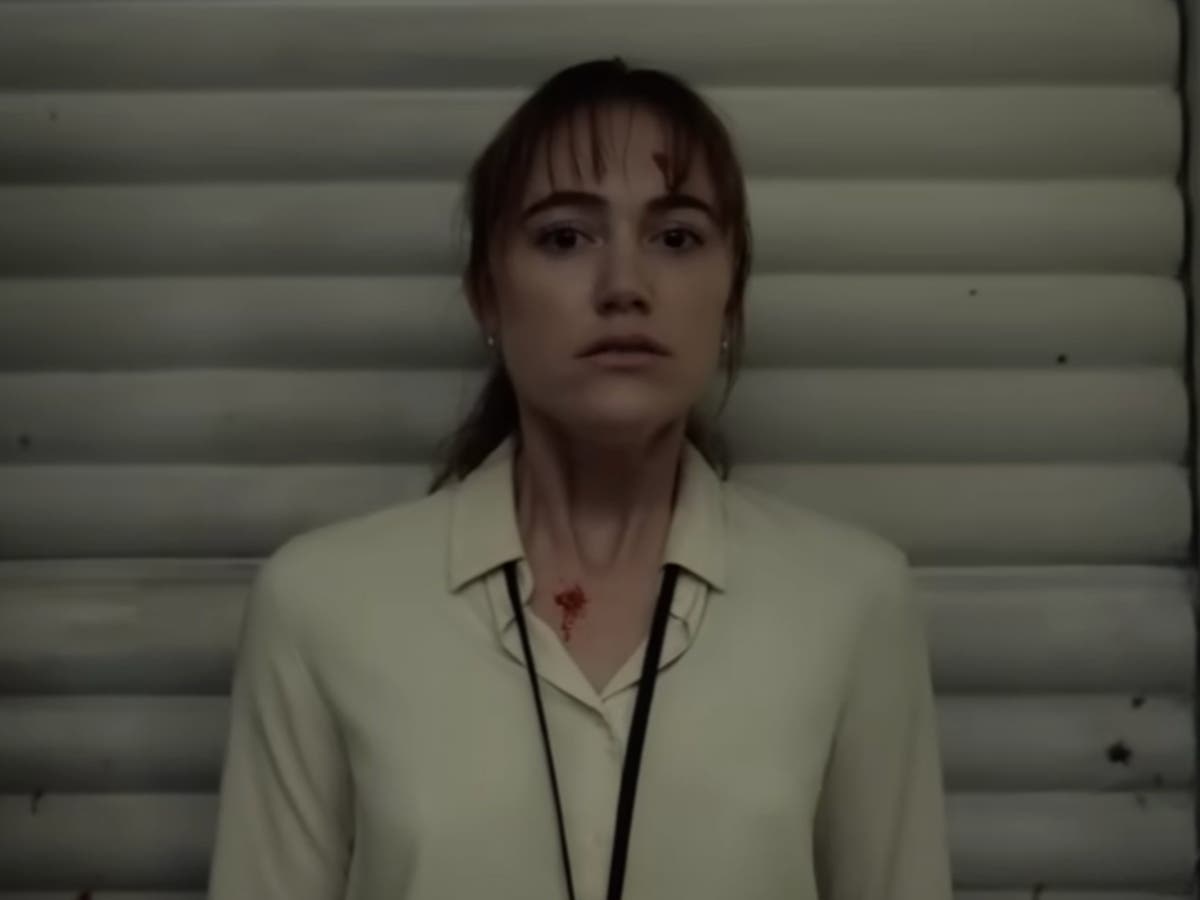
Osgood Perkins, director of the horror film Longlegs, explained the movie's tragic ending where the devil wins on a small scale, inspired by Se7en. The film, starring Maika Monroe and Nicolas Cage, has been highly successful, drawing comparisons to The Silence of the Lambs and achieving Neon’s most successful box office opening weekend.
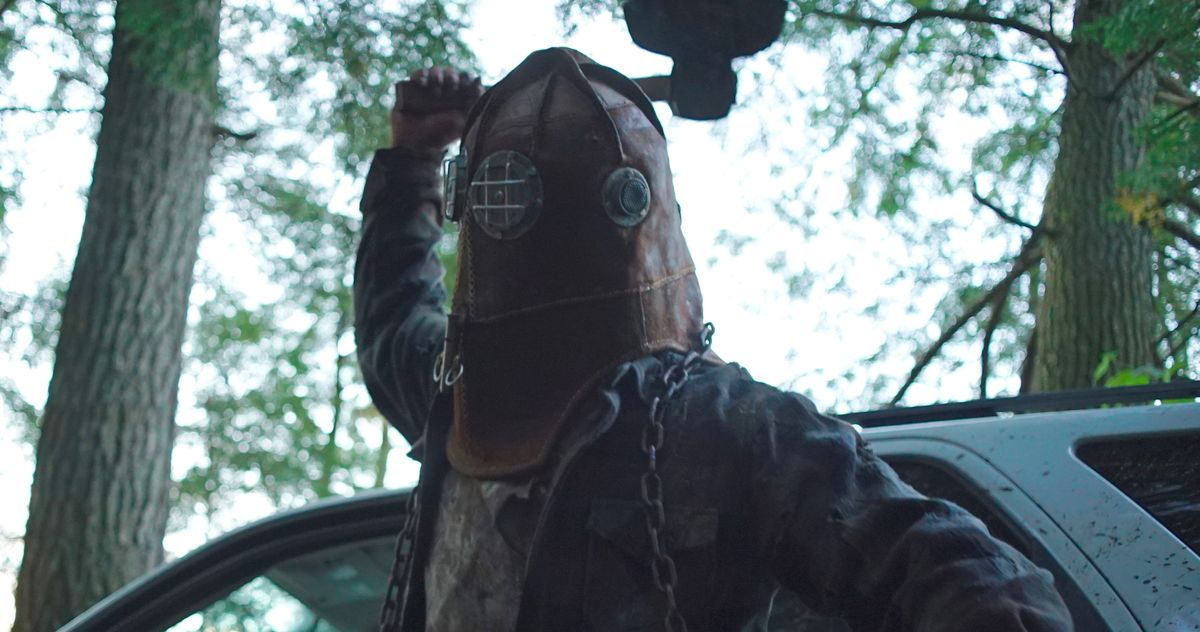
"In a Violent Nature," an experimental horror film by Chris Nash, focuses on the lulls between murders and the perspective of the undead killer Johnny. The film's tension peaks in its ending, where the final girl Kris escapes but remains haunted, highlighting the film's commentary on horror tropes and the nature of fear.
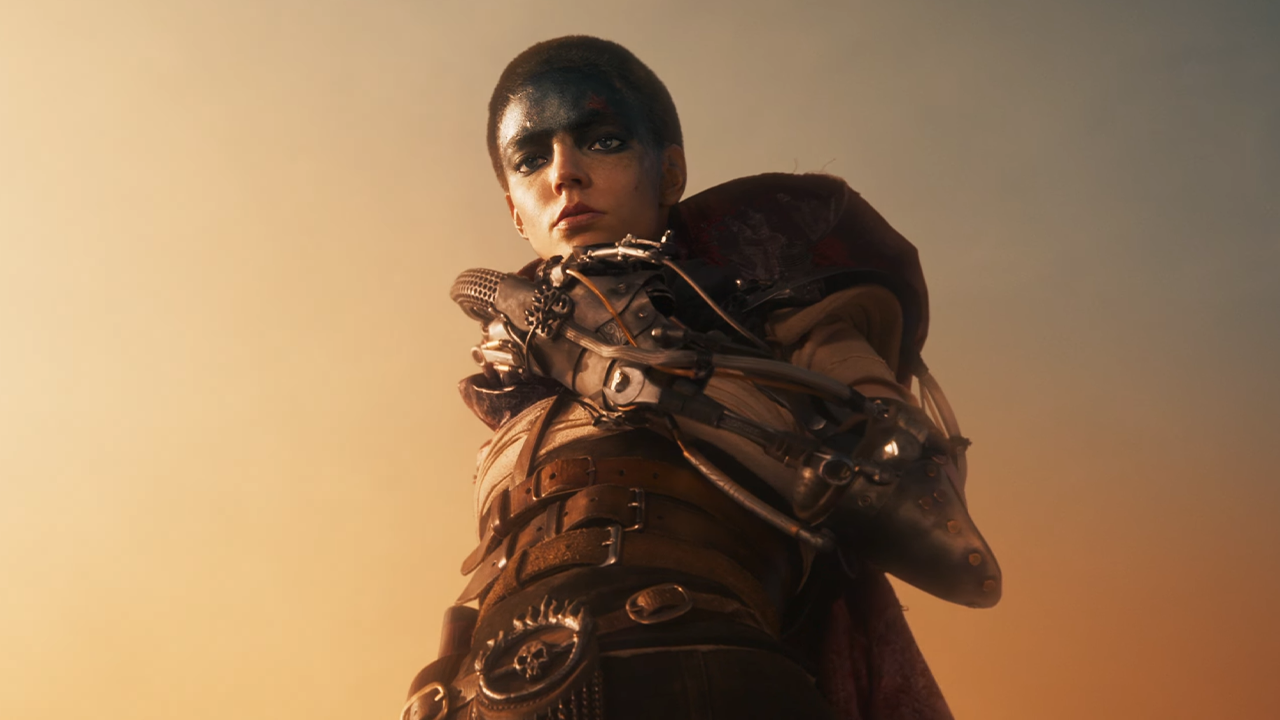
Furiosa: A Mad Max Saga, a prequel to Mad Max: Fury Road, ends with Furiosa's legendary confrontation with Dementus, which is left open to interpretation. The film concludes just before the events of Fury Road, with Furiosa preparing to smuggle Immortan Joe’s harem. The narrative emphasizes mythological storytelling, with Furiosa's revenge symbolized by a tree growing from Dementus, reflecting her growth and quest for home. The ending ties directly into the beginning of Fury Road, setting the stage for Furiosa's continued journey.
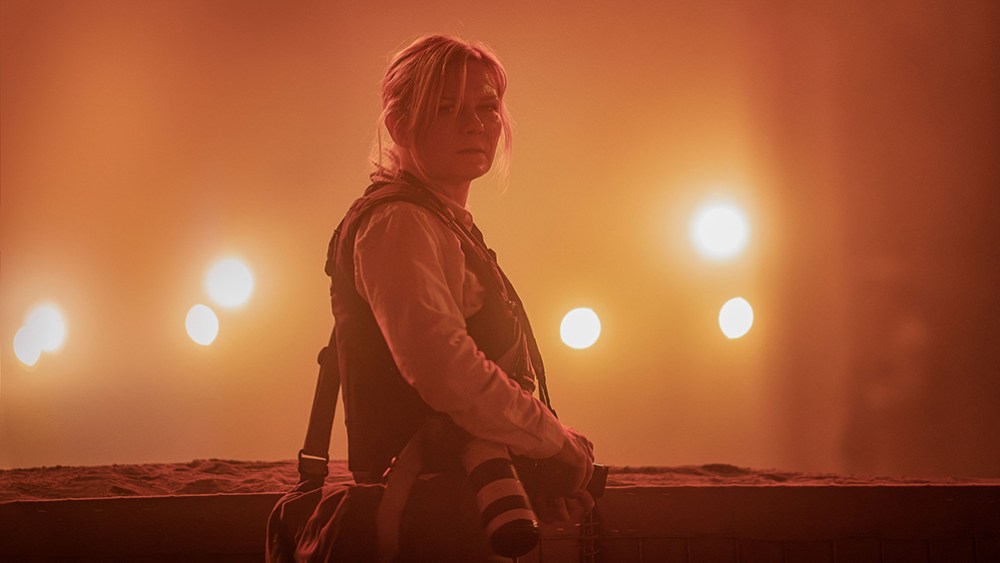
Kirsten Dunst discusses the ending of "Civil War," a dystopian thriller, and clarifies the fate of her character. The film's open-ended conclusion hints at potential sequel ideas, leaving questions about the future of the rebellion and the fate of the characters.
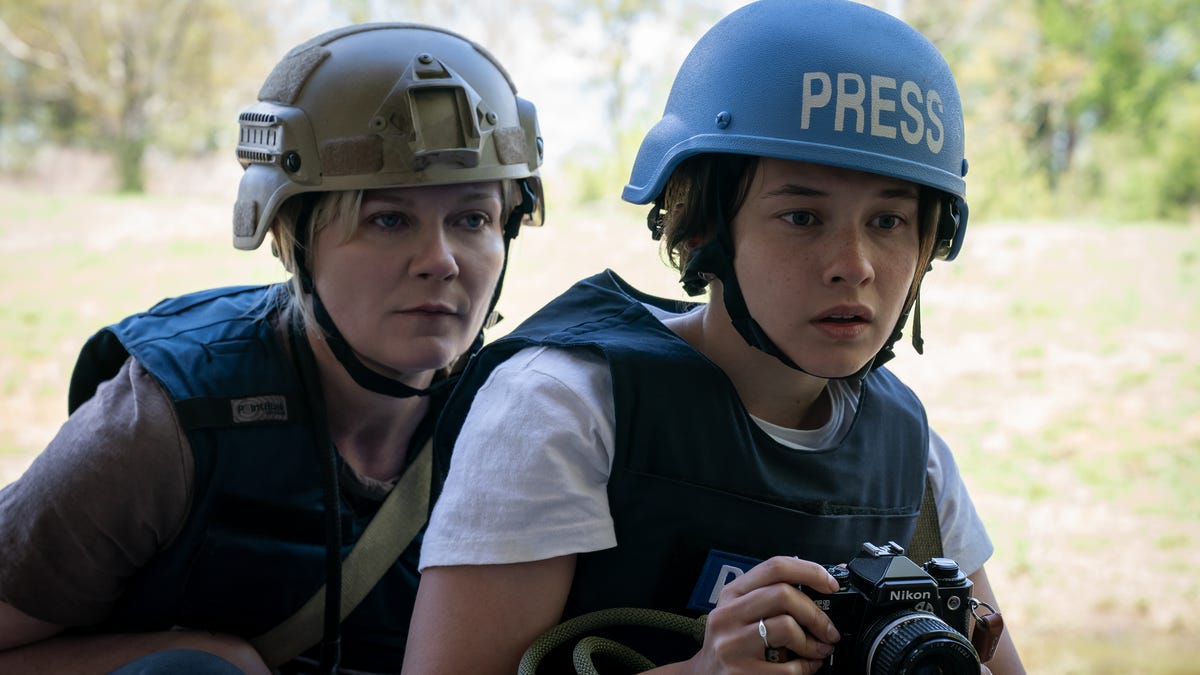
Kirsten Dunst and Cailee Spaeny discuss the intense and disturbing ending of the movie "Civil War," which culminates in a harrowing scene of rebel forces storming the White House and killing the tyrannical president. The ending includes a poignant moment where a character sacrifices herself to save another, and the film concludes with the rebels gunning down the president. The actresses reflect on the emotional impact of the ending and praise Nick Offerman's departure from his comedic roles for his portrayal of the president.
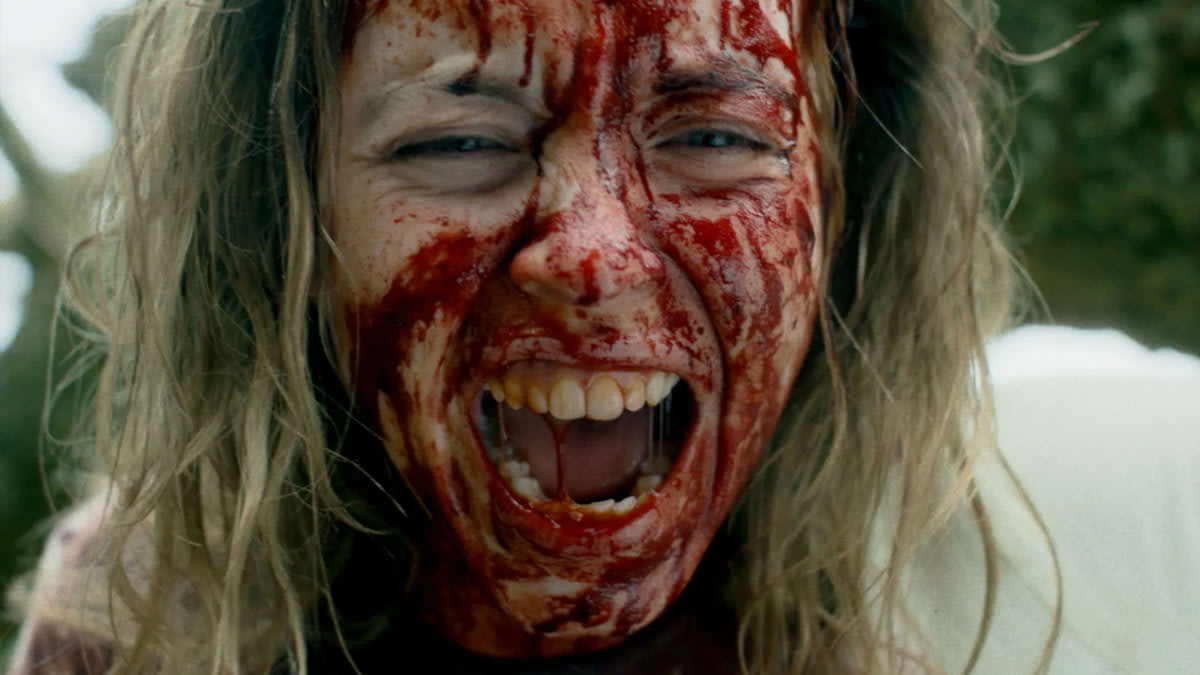
Sydney Sweeney's horror film "Immaculate" is criticized for its predictable jump scares and religious horror tropes, but is redeemed by a shocking and gory finale that showcases Sweeney's talents. The film follows Sister Cecelia's pregnancy after a supposed immaculate conception orchestrated by a twisted plan involving Christ's genetic code. Despite the lack of clear motivations for the antagonist, Sweeney's performance and the bold, bizarre ending make "Immaculate" a polarizing horror movie.
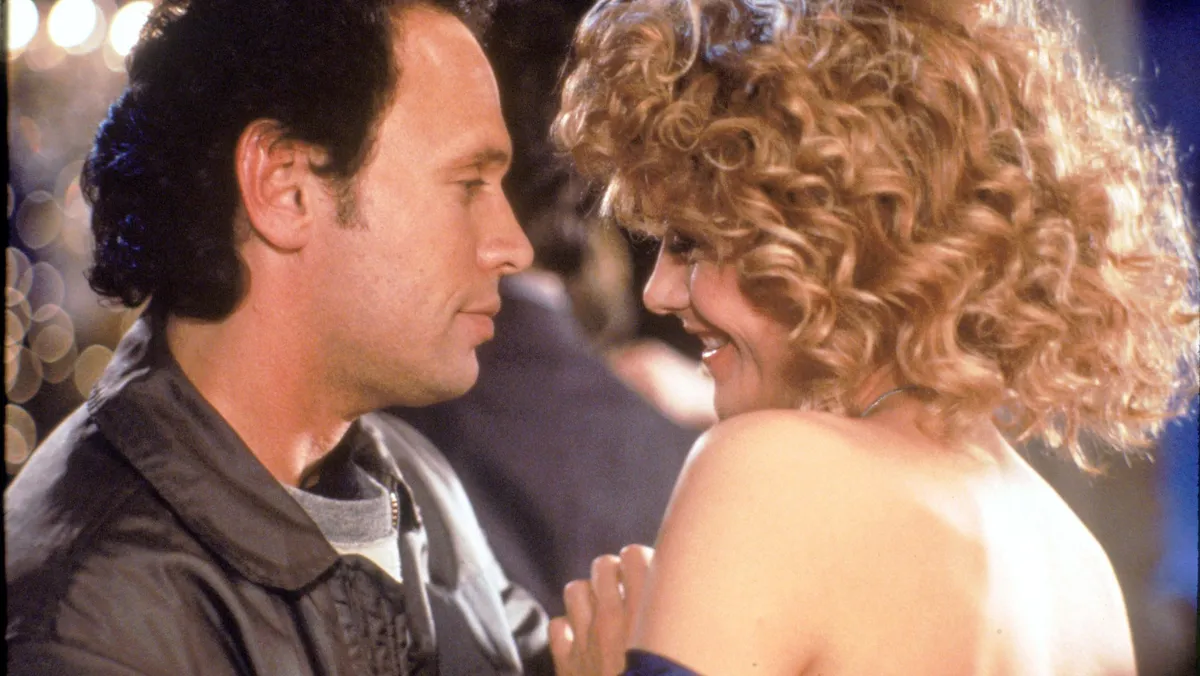
Director Rob Reiner revealed that the original ending of "When Harry Met Sally" was much sadder, with the title characters not ending up together, but he changed it to a happier ending after meeting his wife during the making of the film. The new ending, where Harry confesses his love for Sally at a New Year's Eve party and they later marry, was inspired by Reiner's personal life. The film, written by Nora Ephron, is considered one of the greatest romantic comedies of all time and continues to captivate audiences with its exploration of love and relationships.
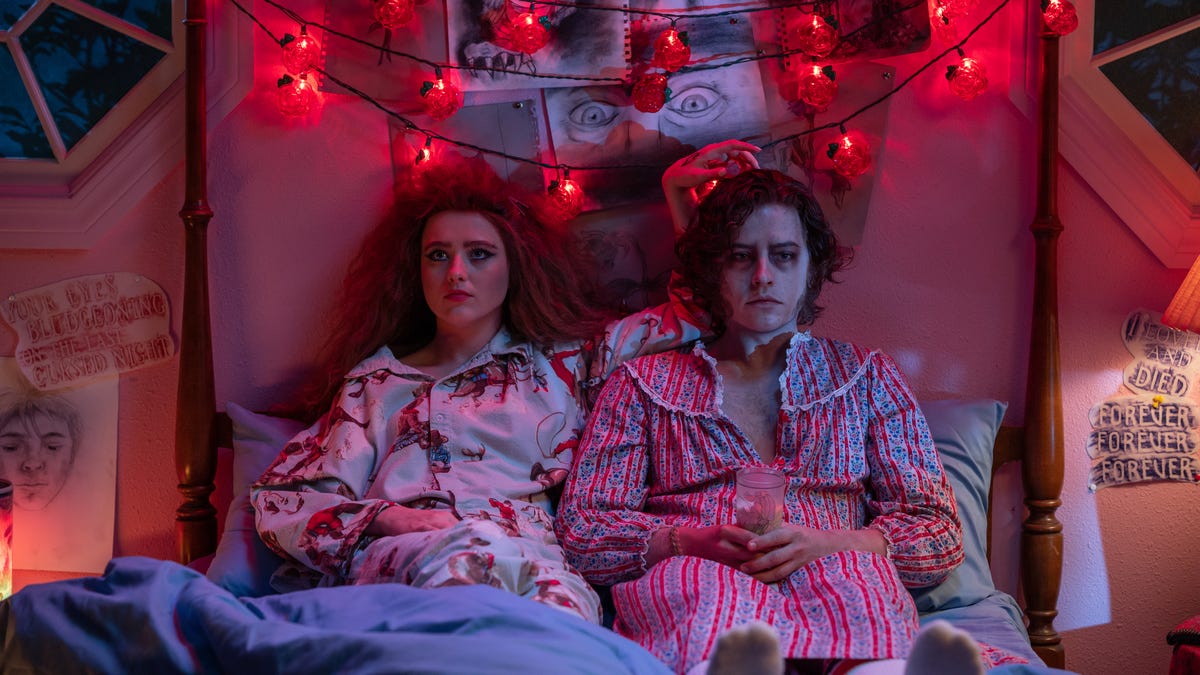
Diablo Cody, the writer of "Lisa Frankenstein," explains the ending of the film, where the protagonist, Lisa, joins her undead lover in death after a series of events involving murder and self-discovery. Originally, the ending was meant to show a cycle of grief and resurrection, but the director suggested a reunion between Lisa and the Creature, leaving the conclusion ambiguous.
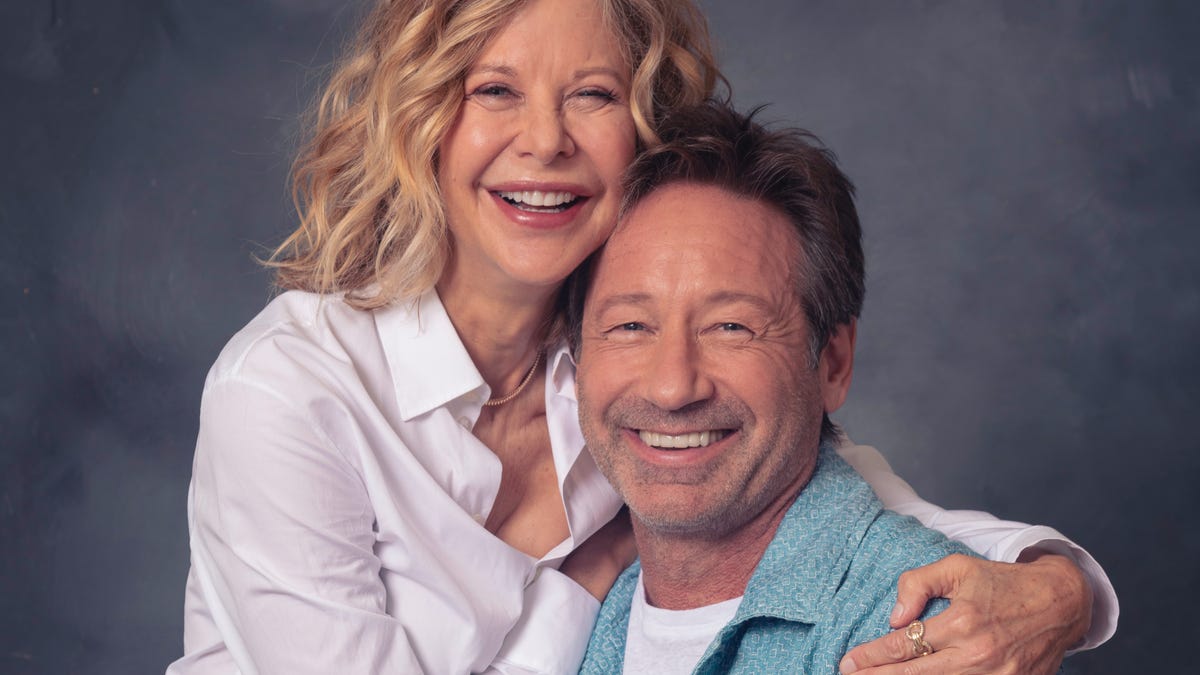
Meg Ryan discusses the ending of her new rom-com film "What Happens Later," where the characters played by Ryan and David Duchovny reunite at an airport and spend a day together before parting ways. The ending is left open-ended, with the audience left to decide if the characters will end up together or not. Ryan explains that the characters represent halves of a whole, constantly seeking balance but never quite finding it, suggesting that their journey will continue indefinitely.
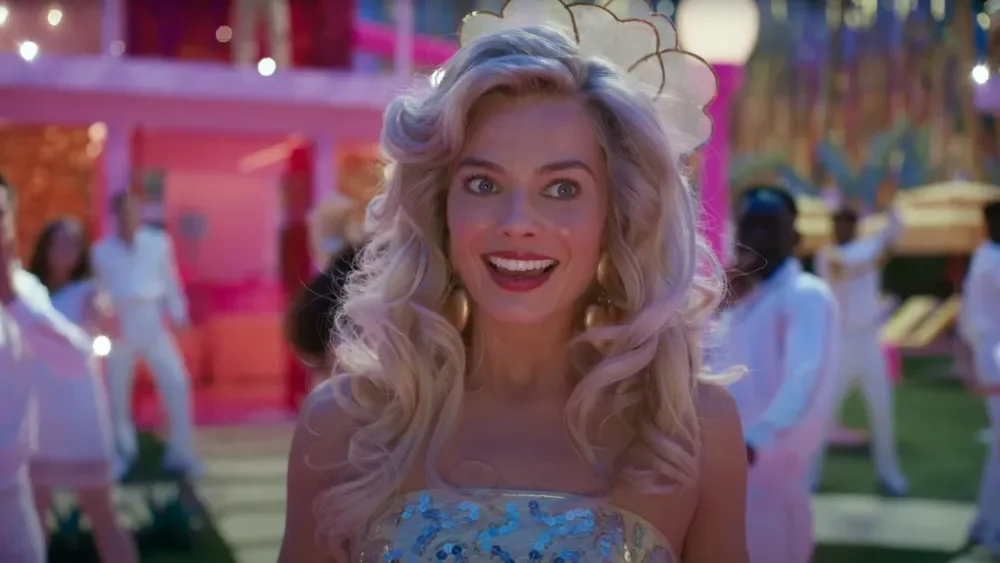
Greta Gerwig discusses the ending of the movie "Barbie," which features a final joke where Barbie happily announces she's going to see her gynecologist despite not having any genitals. Gerwig explains that the line is meant to evoke both humor and emotion, aiming to empower girls and challenge societal taboos surrounding the female body. The film has received positive reviews and broke records for the biggest opening ever for a film directed by a woman.