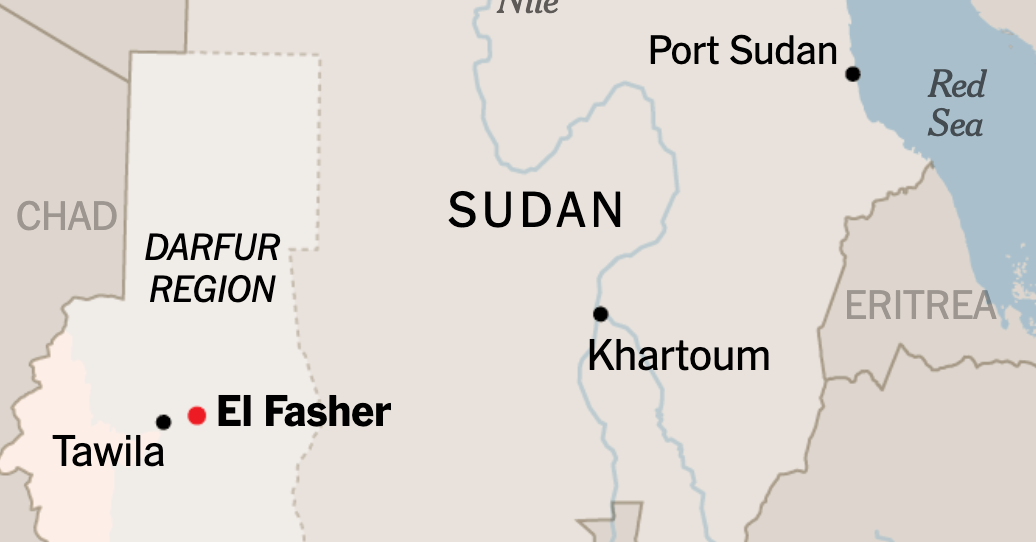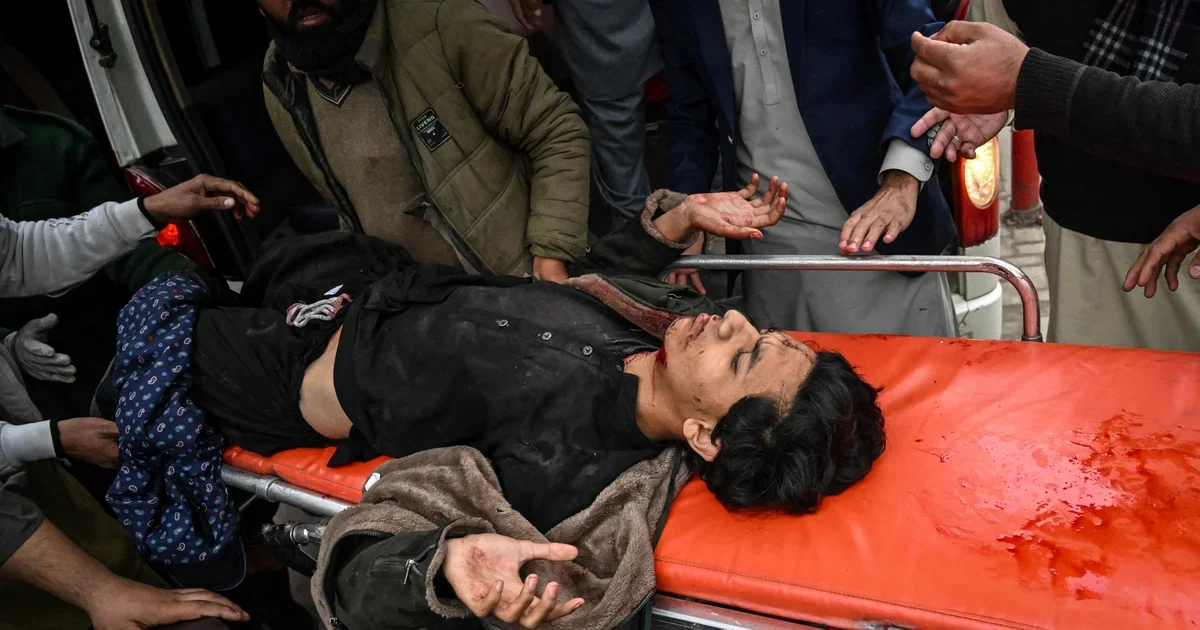
Dozens of civilians, including women and children, were killed when a missile hit a mosque during prayer in El Fasher, Sudan, amid an intensified siege by paramilitary forces in Darfur, marking one of the deadliest attacks in months.
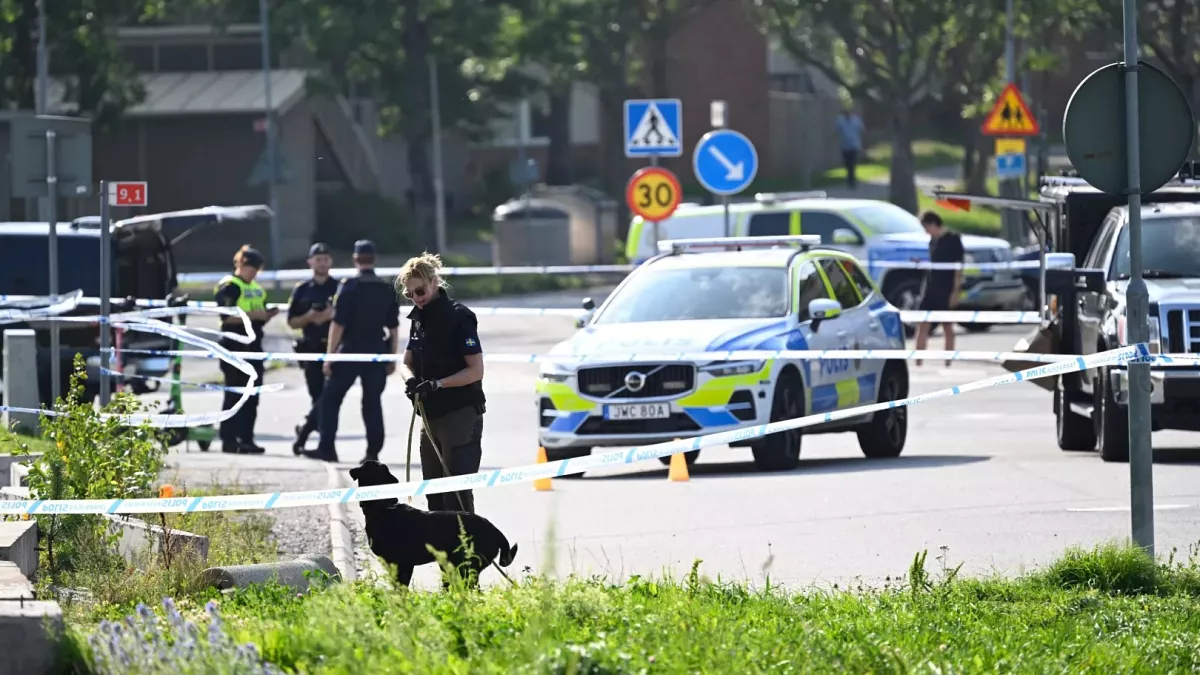
A shooting outside a mosque in Örebro, Sweden, resulted in one death and one injury, with police suspecting gang violence involvement amid ongoing tensions between rival gangs in the area.
Tensions are high in Sambhal, India, after violent clashes over a court-ordered survey of the Shahi Jama Masjid, a 16th-century mosque, resulted in four deaths and numerous injuries. The survey was initiated following claims that the mosque was built on a destroyed temple site. The violence erupted as protesters, alleging police firing, clashed with authorities, who denied using lethal force. The incident is part of broader disputes in India over historical mosque sites, with Muslim groups challenging claims by Hindu groups in court. Authorities have suspended internet services and closed schools in response to the unrest.
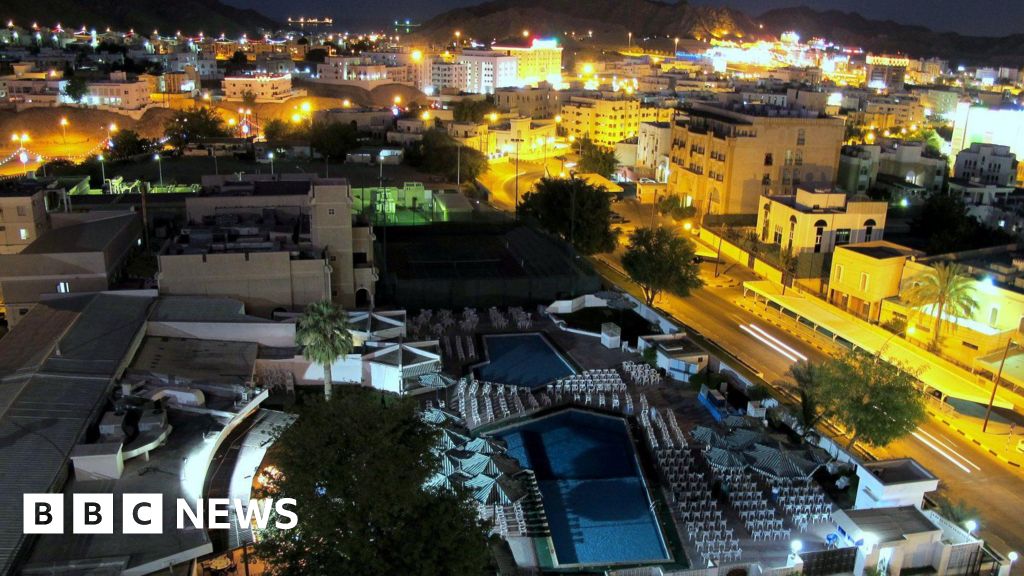
A shooting at the Imam Bargah Ali bin Abu Talib mosque in Muscat, Oman, left six people dead, including two Pakistanis, and wounded 28 others. The Royal Oman Police killed three gunmen involved in the attack. The motive remains unclear, and the U.S. Embassy in Oman has issued a warning for Americans to avoid the area.
Four people were killed and several wounded by gunfire near a mosque in Oman, a rare security breach in the stable Middle Eastern country. Omani police are investigating the incident, and the US embassy has urged vigilance among its citizens.
Four people were killed and several others injured in a shooting near a mosque in Muscat, Oman. Police have responded and launched an investigation, with reports suggesting at least one gunman used an assault rifle. Such incidents are rare in the country.
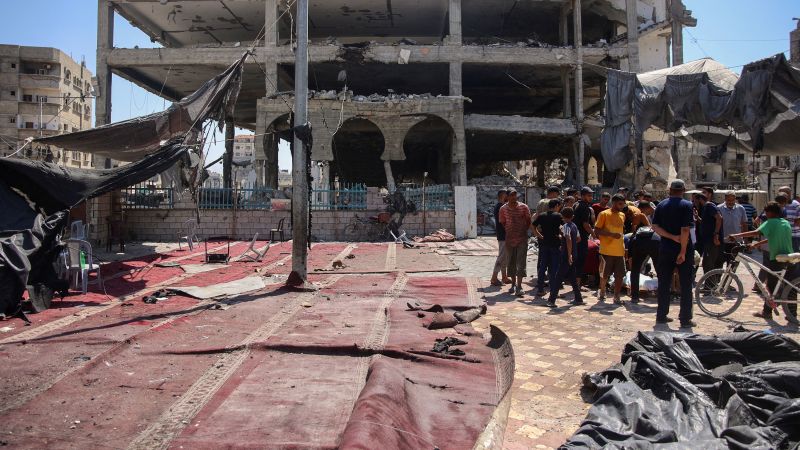
At least 22 people were killed in a strike on a makeshift mosque in a displacement camp in west Gaza City during noon prayers, with many suffering severe injuries requiring amputations. The Israel Defense Forces have not commented on the incident, which occurred without prior warning.
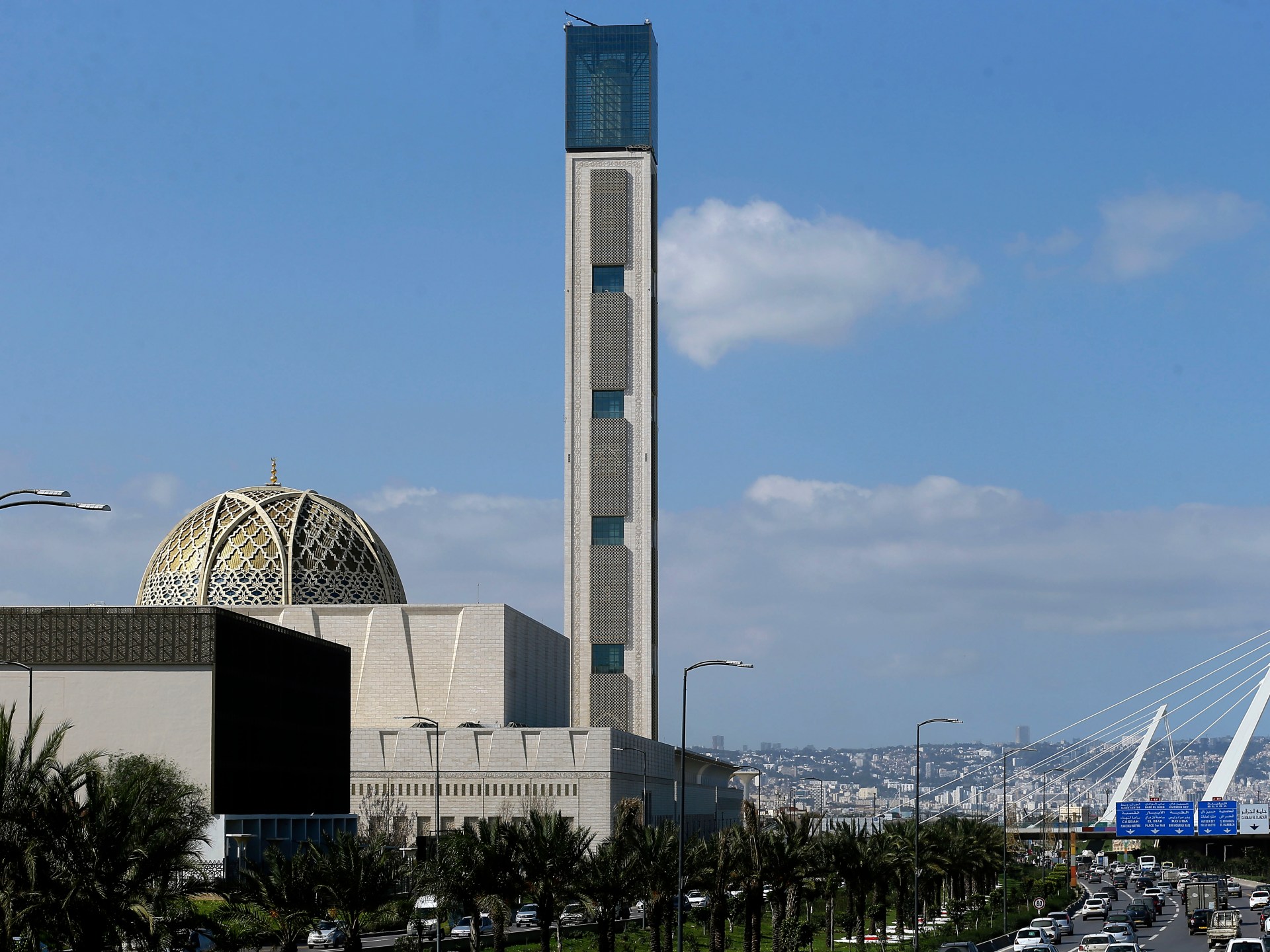
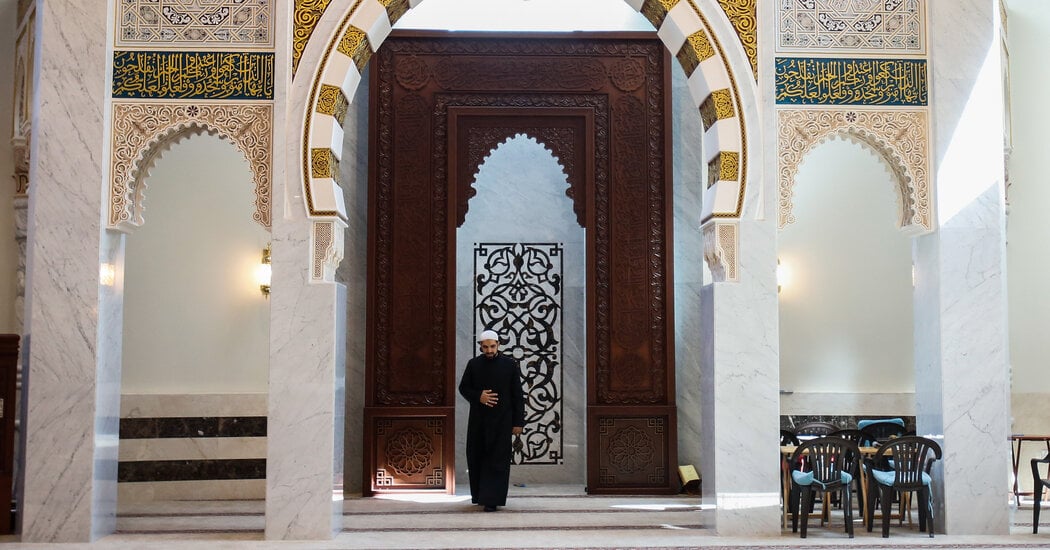
Algeria inaugurated the world’s third-largest and Africa’s largest mosque, the Grand Mosque of Algiers, ahead of Ramadan. The mosque, featuring the world’s tallest minaret and capable of accommodating 120,000 people, was built over seven years at a cost close to $900m. However, it has faced criticism as a vanity project for former President Abdelaziz Bouteflika, who tried to name it after himself. The project has been marred by delays, cost overruns, and allegations of corruption, but its official opening allows it to host public prayers and events during Ramadan.
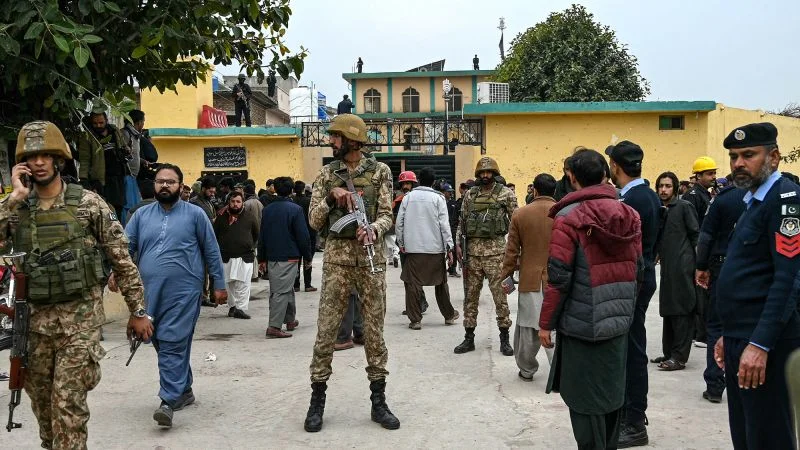
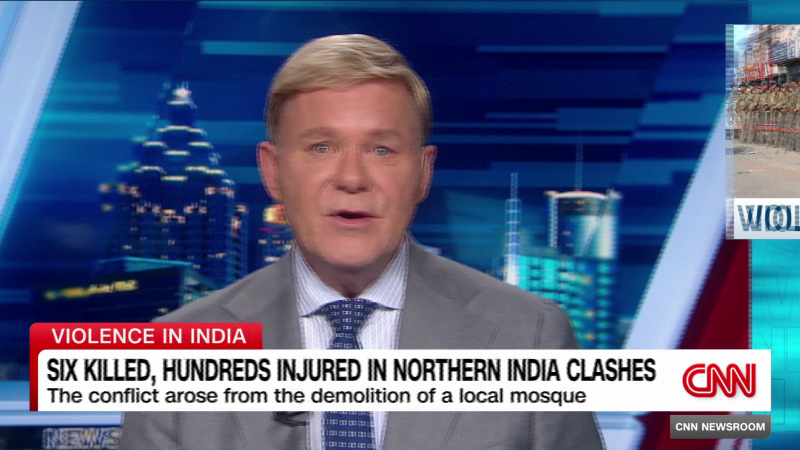
Violent clashes have erupted in northern India following the demolition of a mosque and Islamic school, resulting in six deaths and hundreds of injuries.
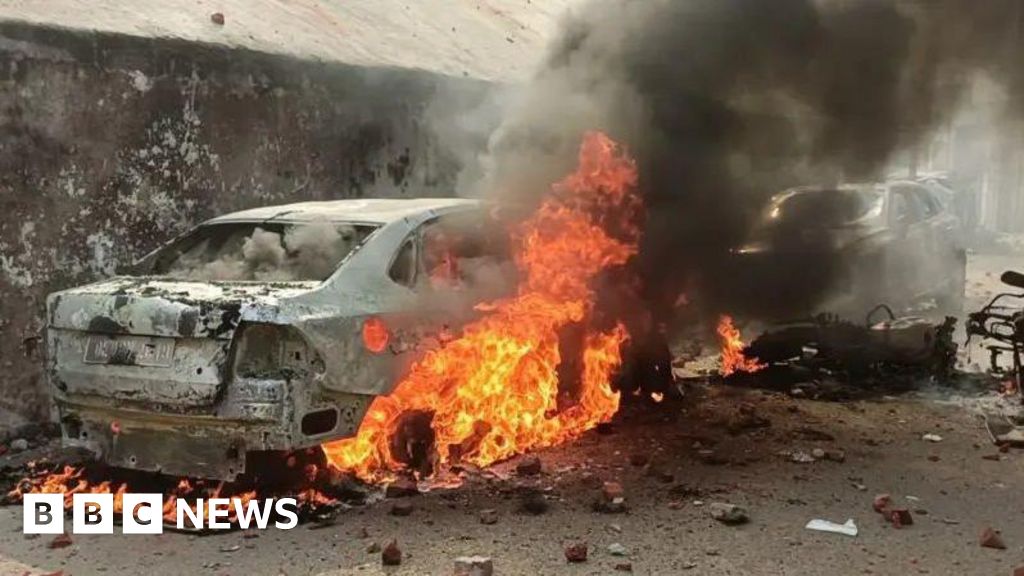
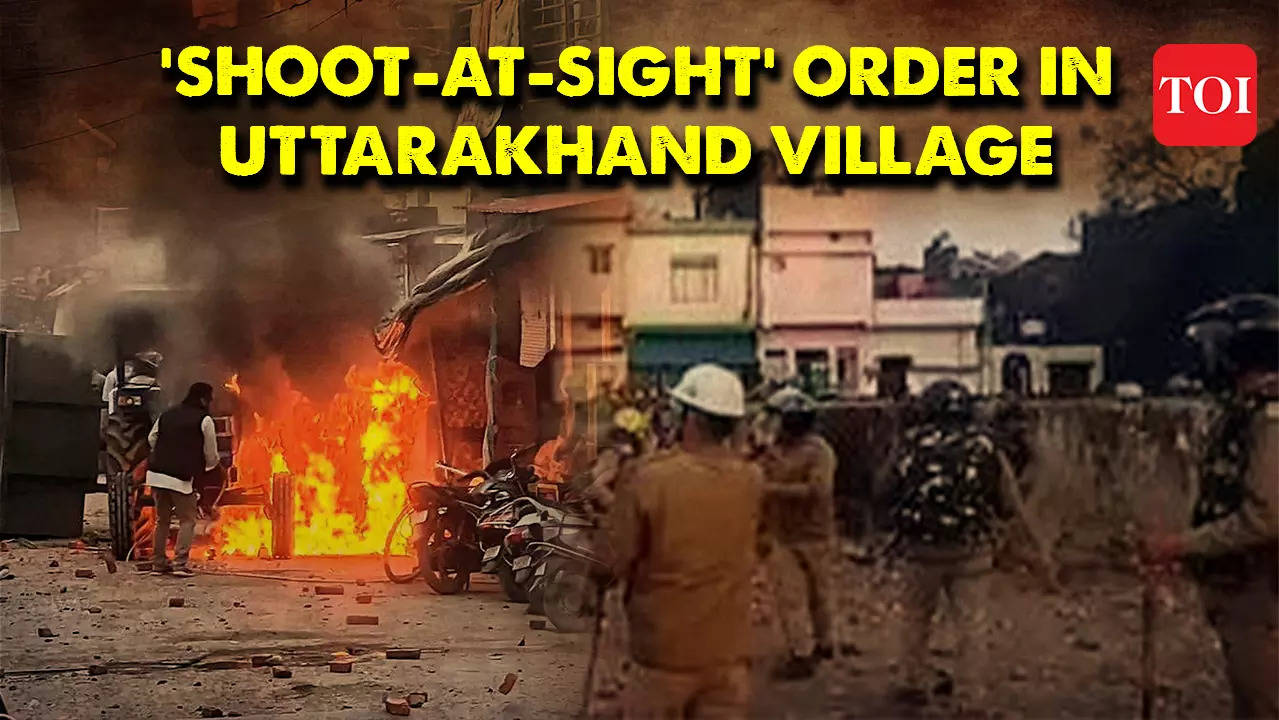
After the demolition of a madrasa and mosque-like structure on government land in Banbhulpura, Haldwani, communal tension escalated, leading to violent clashes with residents throwing stones, torching vehicles, and injuring police and officials. The district administration enforced a curfew in the area, with "shoot-at-sight" orders issued to control the situation.
A 17-year-old teenager from California, Alan Winston Filion, has been charged in connection with a false report of a mass shooting at a mosque in Florida and is believed to be behind dozens of swatting calls across the country. He was extradited to Florida and charged with falsely reporting an act of terrorism with a bomb or weapon of mass destruction. The FBI considers swatting a form of harassment and has seen an increase in such calls in recent years. Filion is to be arraigned on March 19 and is being held without bond.
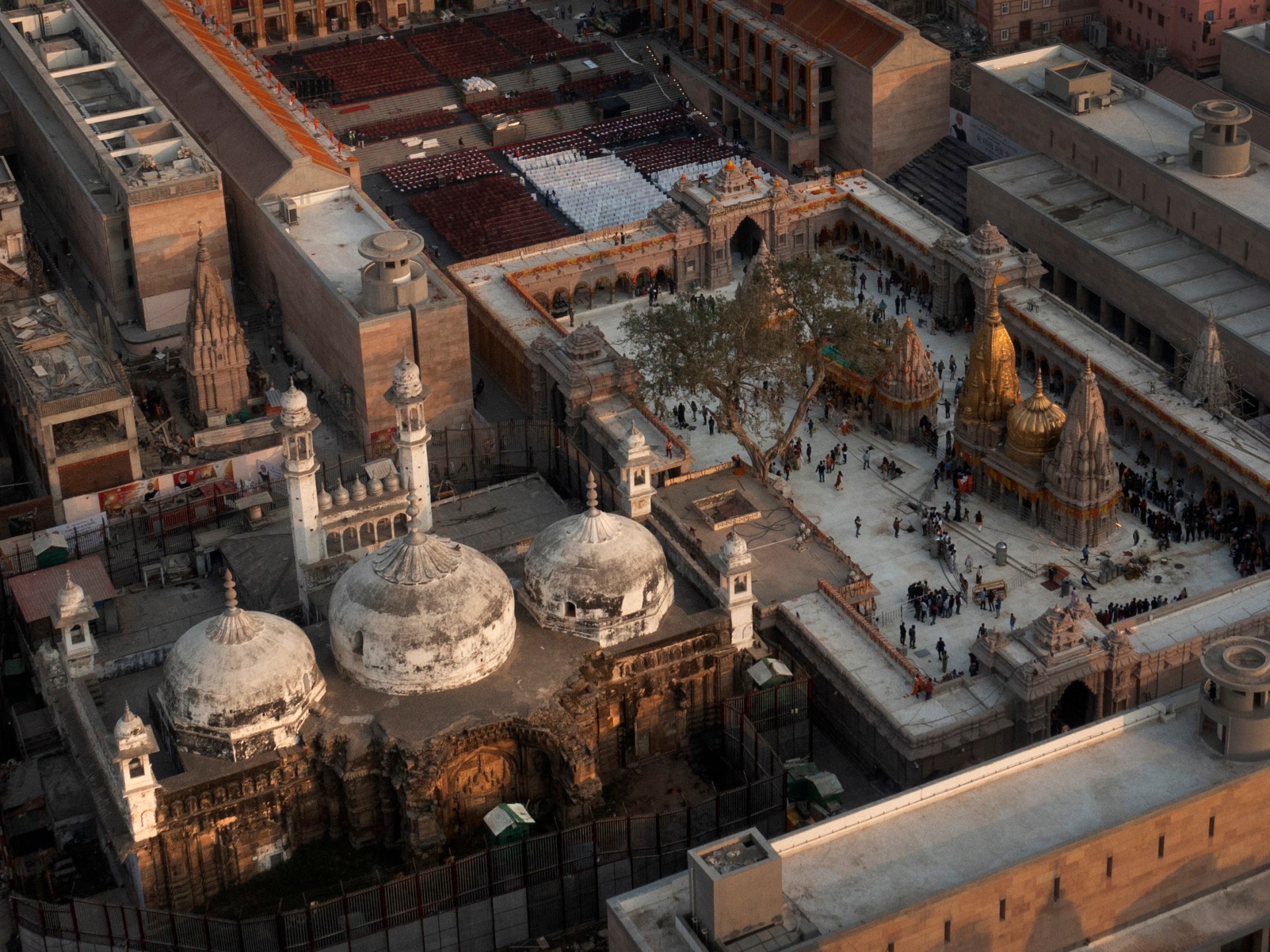
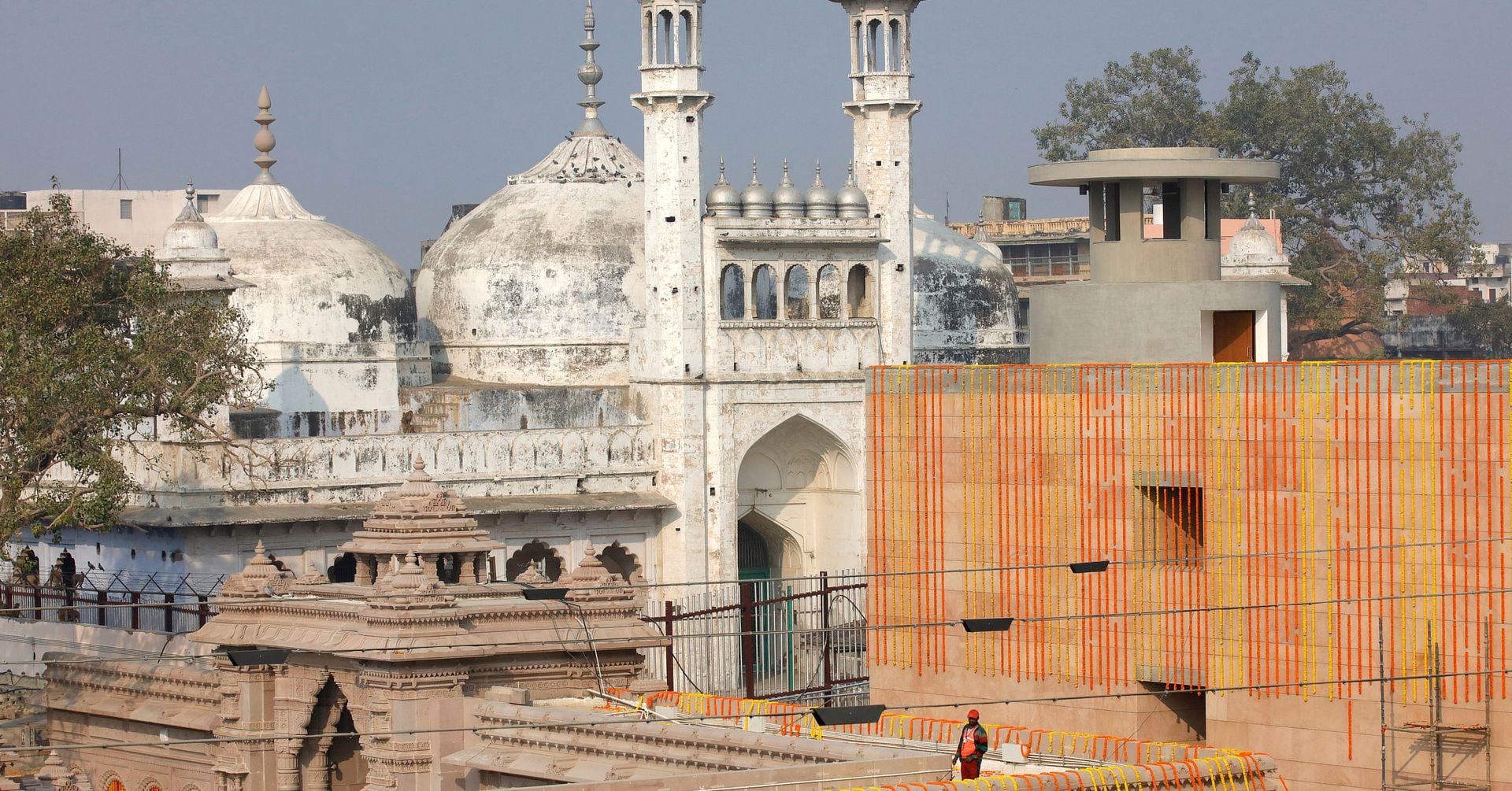
Hindu worshippers have started praying inside the Gyanvapi Mosque in Varanasi following a court order, sparking tensions in India's ongoing Hindu-Muslim conflict. Meanwhile, a 600-year-old mosque in New Delhi was demolished without prior notice, leading to outrage and accusations of desecration. These incidents reflect the growing influence of right-wing Hindu groups and the BJP-led government's efforts to assert Hindu supremacy, raising concerns about discrimination against the country's Muslim minority.
An Indian court has ruled that Hindus can offer prayers in the 17th century Gyanvapi Mosque in Varanasi, a holy city, following a survey indicating it was built over a demolished temple. The decision has sparked controversy and is being appealed by Muslim petitioners, with the court instructing the district administration to facilitate Hindu worship within seven days. This ruling comes amid ongoing tensions over religious sites in India, including the recent inauguration of a Hindu temple in Ayodhya, and has reignited debates over religious rights and historical claims.
The Archaeological Survey of India (ASI) has reportedly found that a 17th century mosque in Varanasi, India, was built after destroying a pre-existing Hindu temple, according to a lawyer representing Hindu petitioners. The ASI report, shared only with the petitioners, allegedly revealed remnants of Hindu statues in the mosque's basements and suggested that a large Hindu temple existed prior to the mosque's construction. The lawyer stated that the Hindu petitioners will approach the Supreme Court to demand that an area of the mosque be opened for Hindus, while advocates representing Muslim groups said they would respond after studying the survey report. This development comes after the recent inauguration of a grand temple to Lord Ram in Ayodhya, and amid ongoing tensions surrounding religious sites in India.
Indian Prime Minister Narendra Modi is set to participate in the consecration of a new Hindu temple in Ayodhya, built on the site where rioters destroyed a historic mosque over 30 years ago. The temple's construction, which began in 2020, is not yet complete, but the ceremony is seen as a political move ahead of India's upcoming general elections. Critics argue that the rushed ceremony is aimed at bolstering Modi's image and the Hindu nationalist agenda, while concerns are raised about the impact on India's religious minorities, particularly its Muslim community.