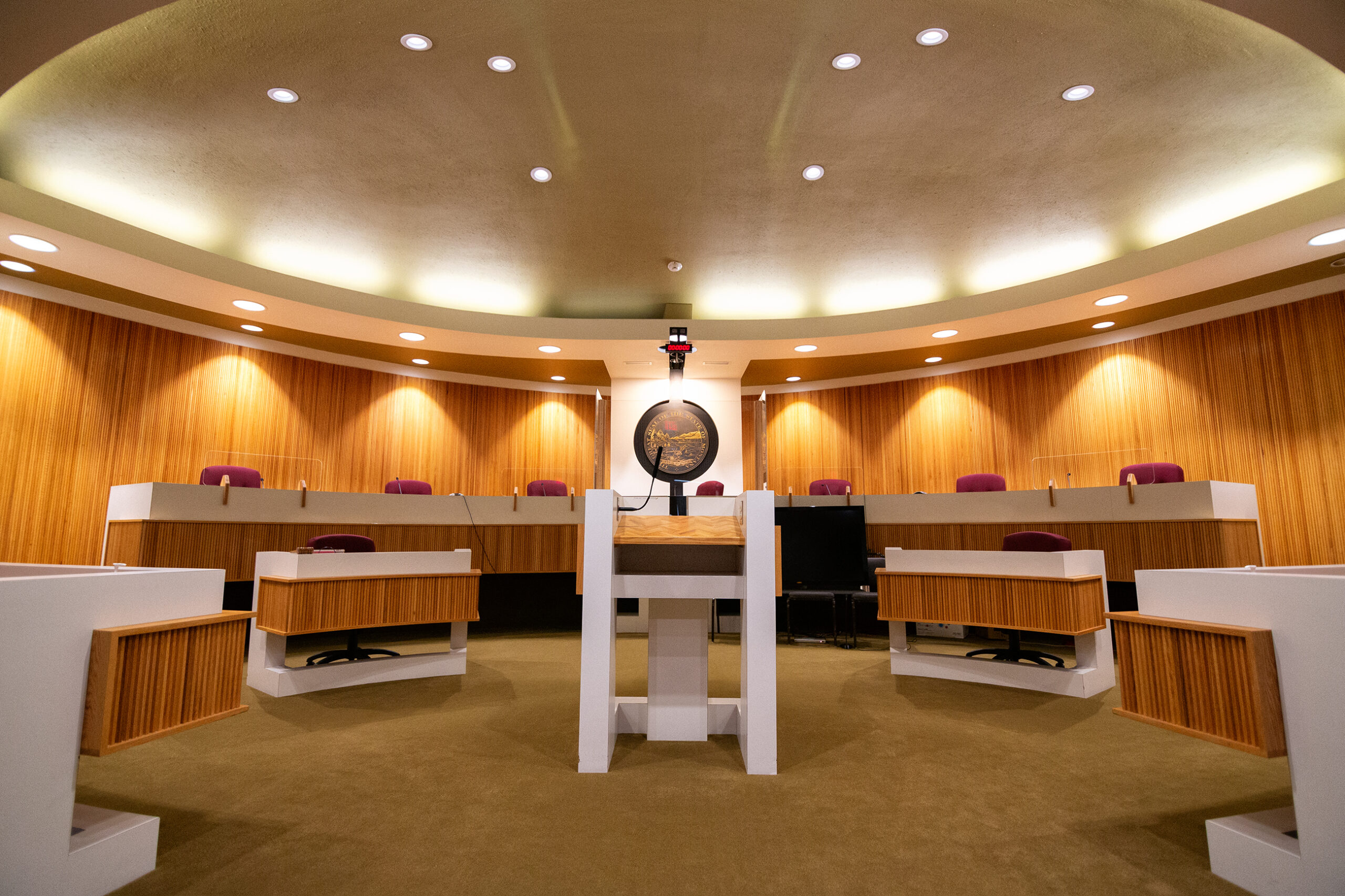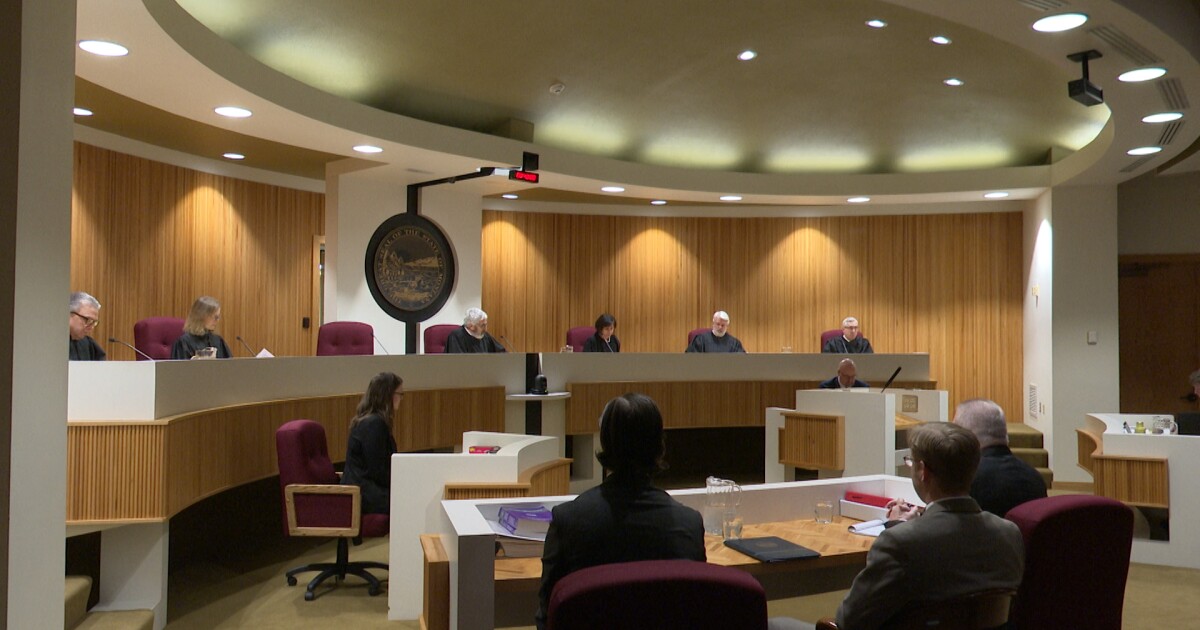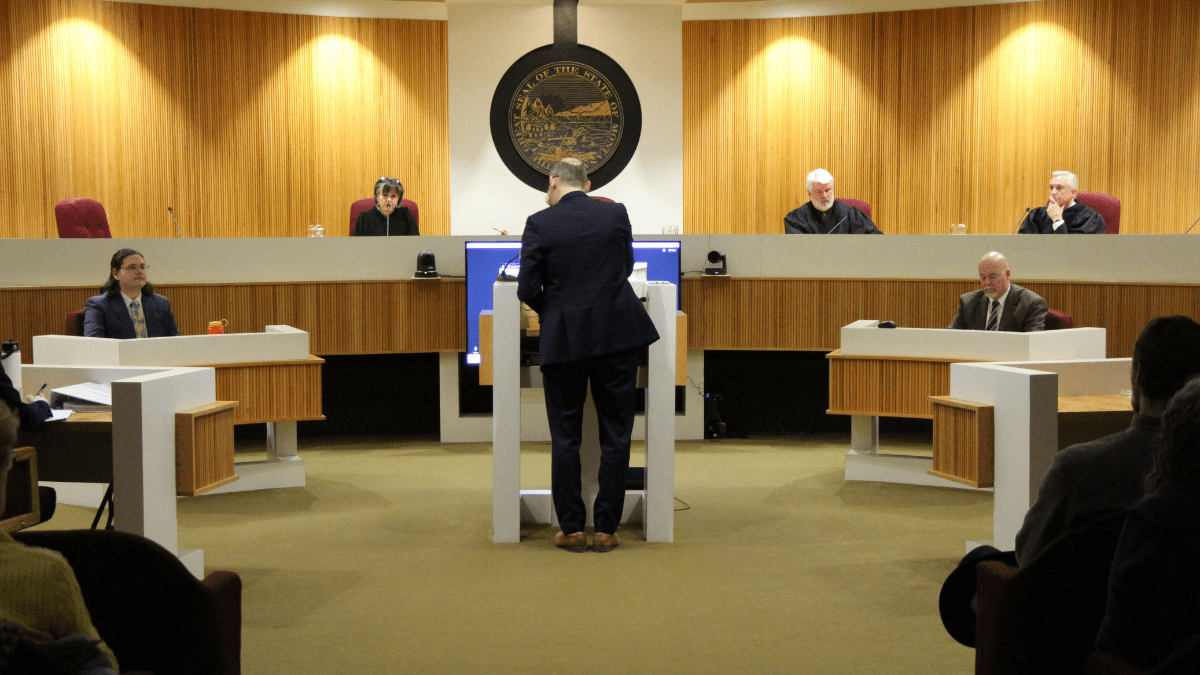
The Montana Supreme Court has ruled in favor of allowing a constitutional initiative to explicitly protect abortion rights to proceed to the November ballot, overturning the state attorney general's finding that the proposal was "legally insufficient." The court found that the proposal did not improperly combine distinct subjects and that the attorney general exceeded his authority in concluding that it would confuse voters. The initiative's future still requires finalizing ballot statement language, passing through legislative review, and collecting over 60,000 verified signatures. The court also directed the attorney general to prepare a ballot statement within five days.
The Gallatin County Commission in Montana is informing homeowners that an additional $12.3 million in property taxes will need to be collected following a ruling by the Montana Supreme Court. The court ruled that counties must levy the amount determined by the Montana Department of Revenue, overturning the county's attempt to save taxpayers money while ensuring adequate school funding. The commission is now working on how to comply with the mandate and collect the additional funds from property owners.
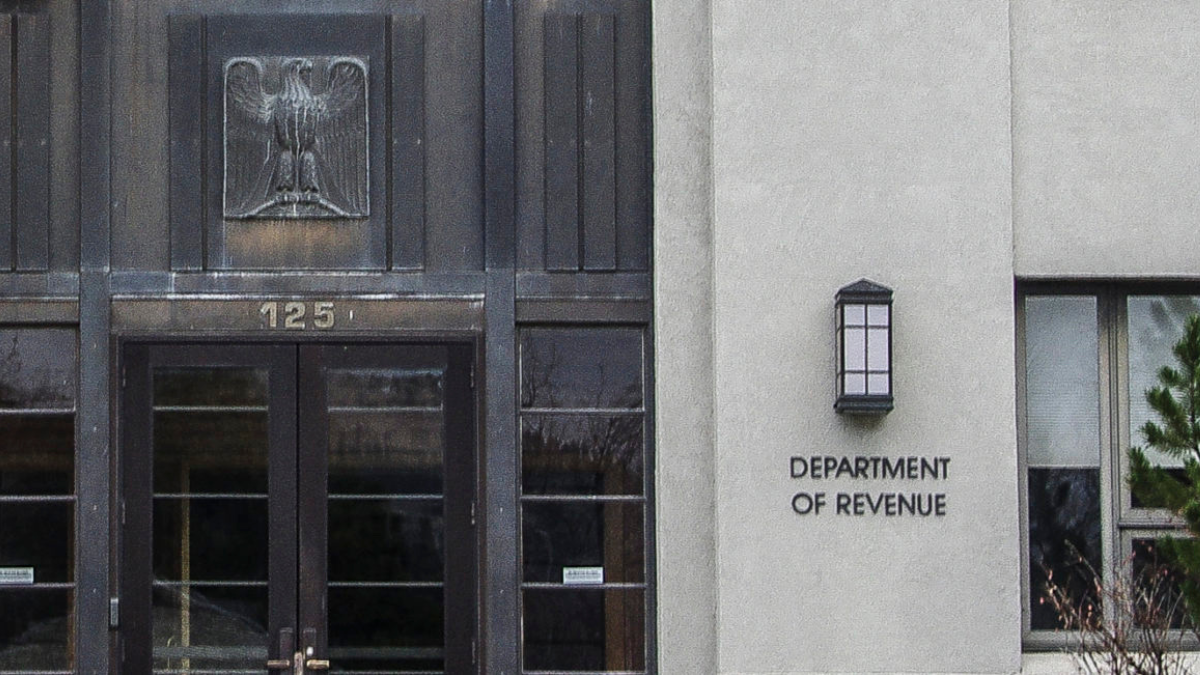
The Montana Supreme Court has ruled against Montana county governments in a dispute over the authority of the Montana Department of Revenue to order the full collection of the 95-mill state-level school equalization levy. This ruling means that the majority of Montana counties that chose to collect a lower rate on tax bills will likely have to make up the difference in the spring. The 95 mills, which fund part of a state effort to balance funding between tax-base-rich and tax-base-poor school districts, are expected to bring in about $99 million more this year than last. The ruling has sparked concerns about rising property taxes and potential impacts on education funding.
The Montana Supreme Court has ruled that counties must levy the full amount calculated by the state for schools, overturning the decision by most county commissions to levy less due to concerns over high property taxes. The court found that the state's interpretation of its taxation authority is consistent with the Montana Constitution and the Legislature's directive to equalize funds for public education. While the governor praised the decision, counties are upset as it would result in higher taxes. The ruling reaffirms the obligation to ensure quality education for all students and addresses the issue of property tax increases.
The Montana Supreme Court has ruled against the majority of Montana counties in a dispute over property tax calculations. The court upheld the state's interpretation of property tax law, stating that counties are obligated to charge the full amount of school equalization property tax mills as directed by the Montana Department of Revenue. The ruling ends a months-long dispute between the state and the counties, which started after a spike in residential property values. The court's decision means that property tax collections statewide will not be reduced by about $80 million this year.