
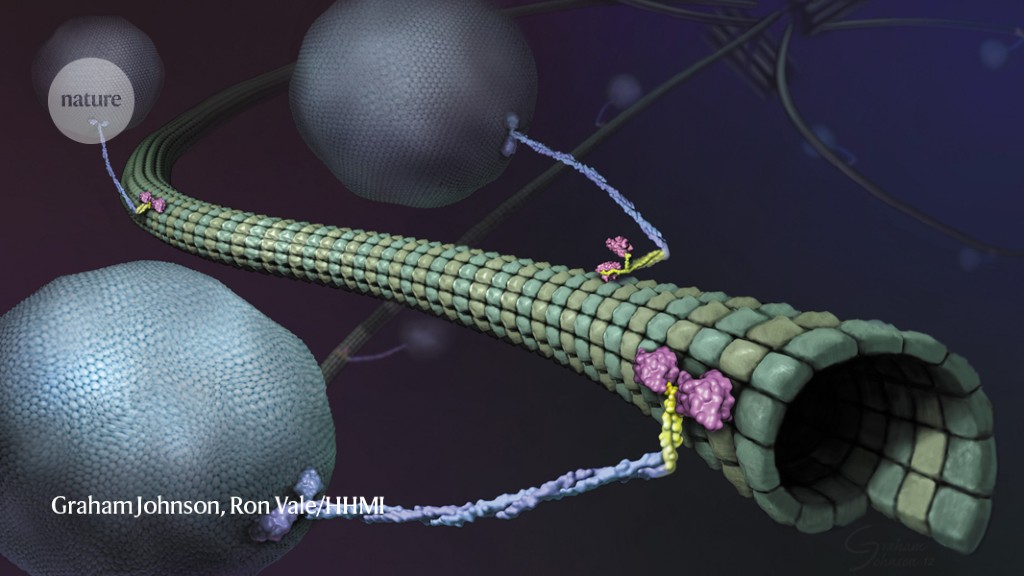
Two independent teams have used a super-resolution tool called MINFLUX to study molecular motors called kinesins in near-real time at physiologically relevant concentrations of ATP. The teams were able to track the protein in 3D and capture side-stepping, stalling, and hops from one microtubule to another. The new technology could open multiple research avenues, especially if it allows researchers to track several proteins or several sites in proteins at once.
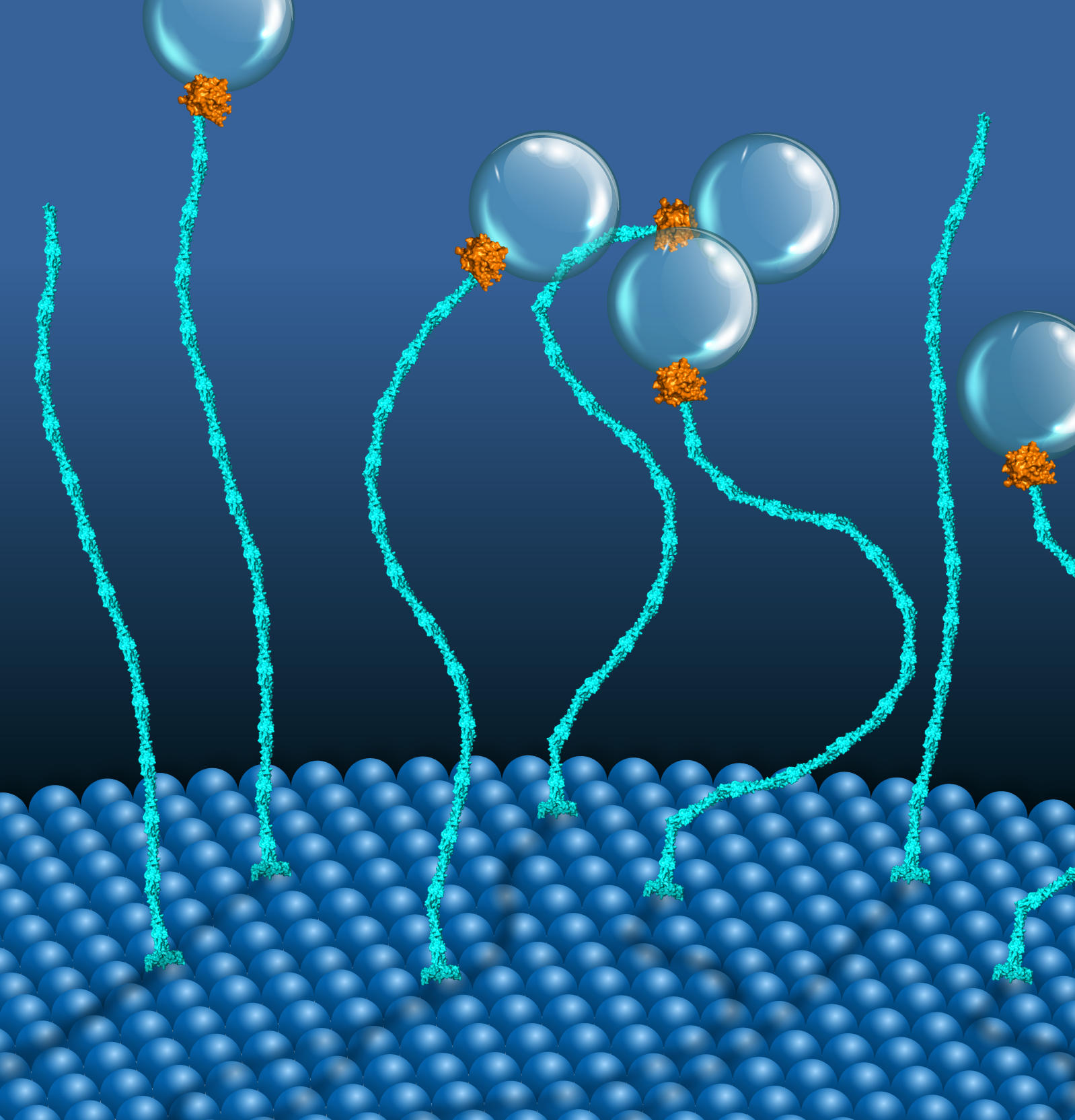
Researchers from the Max Planck Institute of Molecular Cell Biology and Genetics, the Cluster of Excellence Physics of Life, the Biotechnology Center of TU Dresden, and the National Centre for Biological Sciences in India have discovered a new molecular motor system that uses GTP instead of ATP and features a new mechanism for executing mechanical tasks. The motor, composed of two proteins, EEA1 and Rab5, can transfer chemical energy into mechanical work and play active mechanical roles in membrane trafficking. The team hopes that this new interdisciplinary study could open new research avenues in both molecular cell biology and biophysics.