The article discusses how the rise of large language models (LLMs) is shifting enterprise software interfaces from traditional APIs and SDKs to natural language-based interactions, enabled by the Model Context Protocol (MCP). This transition allows users to specify outcomes rather than functions, simplifying integration, reducing onboarding time, and increasing productivity, while also requiring new architectural, security, and organizational considerations.
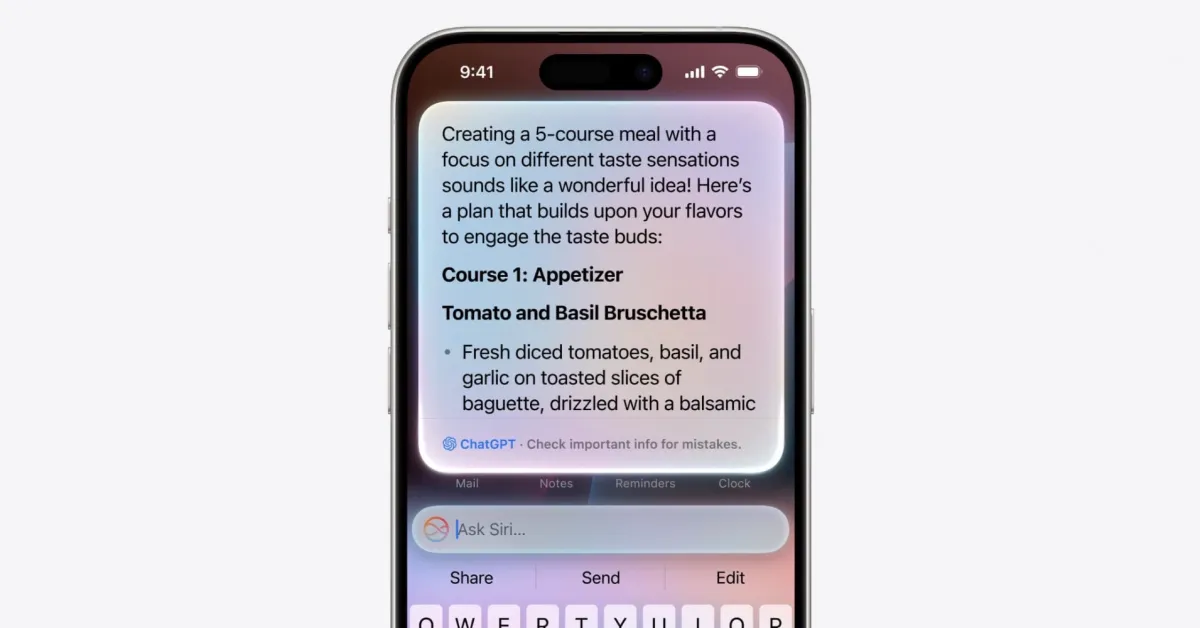
Apple CEO Tim Cook indicated plans to expand AI collaborations beyond OpenAI, mentioning potential future integrations with providers like Google Gemini and support for third-party models, but has yet to announce concrete partnerships or products, raising questions about the company's short-term AI strategy.
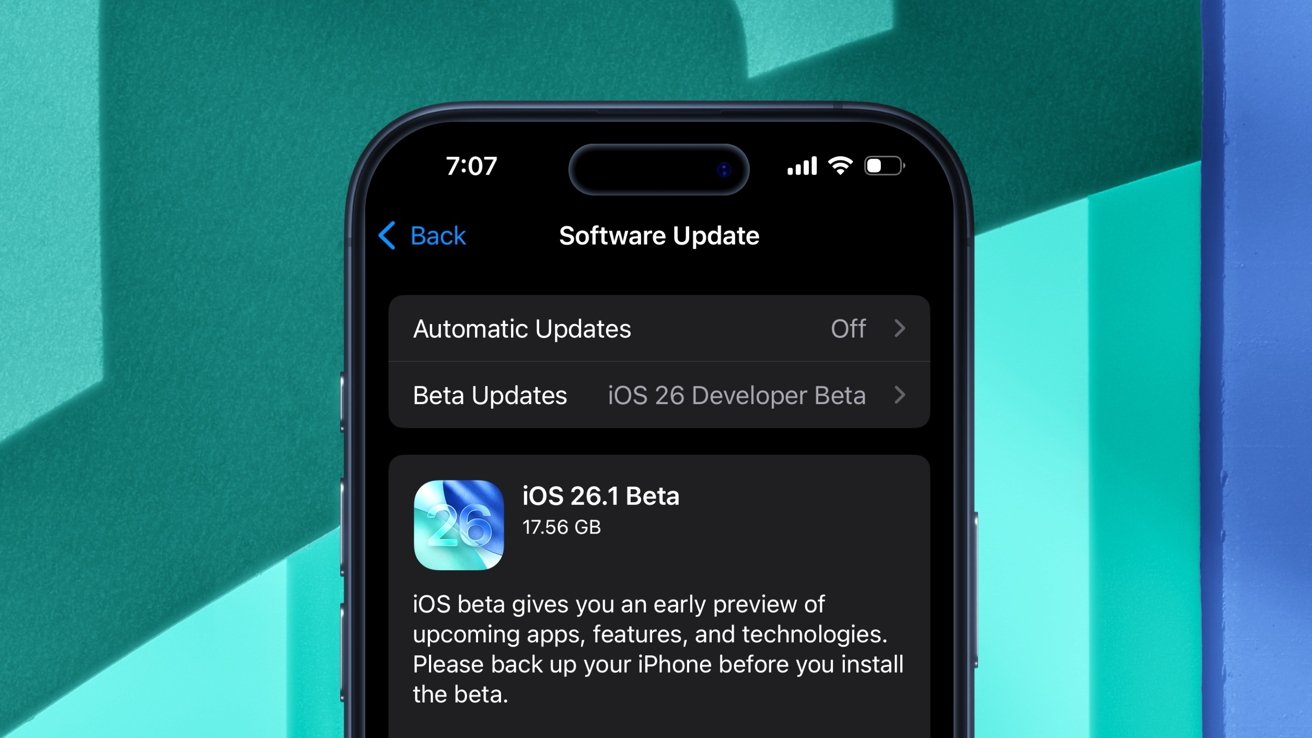
The first developer beta of iOS 26.1 introduces expanded Apple Intelligence features, including support for nine new languages in Live Translation, improvements to AI capabilities, and hints at upcoming Model Context Protocol support for better AI integration across Apple devices. It also includes security enhancements and minor UI updates, with more features expected in future releases.
Anthropic's Claude AI now integrates with Canva, allowing users to create and edit designs within Canva through AI chat, powered by the Model Context Protocol (MCP). This feature requires a paid Claude subscription and varies by Canva plan, with more third-party platform integrations expected to follow.
Anthropic has introduced the Model Context Protocol (MCP), an open-source tool that allows the Claude chatbot to interact with various data sources, including local files, GitHub, Slack, and web searches. This protocol simplifies the integration process for developers by eliminating the need for custom code for each data source. Currently available as an early development preview for the Claude desktop app on Mac and Windows, MCP represents a significant step towards more seamless human-computer interaction, enabling AI to perform complex tasks like building web apps without user coding.
Anthropic has introduced the Model Context Protocol (MCP), an open-source tool designed to enable AI assistants to access data from any app securely. This protocol allows developers to create AI-to-app integrations without needing direct collaboration with major tech firms like Google. While promising to streamline AI integration across apps, MCP raises potential privacy concerns as it facilitates broader data access for AI agents. Companies like Zed, Replit, and Sourcegraph have already adopted MCP, and Apple is expected to introduce similar AI functionalities soon.
Anthropic has launched the Model Context Protocol (MCP), an open-source tool designed to connect AI systems directly to various datasets, enhancing their performance by providing a universal connection to data sources. This tool simplifies the integration process for developers, allowing them to connect AI models to multiple data sources using a standard protocol, rather than creating custom code for each dataset. MCP is already being utilized by coding platforms like Replit and Codeium, and aims to streamline AI system connectivity as the industry moves towards more agentic AI solutions.