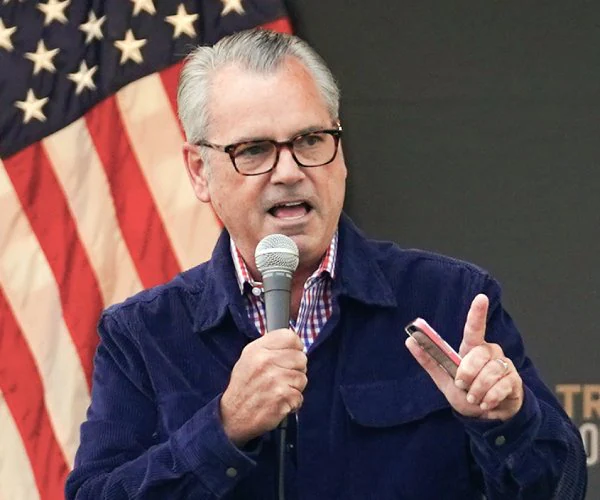
Rep. Mark Alford, R-Mo., expressed his agreement with President-elect Donald Trump's stance that the U.S. should avoid involvement in Syria to prevent another prolonged conflict. Alford emphasized that Israel is effectively managing the situation by targeting strategic weapons in Syria, thus reducing the threat from jihadist groups. He highlighted the importance of allowing Israel to handle its security concerns in the region, particularly near the Golan Heights, without U.S. intervention.
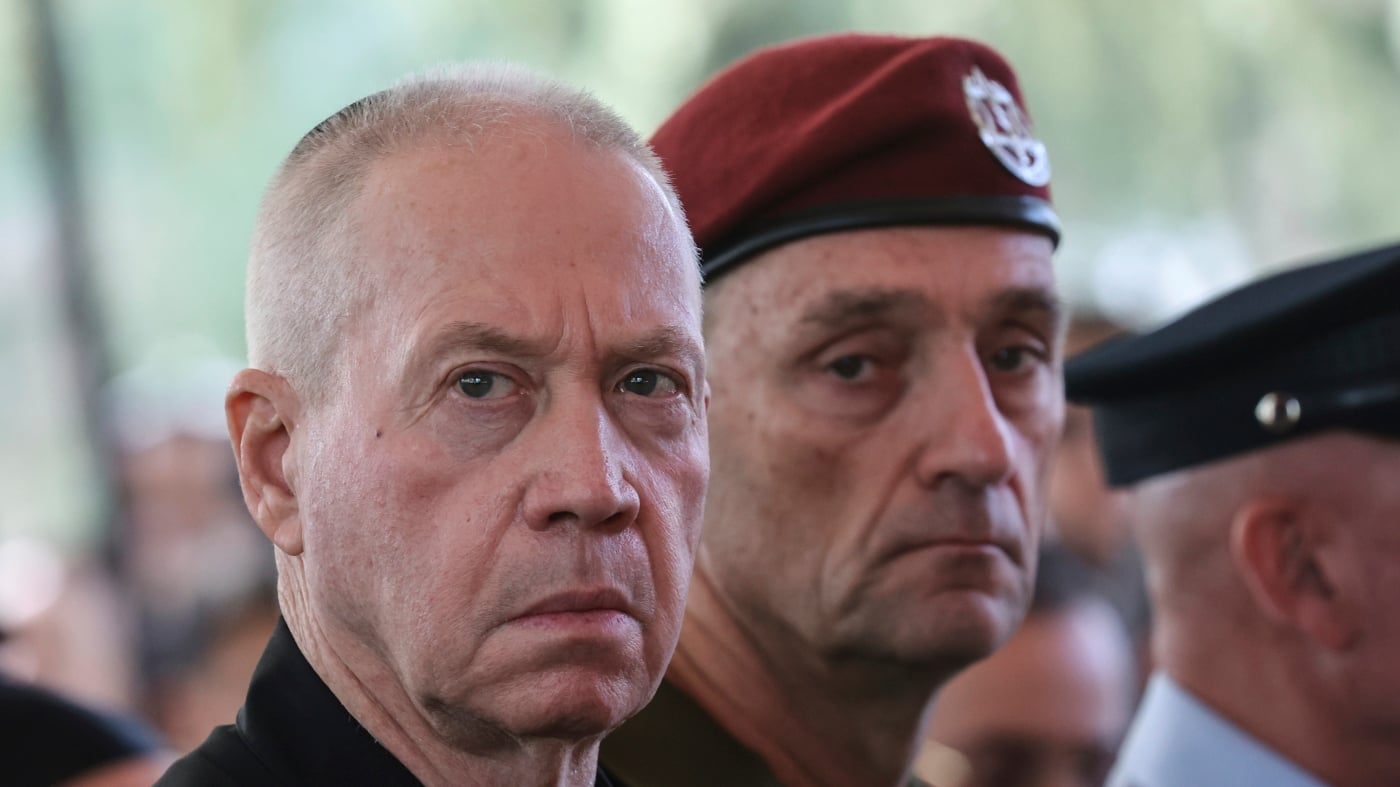
Israeli Prime Minister Benjamin Netanyahu has dismissed Defense Minister Yoav Gallant amid ongoing conflicts in Gaza and Lebanon, citing a "crisis of trust." Gallant's pragmatic approach to the war, including advocating for a diplomatic deal with Hamas, clashed with Netanyahu's hardline stance. The firing has sparked widespread protests across Israel, with critics accusing Netanyahu of prioritizing political survival over national security. Israel Katz, a Netanyahu loyalist, has been appointed as the new defense minister.
U.S. Secretary of State Antony Blinken has described the situation in Gaza as 'dire' amidst concerns of a potential escalation into a wider Middle East war. During his visit to Jordan, Blinken emphasized the importance of speeding up humanitarian aid to Palestinian civilians and discussed the future governance of Gaza post-conflict. His efforts are part of the Biden administration's strategy to prevent the conflict between Israel and Hamas from expanding.
Despite claims from Iranian and Arab pundits that Israel is not winning the war in Gaza, the Israeli military has been effectively targeting and eliminating leaders from Hamas, Hezbollah, and the Iran Revolutionary Guard Corps (IRGC). Israel's precision strikes and intelligence capabilities have been showcased, with significant numbers of enemy combatants killed and minimal civilian casualties. While top Hamas leaders remain at large and rocket attacks continue, the frequency of these attacks and the destruction of Hamas infrastructure suggest a weakening of the group. Israel's military superiority is evident, but for a lasting victory, the focus will need to shift from military action to diplomatic efforts aimed at peace and prosperity in the region.
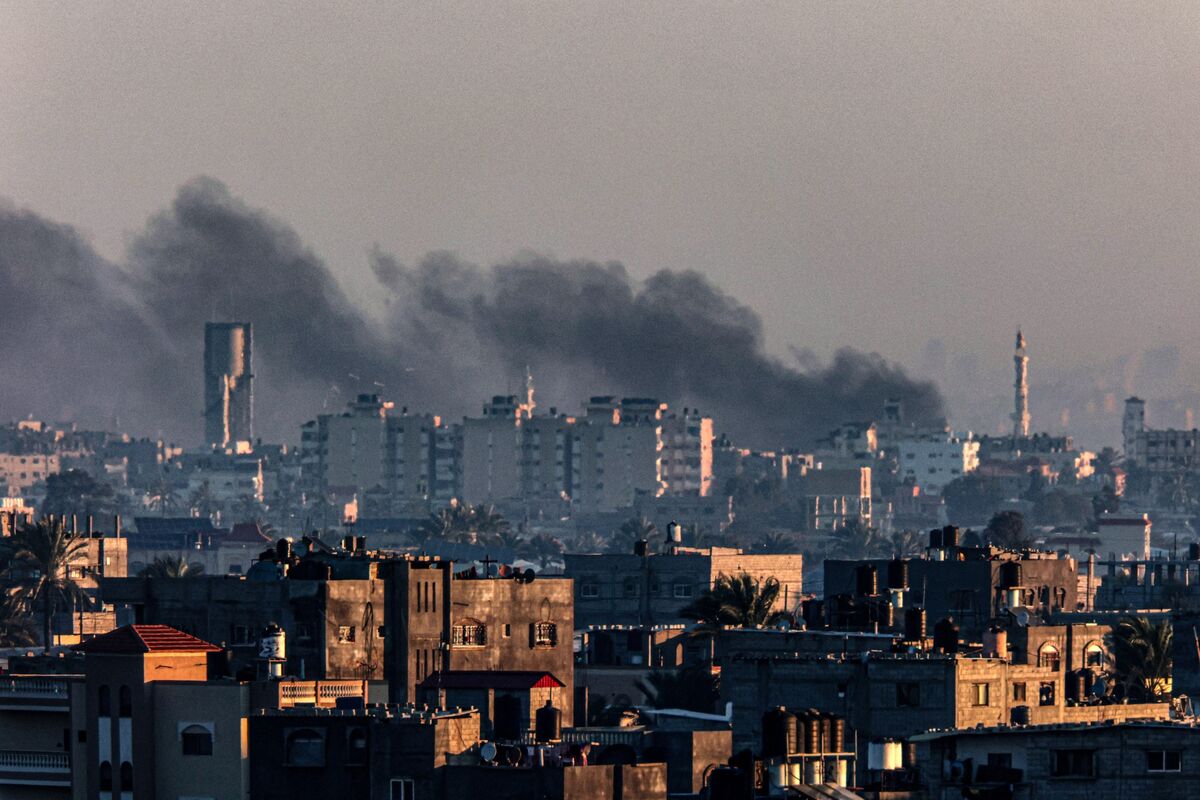
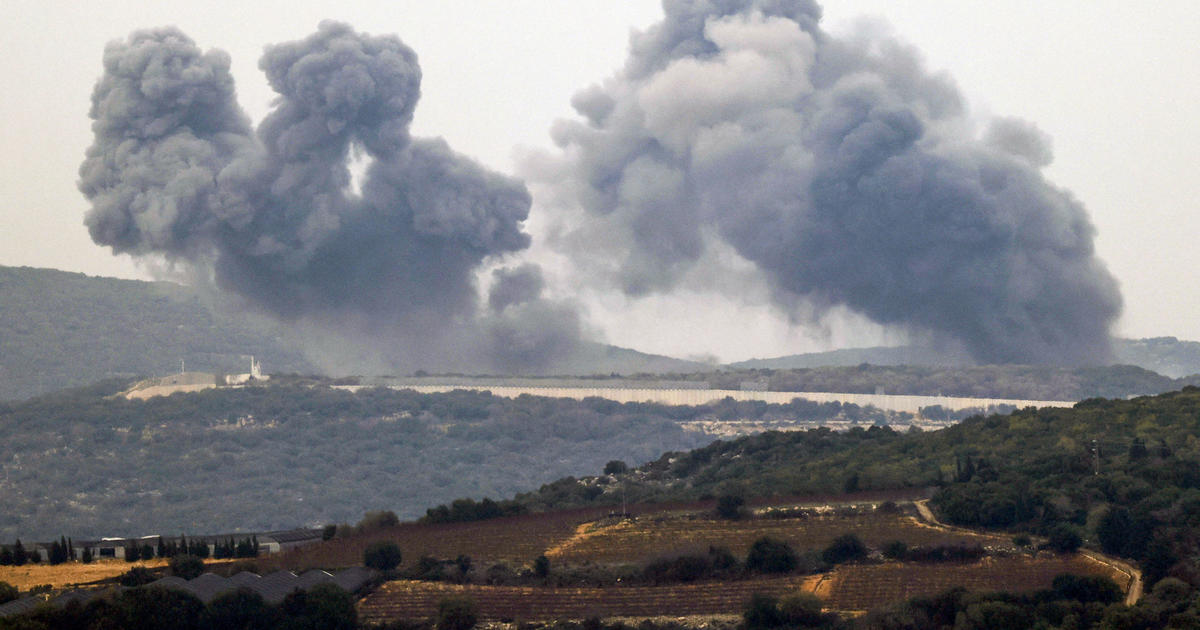
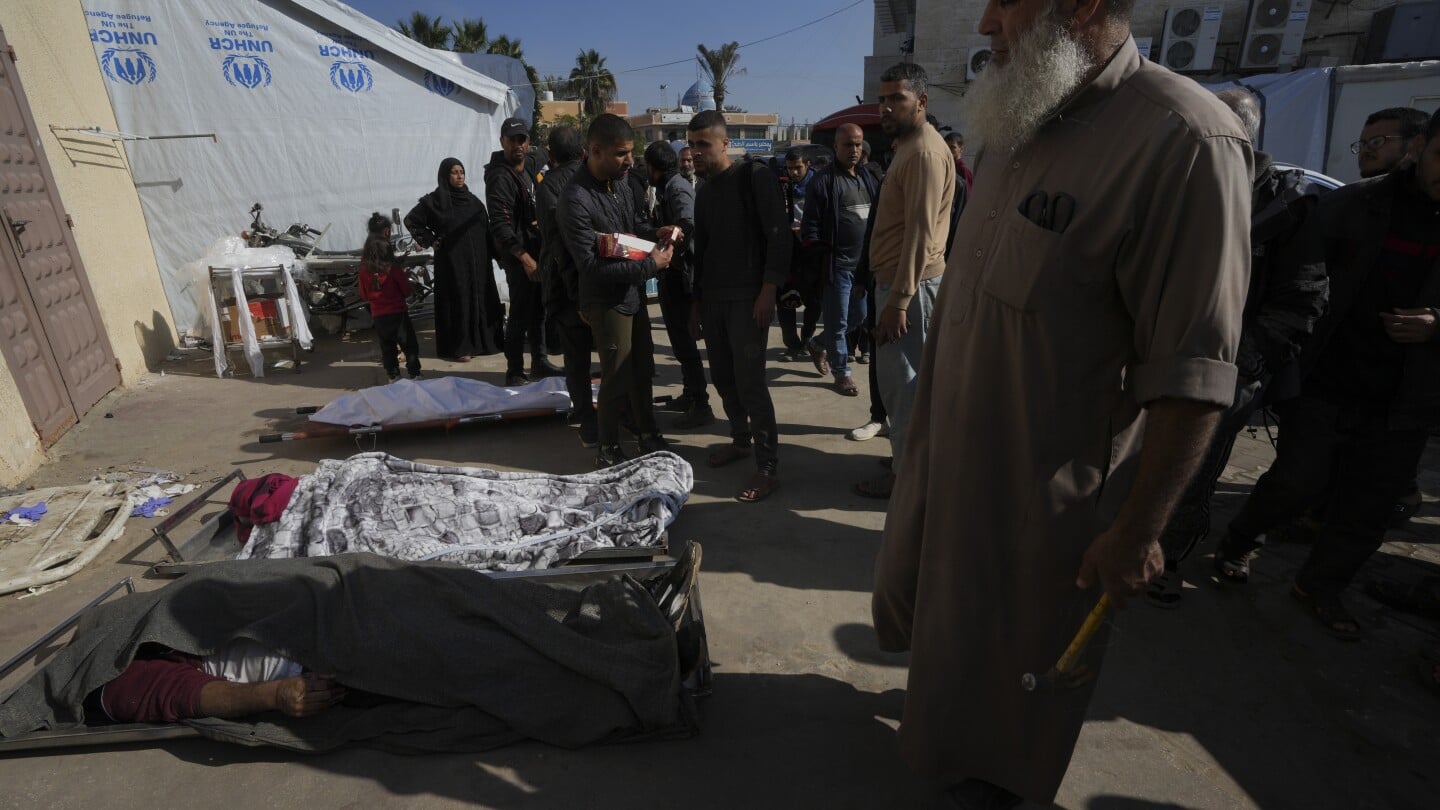
Hezbollah fired dozens of rockets into northern Israel in retaliation for the killing of a top Hamas leader in Beirut, escalating tensions in the region. Israel responded with airstrikes and artillery fire, resulting in casualties and a humanitarian crisis in Gaza. The U.S. Secretary of State Antony Blinken is on a diplomatic tour in the Middle East, seeking to de-escalate the situation and discuss post-war reconstruction efforts. The EU's foreign policy chief is also pushing for a European-Arab initiative to revive peace talks for a two-state solution.
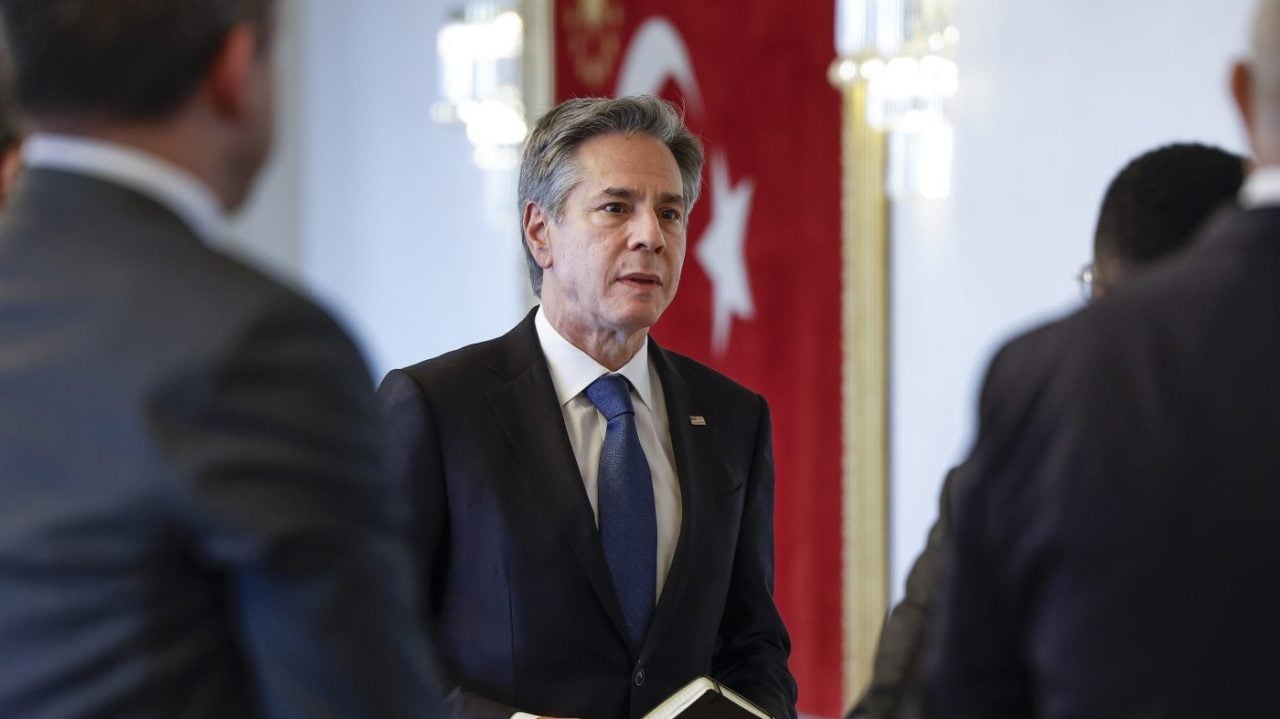
U.S. Secretary of State Antony Blinken warned against the spread of conflict in the Middle East during meetings with Turkish and Greek leaders. In Istanbul, discussions with President Erdoğan and Foreign Minister Fidan focused on the Gaza war, humanitarian aid, and a two-state solution, alongside NATO expansion and the F-16 fighter jet deal. Blinken's trip also includes visits to several Middle Eastern countries to address regional peace and security as tensions escalate with the ongoing Israel-Hamas war and increased militant activity in the region.
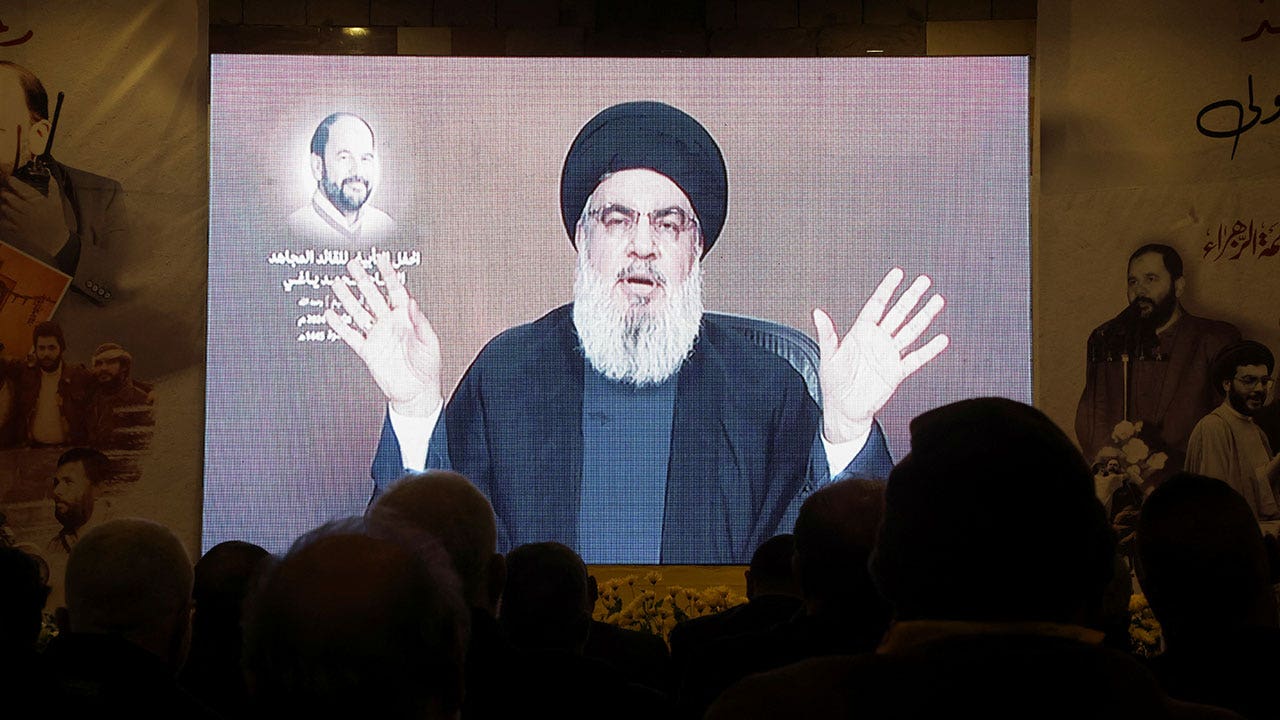
Israeli Defense Minister Yoav Gallant has proposed a postwar plan for Gaza amidst escalating tensions and international pressure, suggesting a multinational task force to oversee reconstruction while maintaining Israeli military control of borders. The plan, which excludes the Palestinian Authority and Hamas, has revealed divisions within Prime Minister Netanyahu's government and has been criticized by far-right members. Meanwhile, Hezbollah leader Hassan Nasrallah has dismissed negotiations until the Gaza war ends, and U.S. Secretary of State Antony Blinken is on a Middle East tour to prevent a wider regional conflict following the assassination of a senior Hamas official in Beirut, for which Israel has been implicated but has not confirmed responsibility.
Hezbollah launched a barrage of rockets at Israel in retaliation for the killing of a Hamas leader by a suspected Israeli strike in Beirut. The attack is part of escalating tensions in the region, which have seen ongoing conflict between Israel and Hamas, including a three-month war with significant casualties. U.S. Secretary of State Antony Blinken is in the Middle East seeking support for reconstruction efforts and discussing NATO and regional security issues amid the conflict.
Hizbollah has launched rocket attacks on Israel as an "initial response" to the killing of a Hamas leader. This escalation marks a significant rise in tensions in the Middle East, with potential implications for broader regional security. The details of the incident, including casualties and the extent of the response from Israel, are not provided in the snippet.
Hezbollah launched a rocket attack on northern Israel as a response to the killing of a top Hamas leader, escalating tensions in the region. The attack targeted an Israeli air surveillance base and army posts, with Hezbollah claiming direct hits, while Israel acknowledged the attack but did not confirm the hits. The violence coincides with U.S. Secretary of State Antony Blinken's diplomatic tour in the Middle East, aimed at de-escalating the conflict and discussing post-war reconstruction efforts for Gaza. The ongoing war has resulted in significant Palestinian casualties and a humanitarian crisis, with international calls for Israel to minimize civilian harm amidst its military campaign against Hamas.
The Middle East is experiencing escalating tensions that could lead to a larger regional conflict, with recent attacks involving US drone strikes, Iranian-backed militias, and proxy warfare. The Biden administration is attempting to prevent further escalation, but the situation is complicated by technological advances in warfare, such as armed drones, and the growth of proxy forces, particularly those supported by Iran. Despite efforts to focus on other global threats, the US continues to be drawn into Middle Eastern affairs due to alliances, energy interests, and competition with Iran.
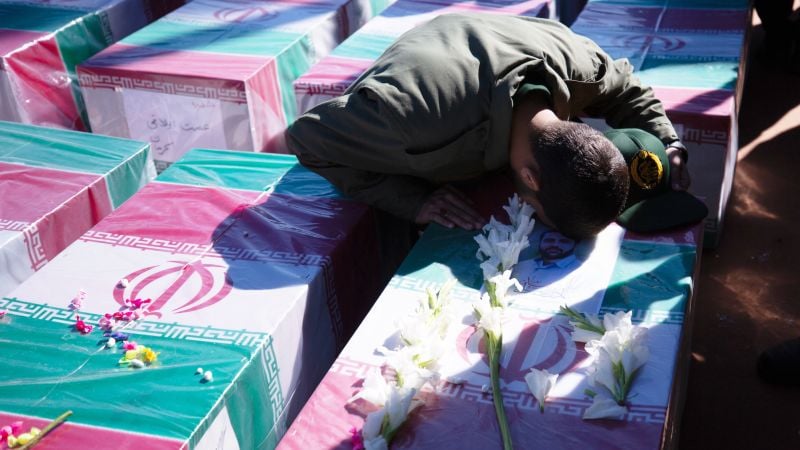
The Middle East has seen a surge in violence as Iran-allied militant groups, including Hamas, Hezbollah, the Houthis, and militias in Iraq and Syria, have escalated attacks on U.S., Israeli, and global targets. These attacks come in response to Israel's military campaign in Gaza, which began on October 7th after Hamas's cross-border raids. The United States is actively trying to de-escalate the situation, with Secretary of State Antony Blinken visiting the region. The militant groups, unified under the late Iranian Gen. Qassem Soleimani's vision, have shown a readiness to support each other against threats to their survival. Meanwhile, extremist Sunni groups like the Islamic State and al-Qaida are also calling for attacks against Western targets in retaliation for the Gaza conflict.
Hezbollah leader Sayyed Hassan Nasrallah warned that Lebanon would be vulnerable to Israeli attacks if Hezbollah does not respond to the killing of a senior Hamas official in Beirut, which Hezbollah media attributes to Israel, though Israel denies involvement. Nasrallah emphasized the potential for an expanded conflict and the consequences for northern Israel, while also mentioning the possibility of Lebanon reclaiming territories occupied by Israel. The situation raises concerns of an escalation to open war in the region.
OpenAI CEO Sam Altman has expressed concern for Muslim, Arab, and Palestinian tech workers, who he says are hesitant to speak about their experiences due to fear of retaliation and career damage. His comments follow the recent violence in Gaza and Israel, which has led to a rise in both anti-Semitic and Islamophobic incidents. Altman, who is Jewish, acknowledged the problem of anti-Semitism but noted a lack of support for Muslim colleagues in the tech industry. He advocates for empathy and unity in supporting these workers during these difficult times.
The United States State Department has announced a reward of up to $10 million for information leading to the identification or disruption of the financial operations of five individuals financing Hamas. These individuals, previously designated as global terrorists, are involved in transferring significant funds to the Palestinian militant group and are linked to various countries, including Sudan, Turkey, and Qatar. The announcement comes in the wake of deadly exchanges between Israel and Hamas, with significant casualties reported on both sides.