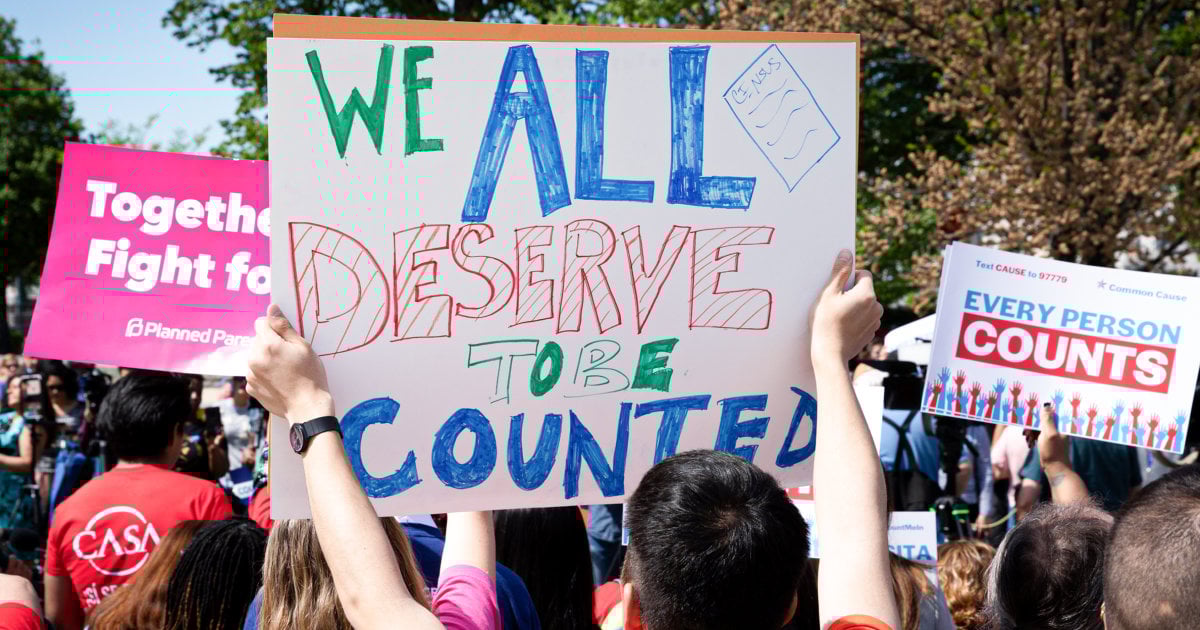
The addition of a new Middle Eastern or North African category to the U.S. census will allow an estimated 8 million Americans to accurately identify their origins, shedding light on a community that has long been undercounted and underrepresented. While seen as a step in the right direction, experts caution that the category may not fully capture the diversity of the region, particularly for Afro-Arabs and Armenian Americans. Advocacy groups continue to push for better representation, emphasizing the importance of accurate data for policy decisions and community empowerment.
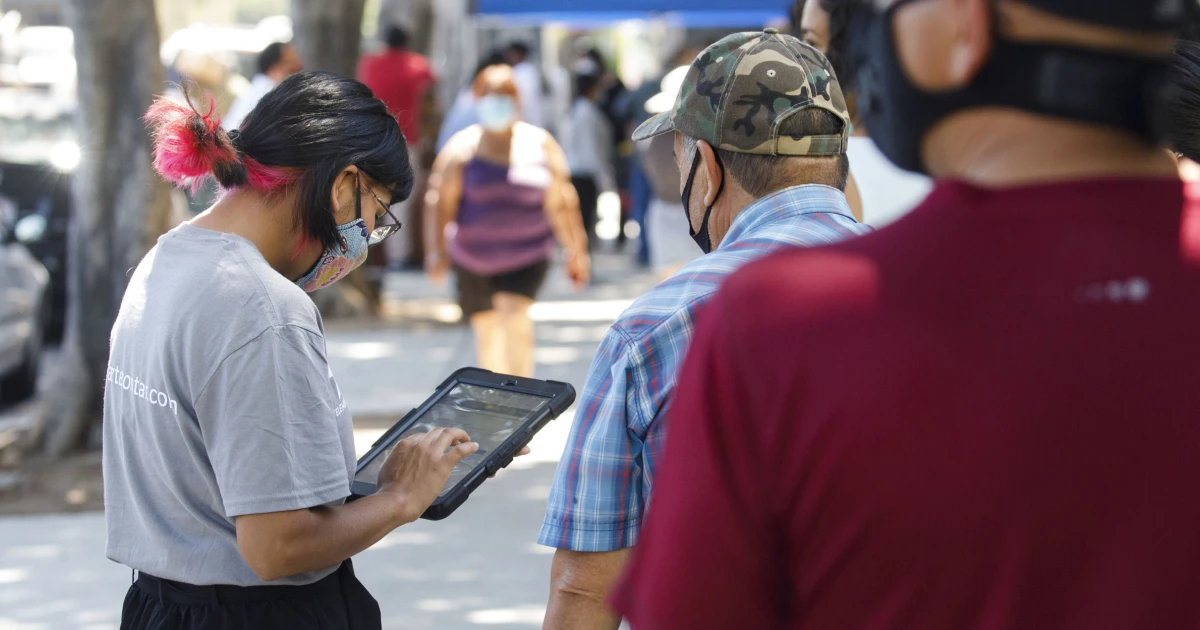
The Biden administration has adopted new race and ethnicity standards, combining Hispanic or Latino into one category and adding a separate checkbox for people of Middle Eastern or North African descent. The changes aim to better capture the expanding multicultural identity of the country and allow individuals to check as many categories as apply to their identity. The revisions, effective immediately, will impact federal data collection, census, and other agencies, with subcategories provided for each race/ethnicity. While praised for being a critical step, concerns have been raised about the prescriptive nature of the new standards and their potential impact on visibility for certain groups.
The 2020 U.S. Census Bureau data reveals that there are 3.5 million Middle Eastern or North African (MENA) residents in the United States, with Lebanese and Iranian being the largest groups. Venezuelans were the fastest-growing Hispanic group, nearly tripling their numbers due to the ongoing crisis in their home country. Mexicans remain the largest Hispanic group, followed by Puerto Ricans and Salvadorans. Chinese and Asian Indians are the two largest Asian groups, while Cherokee is the largest American Indian and Alaska Native group. The census data also highlights the need for updated racial and ethnic categories to better reflect the diverse population of the United States.