

Tag

Microplastic Pollution

All articles tagged with #microplastic pollution

environment1 year ago

Study: Eco-Fibers Could Be More Harmful Than Plastics

A study published in Environmental Science and Technology reveals that bio-based fibers like viscose and lyocell, intended as eco-friendly alternatives to plastics, may pose greater risks to earthworms than conventional polyester fibers. The research found higher mortality rates and adverse effects on earthworm reproduction and growth when exposed to these bio-based fibers. The findings highlight the need for thorough testing of new materials before they are widely adopted as plastic substitutes, emphasizing the complexity of addressing microplastic pollution.
environment2 years ago

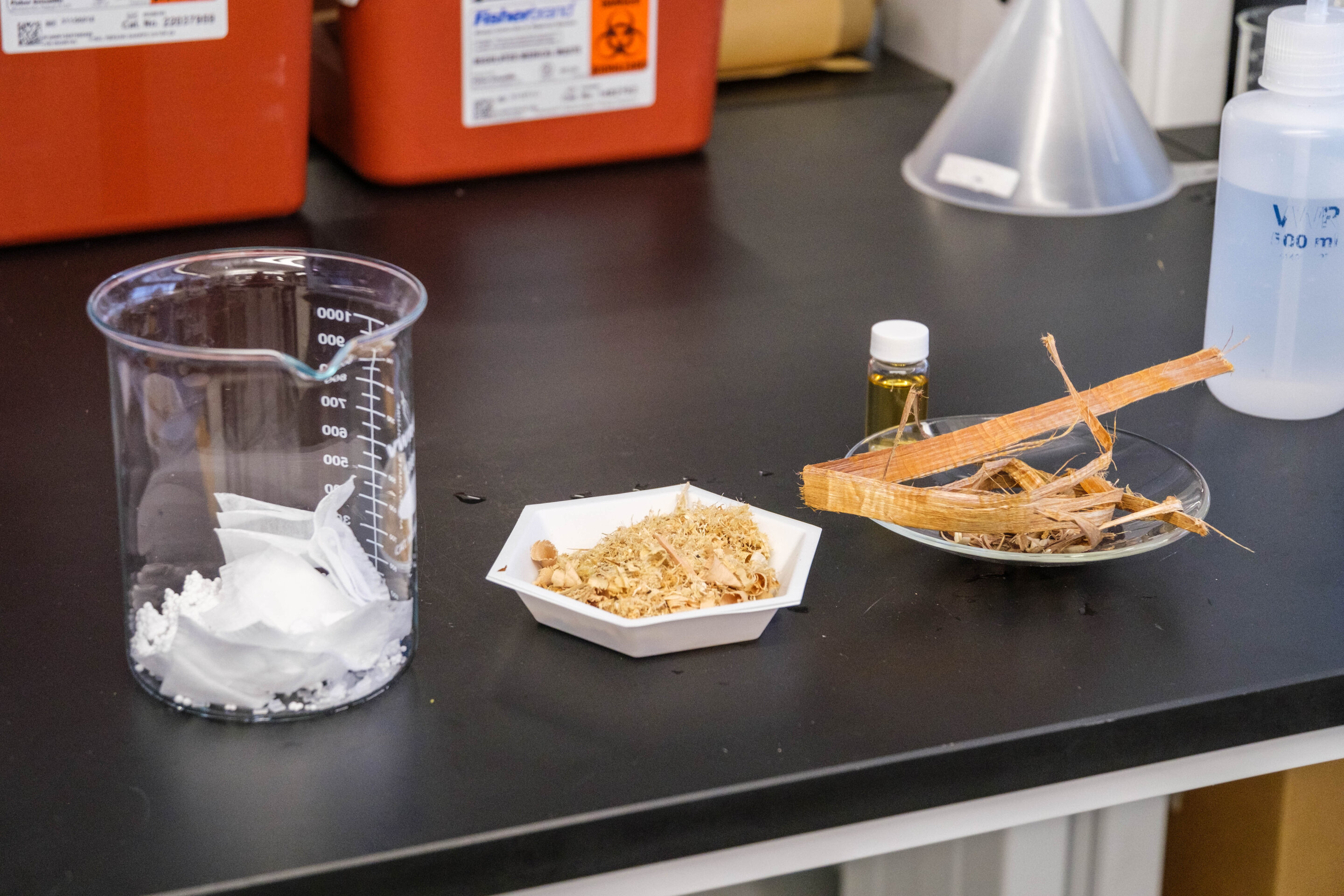
Wood dust device: A solution to microplastic pollution in water and farmland

Scientists at UBC's BioProducts Institute have developed a water filter that uses tannins, natural plant compounds, and wood dust to trap up to 99.9% of microplastic particles in water. The filter, called "bioCap," is made from renewable and biodegradable materials and shows promise in preventing microplastic contamination in water supplies. The method has been tested on various types of microplastics and has proven effective in capturing different sizes, shapes, and electrical charges. The researchers believe that the solution can be easily scaled up and implemented in municipal treatment systems or scaled down for home use.

environment2 years ago

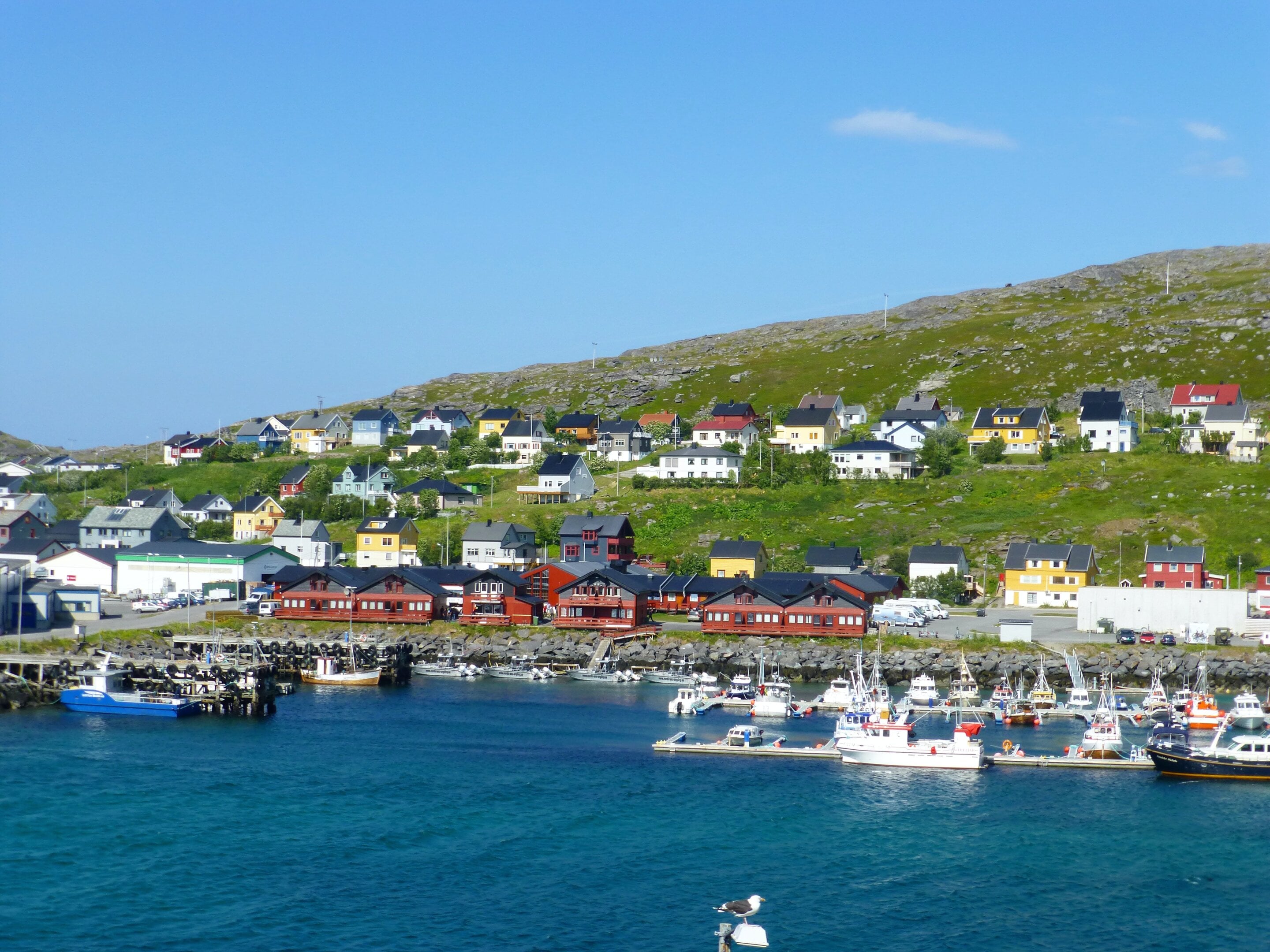
Unveiling Microplastic Pollution: Tourists and Citizen Scientists Aid Arctic Research

Tourists acting as citizen scientists have helped researchers detect concentrated levels of microplastic pollution on remote Arctic beaches. The study, conducted in the Svalbard archipelago, found that microplastics were not widespread but highly concentrated, comparable to areas previously believed to be more polluted. The study identified polypropylene fibers from fishing nets and polyester-epoxide particles from ship coatings as specific sources of plastic pollution. The findings highlight the need for more sampling in the Arctic to monitor the situation and engage citizens in addressing this global environmental issue.