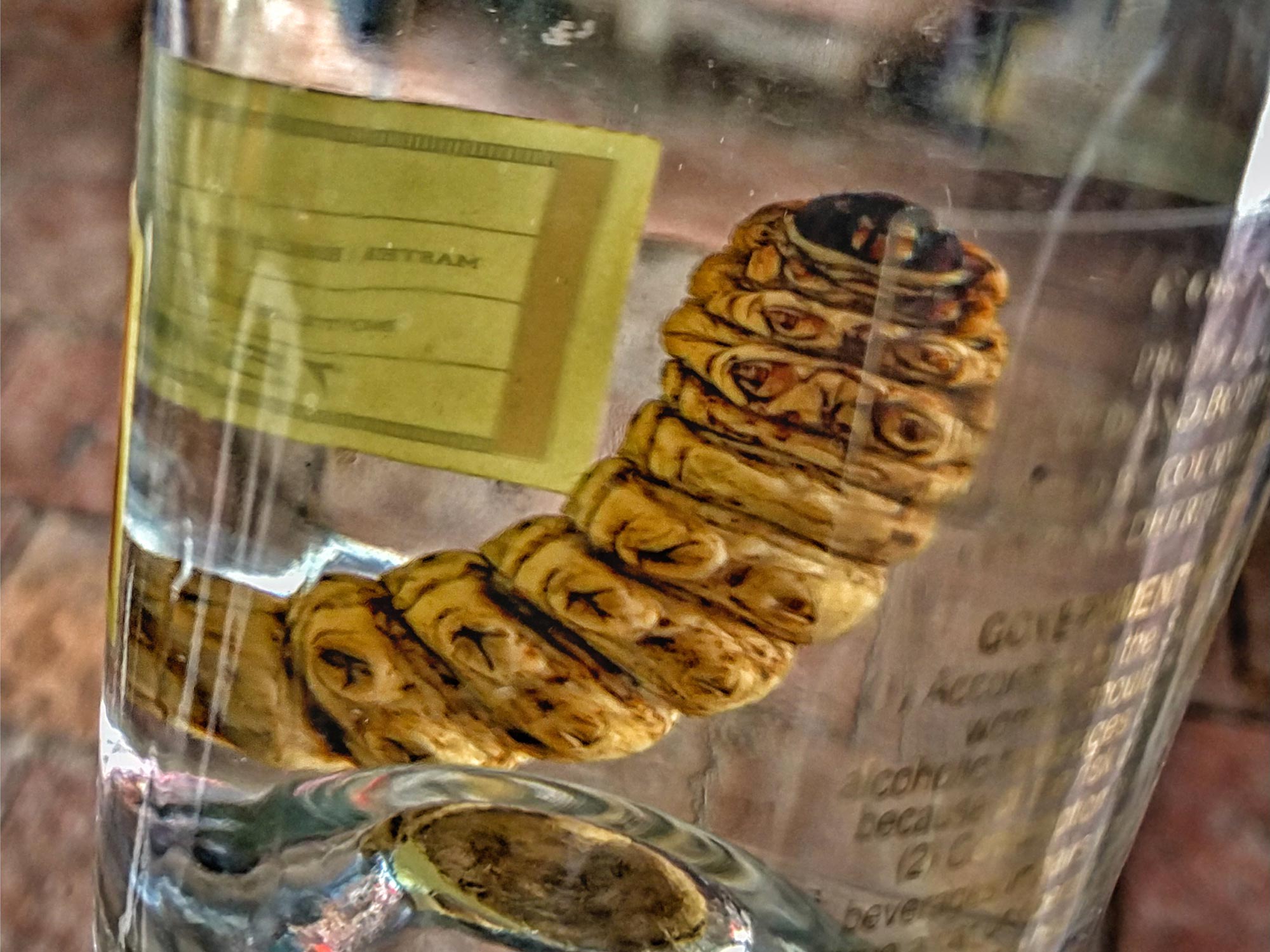
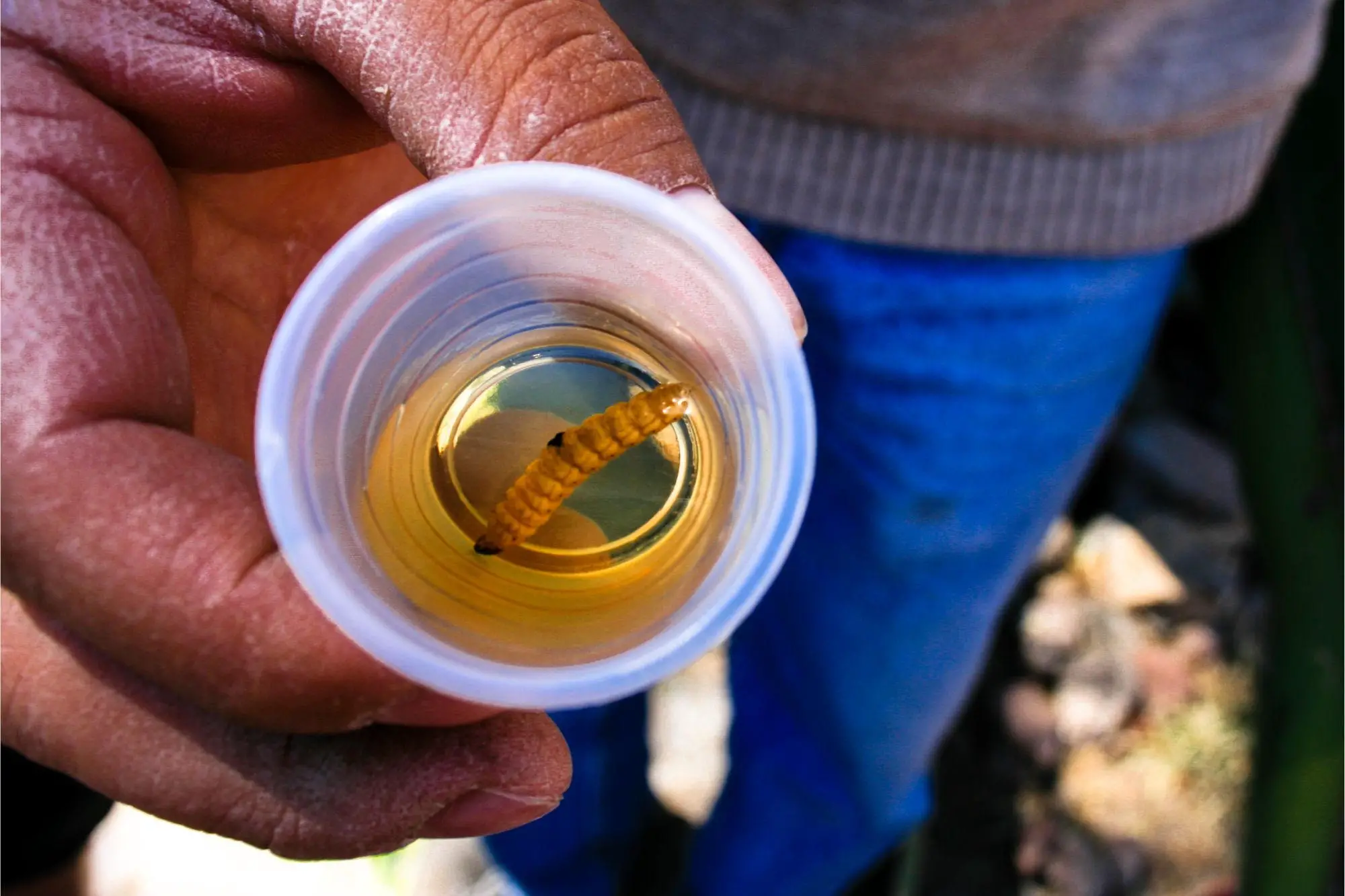
A genetic study revealed that the worm inside mezcal bottles is exclusively from the moth species Comadia redtenbacheri, dispelling myths that it could be from other insects like butterflies or weevils, and highlighting its cultural significance in Mexico.
Mexican liquors and beers, such as tequila, mezcal, and Modelo Especial, are experiencing significant growth in the U.S. market. Mexican brands have become dominant in the alcoholic beverages industry as consumers seek premium-priced products with authentic backstories. Tequila and mezcal have surpassed American whiskey to become the second-fastest growing spirits category in the U.S., with nearly 30 million cases sold in 2022. Mexican beer imports are also on the rise, with Modelo Especial becoming the best-selling beer in the U.S. The success of these Mexican beverages is attributed to authentic marketing, changing consumer preferences, and the influence of Hispanic culture.
Bryan Cranston plans to temporarily retire from acting and his business ventures in 2026 for at least six months to spend more time with his wife. He will shutter his production company, Moonshot Entertainment, and sell his portion of his mezcal company, Dos Hombres. Cranston and his wife plan to move to a foreign country and spend time relaxing with gardening and cooking. He will be 70 in 2026 and claims it will be a complete pause from work.
A recent study has identified the species of larvae found in bottles of Mezcal, a distilled alcoholic beverage made from agave, as the caterpillars of agave redworm moths. The researchers suspect that accounts of white gusanos de maguey come from caterpillars that have been stored in alcohol for long amounts of time and have consequently leached their color. The sale of mezcal is expected to increase by 22% in the next decade, reaching $2.1 billion in profits by 2030, riding a growing wave of interest in artisanal, ethically manufactured products. However, the impact of mezcal becoming popular can have long-term negative effects on local populations because they are harvested in the wild.