
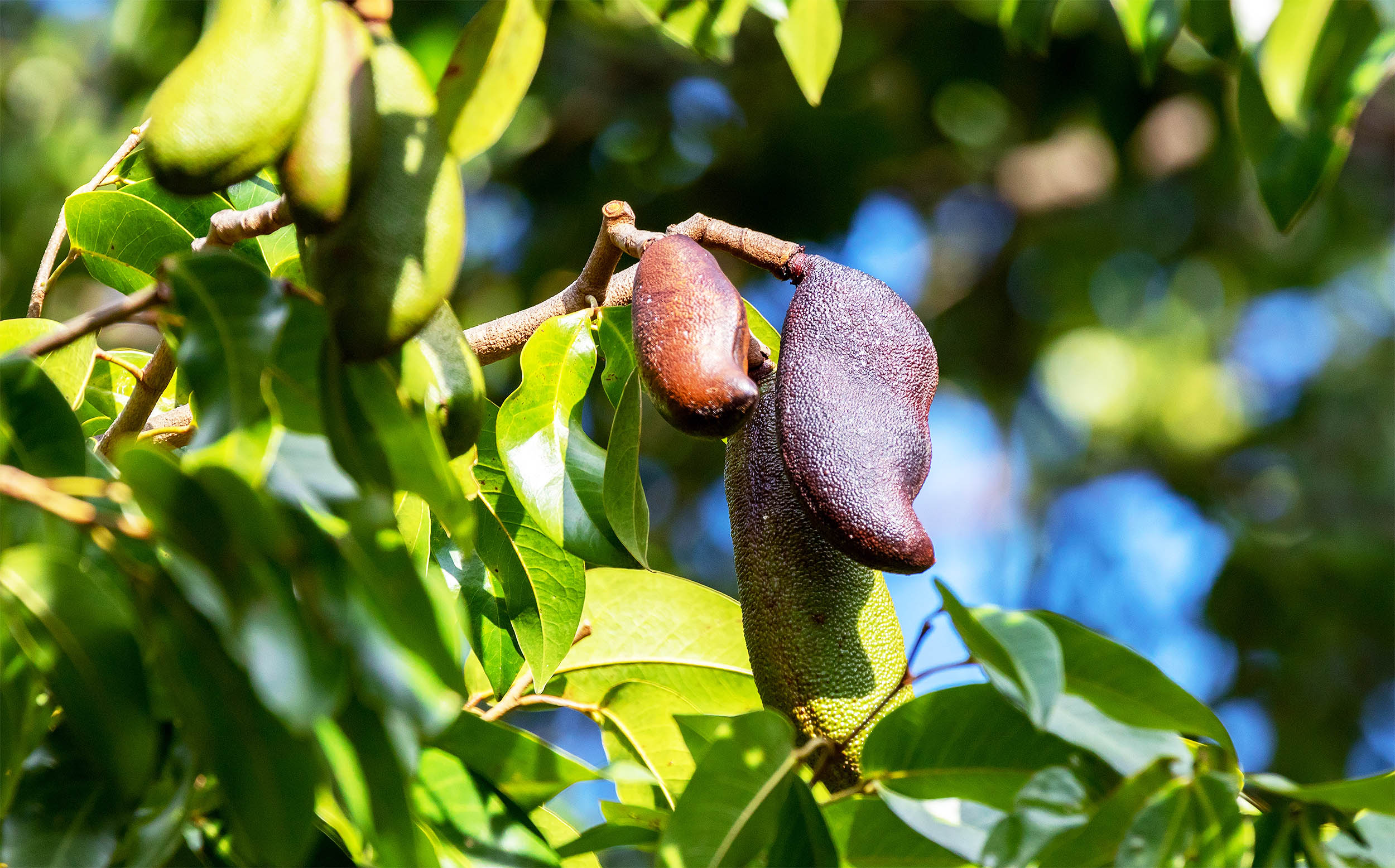
Hymenaea courbaril, a tropical tree native to Latin America, has significant potential as both a food source and medicine, with its pulp, seeds, and bark containing valuable nutrients, antioxidants, and medicinal compounds. Its seed gum can be used as a natural thickener in food products, and traditional uses suggest health benefits, though more research is needed to confirm medicinal claims.
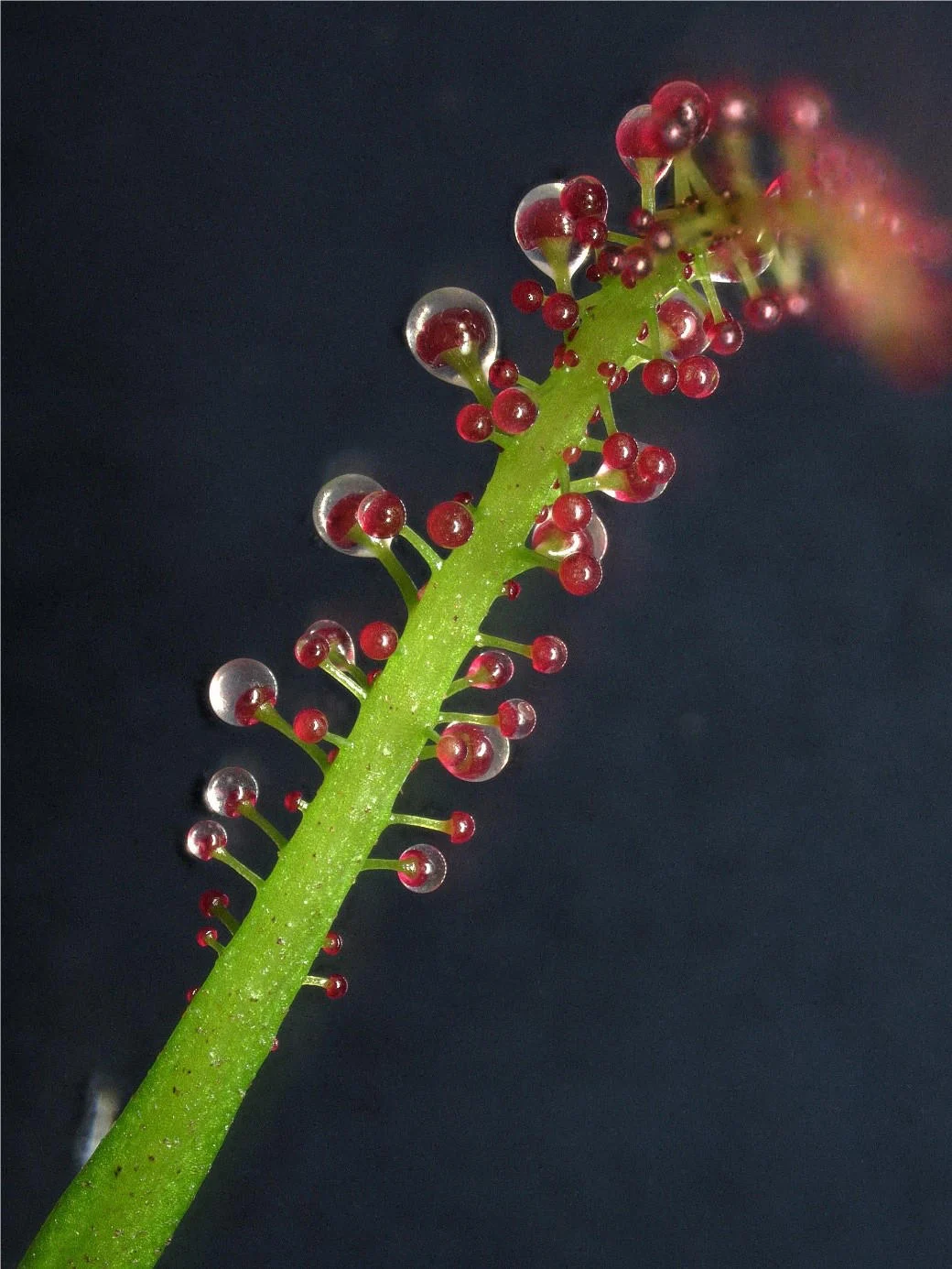
Scientists have shed new light on Triphyophyllum peltatum, a unique plant native to West Africa. This liana species has garnered attention for its potential medicinal properties, including activities against pancreatic cancer, leukemia cells, and malaria-causing pathogens. Triphyophyllum peltatum is the only known plant that can become carnivorous, capturing small insects with adhesive traps and digesting them with lytic enzymes. The plant exhibits high flexibility in its developmental phases, adapting to its habitat conditions. Researchers have successfully cultivated the plant and identified phosphorus deficiency as the trigger for its transformation into a carnivorous lifestyle. These findings provide insights into the origins of carnivory and open avenues for further molecular analyses.