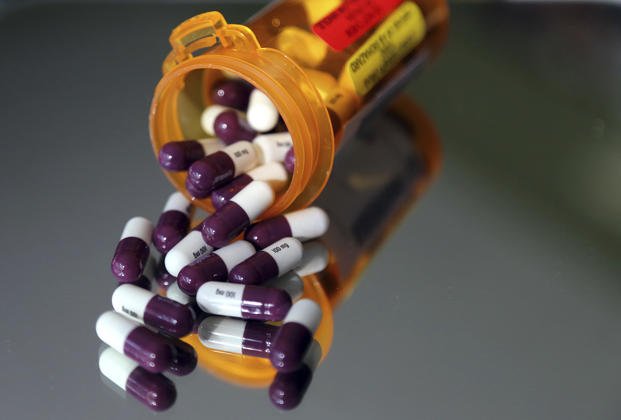
About 250,000 veterans are at risk of receiving incorrect medication due to issues with the Department of Veterans Affairs' new electronic health records system, which has led to incorrect medication records and potential drug interactions. The faulty medication records are the latest problem in the troubled rollout of the Oracle Cerner Millennium system, prompting lawmakers to express frustration and concern over patient safety issues. The VA has paused further implementation of the system while working to address the network's problems, and the VA's inspector general has raised concerns about patients not being adequately informed of their individual risk.
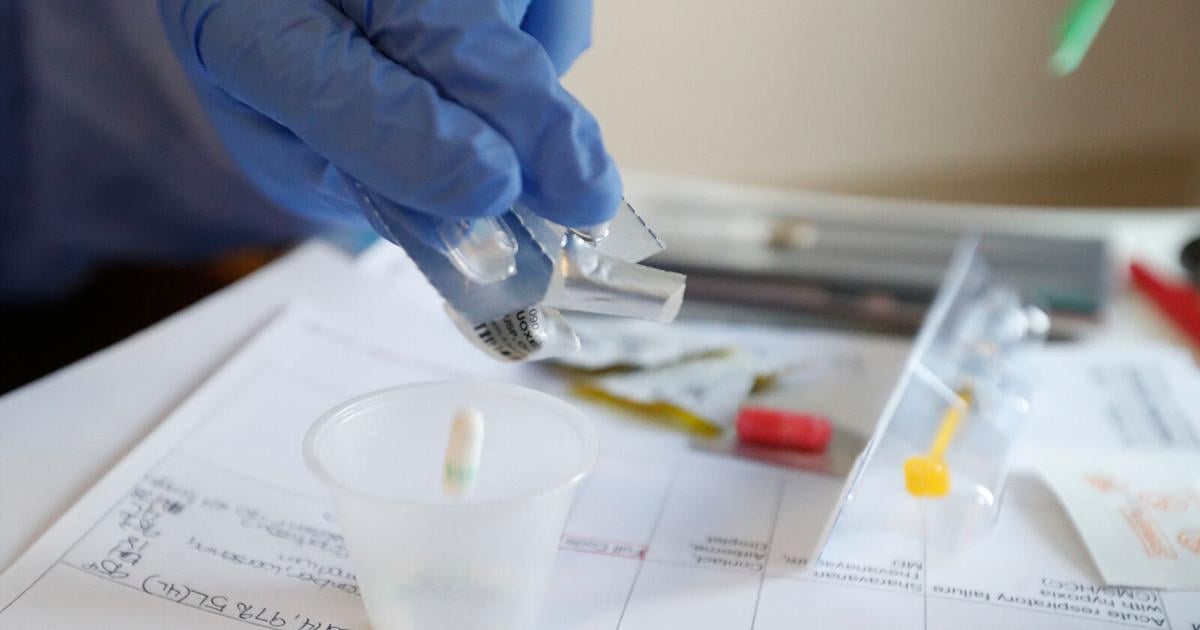
A $1.95 million grant has been awarded to University at Buffalo researchers to address medication errors, inspired by the preventable death of Alice Brennan due to a medication mix-up. The grant will support Team Alice's efforts to improve medication prescribing and patient education, particularly for seniors. The project involves a holistic approach, including surveys and workflow analysis, to prevent patients from being wrongly medicated and to ensure seamless care transitions. The study aims to reduce the risks associated with polypharmacy, especially in older adults, and to enhance the overall safety of medication use in the healthcare system.
Pharmacists in chain pharmacies across the US are facing increased demand for prescriptions and services without sufficient staffing, leading to potentially unsafe conditions for customers. The pressure to meet quotas and work long hours has resulted in medication errors, which can have legal and lethal consequences. A survey showed that 75% of pharmacists felt they did not have enough time to safely perform their duties. The fear of making mistakes and the administrative liability faced by pharmacists have led to a labor shortage in the industry. Efforts to unionize and implement regulations to improve pharmacy staffing and reporting of errors are underway.
Pharmacists in America's broken pharmacy system are experiencing dangerous levels of burnout and facing increasing pressure to meet corporate quotas, leading to medication errors and compromised patient safety. Retail pharmacy chains like CVS, Rite Aid, Walgreens, and Walmart have slashed staffing levels while adding more responsibilities, resulting in overwhelmed pharmacists who struggle to meet demands without cutting corners. The industry has seen high-profile walkouts and protests, highlighting the dire working conditions. State regulatory bodies have been slow to intervene, but some states are now proposing rules to improve working conditions. Pharmacy benefit managers (PBMs) have also contributed to the crisis by eroding pharmacy profits and steering patients away from independent pharmacies. Medication errors are on the rise, but there is no comprehensive public data on the issue.
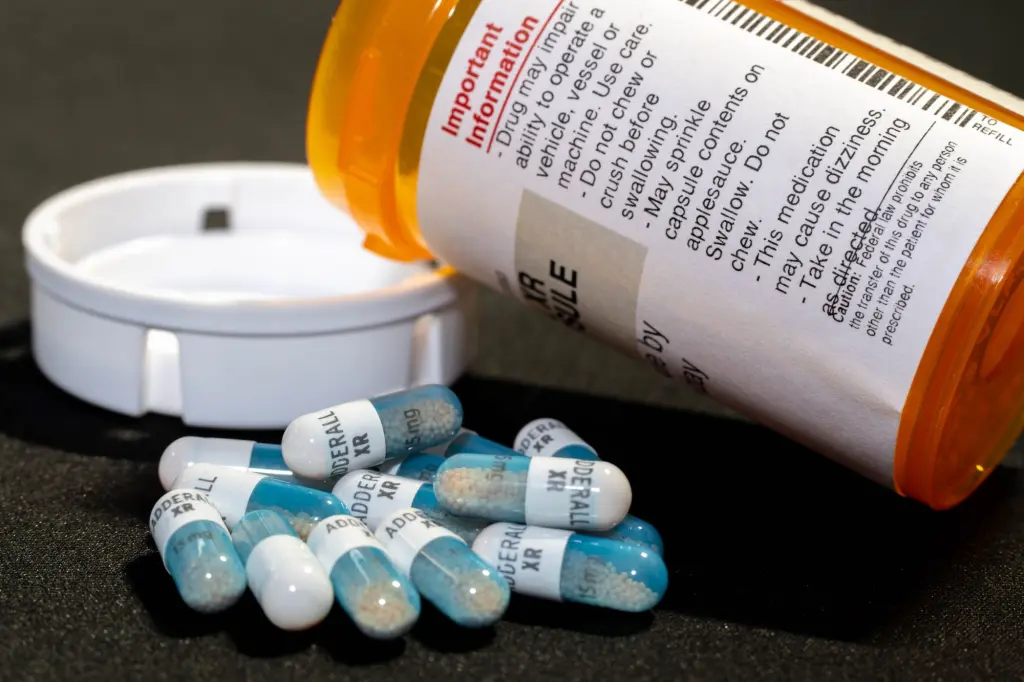
A recent study at the Center for Injury Research and Policy at Nationwide Children's Hospital found that medication errors for attention-deficit/hyperactivity disorder (ADHD) have increased by nearly 300% between 2000 and 2021 for individuals under 20 years old. The study analyzed data from U.S. poison centers and identified 87,691 cases of prescription mistakes, with an average of 3,985 errors per year. The majority of errors (76%) involved male patients, and children between 6 and 12 years old accounted for 67% of the errors. The most common types of errors included taking medication twice, taking someone else's medication, and taking the wrong medication. The study highlights the need for improved patient and caregiver education, as well as better medication dispensing and tracking systems to prevent future errors.
The number of poison-control calls related to medication errors involving ADHD drugs like Adderall has increased by 300% since 2000, raising concerns about the overprescription and abuse of these medications among children. An estimated 6 million minors, including children as young as 3, are on ADHD treatments, with 10% of all American children being diagnosed with ADHD. The high rates of diagnosis, particularly among boys, and the potential for abuse highlight the need for a reevaluation of the criteria for prescribing these drugs and the long-term effects of chemical dependency on children's development.
The frequency of medication errors among children taking ADHD medications has increased by nearly 300% over a 22-year period, likely due to the rise in ADHD diagnoses and prescriptions. A study suggests that improved patient and caregiver education, as well as child-resistant medication dispensing and tracking systems, could help prevent these errors. The most common errors involved taking or giving medication twice, taking someone else's medication, or taking the wrong medication. While most errors did not result in serious medical outcomes, some cases required hospitalization. Experts recommend proper medication storage, documentation, and the use of pillboxes or apps to prevent these easily avoidable mistakes.