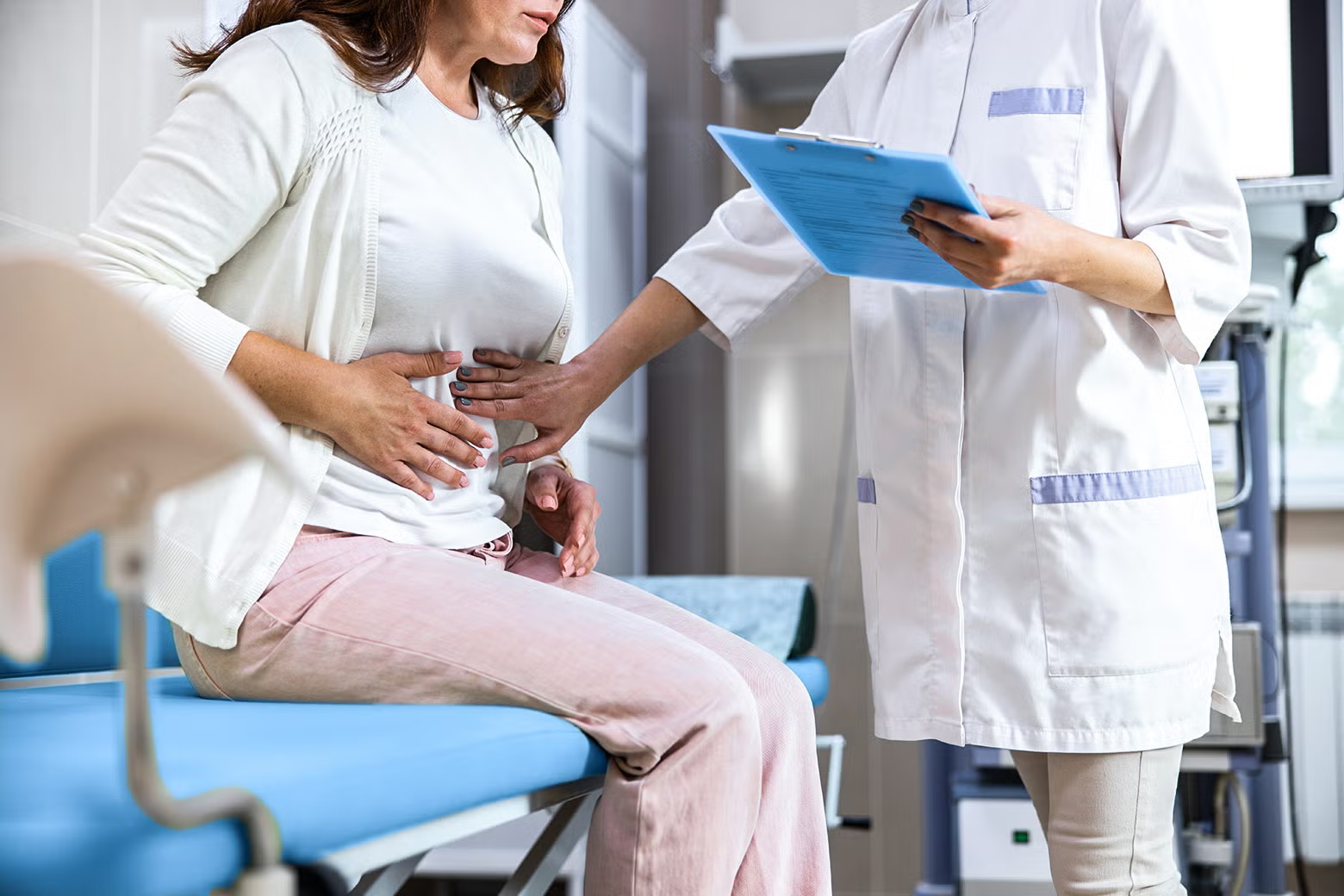
Women, and some men, face significant challenges in accessing pelvic floor therapy due to insurance restrictions, high costs, and systemic undervaluation of this essential treatment, which is crucial for addressing issues like pelvic pain, prolapse, and sexual dysfunction. Patients often experience delays, inadequate coverage, and emotional distress, highlighting the need for systemic healthcare reforms to improve access and recognition of pelvic health.
Rural health care in the U.S. is in crisis, with limited access to emergency services and specialized care leading to higher mortality rates. In Elberton, Georgia, the Medical Center of Elberton serves a critical role for the local population, offering primary care and chronic disease management. However, the clinic faces challenges such as physician shortages, long wait times, and inadequate mental health services. Financial instability and hospital closures further exacerbate the issue, highlighting the urgent need for improved health care access and policy changes.
Rural health care in the U.S. is in crisis, with limited access to emergency services and specialized care leading to higher mortality rates. In Elberton, Georgia, the Medical Center of Elberton serves a predominantly Medicare and Medicaid population, offering essential services like primary care and chronic disease management. However, the clinic faces challenges such as physician shortages, long wait times, and inadequate mental health services. Financial instability threatens many rural hospitals, exacerbated by states not expanding Medicaid. Residents like Sylvia Chapman rely heavily on local clinics, highlighting the critical need for accessible health care in rural areas.
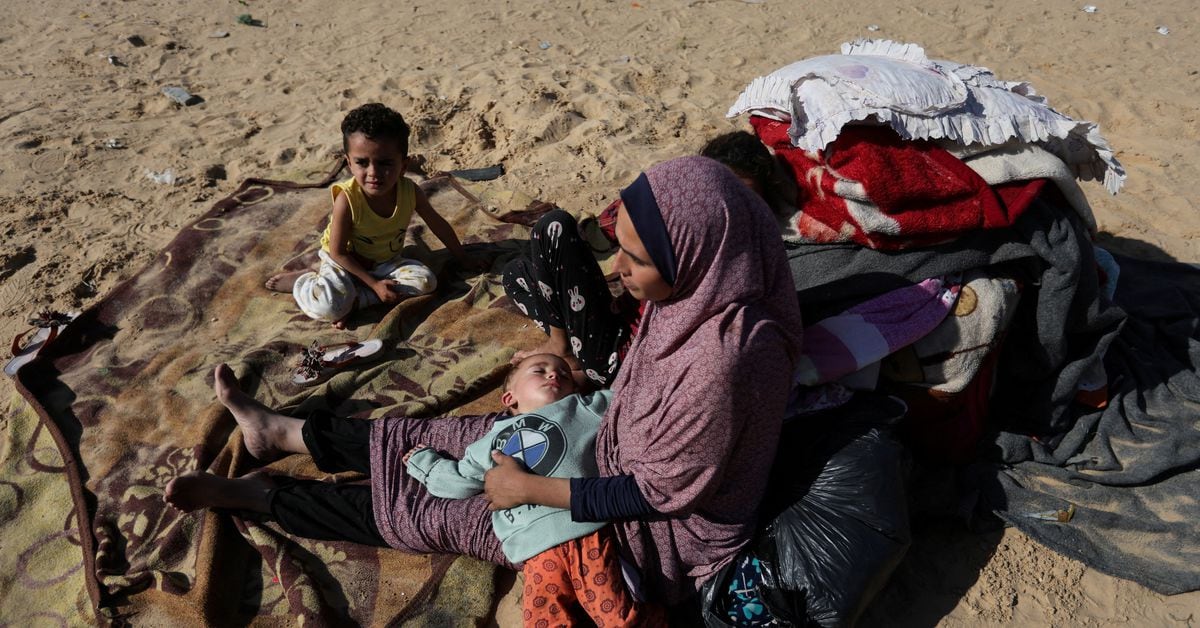
The World Health Organization (WHO) has described the health situation in Gaza as "catastrophic" and nearly impossible to improve, as the board passed an emergency motion to secure more medical access. The motion, proposed by Afghanistan, Qatar, Yemen, and Morocco, aims to provide medical personnel and supplies to Gaza, document violence against healthcare workers and patients, and secure funding for hospital reconstruction. However, WHO Director General Tedros Adhanom Ghebreyesus stated that these tasks are extremely challenging given the current circumstances. Palestinian officials have also highlighted the dire health situation in Gaza, with most of the population homeless and the medical system on the verge of collapse.