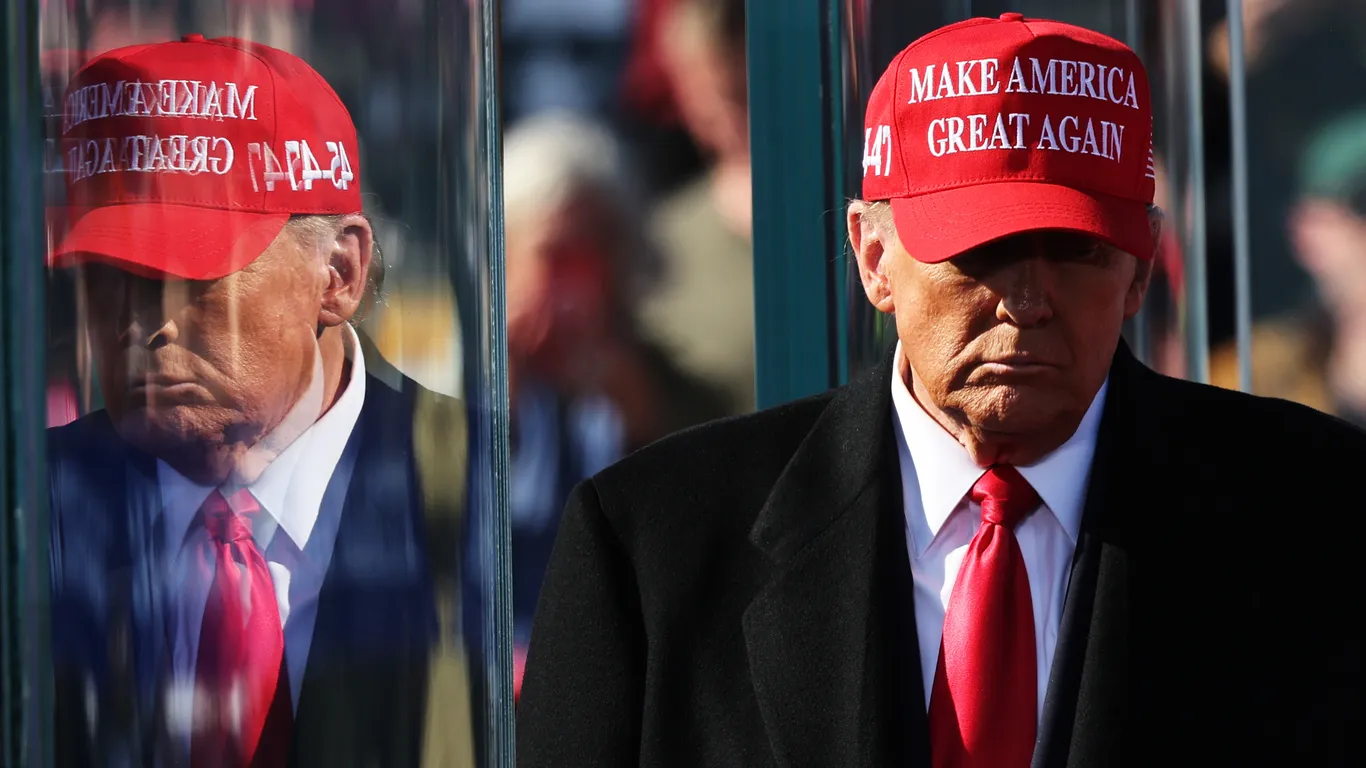
With two days until Election Day, both Republicans and Democrats express confidence in their chances, despite polls showing tight races in key swing states. Former President Trump and his allies continue to assert voter fraud claims, while Democrats focus on unity and Trump's controversies. Media coverage and its portrayal of Trump's comments have been criticized by GOP figures like Senators Tim Scott and Marco Rubio. NBC's Chuck Todd voiced concerns about the potential long-term impact of a Trump victory on political conduct.
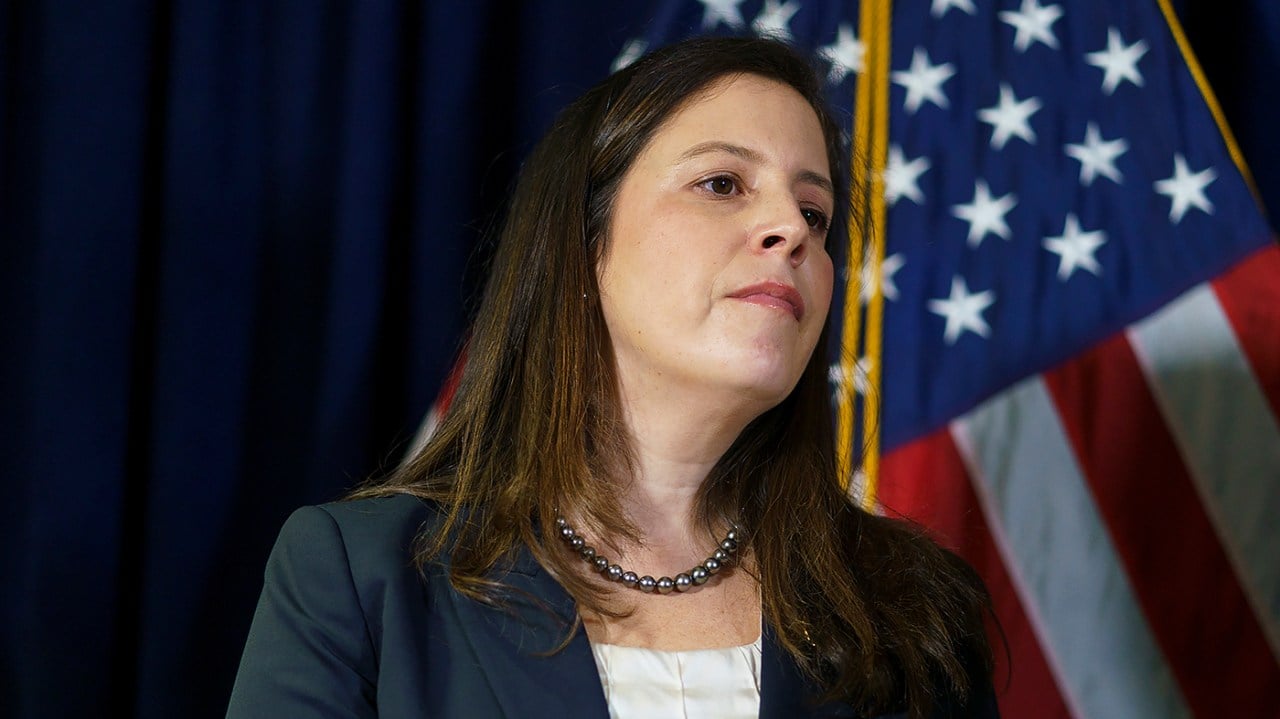
Rep. Elise Stefanik criticized NBC for media bias and referred to individuals jailed for their involvement in the January 6 Capitol riot as "hostages," aligning with former President Trump's rhetoric. During her appearance on "Meet the Press," she defended her stance on election integrity and objected to the certification of Pennsylvania's electoral results, while also expressing concerns over the treatment of the January 6 defendants. She accused the federal government of weaponizing its power against conservatives and insisted that her full speech on the House floor condemned the violence of January 6, as well as the violence during Black Lives Matter protests.
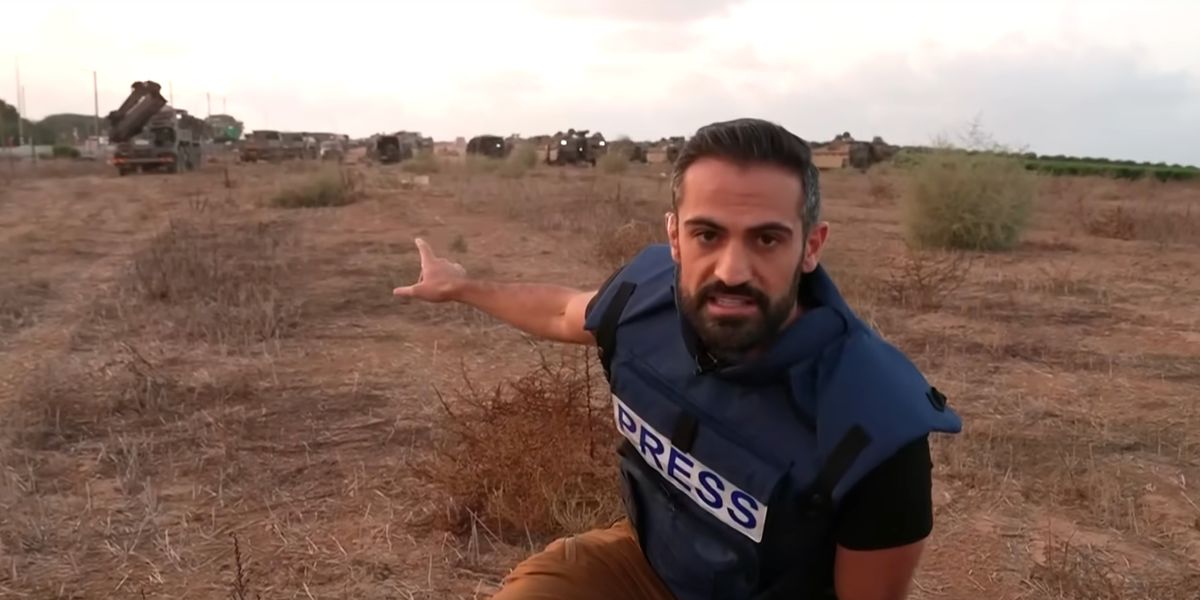
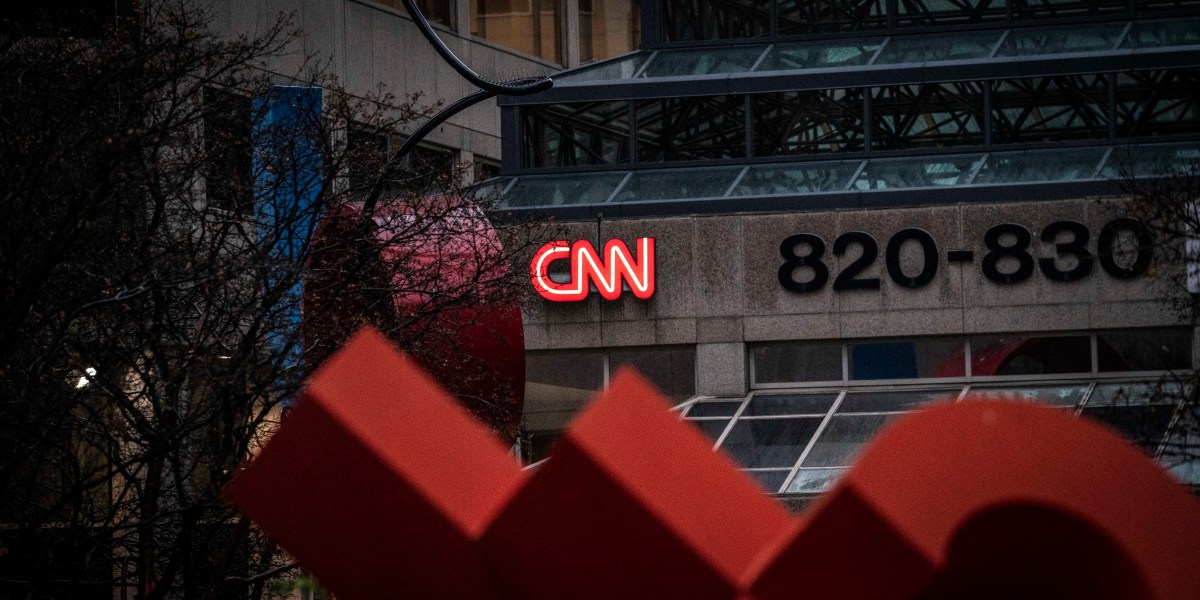
CNN has acknowledged following a longstanding policy that involves reviewing its Israel and Palestine coverage through its Jerusalem bureau, which is subject to Israeli military censorship. Critics argue this practice results in biased reporting that favors Israeli narratives and downplays Palestinian perspectives. The network insists its interactions with the IDF censor are minimal and defends the policy as a means to ensure accuracy, but internal sources and media watchdogs express concern over the suppression of terms like "war-crime" and the slow approval of Palestinian sources. The issue highlights the broader problem of potential media bias and censorship in conflict reporting.
CNN's policy requires journalists to submit their Israel and Palestine coverage for review by the Jerusalem bureau, which operates under the influence of the IDF's military censor. This has led to concerns about biased reporting, as the bureau may favor Israeli narratives and is subject to censorship on certain topics. CNN's internal directives also guide language use, emphasizing the need for context and caution when reporting on Hamas. Critics argue that this process, along with hiring a former IDF soldier as a reporter, may compromise the impartiality of CNN's coverage of the Gaza conflict.