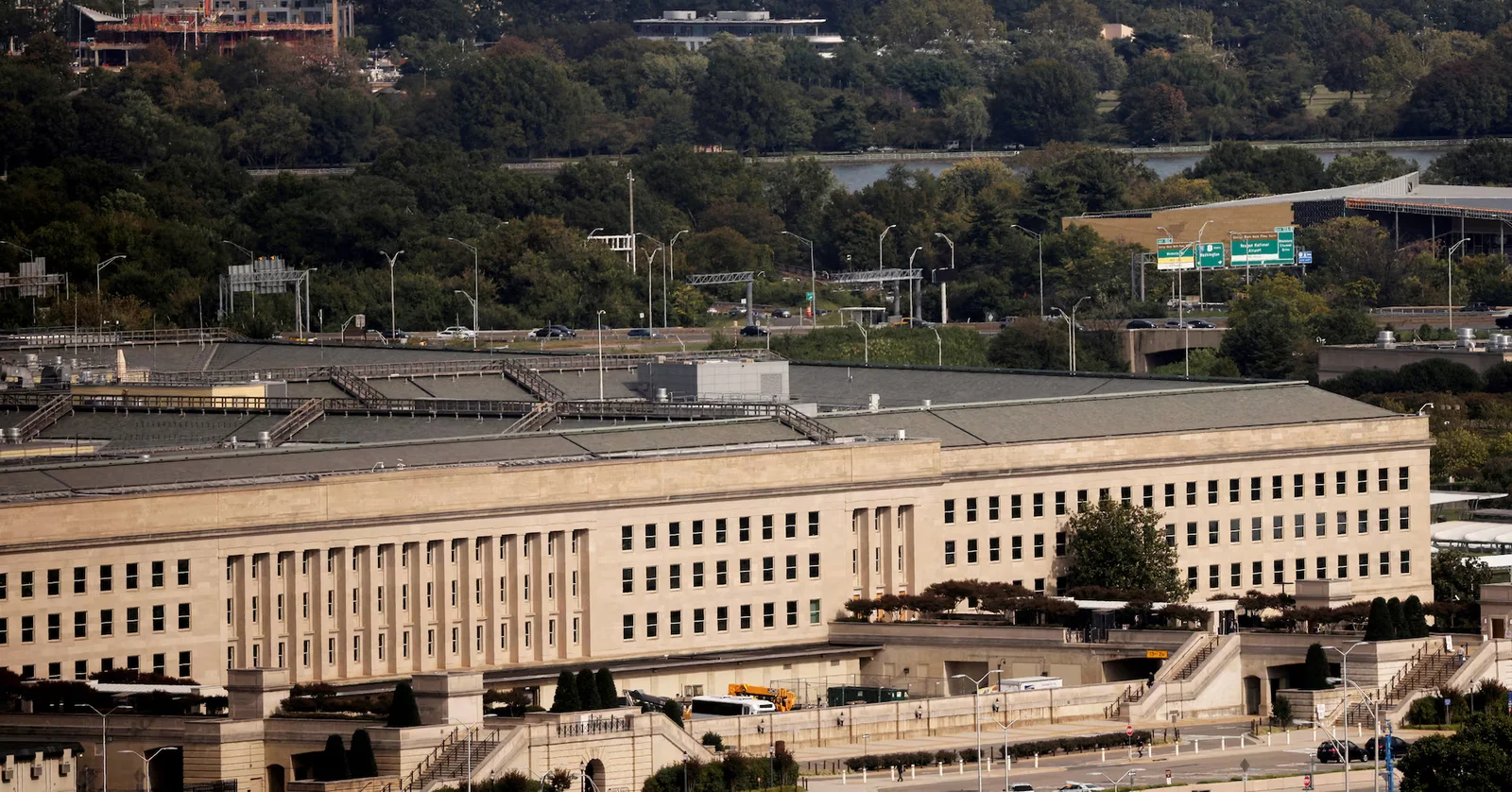
Over 30 major news outlets, including Reuters and The New York Times, have refused to accept a new Pentagon press access policy that could restrict journalists' ability to report on sensitive military information, citing concerns over press freedoms and transparency. The policy requires acknowledgment of restrictions and could lead to revoking press badges for seeking unapproved information, prompting a standoff ahead of a Tuesday deadline.
Five major broadcast networks and numerous other media outlets have refused to sign the Pentagon's new press policy, which they argue restricts journalistic freedoms by threatening to revoke press passes for unapproved disclosures, raising concerns about its impact on transparency and the First Amendment.
Major broadcast networks, Fox News, and CNN jointly oppose the Pentagon's new restrictions on press access, citing concerns over threats to journalistic protections and the public's right to information, with most refusing to sign the new policy.
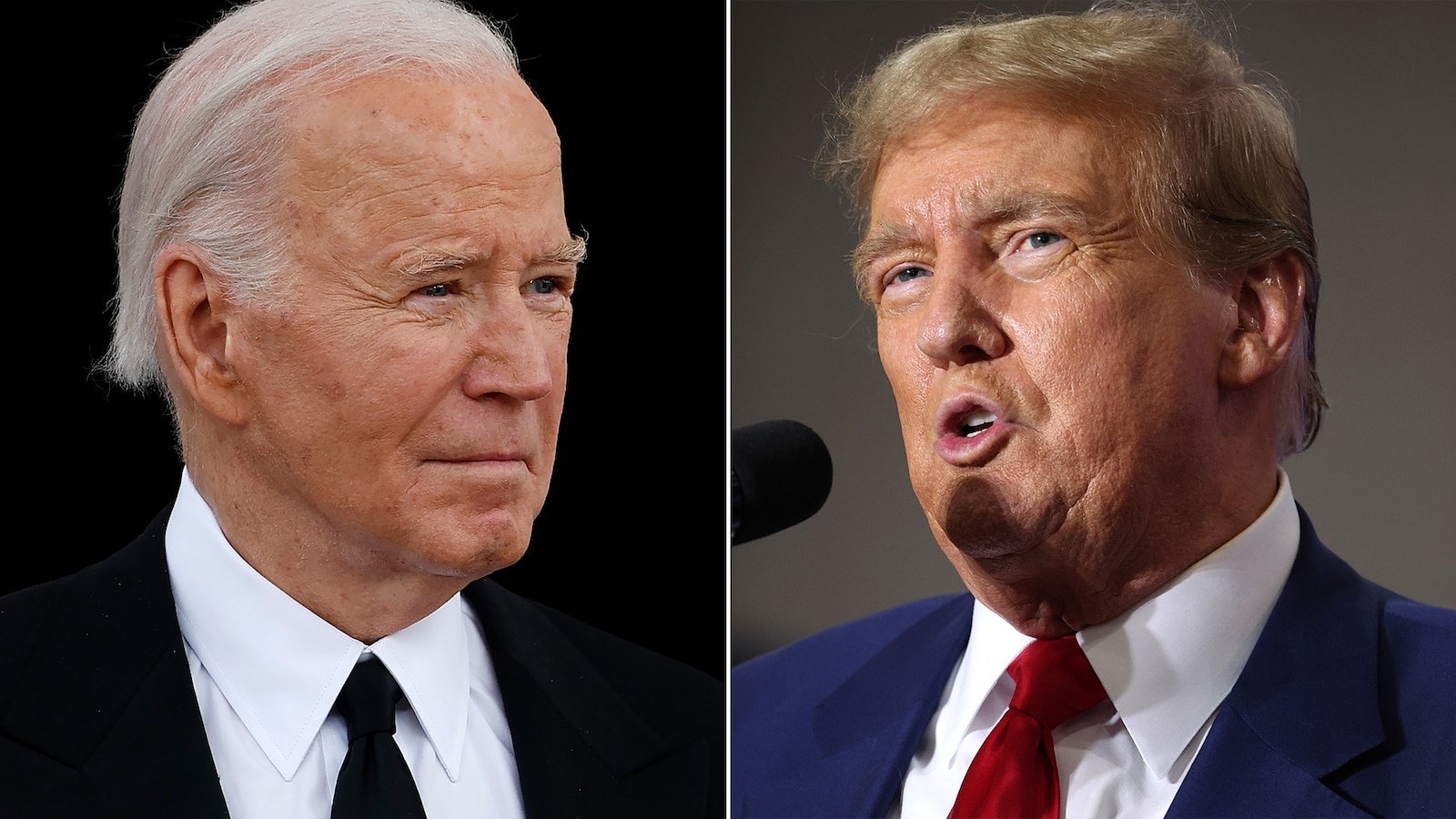
Major media organizations, including ABC News, CBS News, CNN, and others, have penned an open letter urging presidential candidates to commit to participating in televised debates ahead of the 2024 general election. The letter comes amid uncertainty from both President Joe Biden and former President Donald Trump regarding the debates. While Trump skipped primary election debates, his campaign is lobbying for general election debates against Biden. The Commission on Presidential Debates plans to hold three debates in September and October, but the Biden campaign has expressed concerns about the organization of these debates.
HonestReporting, an Israeli media advocacy group, accepted the denials by Reuters, the Associated Press, CNN, and The New York Times that they had no prior knowledge of the Oct. 7 Hamas attack on Israel. HonestReporting had questioned whether Palestinian photojournalists had tipped off the news organizations, which had used their images. HonestReporting distanced itself from Israeli government accusations and condemned calls for violence or death threats against media workers. The organization's article brought attention back to the Oct. 7 events, but it did not provide evidence of prior knowledge by the news groups.
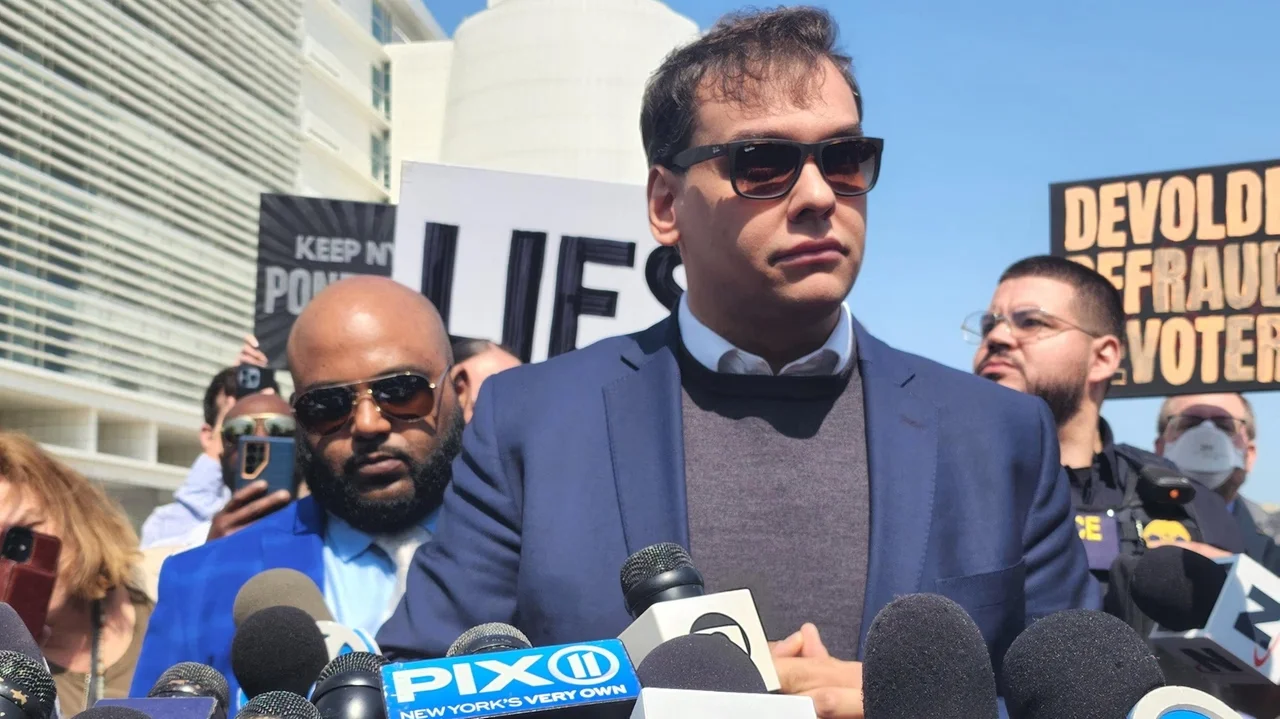
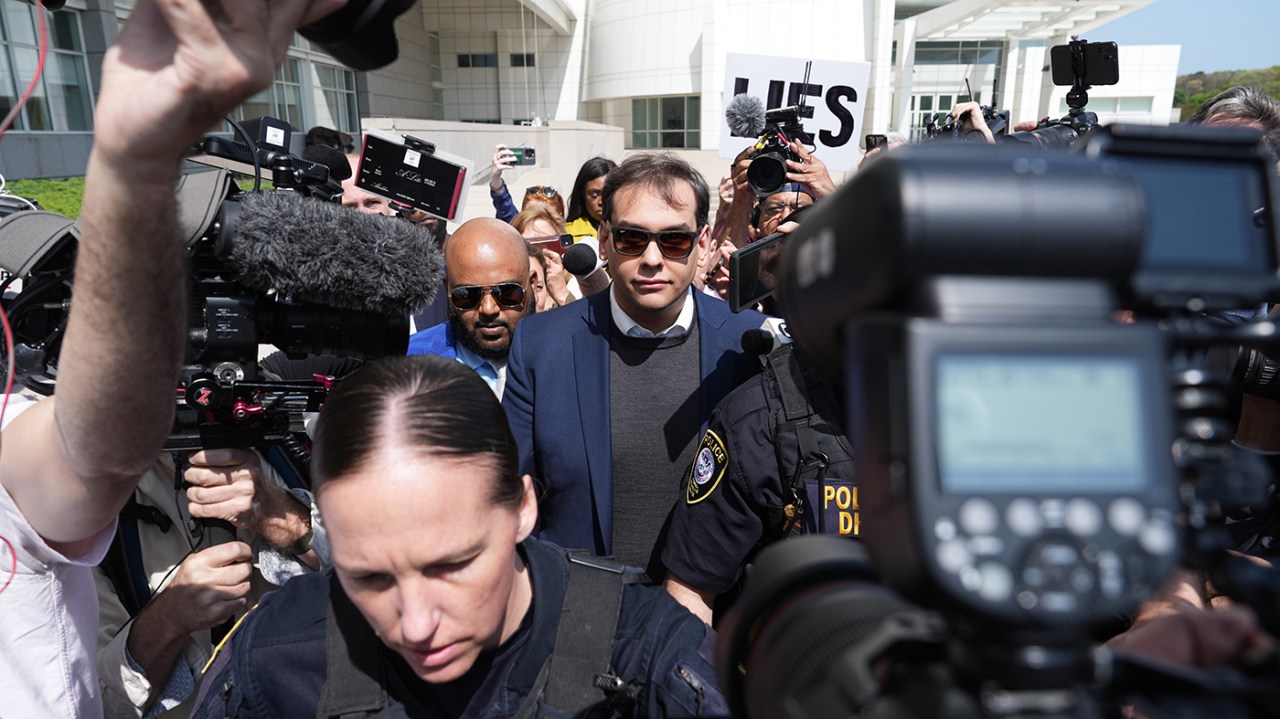
Indicted US Representative George Santos has appealed a ruling that requires the identities of two people who guaranteed his $500,000 bail to be disclosed, citing that releasing their names could threaten their safety. Santos' lawyer argued that the guarantors are family members and that their privacy interests justified anonymity given "the political temperature in this country and acts of political violence that occur." Santos has pleaded not guilty to a 13-count indictment accusing him of fraud, money laundering, and theft of public funds.
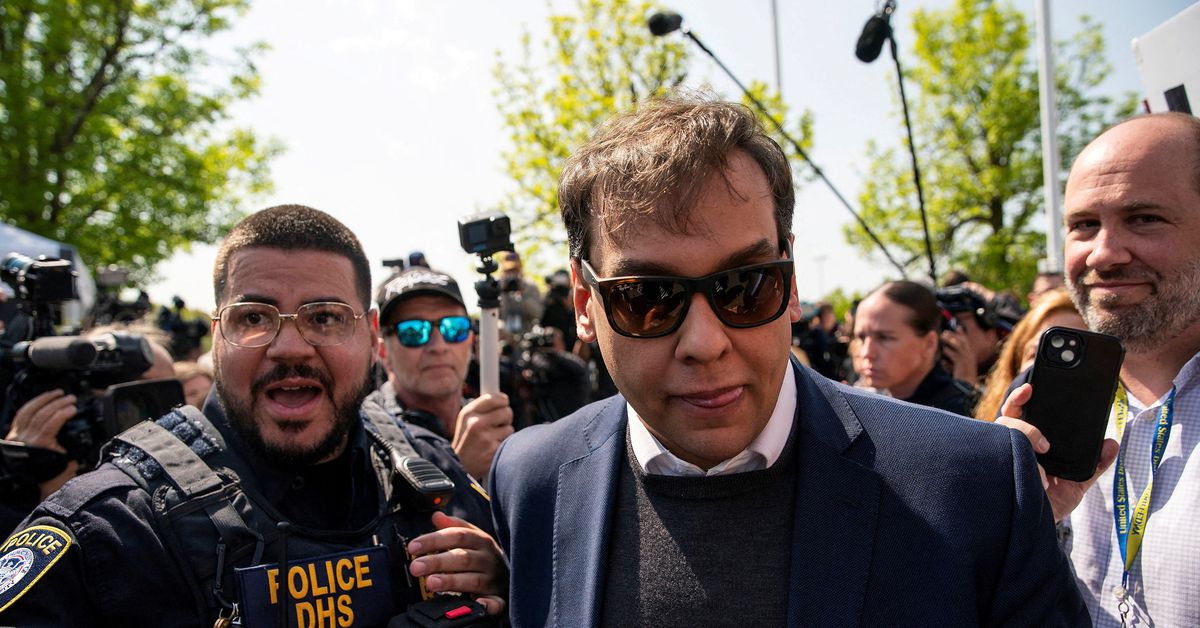
Republican Rep. George Santos of New York has filed an appeal to keep the names of those who helped him make the $500,000 bond in his federal criminal fraud case sealed. Santos' lawyers argue that the people who helped him post the bond would likely have to withdraw from serving as his bond supporters if their names are released. The federal judge in New York granted a request from media organizations to make public the identities of three people who signed the bond for Santos' release after his indictment, but said their names should remain hidden for now to allow him to appeal.
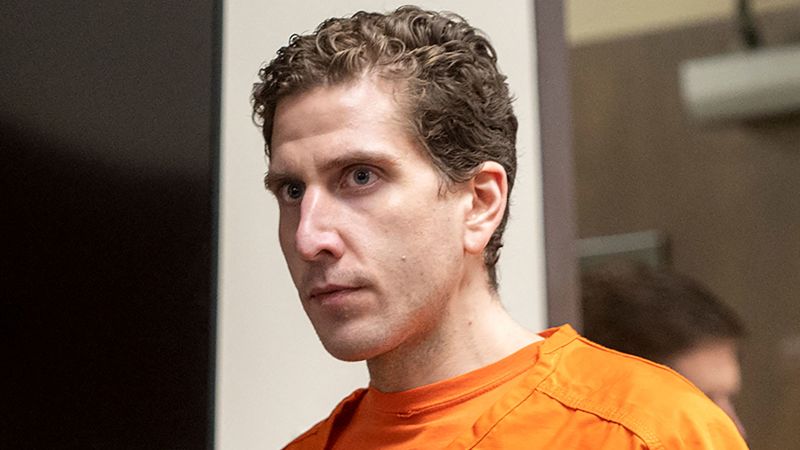
A coalition of media organizations and the father of a murder victim are set to challenge a gag order in the criminal case against Bryan Kohberger, the criminology graduate student at Washington State University accused of fatally stabbing four University of Idaho students in their off-campus home. Due to the wide-ranging gag order, prosecutors, defense lawyers, and attorneys for victims’ families and witnesses are prohibited from saying anything publicly, aside from what is already in the public record. Gag orders are a common occurrence in high-profile cases, such as the man accused of carrying out January’s mass shooting in Half Moon Bay, California, or the involuntary manslaughter trial of the parents of Oxford High School shooter Ethan Crumbley.
A federal judge has ordered the identities of the people who secured indicted congressman George Santos’ release from federal custody on $500,000 bond to be made public, but delayed the release of the names in case Santos wants to appeal. Santos' attorney had pleaded with the judge to keep the names sealed, saying Santos would rather be imprisoned than have the identities of the people who put up the bond for him revealed. Santos faces a maximum sentence of 20 years in prison on the top counts if convicted, and the potential forfeiture of his assets.
Rep. George Santos has asked a judge to keep sealed the names of the people who cosigned his $500,000 bond in his criminal fraud case, citing a "media frenzy." Media organizations have requested the court to unseal the names, arguing that there is a public right to access the records. Santos's attorney said the congressman would rather be detained ahead of his trial than allow his bail sponsors' names to become public. Santos was indicted on 13 federal criminal charges, including counts of wire fraud and money laundering, and pleaded not guilty.
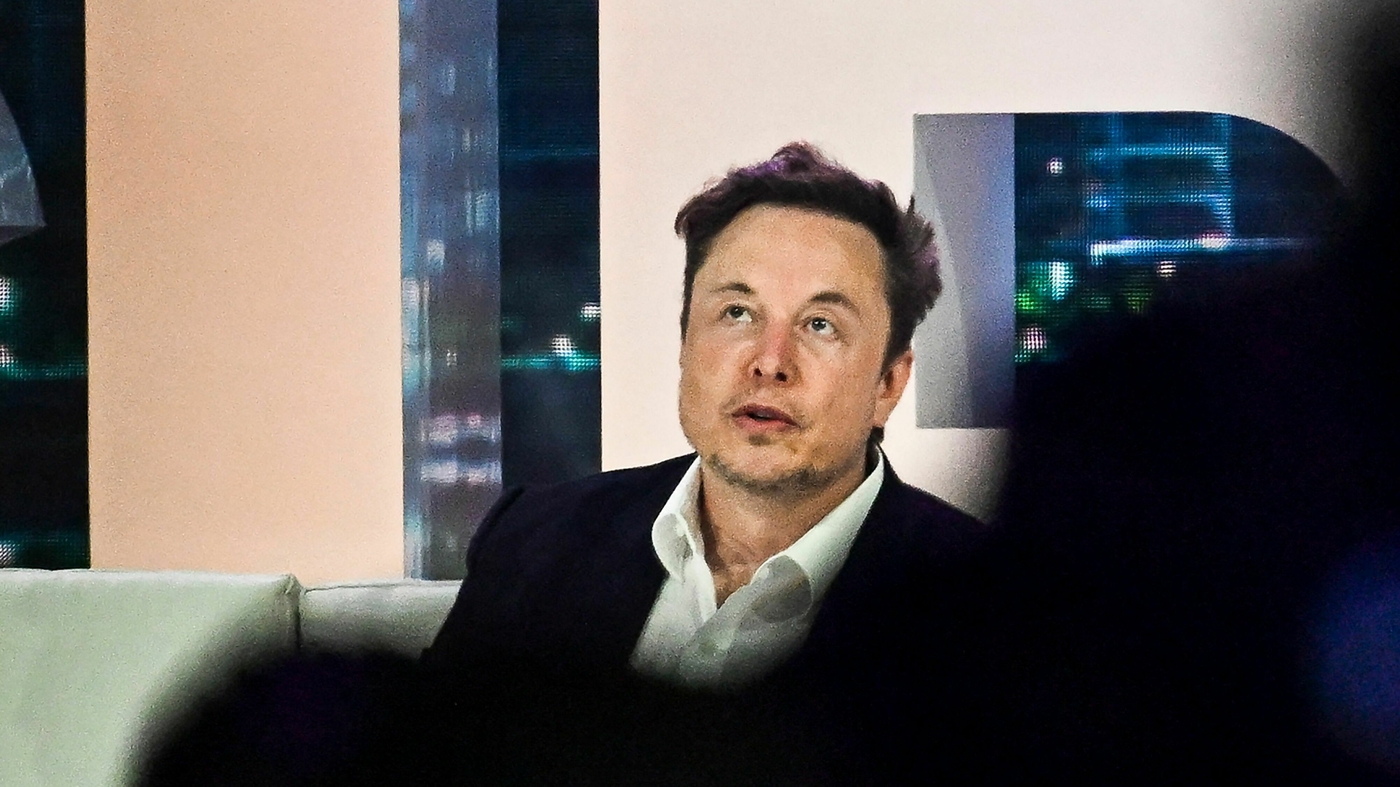
Elon Musk has threatened to reassign NPR's Twitter account to "another company." Musk suggested he would transfer the network's main account on Twitter, under the @NPR handle, to another organization or person. The idea shocked even longtime observers of Musk's spur-of-the-moment and erratic leadership style. Handing over established accounts to third parties poses a serious risk of impersonation and could imperil a company's reputation, said social media experts.
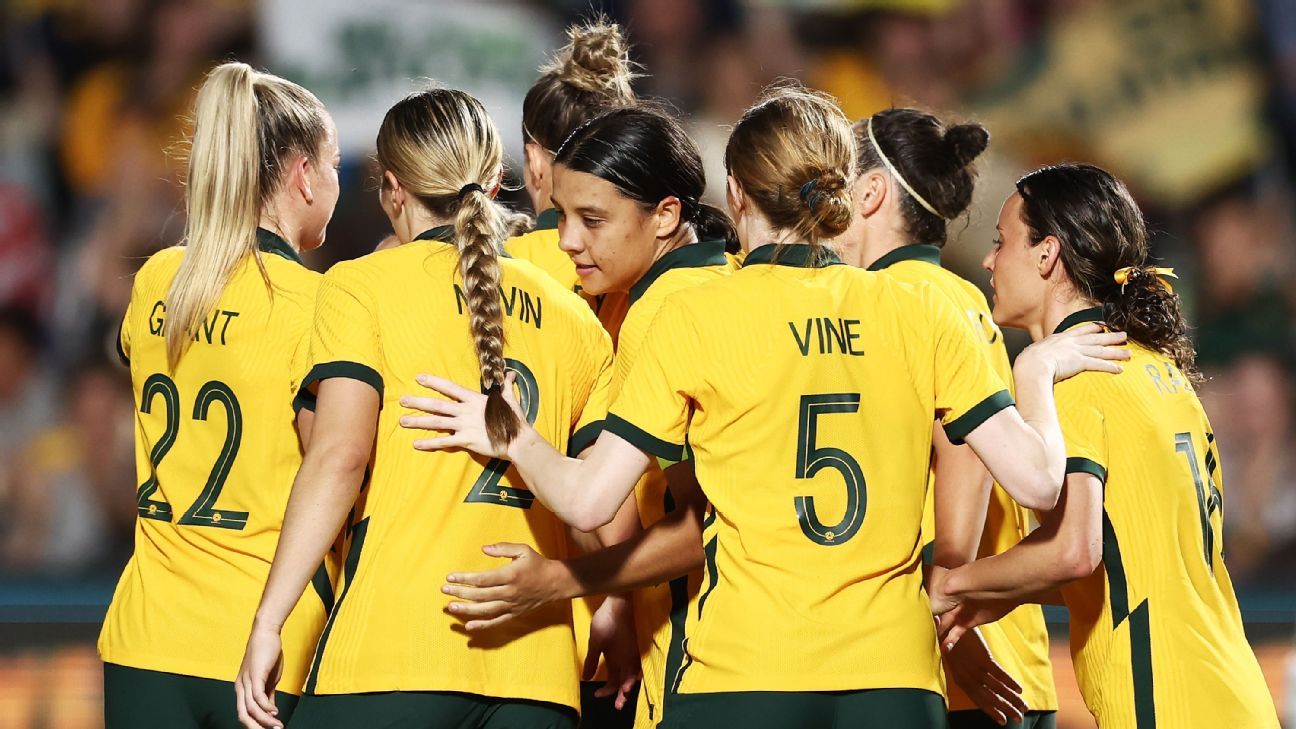
FIFA president Gianni Infantino has threatened a broadcast blackout for the Women's World Cup in Europe unless media organizations improve their "disappointing" offers for the rights. Broadcasters had offered only between $1 million and $10m USD for the rights, compared with $100m-$200m for rights to the men's World Cup. The World Cup, co-hosted by Australia and New Zealand, starts on July 20.