Food critic Tom Sietsema is stepping down from his anonymous role and will now reveal his identity, reflecting on his past practice of not photographing people to maintain discretion during restaurant reviews.
The article discusses how the rise of social media and public filming has eroded anonymity, turning everyday moments into potential viral content that can lead to public shame or fame, exemplified by incidents like a family’s distress in public and the viral spread of humorous or embarrassing videos.
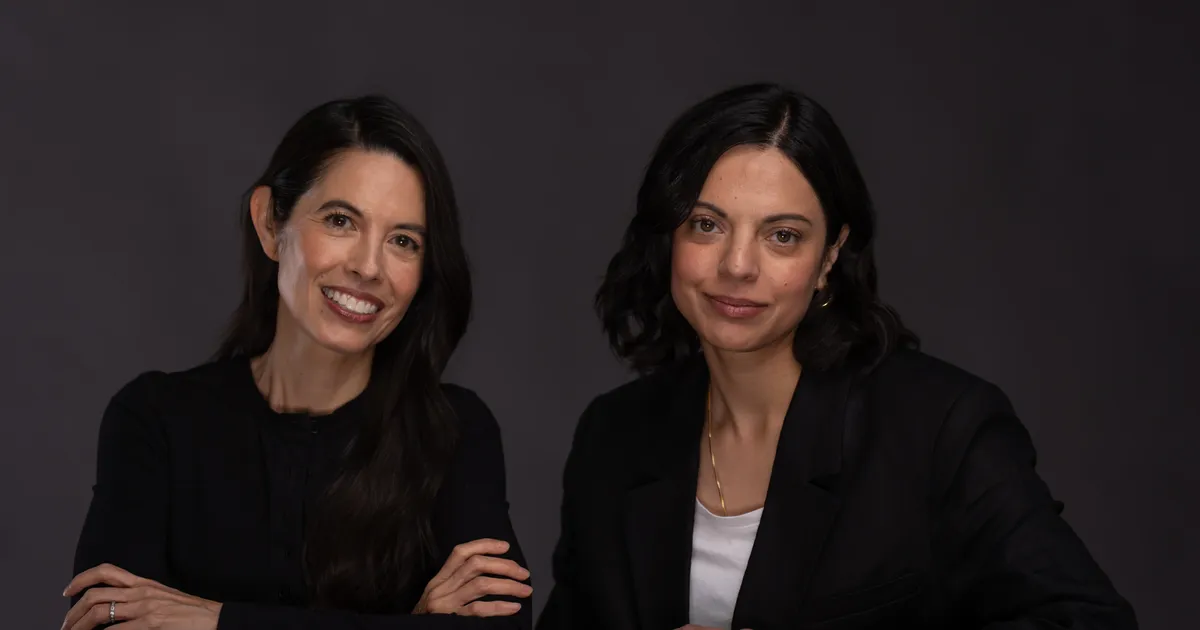
The New York Times has appointed two new restaurant critics, Ligaya Mishan and Tejal Rao, and announced that they will no longer remain anonymous, marking a shift from traditional critic anonymity to a more transparent approach.
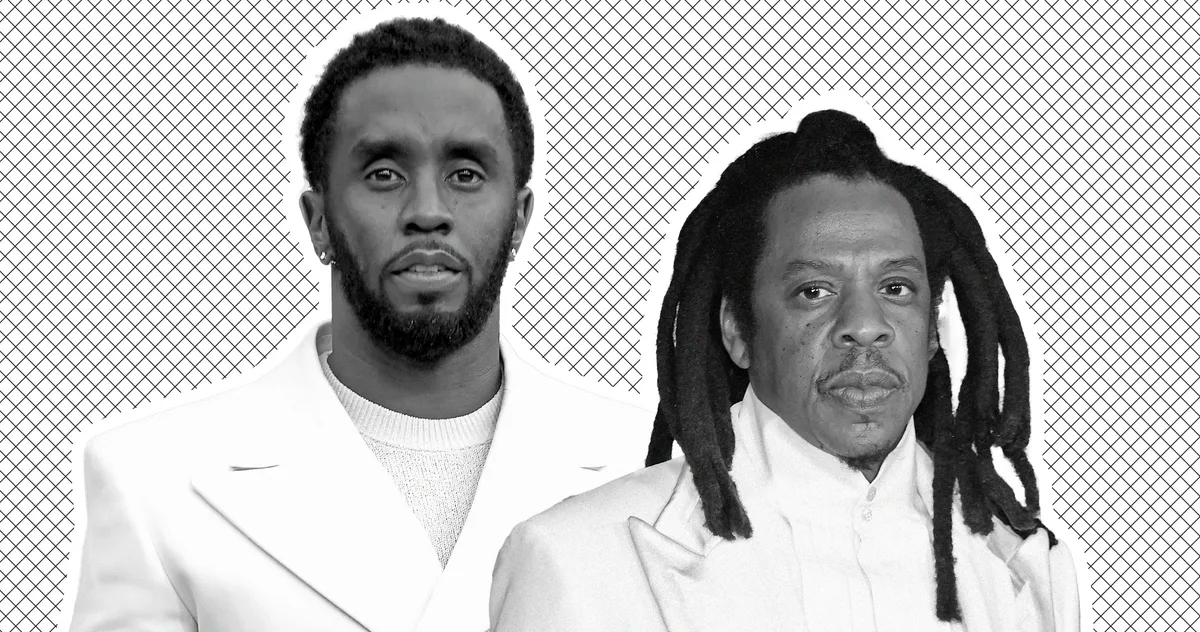
A woman has amended her lawsuit against Sean "Diddy" Combs to include Jay-Z, accusing both of sexual assault at a 2000 VMAs after-party. Both celebrities deny the allegations, with Jay-Z demanding the accuser reveal her identity. The case highlights the challenges survivors face, including the importance of anonymity and the potential for discrepancies in their accounts. Legal expert Judie Saunders discusses the complexities of such cases, emphasizing the need for due process and the impact of civil suits on criminal investigations.
Jay-Z's lawyer has filed a motion demanding that a woman accusing the rapper of rape reveal her identity or drop the lawsuit. The accuser, identified as "Jane Doe," claims Jay-Z and Sean "Diddy" Combs raped her at a party after the 2000 MTV Video Music Awards when she was 13. Jay-Z's lawyer argues that the accuser's anonymity is unjustified and that the allegations are damaging to Jay-Z's reputation. The case has sparked a legal battle, with Jay-Z accusing the accuser's lawyer of blackmail.
Jay-Z has responded to a lawsuit accusing him and Sean "Diddy" Combs of raping a 13-year-old girl in 2000, labeling the case as "extortionate" and demanding that the accuser reveal her identity. Filed by attorney Tony Buzbee, the lawsuit is part of a series of cases against Combs, with Jay-Z's legal team arguing that the use of a pseudonym is a tactic to extract settlements. Jay-Z's attorney insists on the accuser's unmasking to allow a fair defense, while Buzbee has declined to comment on the motion.
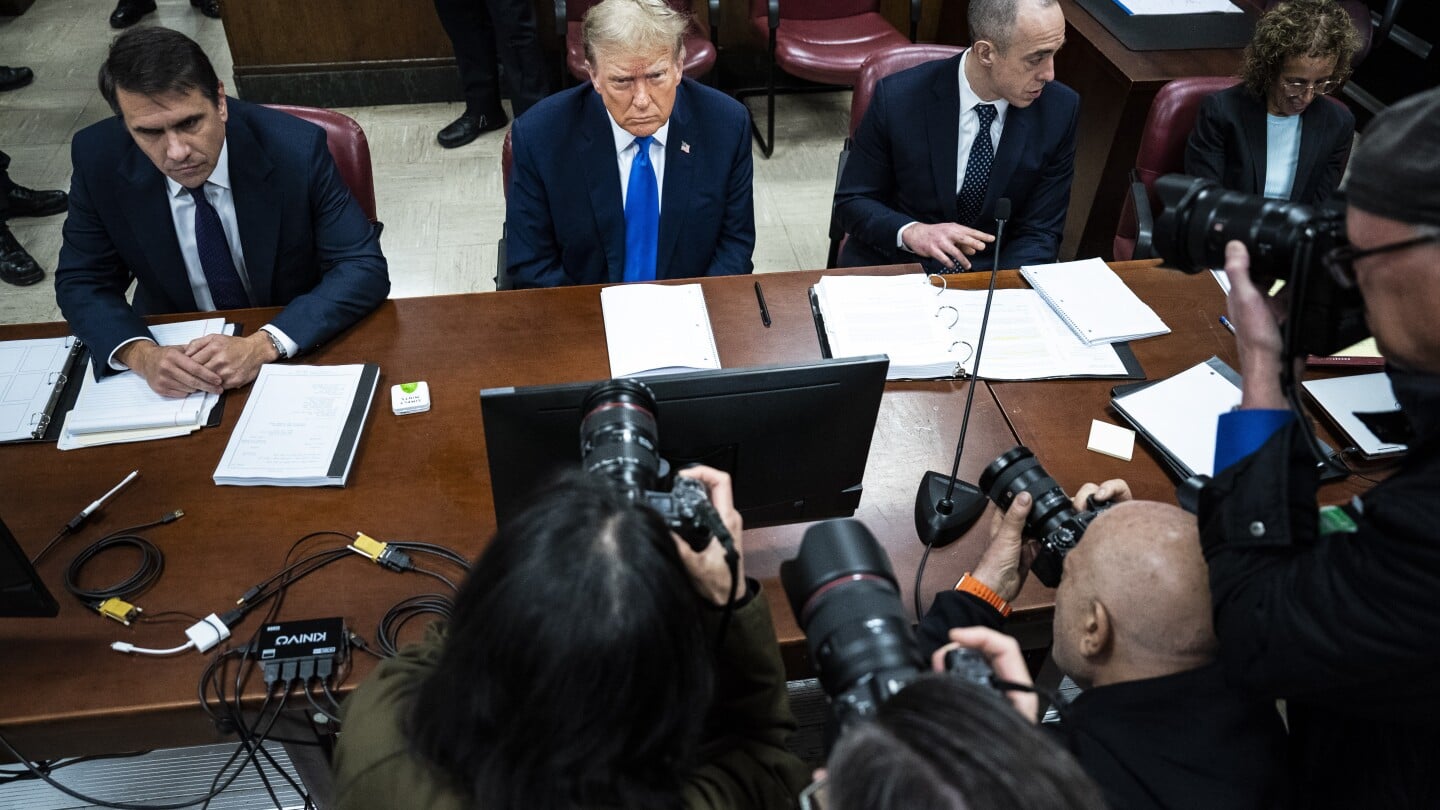
The judge in Donald Trump's hush money trial ordered the media not to report where potential jurors have worked and to be cautious about revealing information about them, after a dismissed juror expressed concerns about her privacy being compromised. Despite the difficulty of maintaining juror anonymity in a high-profile case, 12 jurors were seated for the historic trial. The judge's order raised questions about First Amendment rights and the balance between protecting jurors and public access to court proceedings.
In Illinois, lottery jackpot winners of $250,000 or more can request to remain anonymous, while in Iowa, winners' information is made public under state law. Both state lottery websites advise winners to sign tickets and consult with an attorney before claiming jackpots. The odds of winning the Mega Millions and Powerball jackpots are extremely slim, with the chances being 1 in 302.6 million and 1 in 292.2 million, respectively.
The jury in former President Donald Trump’s upcoming hush money criminal trial in New York will remain anonymous to the public, with their names revealed only to Trump and his legal team. The judge issued a protective order citing concerns of potential bribery, jury tampering, or harassment of jurors due to Trump's history of attacking jurors. Trump is accused of falsifying records to hide payments to his former lawyer, who paid porn actor Stormy Daniels during his 2016 campaign. The trial is set to begin on March 25, and Trump has denied the charges, describing the case as a political witch hunt.
A federal judge has denied a woman's request to remain anonymous in her lawsuit against Sean "Diddy" Combs and two others, alleging they gang raped her in 2003 when she was 17. The judge acknowledged the potential impact of disclosing her identity but stated that the accuser failed to demonstrate specific harm or vulnerabilities. The lawsuit seeks unspecified compensatory damages for lost wages, mental pain, and severe emotional distress. Combs has denied the allegations, and the court will first determine whether to honor his dismissal request before the accuser would have to publicly reveal her identity.
A federal judge has ruled that the unnamed woman suing Sean "Diddy" Combs over allegations of "sex trafficking" and "gang rape" must reveal her identity as the case progresses, stating that generalized claims of harm do not justify her anonymity. The ruling, which will take effect after a pending motion to dismiss the lawsuit, comes amidst several abuse cases filed against the hip-hop mogul. Combs has strongly denied the allegations, while the accuser argued that media attention would result in further trauma. The judge sided with Combs, stating that the accuser had failed to show the particularized harm or vulnerabilities that would necessitate special status.
To enhance online anonymity, users should disable ad personalization and delete advertising IDs on their devices, use privacy-focused apps and services like Signal for messaging and DuckDuckGo for searching, and opt for VPNs like Mullvad that don't keep logs. It's also important to limit data sharing on social media and be mindful of the information posted online. For secure file sharing and storage, tools like OnionShare and Proton Drive are recommended, and users should remember that work devices are likely monitored by employers.
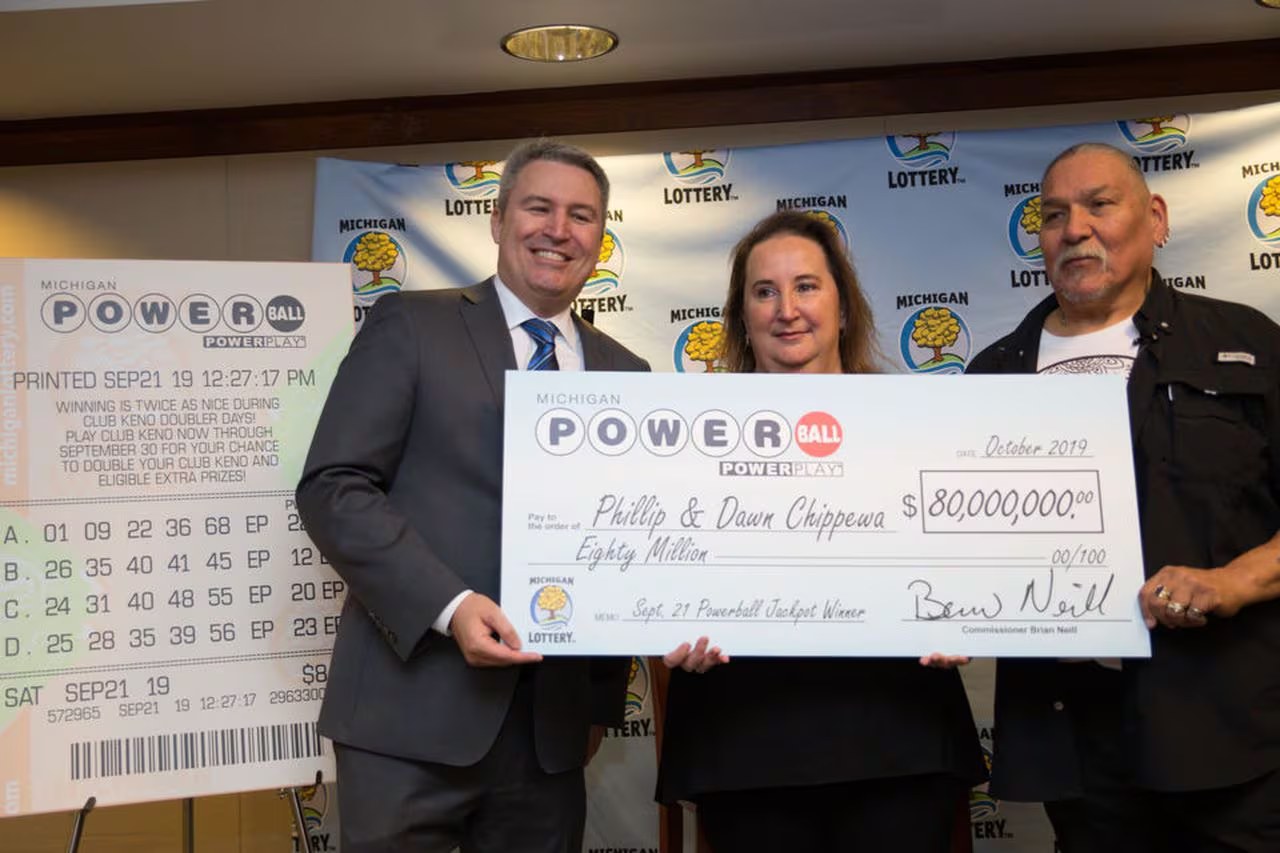
In Michigan, Powerball winners are required by law to be publicly identified, but there is a workaround for maintaining anonymity by forming a lottery club. A club can claim the prize with only one member being the public representative, keeping other members' identities private. This method was successfully used by the Wolverine FLL lottery club in 2021. The club must notify the Michigan Lottery of its formation and members, and it allows for flexible distribution of the winnings. A bill to allow winners to remain anonymous without forming a club has passed the House and is awaiting further action in the Senate.
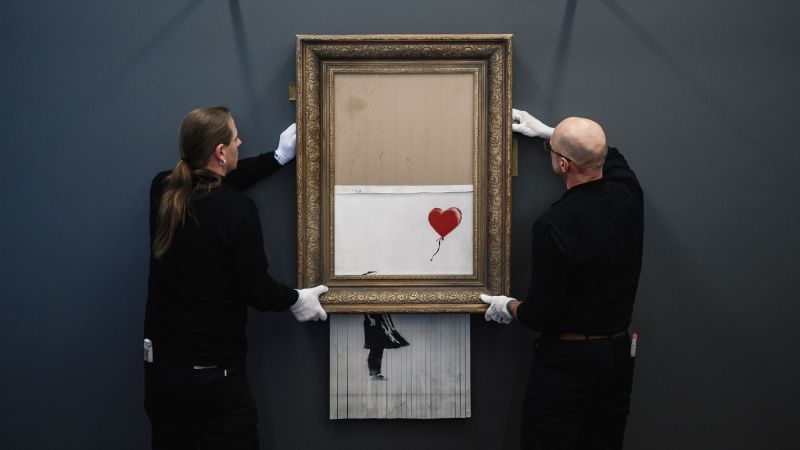
A resurfaced interview from 2003 suggests that the elusive street artist Banksy's real name could be "Robbie." The interview was released as a bonus episode of the BBC podcast series "The Banksy Story." However, it remains unclear whether this is his actual name or a clever joke. Banksy, known for his satirical humor and anti-authority themes, discussed his political ideas and approach to art in the interview. Despite his denial of being "that political," his work has consistently addressed political and social issues. The interview has further deepened admiration for Banksy's artistic brilliance and progressive sentiments.
Republican presidential candidate Nikki Haley, who previously advocated for social media users to be verified by name, suggested that Americans should still be allowed to post anonymously online. Haley argued that anonymous bad actors spreading misinformation pose a national security threat, but clarified that she doesn't mind anonymous American citizens having free speech. It remains unclear if Haley envisions only American citizens being able to post anonymously or if she wants to ban anonymous posts from certain countries. Her proposal drew criticism from Republican rivals, with Florida Governor Ron DeSantis calling it dangerous and unconstitutional. Entrepreneur Vivek Ramaswamy described Haley's stance as "disgusting."