Bitcoin and other cryptocurrencies are experiencing a 15% fall due to market panic over the US SEC's charges against Binance, the world's largest crypto exchange. However, the SEC's action could eventually help prices rise.
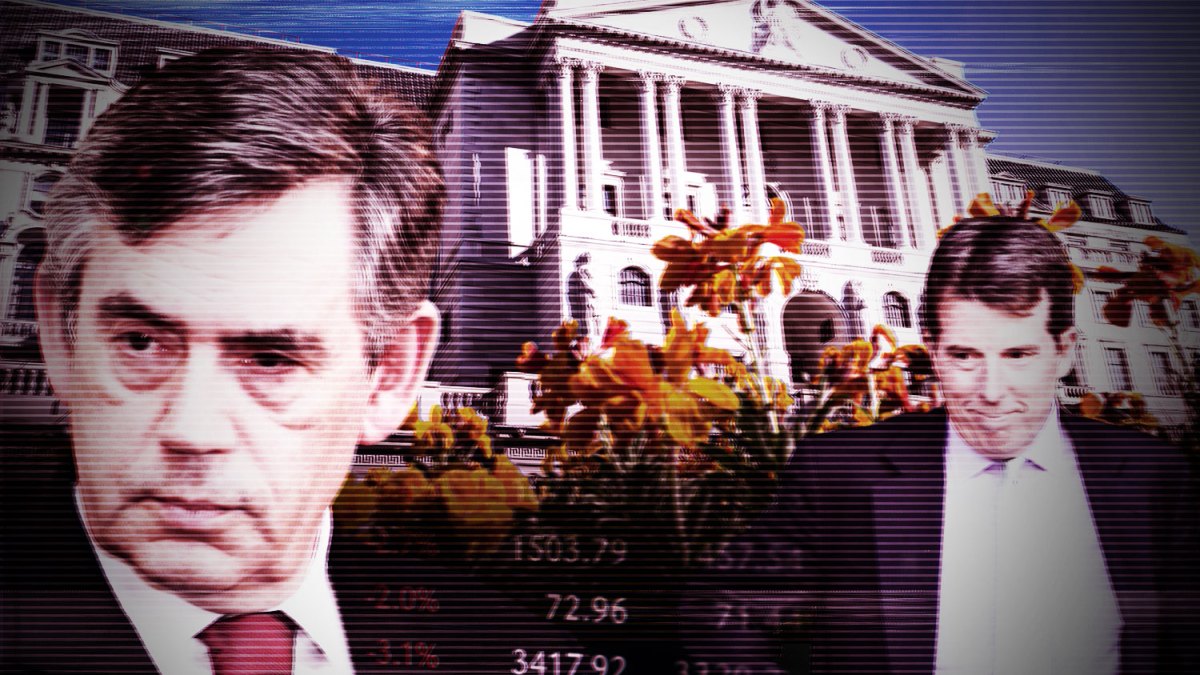
In 2008, amid a market panic and higher Libor rates, six central banks including the US Federal Reserve and the Bank of England launched a coordinated cut in official interest rates to get real borrowing rates down. This unprecedented intervention was prompted by a brainstorming event at the Peterson Institute in Washington, as emergency funding was announced to recapitalise UK banks.
Jamie Dimon, CEO of JPMorgan Chase, warned that a potential US government shutdown and debt ceiling crisis could lead to a market "panic" and have severe consequences for the US economy. Dimon urged lawmakers to come to an agreement to avoid such a scenario, which could result in a default on US debt payments and damage the country's credit rating.
Deutsche Bank's shares fell and the cost of insuring against its default spiked, as the European banking sector was engulfed by market panic. However, analysts dismissed concerns about the bank's viability or asset marks, pointing to its robust capital and liquidity positions. Unlike Credit Suisse, Deutsche Bank is solidly profitable and has undergone a multibillion euro restructure in recent years aimed at reducing costs and improving profitability. German Chancellor Olaf Scholz also stated that there is no basis to speculate about Deutsche Bank's future.
Goldman Sachs played a central role in the final days of Silicon Valley Bank, purchasing securities from the bank while also attempting a $2.25 billion capital raise. The bank ultimately failed and was seized by regulators on Friday. Goldman also facilitated the trading of around $700 million in bonds held by SVB Financial after the seizure. The sale of securities to Goldman provided liquidity for the bank but also created a $1.8 billion after-tax loss.
Goldman Sachs played a central role in the final days of Silicon Valley Bank, purchasing securities from the bank while also attempting a $2.25 billion capital raise. The bank ultimately failed and was seized by regulators on Friday. Goldman also facilitated the trading of around $700 million in bonds held by SVB Financial after the seizure. The sale of securities to Goldman provided liquidity for the bank but also created a $1.8 billion after-tax loss.