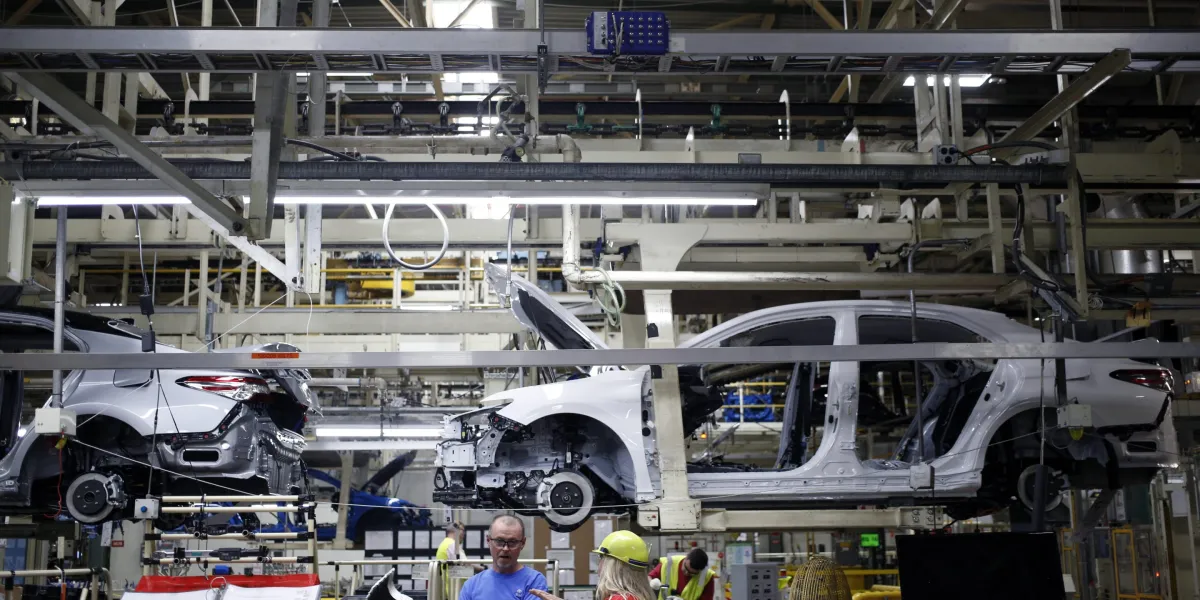
U.S. tariffs under Trump are prompting Japanese companies to increase production in the U.S., with Japanese FDI reaching record highs, driven by a strong U.S. economy and new trade agreements, though concerns about legal challenges and labor shortages remain.
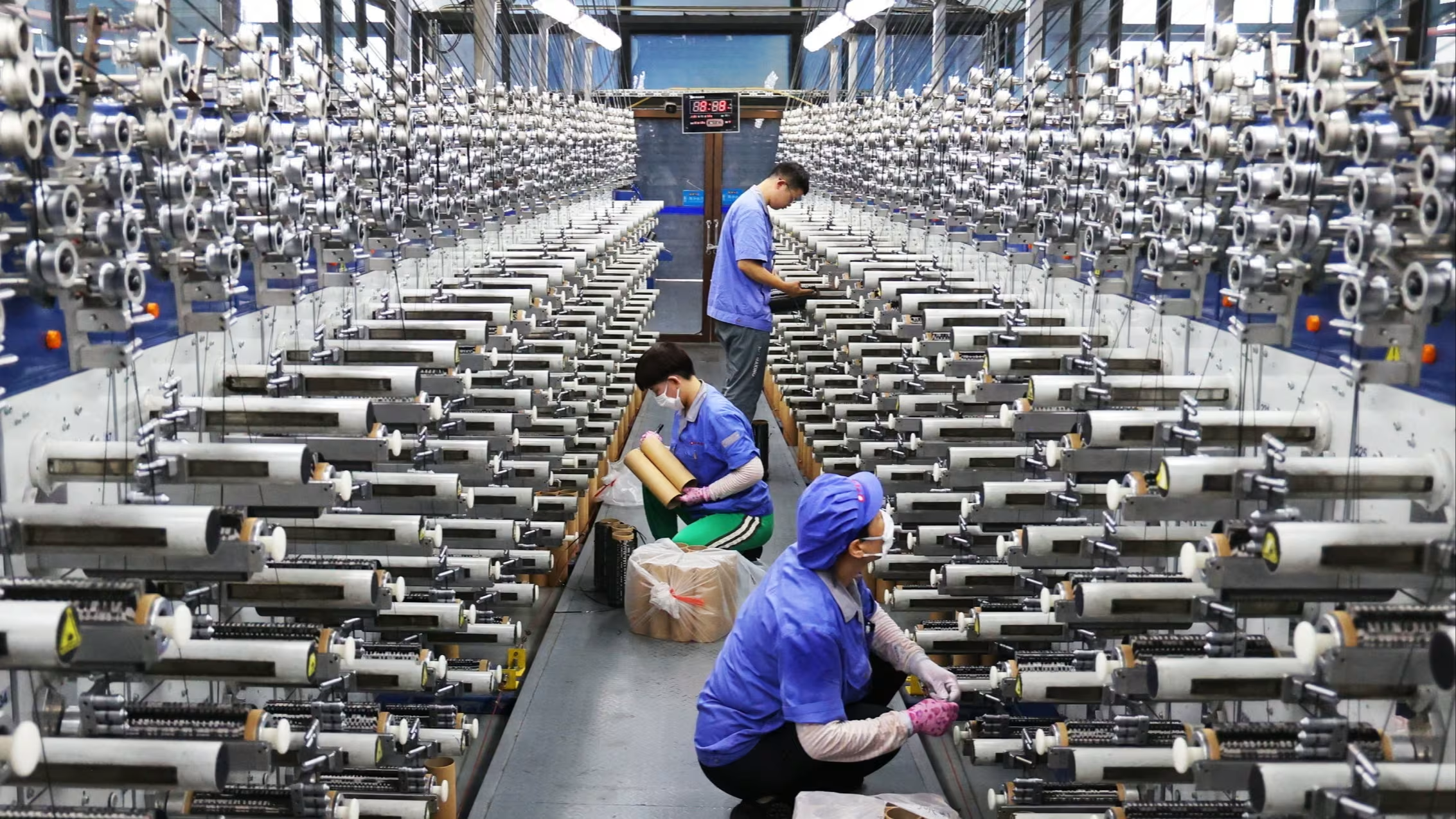
Chinese manufacturers are reconsidering their focus on South-east Asia as a result of tariffs imposed by Donald Trump, prompting a reevaluation of their regional strategies amidst changing trade policies.
The article discusses how U.S. tariffs and trade tensions have led Cocona Labs, a Colorado-based manufacturer of fabric compounds, to consider moving some of its production to China or India, contrary to the Trump administration's goal of bringing jobs back to the U.S., highlighting the complex effects of trade policies on small businesses.
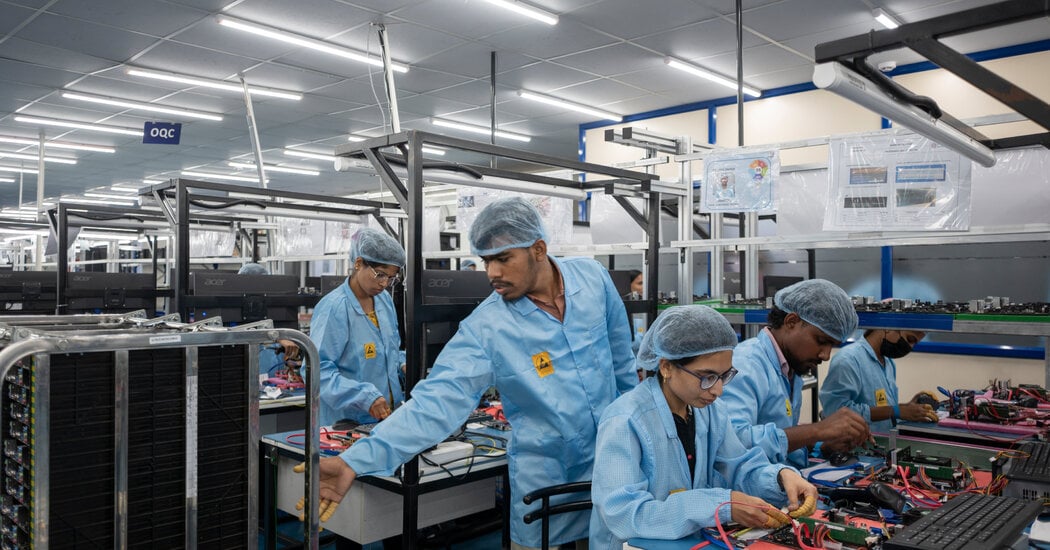
India is rapidly expanding its high-end manufacturing sector, notably with Foxconn's new $2.5 billion iPhone plant near Bengaluru, aiming to produce up to 30% of iPhones domestically by 2025. This development aligns with India's broader 'Make in India' initiative to create jobs and reduce reliance on Chinese manufacturing, though it still imports key components. The growth of manufacturing in India is transforming local economies, attracting global firms, and providing new employment opportunities, but challenges remain in developing a fully self-sufficient supply chain.