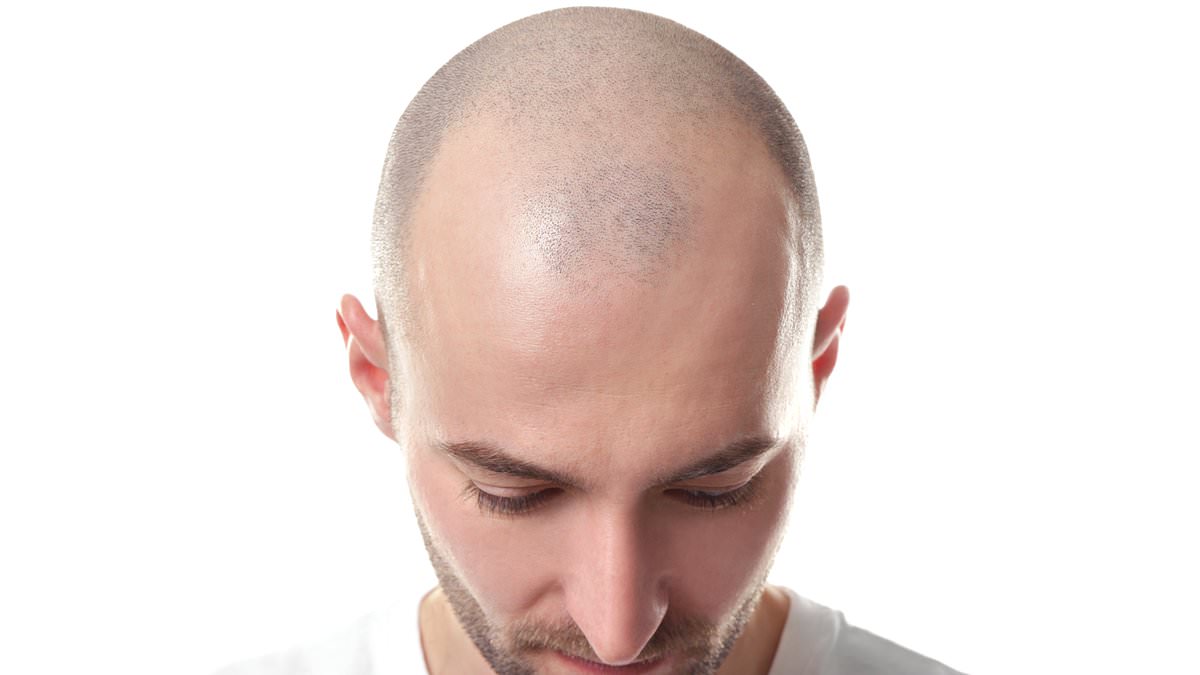
A 19-year-old man shares his exhausting experience with male pattern baldness starting at age 16, discussing its emotional impact, treatment options like medication, hair systems, and transplants, and his efforts to destigmatize hair loss through a film.
Male-pattern baldness affects up to half of men by age 50, primarily due to genetic and hormonal factors, particularly the enzyme that converts testosterone to dihydrotestosterone (DHT). While the exact mechanisms are not fully understood, there are treatments available to manage and potentially reverse hair loss.
HairClone, a company focused on developing a cell therapy treatment for male pattern baldness, aims to reverse the miniaturization process by banking youthful follicles and cloning and multiplying dermal papilla cells in the laboratory. The hope is that injecting these cells back into the scalp will plumpen the follicles and restore hair to a more youthful state. While the efficacy of the approach has not yet been established in a clinical trial, HairClone is working towards manufacturing cells to clinical standards and hopes to offer the treatment on an experimental basis within the next 12-18 months. The ability to predict a man's eventual hairline through genetic markers hidden inside dermal papilla cells may also help inform treatment choices in the future.
A map revealing the countries with the highest numbers of bald men shows the Czech Republic as the baldest country, followed by other nations with large Caucasian populations. The UK ranks fifth and the US eighth. Male pattern hair loss, caused by excessive dihydrotestosterone production, is the main culprit behind baldness. Age and genetic sensitivity to dihydrotestosterone are contributing factors. Vitamin deficiencies, particularly in B12 and D, may also hamper hair growth. The diets in these countries, heavy in meat and starches, may lack the necessary nutrients. New Zealand, with a younger population and a significant Maori population, has the lowest baldness rates.