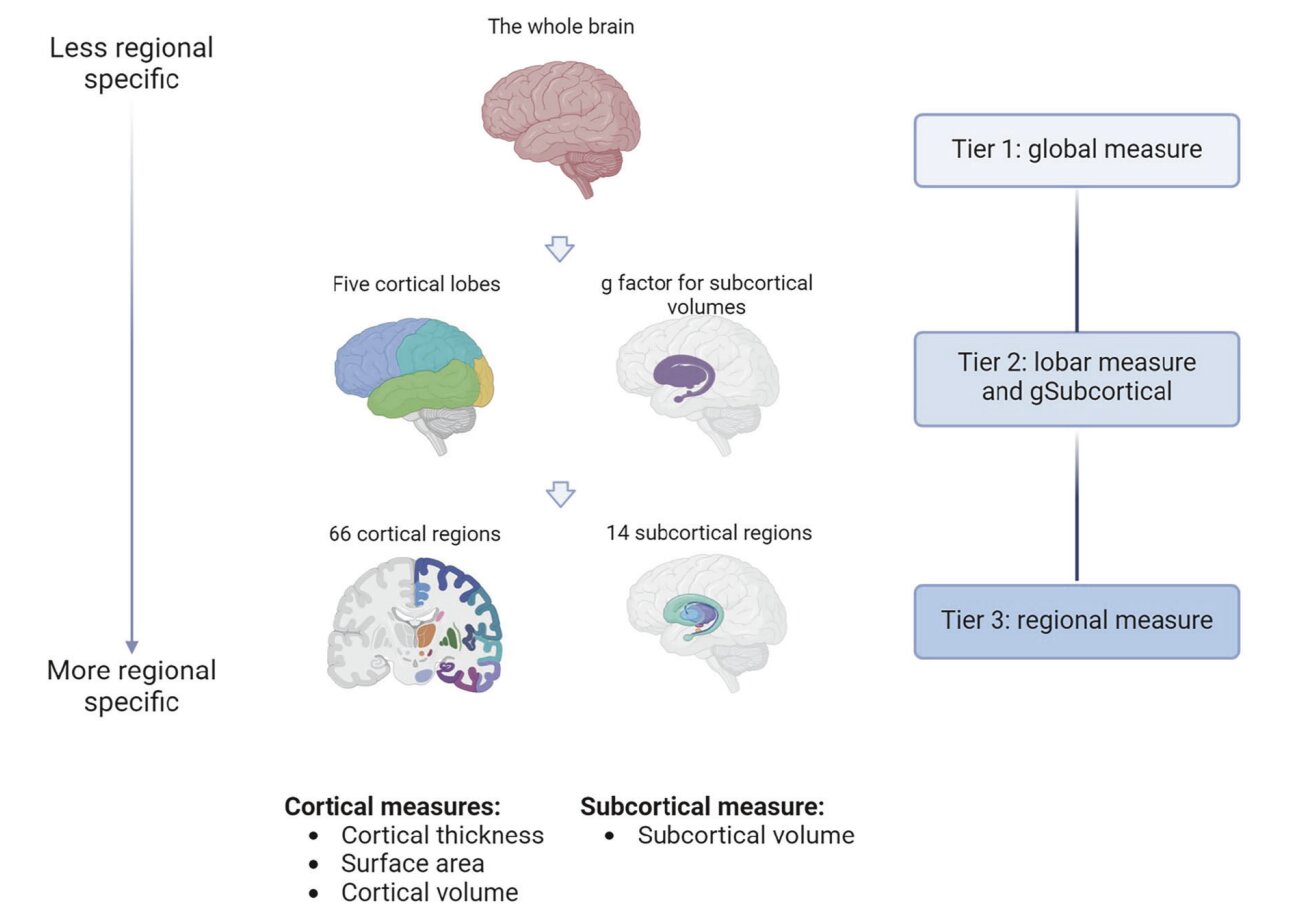
A large-scale study found that individuals with a higher genetic risk for major depression, measured by polygenic risk scores, tend to have smaller brain volumes and surface areas in specific regions such as the hippocampus, thalamus, and orbitofrontal cortex, with potential implications for early intervention and personalized treatment.
A study published by the American Medical Association (AMA) found that people with major depression experienced a significant reduction in symptoms after just one dose of psilocybin. The randomized clinical trial involved 104 adults with major depressive disorder who were administered 25mg of synthetic psilocybin and monitored for changes in symptoms over six weeks. Patients who received the psychedelic-assisted treatment, along with psychotherapy sessions, reported reduced depressive symptoms that were sustained throughout the follow-up period. The treatment also improved psychosocial functioning and did not result in any serious adverse events. The findings suggest that psilocybin, when combined with psychological support, may hold promise as a novel intervention for major depressive disorder.