Tag

Magdalenian Culture

All articles tagged with #magdalenian culture

archaeology2 years ago

"Cannibalism: A Common Practice Among Ancient Europeans 15,000 Years Ago"

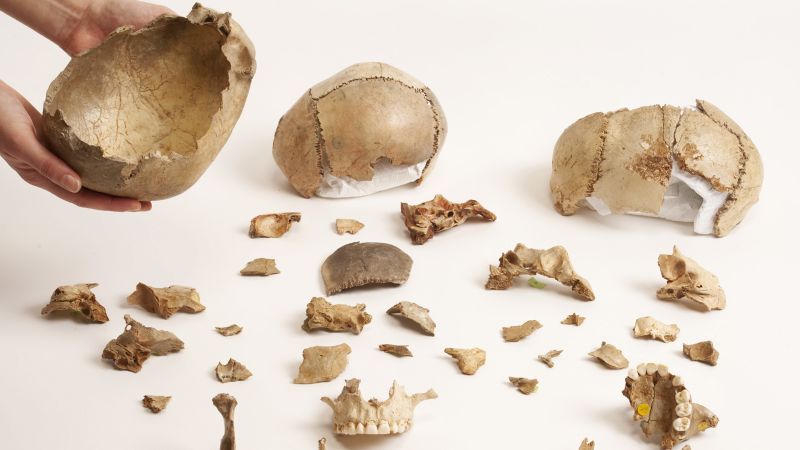
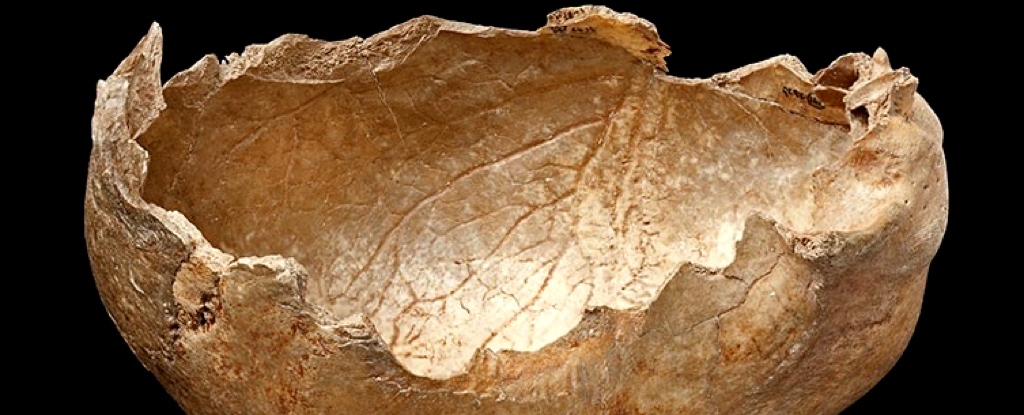
A new analysis of Paleolithic human remains from Northern Europe suggests that cannibalism was a widespread funerary practice among the Magdalenian culture, which existed around 15,000 years ago. The study found evidence of cannibalism, including cut and tooth marks associated with butchering and repurposing bones, at multiple sites across north-western Europe. Genetic analysis revealed that the Magdalenians, who practiced cannibalism, were genetically distinct from the Epigravettians, who buried their dead. The findings suggest that the Epigravettians replaced the Magdalenians, indicating a turnover in both genetic ancestry and funerary behavior during the terminal period of the Paleolithic. Further research is needed to understand the reasons behind this grisly funerary practice.
archaeology2 years ago

"Funeral Cannibalism: Ancient Magdalenian People's Shocking Rituals"

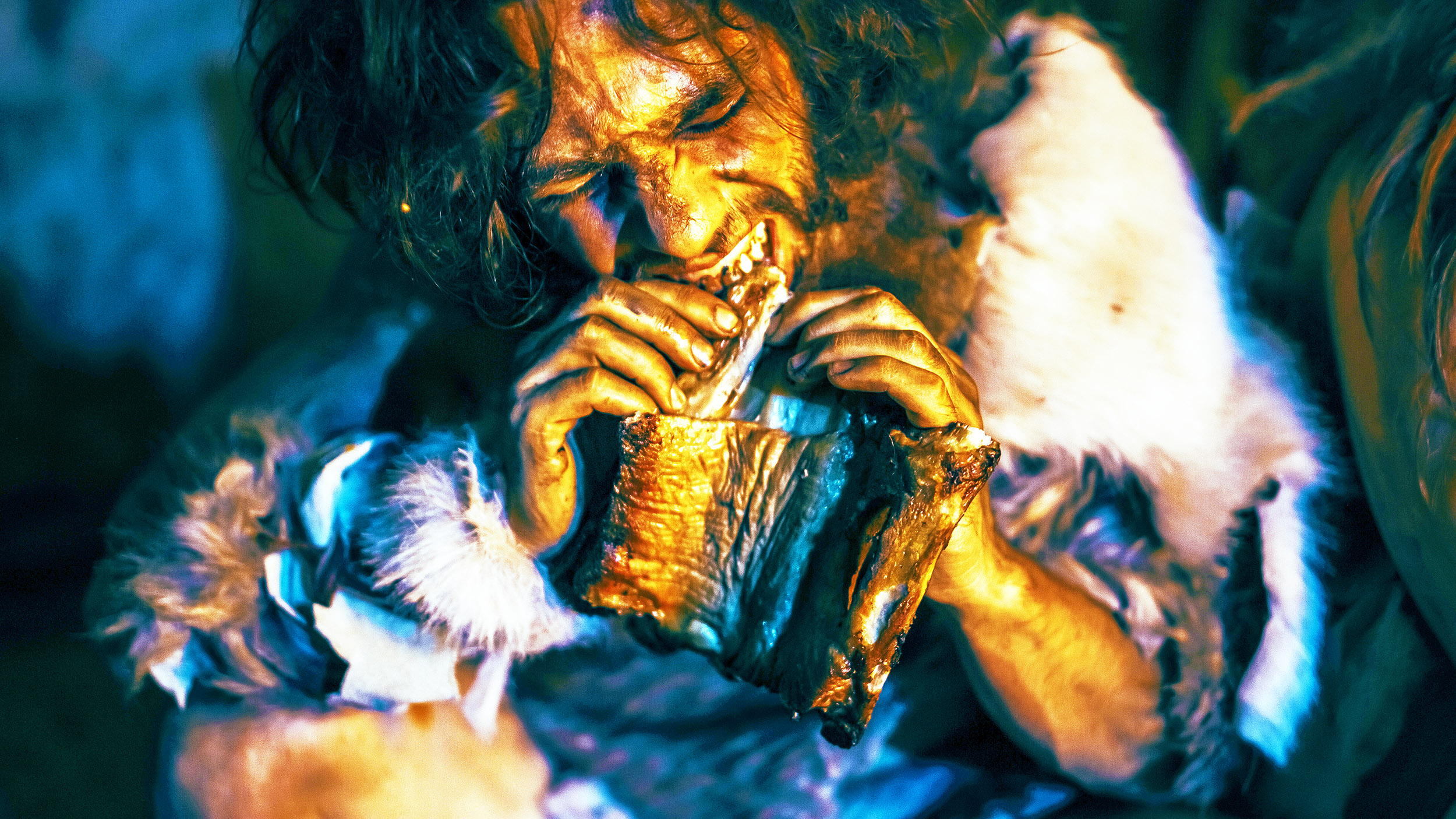
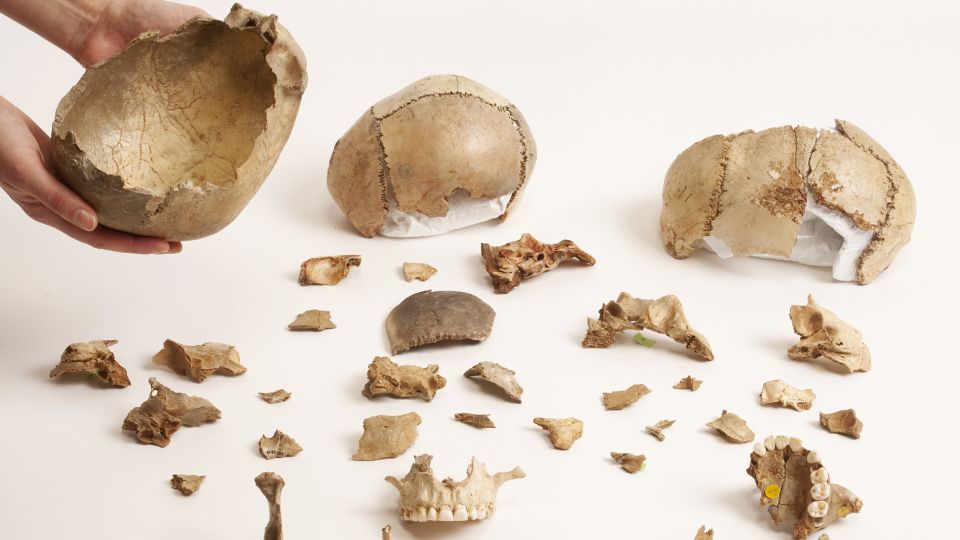
A new study suggests that stone age humans from the Magdalenian culture practiced cannibalism as part of their funeral rituals. The evidence comes from an analysis of bones found at archaeological sites across Europe. The Magdalenians were known for their elaborate artistic abilities and manufacturing skills, creating tools with intricate designs. The cannibalistic ritual was not driven by the need for survival but was a ceremonial activity associated with funerals. The study identified 13 sites across Europe where cannibalistic practices were observed, indicating that cannibalism was a shared behavior in the Stone Age. This discovery challenges our understanding of funeral rituals and the cultural significance of cannibalism among ancient societies.

archaeology2 years ago

Ancient Europeans practiced cannibalistic funeral rituals, study reveals

A new study published in the journal Quaternary Science Reviews reveals that cannibalism was a common funeral practice in Europe approximately 15,000 years ago. Researchers identified 59 Magdalenian sites with human remains, primarily in France but also in other European countries. Evidence of cannibalism was found at 15 of these sites, including chewed bones, skull bones with cut marks, and purposefully broken bones for extracting bone marrow. The manipulation of human remains and its widespread occurrence across northern and western Europe suggest that cannibalism was a burial practice rather than a dietary necessity. The study also found a correlation between funerary behavior and genetic ancestry, with the Magdalenian culture practicing cannibalism while the Epigravettian culture preferred burial.

archaeology2 years ago

"Stone Age Cannibalism: Uncovering Ancient Funeral Rituals and Human Consumption"

A new study published in the journal Quaternary Science Reviews reveals that cannibalism was a common funerary practice in Europe approximately 15,000 years ago. Researchers identified 59 Magdalenian sites with human remains, primarily in France but also in other European countries. Evidence of cannibalism was found at 15 of these sites, including chewing marks on bones, cut marks on skull bones, and deliberate bone breakage for marrow extraction. The study suggests that cannibalism was a burial practice rather than a dietary necessity, indicating its cultural significance in Magdalenian society. The research also highlights a shift towards burial practices in a different culture called the Epigravettian. Further analysis is needed to fully understand these findings.

archaeology2 years ago

Ancient Europeans Practiced Cannibalistic Funeral Rituals, Study Reveals

Cannibalism was a common funerary practice among Magdalenian human groups in northwestern Europe around 15,000 years ago, according to research from London's Natural History Museum. The study analyzed archaeological and genetic evidence, revealing consistent signs of chew marks and bone manipulation. The discovery was made at Gough's Cave in Cheddar Gorge, known for its Paleolithic artifacts. The cannibalistic behavior was likely part of a funerary ritual rather than a necessity. The practice eventually died out due to population replacement by Epigravettian groups who practiced standard burials.