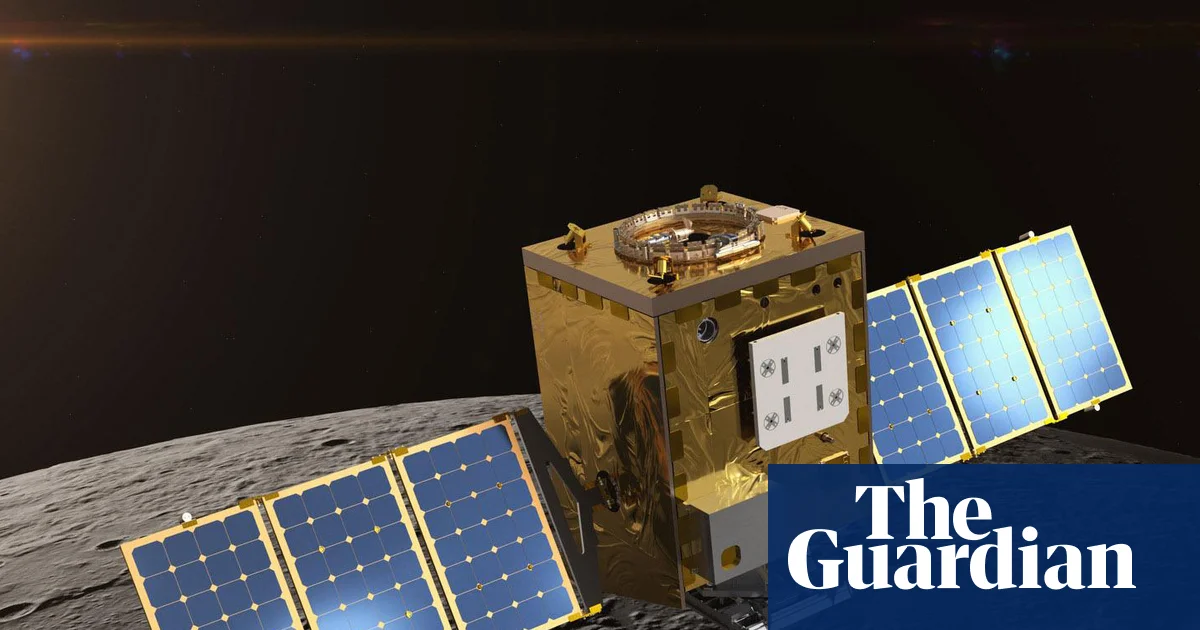
Researchers warn that the increasing number of lunar satellites will lead to the moon becoming a graveyard for defunct spacecraft, potentially damaging scientific sites and instruments. To manage this, experts suggest establishing designated impact zones for controlled crash-landing of old satellites, which could also provide seismic data about the moon's structure.
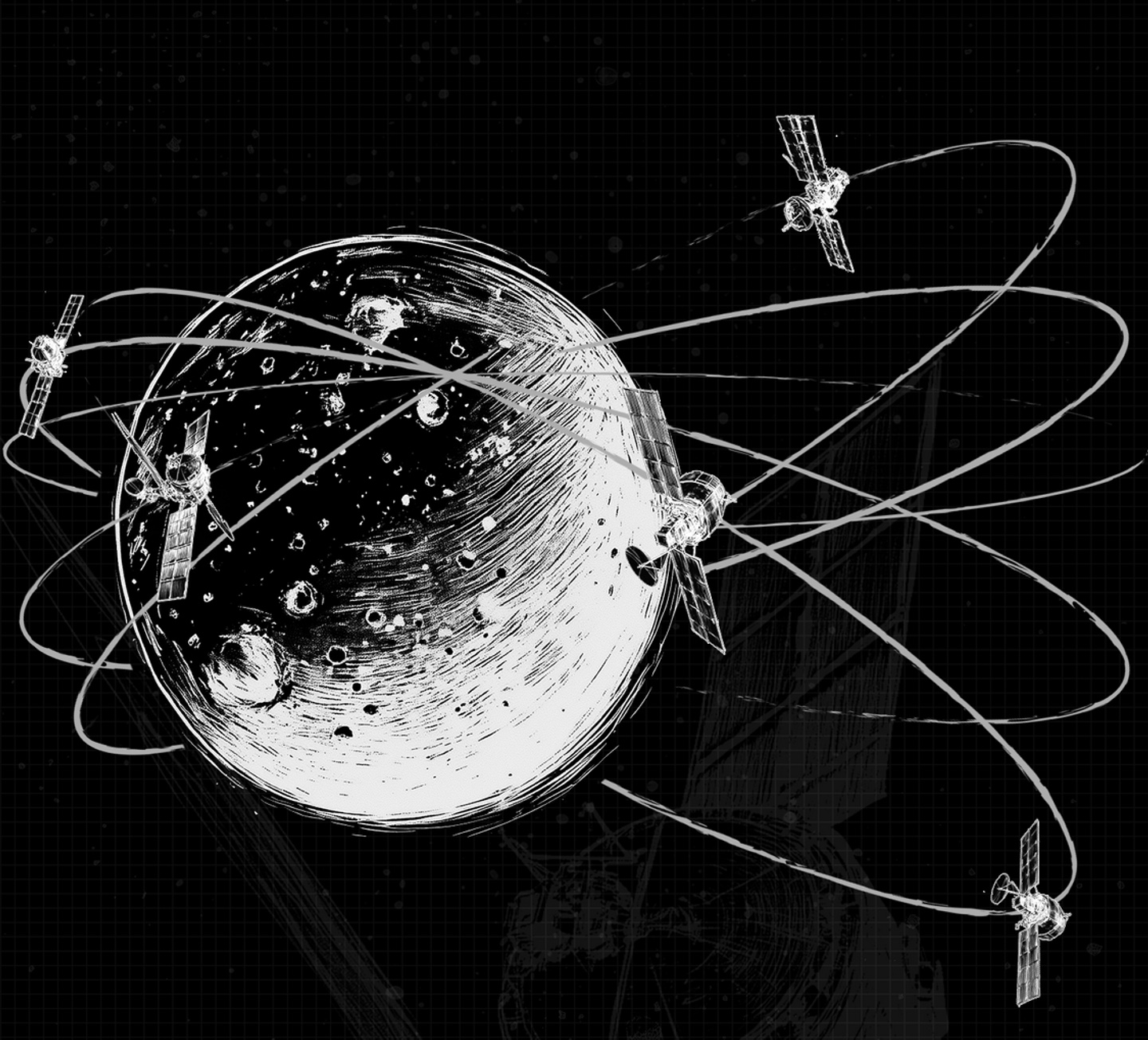
Intuitive Machines plans to produce its own lunar communication satellites in-house to better control schedules and explore additional satellite opportunities, enhancing its capabilities in cislunar space infrastructure.
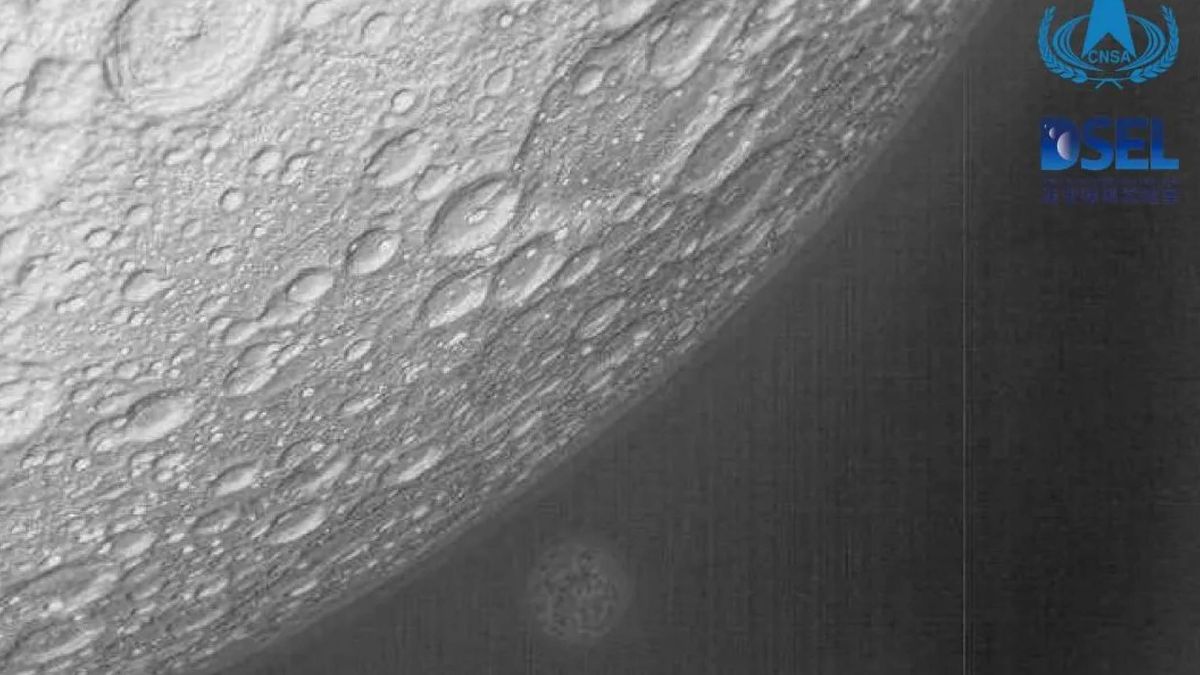
China's experimental lunar satellites, Tiandu-1 and Tiandu-2, have begun tests for future lunar communication and navigation services, transmitting images of the moon's far side and Earth. The satellites, launched alongside the Queqiao-2 lunar communications relay satellite, are part of China's preparations for upcoming lunar missions and the planned International Lunar Research Station. The tests will inform the design and construction of lunar infrastructure, including a Queqiao satellite constellation for communication, navigation, and remote sensing.